Valletta, Malta Vacation Rentals
Explore 26 vacation rentals, homes, and villas in Valletta for your next getaway or business trip. Experience the privacy of a home with premium amenities such as Air Condition Homes, Best Affordable Homes and Great for Groups, designed for a more comfortable and convenient stay. Every home is curated and professionally managed, with 24/7 local support, high-speed Wi-Fi, and premium linens included. With homes starting as low as $64 per night and featuring up to 4 bedrooms and 3 bathrooms, there's an option for every trip, from family vacations and group getaways to extended stays. However you're looking to experience your stay, Homes & Villas by Marriott has your next vacation home waiting. Marriott Bonvoy members can also earn and redeem points on every booking.
26 Vacation Rentals in Valletta

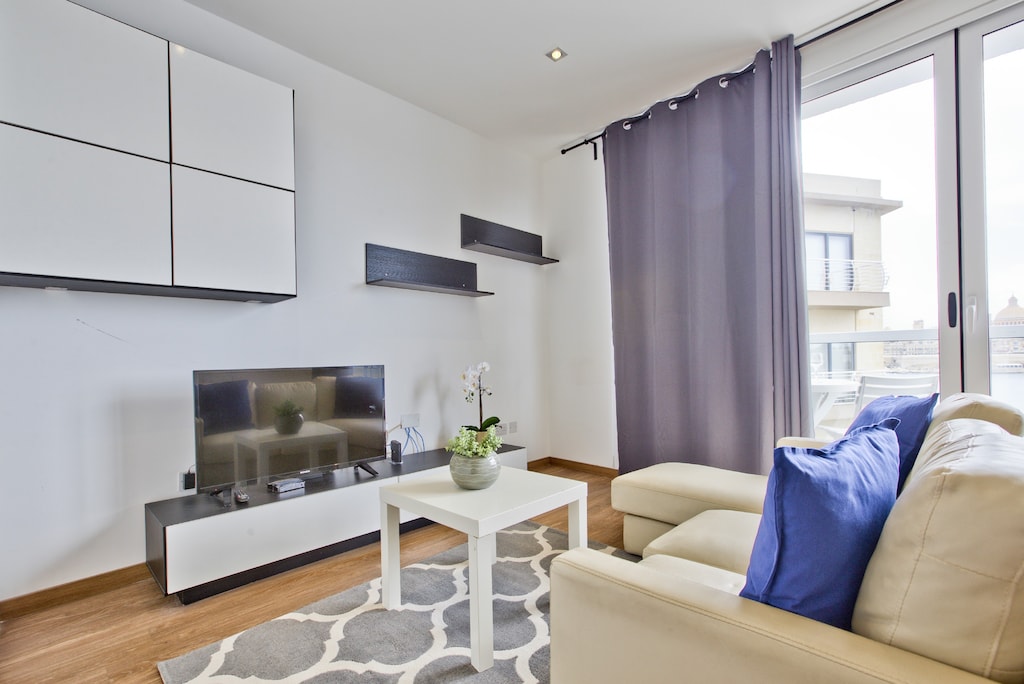

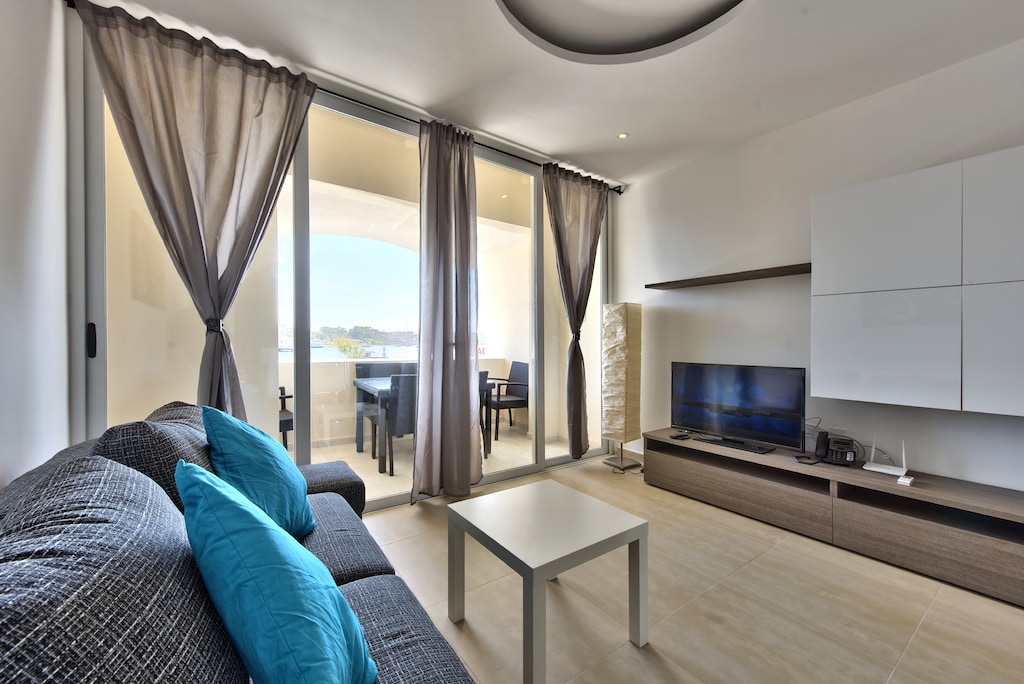


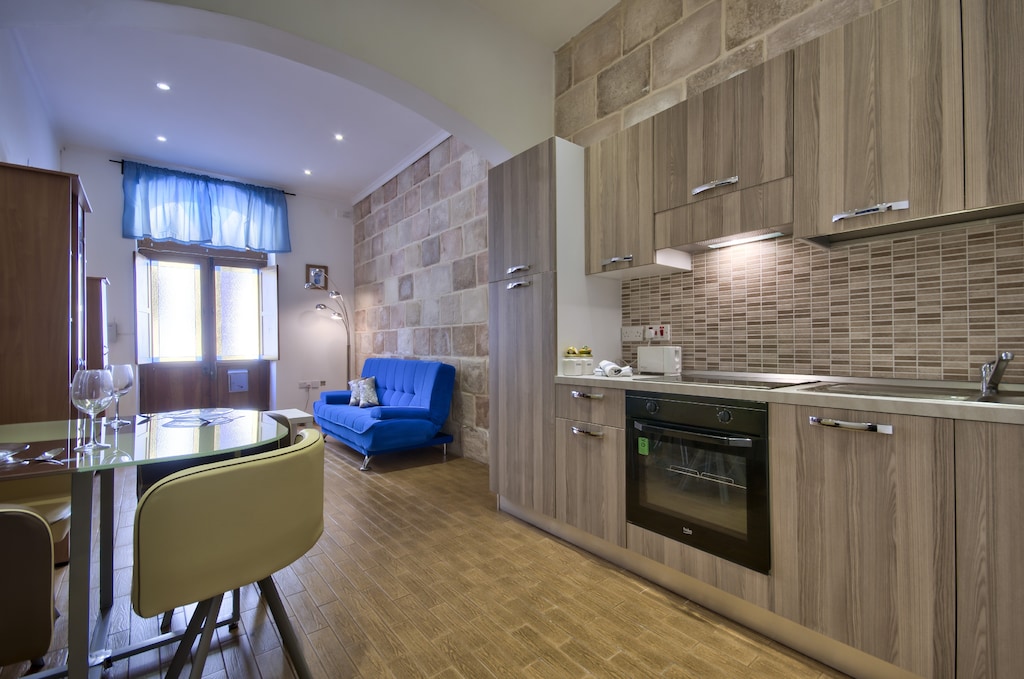
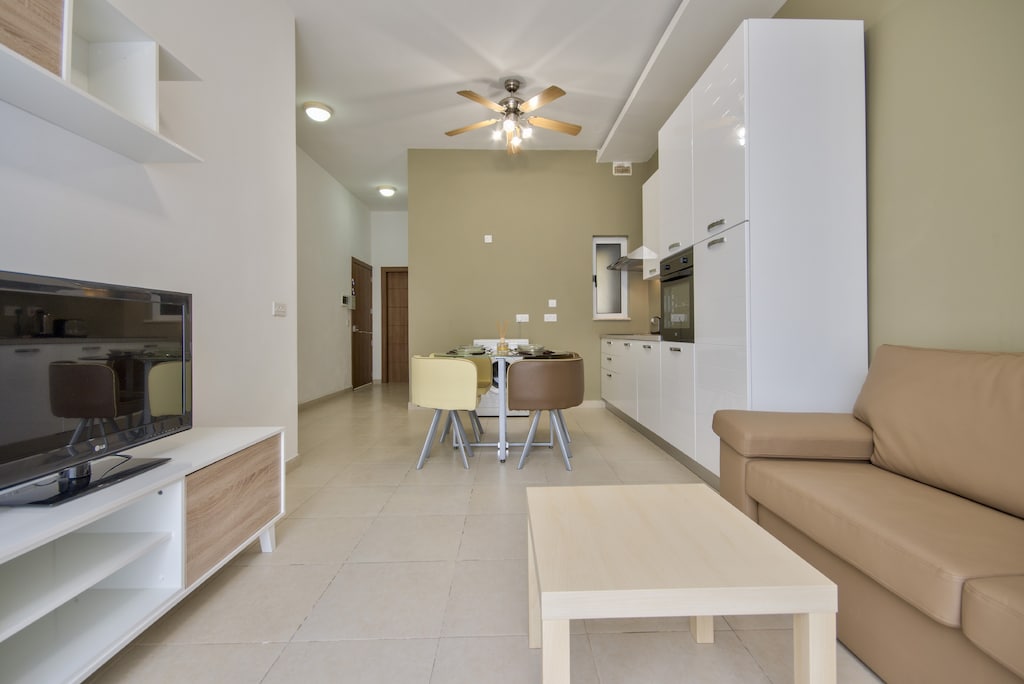


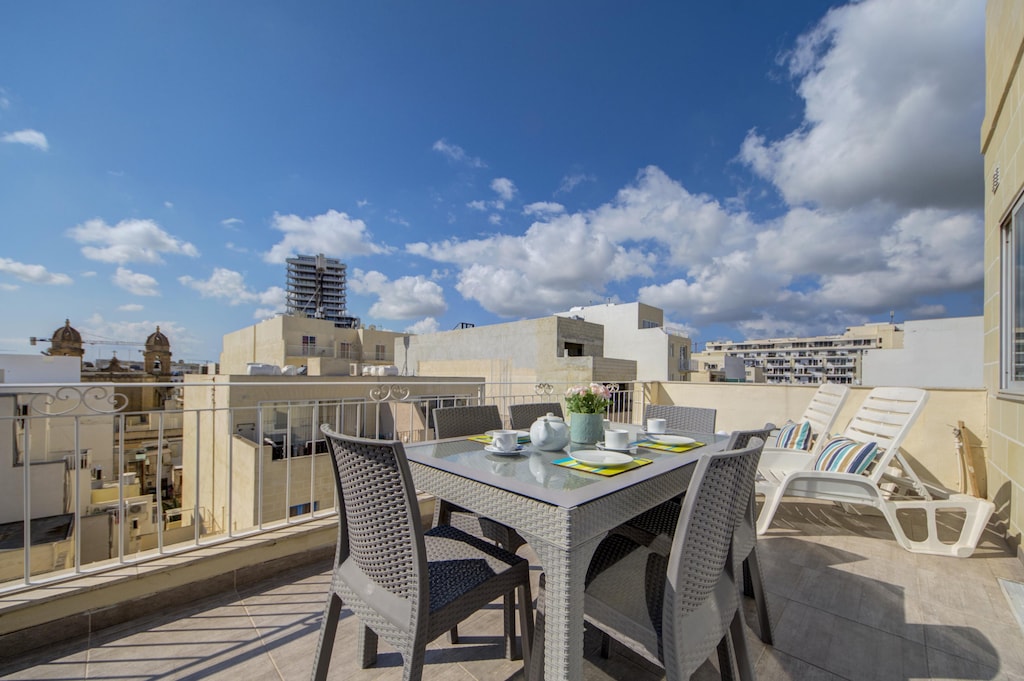

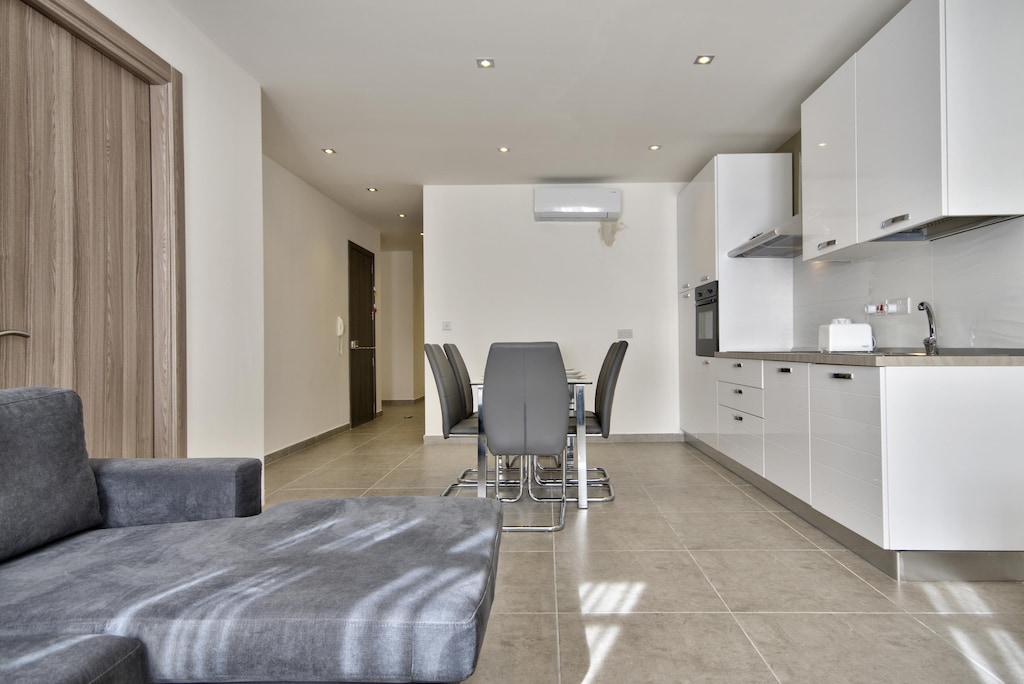
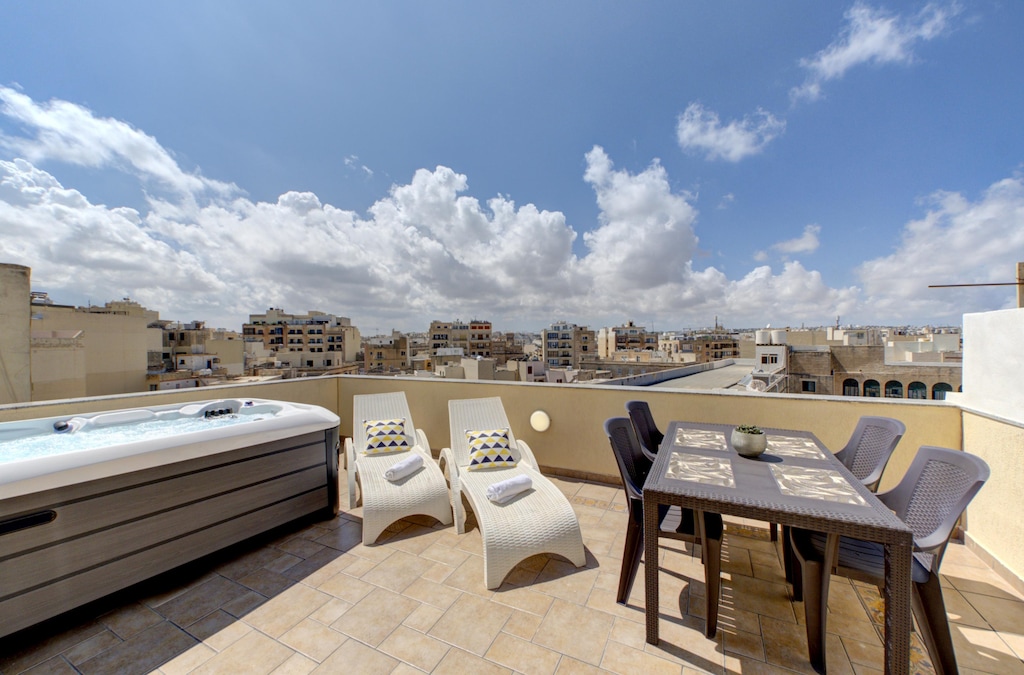

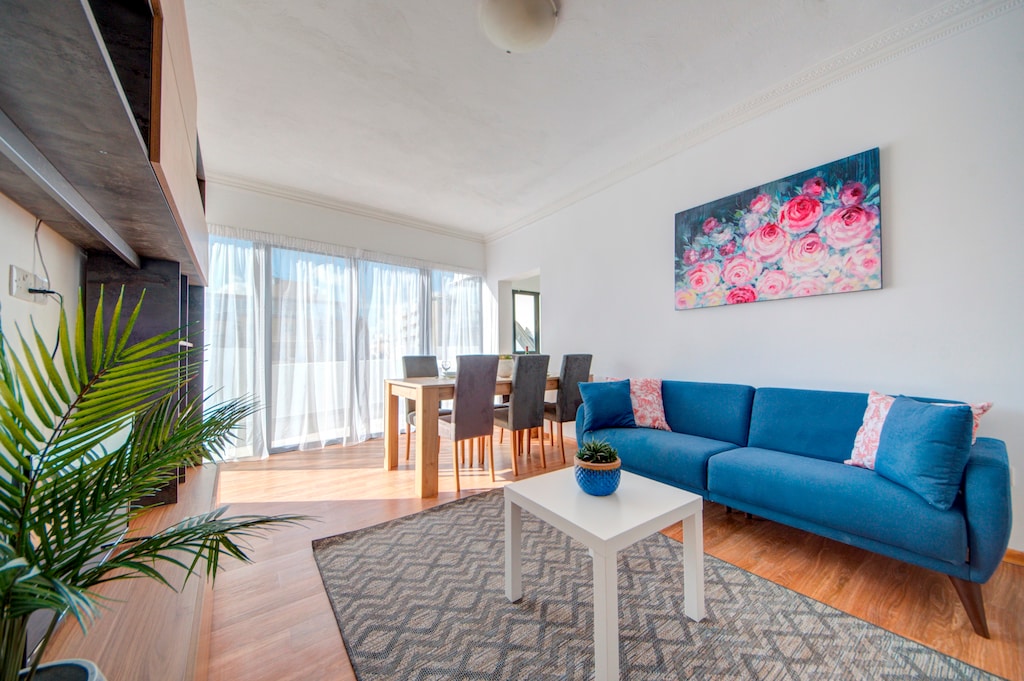

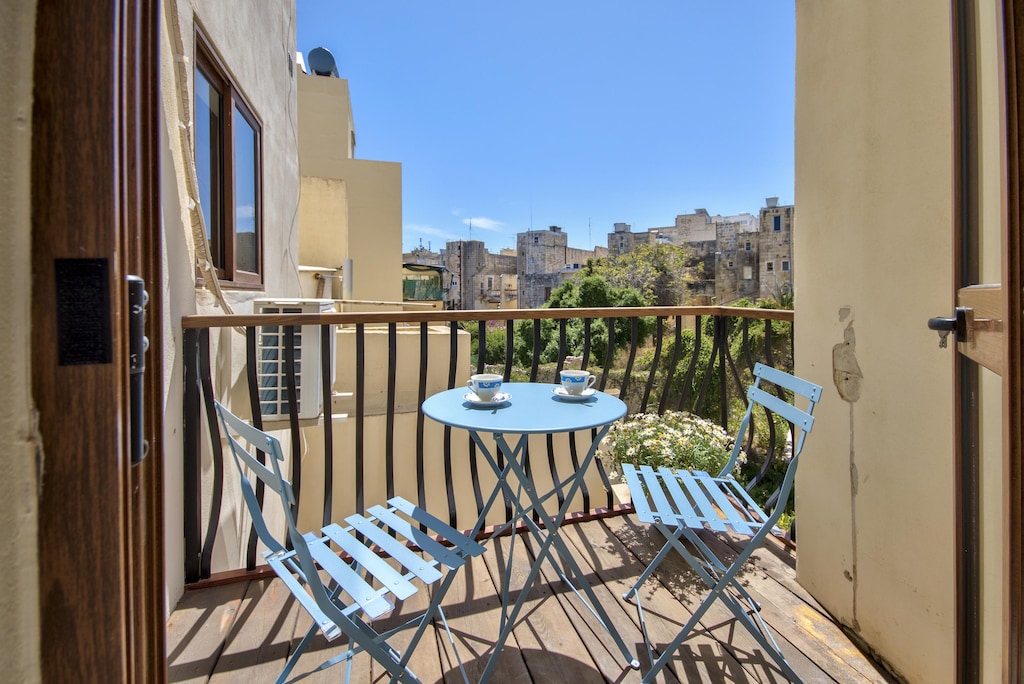
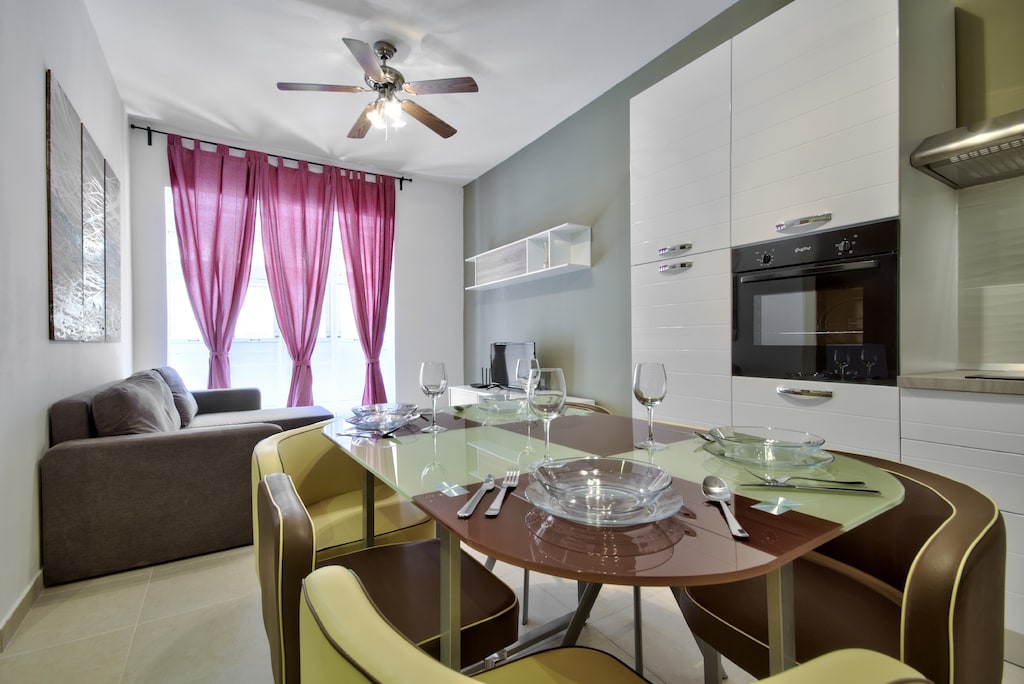
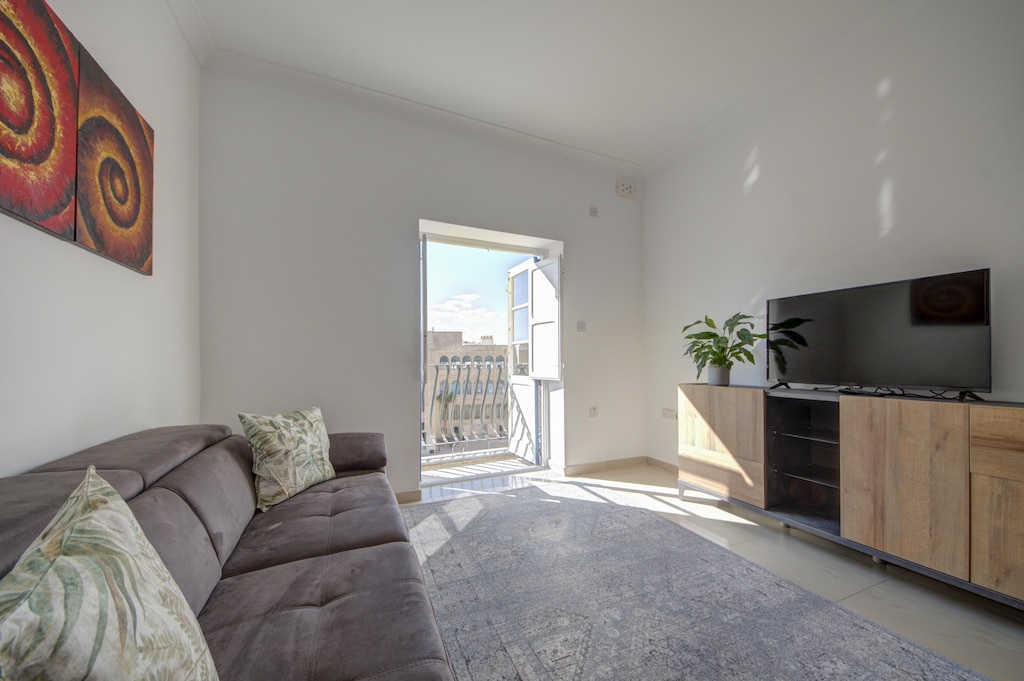


Vacation Rentals in Valletta by Amenities & Features
Get to Know Valletta
Valletta OverviewValletta, Malta's capital city, is a UNESCO World Heritage Site that offers a rich blend of historical and modern attractions. The city's history is beautifully preserved in its 16th-century buildings such as St. John's Co-Cathedral, constructed by the Knights of St. John, which houses an exquisite baroque interior and Caravaggio masterpieces. Other historical landmarks include the Grand Master's Palace and the Fortifications of Valletta, both providing intriguing glimpses into Malta's history.
The city also hosts several museums catering to a variety of interests. The National Museum of Archaeology displays artifacts from Malta's prehistoric periods, while the War Museum narrates the island's involvement in World War II.
Art enthusiasts will find numerous galleries in Valletta along with annual events like the Valletta International Visual Arts Festival. Additionally, cultural events such as the Malta Jazz Festival and Notte Bianca - a night-long celebration of music, dance, and art - are held in the city.
Despite its compact size, Valletta boasts a thriving culinary scene with restaurants serving both local Maltese cuisine and international dishes. There are dining options for every taste and budget ranging from quaint cafes to upscale dining establishments.
Nature lovers will be drawn to Valletta's green spaces like the Upper Barrakka Gardens which offer stunning views over the Grand Harbour. The city is also encircled by crystal-clear waters ideal for swimming and snorkeling.
In summary, Valletta is a small yet diverse city that caters to all types of travelers - those interested in history can delve into its rich past; food enthusiasts can sample its culinary delights; nature lovers can appreciate its beautiful landscapes; while culture aficionados can immerse themselves in its vibrant arts scene.
Valletta, Malta's capital city, is a UNESCO World Heritage Site that offers a rich blend of historical and modern attractions. The city's history is beautifully preserved in its 16th-century buildings such as St. John's Co-Cathedral, constructed by the Knights of St. John, which houses an exquisite baroque interior and Caravaggio masterpieces. Other historical landmarks include the Grand Master's Palace and the Fortifications of Valletta, both providing intriguing glimpses into Malta's history. The city also hosts several museums catering to a variety of interests. The National Museum of Archaeology displays artifacts from Malta's prehistoric periods, while the War Museum narrates the island's involvement in World War II. Art enthusiasts will find numerous galleries in Valletta along with annual events like the Valletta International Visual Arts Festival. Additionally, cultural events such as the Malta Jazz Festival and Notte Bianca - a night-long celebration of music, dance, and art - are held in the city. Despite its compact size, Valletta boasts a thriving culinary scene with restaurants serving both local Maltese cuisine and international dishes. There are dining options for every taste and budget ranging from quaint cafes to upscale dining establishments. Nature lovers will be drawn to Valletta's green spaces like the Upper Barrakka Gardens which offer stunning views over the Grand Harbour. The city is also encircled by crystal-clear waters ideal for swimming and snorkeling. In summary, Valletta is a small yet diverse city that caters to all types of travelers - those interested in history can delve into its rich past; food enthusiasts can sample its culinary delights; nature lovers can appreciate its beautiful landscapes; while culture aficionados can immerse themselves in its vibrant arts scene.
Weather in VallettaValletta, Malta is blessed with a Mediterranean climate characterized by mild, rainy winters and hot, dry summers. The city's geographical position on the island of Malta allows it to enjoy refreshing sea breezes that help temper the summer heat.
The winter season spans from December to February and is generally mild with temperatures averaging between 10°C and 15°C. This period sees the most rainfall, contributing to Malta's annual precipitation of approximately 500mm. Despite the rain, these months can be an excellent time for visitors who enjoy cooler temperatures and less crowded attractions.
The summer season from June to August is quite hot with average high temperatures soaring into the upper 20s to low 30s Celsius. These months experience minimal rainfall and abundant sunshine - up to 12 hours a day - making them ideal for beach vacations and water sports.
The spring (March-May) and autumn (September-November) seasons are transitional periods with temperatures typically ranging between 15°C and 25°C. These seasons provide a balance of comfortable weather conditions: not excessively hot for sightseeing but sufficiently warm for outdoor activities.
The most favorable time to visit Valletta is during spring and autumn when the weather conditions are optimal for exploring the city's numerous historical sites. However, if you're inclined towards sunbathing or water sports then summer would be your perfect time. Regardless of your chosen time of visit, Valletta's rich history and dynamic culture guarantee an enjoyable trip at any time of year.
Valletta, Malta is blessed with a Mediterranean climate characterized by mild, rainy winters and hot, dry summers. The city's geographical position on the island of Malta allows it to enjoy refreshing sea breezes that help temper the summer heat. The winter season spans from December to February and is generally mild with temperatures averaging between 10°C and 15°C. This period sees the most rainfall, contributing to Malta's annual precipitation of approximately 500mm. Despite the rain, these months can be an excellent time for visitors who enjoy cooler temperatures and less crowded attractions. The summer season from June to August is quite hot with average high temperatures soaring into the upper 20s to low 30s Celsius. These months experience minimal rainfall and abundant sunshine - up to 12 hours a day - making them ideal for beach vacations and water sports. The spring (March-May) and autumn (September-November) seasons are transitional periods with temperatures typically ranging between 15°C and 25°C. These seasons provide a balance of comfortable weather conditions: not excessively hot for sightseeing but sufficiently warm for outdoor activities. The most favorable time to visit Valletta is during spring and autumn when the weather conditions are optimal for exploring the city's numerous historical sites. However, if you're inclined towards sunbathing or water sports then summer would be your perfect time. Regardless of your chosen time of visit, Valletta's rich history and dynamic culture guarantee an enjoyable trip at any time of year.
Cultural Attractions in VallettaValletta, Malta is indeed a haven for those with a passion for culture, offering an intriguing mix of history, art, and local traditions. The city's historical richness can be discovered through its many museums and historical landmarks. The National Museum of Archaeology provides insight into Malta's prehistoric and early periods while the Grandmaster's Palace offers a peek into the lives of the Knights of St. John.
Art enthusiasts will appreciate the city's dynamic arts scene. The National Museum of Fine Arts boasts a remarkable collection that spans from old masters to modern pieces. St John’s Co-Cathedral is not only an architectural gem but also houses Caravaggio’s largest painting 'The Beheading of Saint John'.
Live music is plentiful in Valletta, with performances covering classical to modern genres. The Manoel Theatre, one of Europe’s oldest operational theatres, frequently hosts concerts, operas and plays.
Local traditions can be experienced through various festivals held throughout the year such as the Valletta International Baroque Festival in January or Notte Bianca in October where the city bursts into life with a spectacular night-long celebration of people, culture and arts.
Arriving at Valletta involves flying into Malta International Airport which has good connections with major European cities. From there, it's merely a 20-minute taxi ride or bus trip to Valletta. Once within the city limits, navigating around is straightforward due to its compact size - most attractions are within walking distance from each other making it highly walkable for visitors.
Valletta, Malta is indeed a haven for those with a passion for culture, offering an intriguing mix of history, art, and local traditions. The city's historical richness can be discovered through its many museums and historical landmarks. The National Museum of Archaeology provides insight into Malta's prehistoric and early periods while the Grandmaster's Palace offers a peek into the lives of the Knights of St. John. Art enthusiasts will appreciate the city's dynamic arts scene. The National Museum of Fine Arts boasts a remarkable collection that spans from old masters to modern pieces. St John’s Co-Cathedral is not only an architectural gem but also houses Caravaggio’s largest painting 'The Beheading of Saint John'. Live music is plentiful in Valletta, with performances covering classical to modern genres. The Manoel Theatre, one of Europe’s oldest operational theatres, frequently hosts concerts, operas and plays. Local traditions can be experienced through various festivals held throughout the year such as the Valletta International Baroque Festival in January or Notte Bianca in October where the city bursts into life with a spectacular night-long celebration of people, culture and arts. Arriving at Valletta involves flying into Malta International Airport which has good connections with major European cities. From there, it's merely a 20-minute taxi ride or bus trip to Valletta. Once within the city limits, navigating around is straightforward due to its compact size - most attractions are within walking distance from each other making it highly walkable for visitors.
Family friendly activities in VallettaValletta, Malta offers a rich array of experiences that are both educational and entertaining for children. The city's vibrant culture and history are evident in its numerous attractions that cater to young visitors.
The National Museum of Archaeology is an ideal starting point. Here, children can delve into Malta's ancient history through captivating exhibits showcasing prehistoric artifacts. However, it's worth noting that the reference to the Sleeping Lady statue may be unclear as there might be some confusion around this particular exhibit.
For a breath of fresh air, consider taking the kids to the Upper Barrakka Gardens. This stunning park provides breathtaking views of the Grand Harbour and is home to diverse flora and fauna. The daily cannon firing at noon is a spectacle that kids will undoubtedly enjoy.
A trip to Valletta would not be complete without visiting its impressive fortifications. Fort St Elmo - National War Museum allows visitors to explore its ramparts and learn about the Great Siege of 1565. However, it may not offer interactive exhibits specifically designed for children.
The Esplora Interactive Science Centre in nearby Kalkara is another attraction families should not miss. This modern facility makes learning enjoyable with hands-on exhibits spanning various topics from electromagnetism to human biology.
If your children have an interest in marine life, Malta National Aquarium in Qawra should be on your itinerary. It showcases numerous species from around the globe, including sharks, rays, and seahorses.
Lastly, while it has been suggested that a traditional Maltese boat ride around the Grand Harbour could provide an unforgettable experience for kids by offering a unique perspective on Valletta's maritime history, this would need further confirmation regarding availability and suitability for children.
In conclusion, Valletta presents plenty of opportunities for children to learn while having fun. Whether their interests lie in history, science or nature, they'll find something intriguing in this historic city.
Valletta, Malta offers a rich array of experiences that are both educational and entertaining for children. The city's vibrant culture and history are evident in its numerous attractions that cater to young visitors. The National Museum of Archaeology is an ideal starting point. Here, children can delve into Malta's ancient history through captivating exhibits showcasing prehistoric artifacts. However, it's worth noting that the reference to the Sleeping Lady statue may be unclear as there might be some confusion around this particular exhibit. For a breath of fresh air, consider taking the kids to the Upper Barrakka Gardens. This stunning park provides breathtaking views of the Grand Harbour and is home to diverse flora and fauna. The daily cannon firing at noon is a spectacle that kids will undoubtedly enjoy. A trip to Valletta would not be complete without visiting its impressive fortifications. Fort St Elmo - National War Museum allows visitors to explore its ramparts and learn about the Great Siege of 1565. However, it may not offer interactive exhibits specifically designed for children. The Esplora Interactive Science Centre in nearby Kalkara is another attraction families should not miss. This modern facility makes learning enjoyable with hands-on exhibits spanning various topics from electromagnetism to human biology. If your children have an interest in marine life, Malta National Aquarium in Qawra should be on your itinerary. It showcases numerous species from around the globe, including sharks, rays, and seahorses. Lastly, while it has been suggested that a traditional Maltese boat ride around the Grand Harbour could provide an unforgettable experience for kids by offering a unique perspective on Valletta's maritime history, this would need further confirmation regarding availability and suitability for children. In conclusion, Valletta presents plenty of opportunities for children to learn while having fun. Whether their interests lie in history, science or nature, they'll find something intriguing in this historic city.
Outdoor activities in VallettaValletta, Malta is a city steeped in history and culture, surrounded by the Mediterranean Sea. While it may not be a haven for nature enthusiasts seeking wilderness, it does offer several parks and gardens for leisurely walks or picnics. The Upper Barrakka Gardens, situated on the highest point of the city walls, provide panoramic views of the Grand Harbour and Three Cities. The Lower Barrakka Gardens also offer stunning sea views and house a neoclassical monument dedicated to Alexander Ball.
While Valletta itself may not have crystal clear waters teeming with marine life, there are opportunities for water-based activities such as boat trips around the Grand Harbour that allow you to appreciate the breathtaking city skyline from a different perspective.
Outside of Valletta proper, you'll find Buskett Gardens - Malta's only woodland area. This semi-natural woodland hosts diverse flora and fauna and offers tranquil walking trails.
Additionally, while not part of Valletta itself, Malta's sister islands - Gozo and Comino - are worth exploring. Gozo is renowned for its scenic landscapes, pristine beaches and hiking trails while Comino boasts the Blue Lagoon with turquoise waters ideal for swimming or snorkeling.
In conclusion, while Valletta might not be a "paradise" for those seeking natural wonders or wilderness experiences, it does offer beautiful gardens within its fortified walls along with cultural attractions and historical sites that make it an interesting destination.
Valletta, Malta is a city steeped in history and culture, surrounded by the Mediterranean Sea. While it may not be a haven for nature enthusiasts seeking wilderness, it does offer several parks and gardens for leisurely walks or picnics. The Upper Barrakka Gardens, situated on the highest point of the city walls, provide panoramic views of the Grand Harbour and Three Cities. The Lower Barrakka Gardens also offer stunning sea views and house a neoclassical monument dedicated to Alexander Ball. While Valletta itself may not have crystal clear waters teeming with marine life, there are opportunities for water-based activities such as boat trips around the Grand Harbour that allow you to appreciate the breathtaking city skyline from a different perspective. Outside of Valletta proper, you'll find Buskett Gardens - Malta's only woodland area. This semi-natural woodland hosts diverse flora and fauna and offers tranquil walking trails. Additionally, while not part of Valletta itself, Malta's sister islands - Gozo and Comino - are worth exploring. Gozo is renowned for its scenic landscapes, pristine beaches and hiking trails while Comino boasts the Blue Lagoon with turquoise waters ideal for swimming or snorkeling. In conclusion, while Valletta might not be a "paradise" for those seeking natural wonders or wilderness experiences, it does offer beautiful gardens within its fortified walls along with cultural attractions and historical sites that make it an interesting destination.
Transportation in VallettaVisitors heading to the charming city of Valletta, Malta have a variety of options for their journey. The most prevalent method of arrival is by air, with Malta International Airport acting as the main entry point to the island. This airport has excellent connections with numerous major European cities, making it conveniently reachable from different corners of the globe. Upon landing at the airport, travelers can utilize taxis and shuttle services for transportation into Valletta.
For those who enjoy picturesque journeys, reaching Valletta by sea is an alternative. The city is a favored stop on Mediterranean cruise routes and also offers ferry links with Sicily and Gozo.
Navigating within Valletta is fairly simple once there. The city boasts an effective public transportation system run by Malta Public Transport that includes buses that service all areas of the island from Valletta's central bus station. Taxis are also easily found throughout the city.
Travelers who prefer self-driving have access to car rental services at both the airport and within the city itself. However, it should be noted that driving in Malta may pose some challenges due to its narrow streets and left-hand traffic rules.
The city of Valletta itself is highly walkable owing to its small size and pedestrian-friendly streets. The majority of its key attractions are situated within close proximity to each other, allowing visitors to easily explore on foot.
In summary, whether arriving by air or sea, getting around Valletta using public transport or walking is quite manageable for most visitors. The city's compact size coupled with its efficient public transportation ensures easy navigation and exploration of this historic Mediterranean jewel.
Visitors heading to the charming city of Valletta, Malta have a variety of options for their journey. The most prevalent method of arrival is by air, with Malta International Airport acting as the main entry point to the island. This airport has excellent connections with numerous major European cities, making it conveniently reachable from different corners of the globe. Upon landing at the airport, travelers can utilize taxis and shuttle services for transportation into Valletta. For those who enjoy picturesque journeys, reaching Valletta by sea is an alternative. The city is a favored stop on Mediterranean cruise routes and also offers ferry links with Sicily and Gozo. Navigating within Valletta is fairly simple once there. The city boasts an effective public transportation system run by Malta Public Transport that includes buses that service all areas of the island from Valletta's central bus station. Taxis are also easily found throughout the city. Travelers who prefer self-driving have access to car rental services at both the airport and within the city itself. However, it should be noted that driving in Malta may pose some challenges due to its narrow streets and left-hand traffic rules. The city of Valletta itself is highly walkable owing to its small size and pedestrian-friendly streets. The majority of its key attractions are situated within close proximity to each other, allowing visitors to easily explore on foot. In summary, whether arriving by air or sea, getting around Valletta using public transport or walking is quite manageable for most visitors. The city's compact size coupled with its efficient public transportation ensures easy navigation and exploration of this historic Mediterranean jewel.
Valletta FAQs
What is there to do in Valletta, Malta?Valletta, the capital of Malta, is rich in history and culture. You can visit St. John's Co-Cathedral, explore the Upper Barrakka Gardens for a panoramic view of the Grand Harbour, tour the Grandmaster's Palace, and learn at the National Museum of Archaeology. Don't miss a walk through the charming streets to admire the baroque architecture, and consider a harbor cruise to see the city from the water.
Valletta, the capital of Malta, is rich in history and culture. You can visit St. John's Co-Cathedral, explore the Upper Barrakka Gardens for a panoramic view of the Grand Harbour, tour the Grandmaster's Palace, and learn at the National Museum of Archaeology. Don't miss a walk through the charming streets to admire the baroque architecture, and consider a harbor cruise to see the city from the water.
What is the best time of year to visit Valletta?The best time to visit Valletta is during the spring (April to June) or autumn (September to October) when the weather is pleasant, and the tourist crowds are smaller. The summer months can be very hot, while winters are mild but can be quite rainy.
The best time to visit Valletta is during the spring (April to June) or autumn (September to October) when the weather is pleasant, and the tourist crowds are smaller. The summer months can be very hot, while winters are mild but can be quite rainy.
How do I get around Valletta?Valletta is a compact city and can easily be explored on foot. For longer distances, there's a reliable public bus system, and taxis are readily available. You can also use the ferry service to cross the harbor to cities like Sliema and the Three Cities.
Valletta is a compact city and can easily be explored on foot. For longer distances, there's a reliable public bus system, and taxis are readily available. You can also use the ferry service to cross the harbor to cities like Sliema and the Three Cities.
What are the dining options like in Valletta?Valletta offers a variety of dining options, from traditional Maltese cuisine to international dishes. Seafood is particularly popular, given Malta's location in the Mediterranean. There are also numerous cafes and pastizzerias where you can try local snacks like pastizzi.
Valletta offers a variety of dining options, from traditional Maltese cuisine to international dishes. Seafood is particularly popular, given Malta's location in the Mediterranean. There are also numerous cafes and pastizzerias where you can try local snacks like pastizzi.
Can I visit other parts of Malta easily from Valletta?Yes, Malta's public transportation system is centered around Valletta, making it easy to visit other parts of the island such as Mdina, the Blue Grotto, and the beaches of Mellieha Bay. Day trips to Gozo, the second-largest island in the archipelago, are also possible.
Yes, Malta's public transportation system is centered around Valletta, making it easy to visit other parts of the island such as Mdina, the Blue Grotto, and the beaches of Mellieha Bay. Day trips to Gozo, the second-largest island in the archipelago, are also possible.
What language is spoken in Valletta?The official languages of Malta are Maltese and English. Most locals are bilingual, and English is widely spoken, so visitors should have no trouble communicating.
The official languages of Malta are Maltese and English. Most locals are bilingual, and English is widely spoken, so visitors should have no trouble communicating.
Are there any cultural events or festivals in Valletta?Valletta hosts numerous cultural events and festivals throughout the year. Notable events include the Valletta Film Festival, the Malta Jazz Festival, and the Valletta Baroque Festival. Additionally, the city celebrates the feast of St. Paul's Shipwreck on February 10th and the feast of St. Dominic in August with processions and festivities.
Valletta hosts numerous cultural events and festivals throughout the year. Notable events include the Valletta Film Festival, the Malta Jazz Festival, and the Valletta Baroque Festival. Additionally, the city celebrates the feast of St. Paul's Shipwreck on February 10th and the feast of St. Dominic in August with processions and festivities.
More space, more privacy, more points with every home rental.
What makes Homes & Villas by Marriott Bonvoy a unique home rental experience? Unlike other home rental sites like AirBNB, when you book a vacation rental with Homes & Villas by Marriott Bonvoy you always have the whole place to yourself. Plus, as a member of Marriott Bonvoy, you can earn points towards free nights with every stay.