Malta Vacation Rentals
Explore 108 vacation rentals, homes, and villas in Malta for your next getaway or business trip. From relaxing escapes to city stays, discover a wide range of curated homes from $56 offering more space, comfort, and privacy than a traditional hotel, with premium amenities like private pools, full kitchens, spacious outdoor areas, and multi-bedroom layouts. Every home is professionally managed with 24/7 local support, premium linens, and high-speed Wi-Fi. Plus, Marriott Bonvoy members can earn and redeem points on every stay.
108 Vacation Rentals in Malta


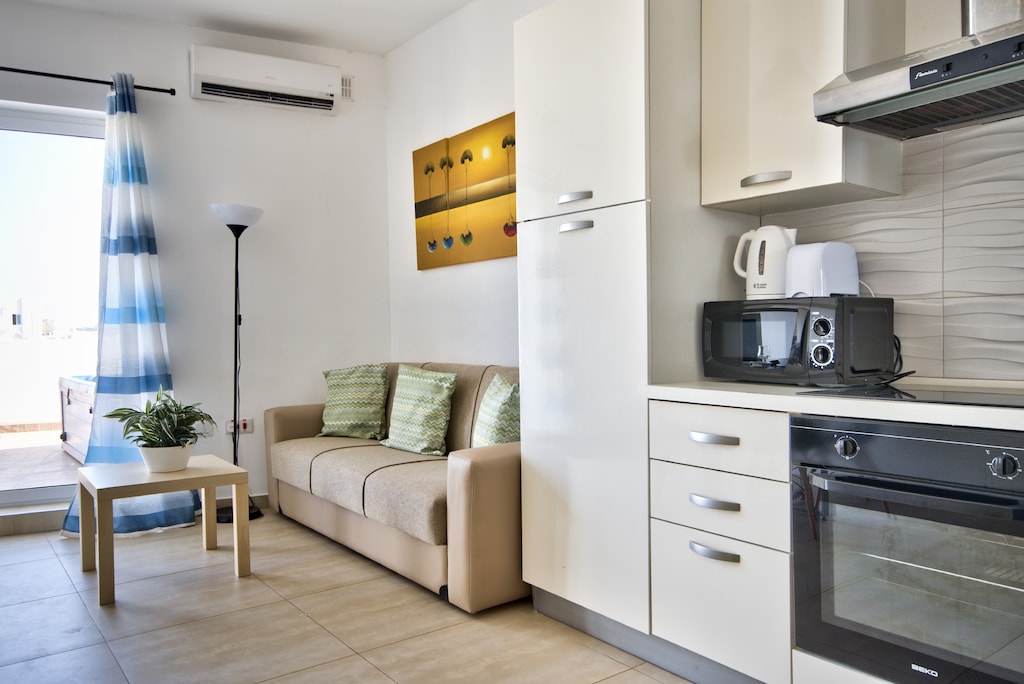


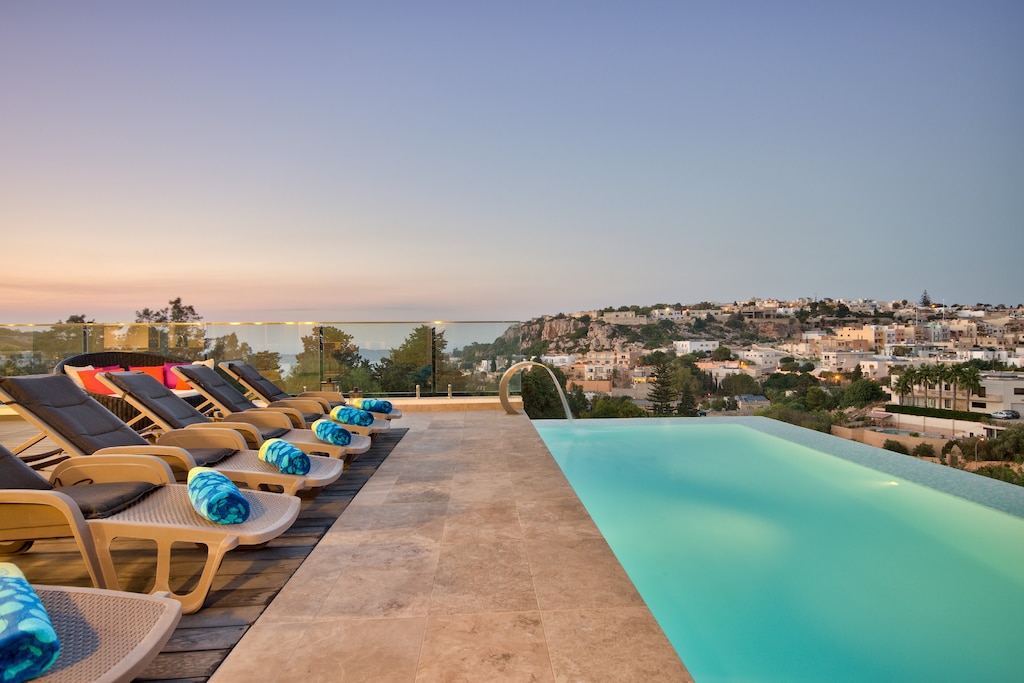

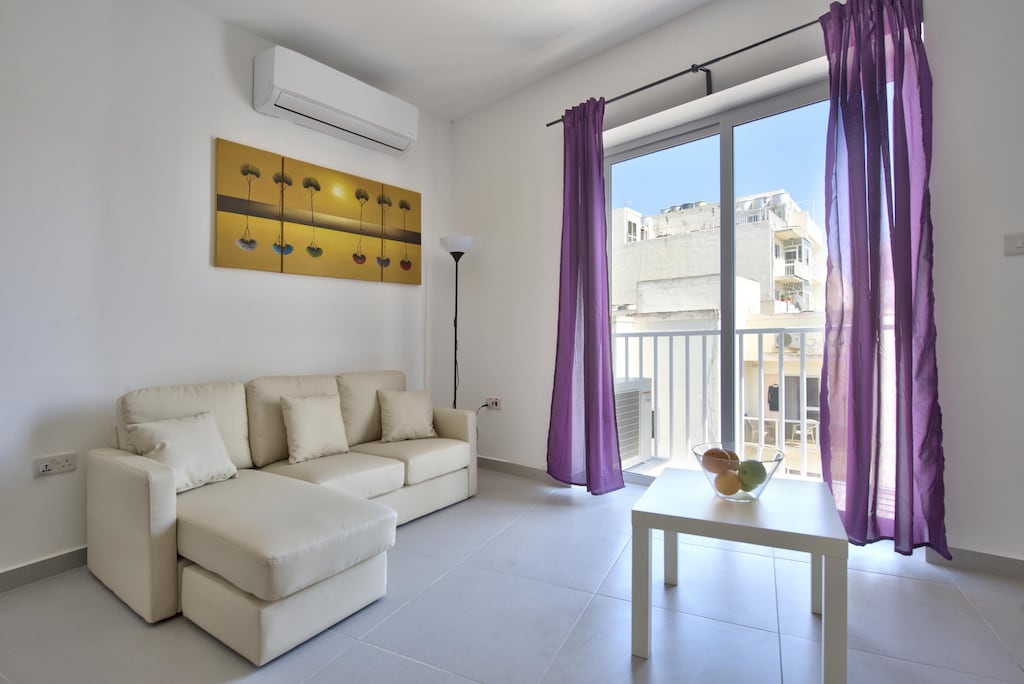

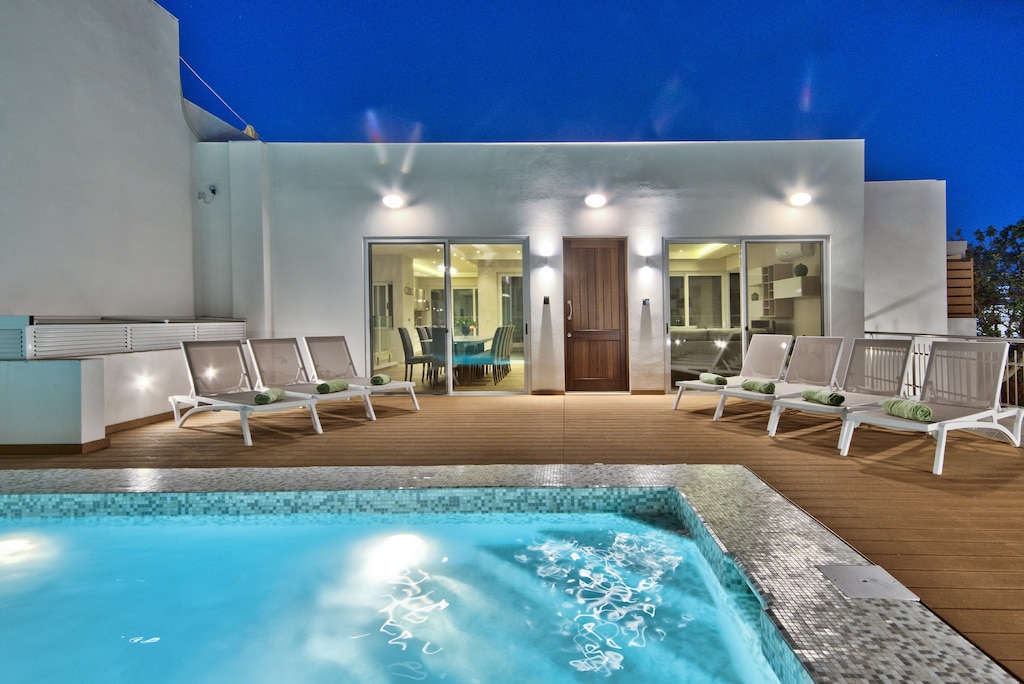


Vacation Rentals in Malta by Amenities & Features
Get to Know Malta
Malta OverviewMalta, an archipelago in the central Mediterranean, is a treasure trove of cultural heritage, stunning landscapes, and an inviting climate that makes it a year-round destination. The country's rich tapestry of history is woven from threads of various civilizations, including the Phoenicians, Romans, Moors, Knights of Saint John, French, and British, each leaving a distinct mark on its culture and architecture.
Valletta, Malta's capital, is a UNESCO World Heritage site and a living testament to the island's storied past. The city is an open-air museum, with its 16th-century buildings, including the majestic St. John's Co-Cathedral, which houses Caravaggio's masterpiece, "The Beheading of Saint John the Baptist." The city's grid-like streets offer an array of cafes, shops, and baroque landmarks to explore.
Beyond Valletta, the ancient walled city of Mdina beckons with its timeless atmosphere. Known as the "Silent City," Mdina's narrow alleys and grand palazzos tell tales of nobility and chivalry. A walk along its bastions provides panoramic views of the island.
Malta's prehistoric sites are not to be missed. The Ħal Saflieni Hypogeum and the megalithic temples, such as Ħaġar Qim and Mnajdra, are among the oldest free-standing structures in the world, predating Stonehenge and the Egyptian pyramids.
The Maltese islands are also blessed with natural beauty. The Blue Grotto, with its dazzling azure waters, is perfect for boat trips and diving. The island of Gozo, more rural and tranquil, offers a picturesque landscape of hills, valleys, and rugged cliffs. The Inland Sea and the Azure Window, though the latter has collapsed, remain iconic spots for divers and adventurers.
Malta's festivals are a vibrant showcase of its traditions, with the summer months packed with celebrations, from religious feasts to music and arts festivals. The island's nightlife is lively, with St. Julian's and Paceville being the hubs of entertainment and dining.
Cuisine in Malta is a reflection of its diverse history, with a mix of Sicilian and Middle Eastern influences. Local specialties include pastizzi, rabbit stew, and fresh seafood. Maltese wine and craft beers are also gaining recognition.
With its compact size, Malta is easy to navigate, and its mix of recreational activities, historical sites, and warm, English-speaking locals make it an ideal destination for travelers seeking a Mediterranean experience that is both relaxing and enriching.
Malta, an archipelago in the central Mediterranean, is a treasure trove of cultural heritage, stunning landscapes, and an inviting climate that makes it a year-round destination. The country's rich tapestry of history is woven from threads of various civilizations, including the Phoenicians, Romans, Moors, Knights of Saint John, French, and British, each leaving a distinct mark on its culture and architecture. Valletta, Malta's capital, is a UNESCO World Heritage site and a living testament to the island's storied past. The city is an open-air museum, with its 16th-century buildings, including the majestic St. John's Co-Cathedral, which houses Caravaggio's masterpiece, "The Beheading of Saint John the Baptist." The city's grid-like streets offer an array of cafes, shops, and baroque landmarks to explore. Beyond Valletta, the ancient walled city of Mdina beckons with its timeless atmosphere. Known as the "Silent City," Mdina's narrow alleys and grand palazzos tell tales of nobility and chivalry. A walk along its bastions provides panoramic views of the island. Malta's prehistoric sites are not to be missed. The Ħal Saflieni Hypogeum and the megalithic temples, such as Ħaġar Qim and Mnajdra, are among the oldest free-standing structures in the world, predating Stonehenge and the Egyptian pyramids. The Maltese islands are also blessed with natural beauty. The Blue Grotto, with its dazzling azure waters, is perfect for boat trips and diving. The island of Gozo, more rural and tranquil, offers a picturesque landscape of hills, valleys, and rugged cliffs. The Inland Sea and the Azure Window, though the latter has collapsed, remain iconic spots for divers and adventurers. Malta's festivals are a vibrant showcase of its traditions, with the summer months packed with celebrations, from religious feasts to music and arts festivals. The island's nightlife is lively, with St. Julian's and Paceville being the hubs of entertainment and dining. Cuisine in Malta is a reflection of its diverse history, with a mix of Sicilian and Middle Eastern influences. Local specialties include pastizzi, rabbit stew, and fresh seafood. Maltese wine and craft beers are also gaining recognition. With its compact size, Malta is easy to navigate, and its mix of recreational activities, historical sites, and warm, English-speaking locals make it an ideal destination for travelers seeking a Mediterranean experience that is both relaxing and enriching.
Weather in MaltaMalta, a Mediterranean gem, is graced with a climate that is as inviting as its azure waters and historic streets. The archipelago enjoys a typical Mediterranean climate, which means hot, dry summers, mild winters, and a pleasant spring and autumn.
Summer, from June to August, is characterized by abundant sunshine and high temperatures, often climbing above 30°C (86°F). The heat is tempered by cooling sea breezes, but the humidity can be high, making it feel warmer. This is the peak season for beach-goers and sun-seekers, with virtually no rainfall and long, sunlit days perfect for enjoying the island's many coastal delights.
Autumn, from September to November, sees a gradual decrease in temperature, ranging from 25°C (77°F) in September to around 17°C (63°F) in November. The sea remains warm enough for swimming well into the season, and the humidity begins to drop. Precipitation increases slightly, but it's still a great time to visit, with fewer tourists and comfortable conditions for exploring.
Winter, from December to February, is mild compared to much of Europe, with temperatures rarely falling below 10°C (50°F). While it is the wettest season, rainfall usually comes in short, heavy bursts and is often followed by sunshine. The cooler months may not be ideal for sunbathing, but they are perfect for cultural excursions and experiencing local festivities without the crowds.
Spring, from March to May, is arguably the most pleasant time to visit Malta. The weather is delightfully warm, with temperatures ranging from 15°C (59°F) in March to around 23°C (73°F) in May. The island is in bloom, the humidity is low, and there is little rainfall. This season offers an excellent balance for sightseeing, outdoor activities, and enjoying the scenic beauty without the intense heat of summer.
The most popular weather conditions are prevalent in the late spring to early summer, when the climate is especially pleasant, and the sea is warm enough for swimming. Whether you're wandering the ancient streets of Valletta, exploring the old capital of Mdina, or soaking up the sun in Mellieha Bay, Malta's climate is as welcoming as its people.
Malta, a Mediterranean gem, is graced with a climate that is as inviting as its azure waters and historic streets. The archipelago enjoys a typical Mediterranean climate, which means hot, dry summers, mild winters, and a pleasant spring and autumn. Summer, from June to August, is characterized by abundant sunshine and high temperatures, often climbing above 30°C (86°F). The heat is tempered by cooling sea breezes, but the humidity can be high, making it feel warmer. This is the peak season for beach-goers and sun-seekers, with virtually no rainfall and long, sunlit days perfect for enjoying the island's many coastal delights. Autumn, from September to November, sees a gradual decrease in temperature, ranging from 25°C (77°F) in September to around 17°C (63°F) in November. The sea remains warm enough for swimming well into the season, and the humidity begins to drop. Precipitation increases slightly, but it's still a great time to visit, with fewer tourists and comfortable conditions for exploring. Winter, from December to February, is mild compared to much of Europe, with temperatures rarely falling below 10°C (50°F). While it is the wettest season, rainfall usually comes in short, heavy bursts and is often followed by sunshine. The cooler months may not be ideal for sunbathing, but they are perfect for cultural excursions and experiencing local festivities without the crowds. Spring, from March to May, is arguably the most pleasant time to visit Malta. The weather is delightfully warm, with temperatures ranging from 15°C (59°F) in March to around 23°C (73°F) in May. The island is in bloom, the humidity is low, and there is little rainfall. This season offers an excellent balance for sightseeing, outdoor activities, and enjoying the scenic beauty without the intense heat of summer. The most popular weather conditions are prevalent in the late spring to early summer, when the climate is especially pleasant, and the sea is warm enough for swimming. Whether you're wandering the ancient streets of Valletta, exploring the old capital of Mdina, or soaking up the sun in Mellieha Bay, Malta's climate is as welcoming as its people.
Cultural Attractions in MaltaMalta, an archipelago in the heart of the Mediterranean, is a cultural paradise for those who revel in the arts, history, and local customs. With its rich tapestry of historical periods, from the ancient Neolithic to the Knights of St. John, Malta offers a unique blend of cultural experiences.
Begin your journey in Valletta, Malta's capital city and a UNESCO World Heritage site. Stroll through the city's grid-like streets and admire the baroque architecture, a legacy of the Knights of Malta. The Grand Master's Palace and St. John's Co-Cathedral, with its opulent interior and Caravaggio's masterpiece "The Beheading of Saint John the Baptist," are must-see sites for history enthusiasts.
Art lovers will find solace in the National Museum of Fine Arts, housed in an 18th-century Rococo building. The museum boasts a collection that spans from the early Renaissance to modern times. For contemporary art, visit the Valletta Contemporary, which showcases cutting-edge works by Maltese and international artists.
Live music is an integral part of Maltese culture, with events such as the Malta Jazz Festival and the Valletta Baroque Festival drawing in crowds. The open-air concerts at the Ta' Qali National Park offer a chance to enjoy live performances in a scenic setting.
Malta's history is vividly displayed at the Hal Saflieni Hypogeum, an underground prehistoric burial site, and the megalithic temples, which are among the oldest free-standing structures in the world. The Mdina, Malta's old capital, is a medieval walled city with narrow, winding streets that evoke a bygone era.
Local customs are best experienced during the village festas, vibrant religious feasts with processions, fireworks, and band marches. These festas are a true reflection of Maltese community spirit and tradition. For a taste of local life, visit the Marsaxlokk fish market, where the colorful luzzu boats and fresh seafood provide a feast for the senses.
Malta's museums, such as the National War Museum and the Maritime Museum, offer insights into the island's strategic military importance throughout history. The Manoel Theatre, one of the oldest working theaters in Europe, provides a regal setting for theatrical and musical performances.
Malta's cultural offerings are complemented by its stunning landscapes, from the azure waters of the Blue Grotto to the rugged cliffs of Dingli. The island's compact size makes it easy to explore, ensuring that a journey through Malta's rich cultural heritage is both comprehensive and enchanting.
Malta, an archipelago in the heart of the Mediterranean, is a cultural paradise for those who revel in the arts, history, and local customs. With its rich tapestry of historical periods, from the ancient Neolithic to the Knights of St. John, Malta offers a unique blend of cultural experiences. Begin your journey in Valletta, Malta's capital city and a UNESCO World Heritage site. Stroll through the city's grid-like streets and admire the baroque architecture, a legacy of the Knights of Malta. The Grand Master's Palace and St. John's Co-Cathedral, with its opulent interior and Caravaggio's masterpiece "The Beheading of Saint John the Baptist," are must-see sites for history enthusiasts. Art lovers will find solace in the National Museum of Fine Arts, housed in an 18th-century Rococo building. The museum boasts a collection that spans from the early Renaissance to modern times. For contemporary art, visit the Valletta Contemporary, which showcases cutting-edge works by Maltese and international artists. Live music is an integral part of Maltese culture, with events such as the Malta Jazz Festival and the Valletta Baroque Festival drawing in crowds. The open-air concerts at the Ta' Qali National Park offer a chance to enjoy live performances in a scenic setting. Malta's history is vividly displayed at the Hal Saflieni Hypogeum, an underground prehistoric burial site, and the megalithic temples, which are among the oldest free-standing structures in the world. The Mdina, Malta's old capital, is a medieval walled city with narrow, winding streets that evoke a bygone era. Local customs are best experienced during the village festas, vibrant religious feasts with processions, fireworks, and band marches. These festas are a true reflection of Maltese community spirit and tradition. For a taste of local life, visit the Marsaxlokk fish market, where the colorful luzzu boats and fresh seafood provide a feast for the senses. Malta's museums, such as the National War Museum and the Maritime Museum, offer insights into the island's strategic military importance throughout history. The Manoel Theatre, one of the oldest working theaters in Europe, provides a regal setting for theatrical and musical performances. Malta's cultural offerings are complemented by its stunning landscapes, from the azure waters of the Blue Grotto to the rugged cliffs of Dingli. The island's compact size makes it easy to explore, ensuring that a journey through Malta's rich cultural heritage is both comprehensive and enchanting.
Family friendly activities in MaltaMalta, with its rich history, stunning landscapes, and family-friendly attractions, is a delightful destination for travelers with children. The archipelago offers a mix of educational experiences, outdoor adventures, and fun-filled activities that are sure to captivate the imaginations of young visitors.
Begin your family adventure at the Malta National Aquarium, where kids can come face-to-face with a myriad of marine species. The aquarium's tunnel provides an immersive experience, and the touch tanks allow for hands-on learning about sea creatures.
For a historical outing, take a trip to the Mdina Dungeons or the Lascaris War Rooms, which provide an interactive way to learn about Malta's past. While the dungeons might be a bit spooky for the youngest ones, older children will be fascinated by the tales of knights and medieval times.
Popeye Village, the film set of the 1980 musical production 'Popeye', now serves as a theme park village with colorful fun activities, including boat rides, water trampolines, and character meet-and-greets. It's a place where fantasy comes to life, and children can immerse themselves in the world of their favorite sailor man.
Adventure seekers will love the Playmobil FunPark, where they can play with giant Playmobil sets and even see how these popular toys are made. The park's indoor and outdoor areas provide a safe environment for children to explore and let their imaginations run wild.
For a day in nature, visit the Majjistral Nature and History Park, Malta's first natural national park. Here, families can enjoy guided nature walks, bird watching, and discover the local flora and fauna. The park's beautiful beaches also offer a chance for some relaxation and playtime in the sun.
The Splash and Fun Water Park is another great spot for families, especially during the warmer months. With a variety of water slides, a lazy river, and pools, it's the perfect place to cool off and have a blast.
Lastly, the Esplora Interactive Science Centre is an educational hub where children can engage with over 200 exhibits related to science, technology, engineering, and mathematics. The planetarium shows are a highlight, offering a journey through the stars and beyond.
Malta's combination of cultural heritage, natural beauty, and child-centric attractions make it an ideal destination for families looking to create unforgettable memories together.
Malta, with its rich history, stunning landscapes, and family-friendly attractions, is a delightful destination for travelers with children. The archipelago offers a mix of educational experiences, outdoor adventures, and fun-filled activities that are sure to captivate the imaginations of young visitors. Begin your family adventure at the Malta National Aquarium, where kids can come face-to-face with a myriad of marine species. The aquarium's tunnel provides an immersive experience, and the touch tanks allow for hands-on learning about sea creatures. For a historical outing, take a trip to the Mdina Dungeons or the Lascaris War Rooms, which provide an interactive way to learn about Malta's past. While the dungeons might be a bit spooky for the youngest ones, older children will be fascinated by the tales of knights and medieval times. Popeye Village, the film set of the 1980 musical production 'Popeye', now serves as a theme park village with colorful fun activities, including boat rides, water trampolines, and character meet-and-greets. It's a place where fantasy comes to life, and children can immerse themselves in the world of their favorite sailor man. Adventure seekers will love the Playmobil FunPark, where they can play with giant Playmobil sets and even see how these popular toys are made. The park's indoor and outdoor areas provide a safe environment for children to explore and let their imaginations run wild. For a day in nature, visit the Majjistral Nature and History Park, Malta's first natural national park. Here, families can enjoy guided nature walks, bird watching, and discover the local flora and fauna. The park's beautiful beaches also offer a chance for some relaxation and playtime in the sun. The Splash and Fun Water Park is another great spot for families, especially during the warmer months. With a variety of water slides, a lazy river, and pools, it's the perfect place to cool off and have a blast. Lastly, the Esplora Interactive Science Centre is an educational hub where children can engage with over 200 exhibits related to science, technology, engineering, and mathematics. The planetarium shows are a highlight, offering a journey through the stars and beyond. Malta's combination of cultural heritage, natural beauty, and child-centric attractions make it an ideal destination for families looking to create unforgettable memories together.
Outdoor activities in MaltaMalta, an archipelago in the central Mediterranean, is a treasure trove of natural wonders and outdoor activities for those who love to immerse themselves in nature. The islands offer a unique blend of history, culture, and stunning landscapes that are sure to captivate any outdoor enthusiast.
The Blue Grotto, located on the southern coast of Malta, is a series of sea caverns that are a marvel to explore. The play of light within these caves creates an array of blues in the water, making it a popular spot for boat trips and snorkeling. The clear waters also offer excellent visibility for divers looking to explore the vibrant marine life.
For those who enjoy hiking, the Dingli Cliffs present a dramatic and scenic walk. As the highest point on the Maltese Islands, the cliffs offer panoramic views of the open sea and the tiny uninhabited island of Filfla. The area is also a great spot for birdwatching, especially during migration seasons.
The island of Gozo, Malta's sister island, is a haven for outdoor activities. Ramla Bay, with its distinctive red sand, is surrounded by unspoiled countryside and is perfect for swimming and sunbathing. The rugged landscape of Gozo is also crisscrossed with walking trails that lead to ancient ruins and provide stunning coastal views.
For a unique experience, visit the Inland Sea and Fungus Rock at Dwejra Bay. The Inland Sea is a lagoon of seawater linked to the Mediterranean through an opening formed by a narrow natural arch. Divers and snorkelers are drawn to this spot for its underwater scenery and the nearby Blue Hole, a renowned diving site.
The island of Comino, situated between Malta and Gozo, is virtually uninhabited and offers a tranquil escape. The main attraction here is the Blue Lagoon, with its turquoise waters and white sandy seabed, it's an idyllic spot for swimming, snorkeling, and simply relaxing in the sun.
For those interested in rock climbing, Malta's rugged landscape and mild climate provide perfect conditions year-round. The islands boast a variety of routes that cater to all levels of experience, from beginners to seasoned climbers.
Malta's countryside is dotted with terraced fields and ancient farmhouses, and the mild climate makes it ideal for cycling. There are numerous trails that offer a great way to explore the islands' natural beauty, historical sites, and traditional villages.
In Malta, the connection with nature is always just a stone's throw away from the historical and urban. Whether you're looking to dive into the deep blue, hike along cliff-top trails, or simply enjoy the Mediterranean sun, Malta's natural wonders and outdoor activities are sure to provide an unforgettable experience.
Malta, an archipelago in the central Mediterranean, is a treasure trove of natural wonders and outdoor activities for those who love to immerse themselves in nature. The islands offer a unique blend of history, culture, and stunning landscapes that are sure to captivate any outdoor enthusiast. The Blue Grotto, located on the southern coast of Malta, is a series of sea caverns that are a marvel to explore. The play of light within these caves creates an array of blues in the water, making it a popular spot for boat trips and snorkeling. The clear waters also offer excellent visibility for divers looking to explore the vibrant marine life. For those who enjoy hiking, the Dingli Cliffs present a dramatic and scenic walk. As the highest point on the Maltese Islands, the cliffs offer panoramic views of the open sea and the tiny uninhabited island of Filfla. The area is also a great spot for birdwatching, especially during migration seasons. The island of Gozo, Malta's sister island, is a haven for outdoor activities. Ramla Bay, with its distinctive red sand, is surrounded by unspoiled countryside and is perfect for swimming and sunbathing. The rugged landscape of Gozo is also crisscrossed with walking trails that lead to ancient ruins and provide stunning coastal views. For a unique experience, visit the Inland Sea and Fungus Rock at Dwejra Bay. The Inland Sea is a lagoon of seawater linked to the Mediterranean through an opening formed by a narrow natural arch. Divers and snorkelers are drawn to this spot for its underwater scenery and the nearby Blue Hole, a renowned diving site. The island of Comino, situated between Malta and Gozo, is virtually uninhabited and offers a tranquil escape. The main attraction here is the Blue Lagoon, with its turquoise waters and white sandy seabed, it's an idyllic spot for swimming, snorkeling, and simply relaxing in the sun. For those interested in rock climbing, Malta's rugged landscape and mild climate provide perfect conditions year-round. The islands boast a variety of routes that cater to all levels of experience, from beginners to seasoned climbers. Malta's countryside is dotted with terraced fields and ancient farmhouses, and the mild climate makes it ideal for cycling. There are numerous trails that offer a great way to explore the islands' natural beauty, historical sites, and traditional villages. In Malta, the connection with nature is always just a stone's throw away from the historical and urban. Whether you're looking to dive into the deep blue, hike along cliff-top trails, or simply enjoy the Mediterranean sun, Malta's natural wonders and outdoor activities are sure to provide an unforgettable experience.
Transportation in MaltaMalta, an archipelago in the Mediterranean Sea, is a destination that offers a blend of rich history, stunning landscapes, and a warm climate. Travelers typically arrive in Malta by air, landing at Malta International Airport, which is well-connected to major cities in Europe and beyond. Alternatively, visitors can arrive by sea, with cruise ships frequently docking at the Grand Harbour in Valletta, and ferries connecting Malta to nearby Sicily.
Upon arrival, various modes of transportation are available to explore the islands. The public bus service in Malta is extensive and covers most of the island, including routes to major tourist destinations, beaches, and the ferry terminals. Buses are a cost-effective way to travel and offer a chance to experience the islands like a local.
For those who prefer a more personal mode of transport, car rentals are available and provide the freedom to explore at one's own pace. Keep in mind that driving is on the left side of the road, and while the distances are short, traffic can be dense, especially during peak hours.
Taxis and ride-sharing services are also available, offering convenient point-to-point service. For a more traditional experience, consider taking a trip in one of Malta's unique, vintage-style taxis known as "karozzin."
Malta is also home to a charming fleet of water taxis, known as "dgħajsa," which can be a delightful way to travel between Valletta and the Three Cities across the Grand Harbour. Additionally, regular ferry services operate between Malta and Gozo, providing an easy and scenic crossing.
As for walkability, many of Malta's towns and cities, including the capital city of Valletta, Mdina, and the Three Cities, are compact and best explored on foot. Walking through these areas allows visitors to appreciate the intricate architecture and historical sites up close. However, to explore the islands more extensively, using public transport or renting a car is advisable.
In summary, Malta offers a variety of transportation options that cater to different preferences and needs. Whether you're using the comprehensive bus system, renting a car, hailing a taxi, or enjoying a scenic ferry ride, getting around Malta is part of the charm of visiting this Mediterranean gem.
Malta, an archipelago in the Mediterranean Sea, is a destination that offers a blend of rich history, stunning landscapes, and a warm climate. Travelers typically arrive in Malta by air, landing at Malta International Airport, which is well-connected to major cities in Europe and beyond. Alternatively, visitors can arrive by sea, with cruise ships frequently docking at the Grand Harbour in Valletta, and ferries connecting Malta to nearby Sicily. Upon arrival, various modes of transportation are available to explore the islands. The public bus service in Malta is extensive and covers most of the island, including routes to major tourist destinations, beaches, and the ferry terminals. Buses are a cost-effective way to travel and offer a chance to experience the islands like a local. For those who prefer a more personal mode of transport, car rentals are available and provide the freedom to explore at one's own pace. Keep in mind that driving is on the left side of the road, and while the distances are short, traffic can be dense, especially during peak hours. Taxis and ride-sharing services are also available, offering convenient point-to-point service. For a more traditional experience, consider taking a trip in one of Malta's unique, vintage-style taxis known as "karozzin." Malta is also home to a charming fleet of water taxis, known as "dgħajsa," which can be a delightful way to travel between Valletta and the Three Cities across the Grand Harbour. Additionally, regular ferry services operate between Malta and Gozo, providing an easy and scenic crossing. As for walkability, many of Malta's towns and cities, including the capital city of Valletta, Mdina, and the Three Cities, are compact and best explored on foot. Walking through these areas allows visitors to appreciate the intricate architecture and historical sites up close. However, to explore the islands more extensively, using public transport or renting a car is advisable. In summary, Malta offers a variety of transportation options that cater to different preferences and needs. Whether you're using the comprehensive bus system, renting a car, hailing a taxi, or enjoying a scenic ferry ride, getting around Malta is part of the charm of visiting this Mediterranean gem.
Malta FAQs
What is there to do in Malta?Malta offers a variety of activities for travelers, including exploring the historic capital city of Valletta, a UNESCO World Heritage Site, visiting the ancient Megalithic Temples, diving in crystal-clear waters, enjoying the vibrant nightlife in St. Julian's, relaxing on the beautiful beaches like Mellieha Bay, and taking a boat trip to the Blue Grotto or the sister islands of Gozo and Comino.
Malta offers a variety of activities for travelers, including exploring the historic capital city of Valletta, a UNESCO World Heritage Site, visiting the ancient Megalithic Temples, diving in crystal-clear waters, enjoying the vibrant nightlife in St. Julian's, relaxing on the beautiful beaches like Mellieha Bay, and taking a boat trip to the Blue Grotto or the sister islands of Gozo and Comino.
What is the best time of year to visit Malta?The best time to visit Malta is during the spring (April to June) and fall (September to October) when the weather is pleasant, and the islands are less crowded. The summer months (July to August) are the hottest and most popular with tourists, while winters are mild and quieter.
The best time to visit Malta is during the spring (April to June) and fall (September to October) when the weather is pleasant, and the islands are less crowded. The summer months (July to August) are the hottest and most popular with tourists, while winters are mild and quieter.
Do I need to speak Maltese to visit Malta?No, you do not need to speak Maltese. English is an official language in Malta and is widely spoken, making it easy for tourists to communicate.
No, you do not need to speak Maltese. English is an official language in Malta and is widely spoken, making it easy for tourists to communicate.
What is the currency in Malta?The currency in Malta is the Euro (EUR). Credit cards are widely accepted, and ATMs are readily available across the islands.
The currency in Malta is the Euro (EUR). Credit cards are widely accepted, and ATMs are readily available across the islands.
How do I get around Malta?Getting around Malta is relatively easy with a comprehensive public bus system. Taxis and ride-sharing services are also available. For a more scenic route, you can take ferries between the main islands. Renting a car is a good option for those who want more flexibility, but remember that driving is on the left side of the road.
Getting around Malta is relatively easy with a comprehensive public bus system. Taxis and ride-sharing services are also available. For a more scenic route, you can take ferries between the main islands. Renting a car is a good option for those who want more flexibility, but remember that driving is on the left side of the road.
What should I pack for a trip to Malta?Pack lightweight and comfortable clothing for the warm climate, a good pair of walking shoes, swimwear, sunscreen, sunglasses, and a hat for protection against the sun. If you're visiting religious sites, be sure to bring modest clothing that covers shoulders and knees. During the winter months, bring a light jacket or sweater for cooler evenings.
Pack lightweight and comfortable clothing for the warm climate, a good pair of walking shoes, swimwear, sunscreen, sunglasses, and a hat for protection against the sun. If you're visiting religious sites, be sure to bring modest clothing that covers shoulders and knees. During the winter months, bring a light jacket or sweater for cooler evenings.
Is Malta a family-friendly destination?Yes, Malta is very family-friendly with activities suitable for all ages, including water parks, family-friendly beaches, boat trips, and historical sites with interactive exhibits. The Maltese people are known for their hospitality and often go out of their way to accommodate families.
Yes, Malta is very family-friendly with activities suitable for all ages, including water parks, family-friendly beaches, boat trips, and historical sites with interactive exhibits. The Maltese people are known for their hospitality and often go out of their way to accommodate families.
More space, more privacy, more points with every home rental.
What makes Homes & Villas by Marriott Bonvoy a unique home rental experience? Unlike other home rental sites like AirBNB, when you book a vacation rental with Homes & Villas by Marriott Bonvoy you always have the whole place to yourself. Plus, as a member of Marriott Bonvoy, you can earn points towards free nights with every stay.