Almería, Spain Vacation Rentals
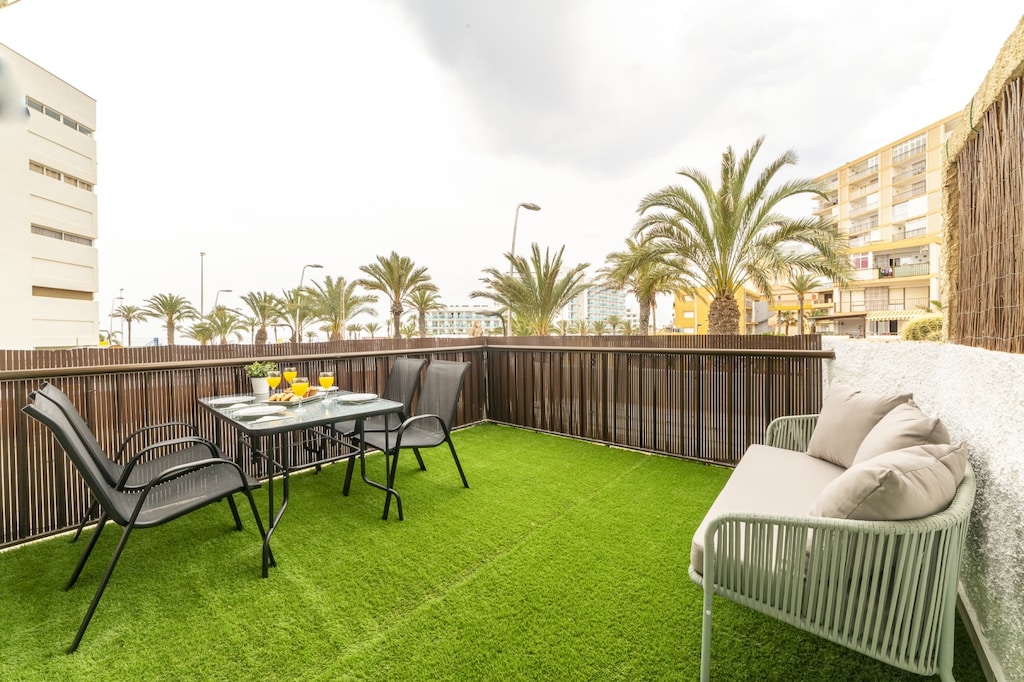
Explore 40 vacation rentals, homes, and villas in Almería for your next getaway or business trip. Experience the privacy of a home with premium amenities such as Air Condition Homes, Family-Friendly Homes and Pet-Friendly Homes, designed for a more comfortable and convenient stay. Every home is curated and professionally managed, with 24/7 local support, high-speed Wi-Fi, and premium linens included. With homes starting as low as $53 per night and featuring up to 4 bedrooms and 3 bathrooms, there's an option for every trip, from family vacations and group getaways to extended stays. However you're looking to experience your stay, Homes & Villas by Marriott has your next vacation home waiting. Marriott Bonvoy members can also earn and redeem points on every booking.
40 Vacation Rentals in Almería






Vacation Rentals in Almería by Amenities & Features
Get to Know Almería
Almería OverviewAlmería, located in Spain's southeastern corner, is a captivating destination that offers a unique blend of natural beauty, historical significance, and cultural richness. This sun-soaked city is a treasure trove for travelers seeking a mix of beach relaxation, outdoor adventure, and a glimpse into Andalusia's Moorish past.
The Alcazaba of Almería, an imposing fortress that looms over the city, is a testament to the region's Moorish heritage. Visitors can explore the well-preserved complex, which offers panoramic views of the city and the Mediterranean Sea. The fortress is a reminder of the city's strategic importance throughout history and provides a fascinating insight into the architectural prowess of the Moors.
Almería's coastline, part of the Costa de Almería, is renowned for its stunning beaches and secluded coves. The Cabo de Gata-Níjar Natural Park, a UNESCO Biosphere Reserve, is a highlight for nature enthusiasts. Its arid landscapes, volcanic rock formations, and crystal-clear waters make it an ideal spot for hiking, snorkeling, and bird-watching. The park's untouched beaches, such as Playa de los Genoveses and Playa de Mónsul, are perfect for those seeking tranquility away from the crowds.
The city's tapas culture is another draw for visitors. Almería's bars and restaurants serve an array of delicious small plates, often complimentary with a drink, allowing travelers to sample a variety of local flavors. From fresh seafood to traditional Andalusian dishes, the culinary experience in Almería is both authentic and satisfying.
For film buffs, Almería offers a unique attraction: the Tabernas Desert. Known as Europe's only desert, it has been the backdrop for numerous famous 'Spaghetti Westerns'. The desert's surreal landscapes can be explored on foot, by bike, or even on a horseback tour, providing a taste of the Wild West in southern Spain.
Cultural festivals also enliven the city throughout the year, with the Almería International Film Festival and the Holy Week processions being particularly noteworthy. These events showcase the city's vibrant cultural scene and deep-rooted traditions.
In essence, Almería is a destination that promises sun-drenched beaches, historical wonders, natural escapes, and a rich tapestry of cultural experiences. It's a place where the legacy of the past and the allure of the present come together to create a travel experience that is both diverse and enchanting.
Almería, located in Spain's southeastern corner, is a captivating destination that offers a unique blend of natural beauty, historical significance, and cultural richness. This sun-soaked city is a treasure trove for travelers seeking a mix of beach relaxation, outdoor adventure, and a glimpse into Andalusia's Moorish past. The Alcazaba of Almería, an imposing fortress that looms over the city, is a testament to the region's Moorish heritage. Visitors can explore the well-preserved complex, which offers panoramic views of the city and the Mediterranean Sea. The fortress is a reminder of the city's strategic importance throughout history and provides a fascinating insight into the architectural prowess of the Moors. Almería's coastline, part of the Costa de Almería, is renowned for its stunning beaches and secluded coves. The Cabo de Gata-Níjar Natural Park, a UNESCO Biosphere Reserve, is a highlight for nature enthusiasts. Its arid landscapes, volcanic rock formations, and crystal-clear waters make it an ideal spot for hiking, snorkeling, and bird-watching. The park's untouched beaches, such as Playa de los Genoveses and Playa de Mónsul, are perfect for those seeking tranquility away from the crowds. The city's tapas culture is another draw for visitors. Almería's bars and restaurants serve an array of delicious small plates, often complimentary with a drink, allowing travelers to sample a variety of local flavors. From fresh seafood to traditional Andalusian dishes, the culinary experience in Almería is both authentic and satisfying. For film buffs, Almería offers a unique attraction: the Tabernas Desert. Known as Europe's only desert, it has been the backdrop for numerous famous 'Spaghetti Westerns'. The desert's surreal landscapes can be explored on foot, by bike, or even on a horseback tour, providing a taste of the Wild West in southern Spain. Cultural festivals also enliven the city throughout the year, with the Almería International Film Festival and the Holy Week processions being particularly noteworthy. These events showcase the city's vibrant cultural scene and deep-rooted traditions. In essence, Almería is a destination that promises sun-drenched beaches, historical wonders, natural escapes, and a rich tapestry of cultural experiences. It's a place where the legacy of the past and the allure of the present come together to create a travel experience that is both diverse and enchanting.
Weather in AlmeríaAlmería, located in the southeastern corner of Spain, is blessed with a warm and arid climate, making it one of the driest regions in Europe. The city enjoys a subtropical Mediterranean climate, which means mild winters and hot summers, with a significant amount of sunshine year-round.
Winter, from December to February, is mild with average temperatures ranging from 8°C to 17°C. Rainfall is scarce during these months, and it's not uncommon to experience many sunny days, making it a pleasant time for visitors looking to escape colder climates.
Spring, from March to May, sees temperatures gradually increase, with averages ranging from 11°C to 22°C. This season is characterized by longer days and an increase in sunshine, while still maintaining low humidity levels. Precipitation remains low, making it an ideal time to explore the natural and historical sites of Almería without the intense heat of summer.
Summer, from June to August, is the hottest time of the year, with temperatures often soaring above 30°C. The peak can reach up to 35°C in July and August. Despite the heat, the low humidity levels make it more bearable, and the coastal breeze can provide a refreshing respite. This is the perfect time for beach-goers to bask in the sun on the beautiful Costa de Almería.
Autumn, from September to November, offers a reprieve from the summer heat with temperatures ranging from 18°C to 27°C. The weather remains mostly dry, with occasional rainfall increasing slightly in November. The warm sea temperatures extend the beach season well into autumn, making it a great time for those looking to enjoy the coast with fewer crowds.
The most popular weather conditions in Almería are prevalent from late spring to early autumn, when the temperatures are warm but not excessively hot, and the likelihood of rain is low. The climate is especially pleasant in May and June, as well as in September, when the summer heat subsides but the days remain sunny and warm.
For travelers seeking sunshine and warm weather, Almería is a fantastic year-round destination. However, the best time to visit for those looking to enjoy outdoor activities without the intense heat would be late spring or early autumn.
Almería, located in the southeastern corner of Spain, is blessed with a warm and arid climate, making it one of the driest regions in Europe. The city enjoys a subtropical Mediterranean climate, which means mild winters and hot summers, with a significant amount of sunshine year-round. Winter, from December to February, is mild with average temperatures ranging from 8°C to 17°C. Rainfall is scarce during these months, and it's not uncommon to experience many sunny days, making it a pleasant time for visitors looking to escape colder climates. Spring, from March to May, sees temperatures gradually increase, with averages ranging from 11°C to 22°C. This season is characterized by longer days and an increase in sunshine, while still maintaining low humidity levels. Precipitation remains low, making it an ideal time to explore the natural and historical sites of Almería without the intense heat of summer. Summer, from June to August, is the hottest time of the year, with temperatures often soaring above 30°C. The peak can reach up to 35°C in July and August. Despite the heat, the low humidity levels make it more bearable, and the coastal breeze can provide a refreshing respite. This is the perfect time for beach-goers to bask in the sun on the beautiful Costa de Almería. Autumn, from September to November, offers a reprieve from the summer heat with temperatures ranging from 18°C to 27°C. The weather remains mostly dry, with occasional rainfall increasing slightly in November. The warm sea temperatures extend the beach season well into autumn, making it a great time for those looking to enjoy the coast with fewer crowds. The most popular weather conditions in Almería are prevalent from late spring to early autumn, when the temperatures are warm but not excessively hot, and the likelihood of rain is low. The climate is especially pleasant in May and June, as well as in September, when the summer heat subsides but the days remain sunny and warm. For travelers seeking sunshine and warm weather, Almería is a fantastic year-round destination. However, the best time to visit for those looking to enjoy outdoor activities without the intense heat would be late spring or early autumn.
Cultural Attractions in AlmeríaAlmería, Spain, is a captivating destination that offers a rich tapestry of cultural experiences for those who revel in the arts, history, and local customs. This Andalusian city, with its diverse influences from the Moors, Christians, and Romans, is a haven for cultural enthusiasts.
Begin your exploration at the Alcazaba of Almería, an imposing Moorish fortress that dominates the city skyline. This historic citadel offers panoramic views and a deep dive into the Islamic history of the region. The complex includes beautiful gardens, a museum, and remnants of a Christian castle, providing a multifaceted historical experience.
Art aficionados will find joy in the Centro Andaluz de la Fotografía, where photography is celebrated through compelling exhibitions and workshops. The Museo de Almería, meanwhile, is a treasure trove of archaeological finds, showcasing the region's rich heritage from prehistoric times to the Moorish era.
For those who appreciate live music, Almería does not disappoint. The city's vibrant music scene comes alive at venues such as the modern Auditorio Maestro Padilla, which hosts a variety of performances from classical concerts to contemporary bands. The annual Almería International Film Festival brings a cinematic flair to the city, with screenings, workshops, and events that celebrate the art of filmmaking.
Local customs and traditions can be experienced firsthand during the city's many festivals. The Feria de Almería, held in August, is a week-long celebration with flamenco performances, bullfights, and parades. It's an excellent opportunity to immerse yourself in the local culture and sample traditional Andalusian cuisine.
Art galleries in Almería, such as the Galería de Arte Alfareros, exhibit works by local and national artists, offering a glimpse into the contemporary art scene. The city's streets themselves are a canvas, with striking murals and street art that reflect its creative spirit.
Almería's cultural offerings extend to its unique architectural landscape, with the Cathedral of Almería standing as a testament to the city's Renaissance and Gothic influences. The Cable Inglés, an old iron ore loading dock, is an example of industrial heritage turned into a symbol of the city's past.
In Almería, every step is a journey through time, every performance a celebration of artistic expression, and every local custom a chance to connect with the heart of Andalusian culture. It's a destination that not only entertains but also educates and inspires, making it a perfect choice for those who seek a deep cultural immersion.
Almería, Spain, is a captivating destination that offers a rich tapestry of cultural experiences for those who revel in the arts, history, and local customs. This Andalusian city, with its diverse influences from the Moors, Christians, and Romans, is a haven for cultural enthusiasts. Begin your exploration at the Alcazaba of Almería, an imposing Moorish fortress that dominates the city skyline. This historic citadel offers panoramic views and a deep dive into the Islamic history of the region. The complex includes beautiful gardens, a museum, and remnants of a Christian castle, providing a multifaceted historical experience. Art aficionados will find joy in the Centro Andaluz de la Fotografía, where photography is celebrated through compelling exhibitions and workshops. The Museo de Almería, meanwhile, is a treasure trove of archaeological finds, showcasing the region's rich heritage from prehistoric times to the Moorish era. For those who appreciate live music, Almería does not disappoint. The city's vibrant music scene comes alive at venues such as the modern Auditorio Maestro Padilla, which hosts a variety of performances from classical concerts to contemporary bands. The annual Almería International Film Festival brings a cinematic flair to the city, with screenings, workshops, and events that celebrate the art of filmmaking. Local customs and traditions can be experienced firsthand during the city's many festivals. The Feria de Almería, held in August, is a week-long celebration with flamenco performances, bullfights, and parades. It's an excellent opportunity to immerse yourself in the local culture and sample traditional Andalusian cuisine. Art galleries in Almería, such as the Galería de Arte Alfareros, exhibit works by local and national artists, offering a glimpse into the contemporary art scene. The city's streets themselves are a canvas, with striking murals and street art that reflect its creative spirit. Almería's cultural offerings extend to its unique architectural landscape, with the Cathedral of Almería standing as a testament to the city's Renaissance and Gothic influences. The Cable Inglés, an old iron ore loading dock, is an example of industrial heritage turned into a symbol of the city's past. In Almería, every step is a journey through time, every performance a celebration of artistic expression, and every local custom a chance to connect with the heart of Andalusian culture. It's a destination that not only entertains but also educates and inspires, making it a perfect choice for those who seek a deep cultural immersion.
Family friendly activities in AlmeríaAlmería, located in the southeastern corner of Spain, is a delightful destination for families traveling with children. With its sunny climate, stunning beaches, and a variety of attractions, it offers a perfect blend of relaxation and adventure for visitors of all ages.
Begin your family adventure at the Oasys MiniHollywood, a theme park set in the Tabernas Desert where many famous Western films were shot. Children will be thrilled to watch live cowboy shows, visit the zoo with its variety of animals, and splash around in the swimming pools designed to look like a Western town.
For a day at the beach, head to Playa de los Genoveses or Playa de Monsul, both located in the beautiful Cabo de Gata-Níjar Natural Park. These beaches are known for their clear waters and family-friendly atmosphere. The park itself is a UNESCO Biosphere Reserve and offers numerous hiking trails that are great for exploring with kids, showcasing the region's unique volcanic rock formations and diverse wildlife.
The Aquarium of Almería is another fantastic spot for families. It's the largest aquarium in Andalusia and provides an educational and entertaining experience. Children can learn about marine life in the Mediterranean Sea and even interact with some of the creatures in the touch pools.
For a cultural experience, take a stroll through the Alcazaba of Almería, an impressive Moorish fortress that overlooks the city. While the climb might be a bit challenging for little legs, the panoramic views from the top are well worth it. The fortress also often hosts family-friendly events and activities that can engage children in the rich history of the region.
If your children are interested in science and nature, the Almería Observatory offers a chance to gaze at the stars. The clear skies of the region make it an ideal place for stargazing, and the observatory often has programs tailored to young astronomers.
Lastly, for a leisurely day, visit the Parque Nicolás Salmerón, a central park in Almería city where children can play in the playgrounds, ride bikes, or simply enjoy a picnic with the family.
Almería's combination of historical sites, natural beauty, and child-centric attractions make it an excellent choice for families seeking a holiday that caters to both fun and learning.
Almería, located in the southeastern corner of Spain, is a delightful destination for families traveling with children. With its sunny climate, stunning beaches, and a variety of attractions, it offers a perfect blend of relaxation and adventure for visitors of all ages. Begin your family adventure at the Oasys MiniHollywood, a theme park set in the Tabernas Desert where many famous Western films were shot. Children will be thrilled to watch live cowboy shows, visit the zoo with its variety of animals, and splash around in the swimming pools designed to look like a Western town. For a day at the beach, head to Playa de los Genoveses or Playa de Monsul, both located in the beautiful Cabo de Gata-Níjar Natural Park. These beaches are known for their clear waters and family-friendly atmosphere. The park itself is a UNESCO Biosphere Reserve and offers numerous hiking trails that are great for exploring with kids, showcasing the region's unique volcanic rock formations and diverse wildlife. The Aquarium of Almería is another fantastic spot for families. It's the largest aquarium in Andalusia and provides an educational and entertaining experience. Children can learn about marine life in the Mediterranean Sea and even interact with some of the creatures in the touch pools. For a cultural experience, take a stroll through the Alcazaba of Almería, an impressive Moorish fortress that overlooks the city. While the climb might be a bit challenging for little legs, the panoramic views from the top are well worth it. The fortress also often hosts family-friendly events and activities that can engage children in the rich history of the region. If your children are interested in science and nature, the Almería Observatory offers a chance to gaze at the stars. The clear skies of the region make it an ideal place for stargazing, and the observatory often has programs tailored to young astronomers. Lastly, for a leisurely day, visit the Parque Nicolás Salmerón, a central park in Almería city where children can play in the playgrounds, ride bikes, or simply enjoy a picnic with the family. Almería's combination of historical sites, natural beauty, and child-centric attractions make it an excellent choice for families seeking a holiday that caters to both fun and learning.
Outdoor activities in AlmeríaAlmería, Spain, is a destination that captivates outdoor enthusiasts with its stunning natural landscapes and diverse range of activities. Nestled in the southeast of the Iberian Peninsula, this region offers a unique blend of arid desert, pristine beaches, and rugged mountains, making it an ideal playground for nature lovers.
The crown jewel of Almería's natural wonders is the Cabo de Gata-Níjar Natural Park, Spain's first marine-terrestrial park. This UNESCO Biosphere Reserve is renowned for its volcanic rock formations, crystal-clear waters, and rich biodiversity. Hiking along the park's trails, visitors can explore hidden coves, dramatic cliffs, and some of the most untouched beaches in Spain, such as Playa de los Genoveses and Playa de Mónsul. Snorkeling and diving in the marine reserve reveal an underwater world teeming with life, including vast meadows of seagrass and a variety of fish species.
For those seeking a desert experience, the Tabernas Desert offers a landscape so akin to the American Wild West that it has been the filming location for numerous spaghetti westerns. Here, adventurers can embark on guided tours, horseback riding excursions, or even quad biking adventures through the arid, yet strangely beautiful, badlands.
The Sierra Nevada National Park, although a bit further afield, is within reach for a day trip and presents a stark contrast to the desert with its snow-capped peaks and lush valleys. It's a paradise for hikers, with numerous trails leading to scenic viewpoints and through diverse ecosystems. In the winter months, the park transforms into a popular skiing and snowboarding destination at the Solynieve ski resort.
For a more leisurely outdoor activity, the Alcazaba of Almería, an imposing Moorish fortress, offers not only a historical journey but also panoramic views of the city and the Mediterranean Sea. The fortress is surrounded by formal gardens and the remnants of an ancient Muslim medina, providing a serene setting for a stroll.
Birdwatchers will find the wetlands of the Cabo de Gata a haven for avian species, particularly at the Las Salinas salt flats, where flamingos can often be spotted. The region's clear skies also make it an excellent spot for stargazing, with several observatories offering guided night sky tours.
Almería's natural wonders are complemented by its warm climate, making it a year-round destination for those looking to connect with nature and enjoy the great outdoors. Whether it's hiking through volcanic landscapes, lounging on secluded beaches, or exploring the depths of the Mediterranean, Almería offers an unforgettable experience for every outdoor enthusiast.
Almería, Spain, is a destination that captivates outdoor enthusiasts with its stunning natural landscapes and diverse range of activities. Nestled in the southeast of the Iberian Peninsula, this region offers a unique blend of arid desert, pristine beaches, and rugged mountains, making it an ideal playground for nature lovers. The crown jewel of Almería's natural wonders is the Cabo de Gata-Níjar Natural Park, Spain's first marine-terrestrial park. This UNESCO Biosphere Reserve is renowned for its volcanic rock formations, crystal-clear waters, and rich biodiversity. Hiking along the park's trails, visitors can explore hidden coves, dramatic cliffs, and some of the most untouched beaches in Spain, such as Playa de los Genoveses and Playa de Mónsul. Snorkeling and diving in the marine reserve reveal an underwater world teeming with life, including vast meadows of seagrass and a variety of fish species. For those seeking a desert experience, the Tabernas Desert offers a landscape so akin to the American Wild West that it has been the filming location for numerous spaghetti westerns. Here, adventurers can embark on guided tours, horseback riding excursions, or even quad biking adventures through the arid, yet strangely beautiful, badlands. The Sierra Nevada National Park, although a bit further afield, is within reach for a day trip and presents a stark contrast to the desert with its snow-capped peaks and lush valleys. It's a paradise for hikers, with numerous trails leading to scenic viewpoints and through diverse ecosystems. In the winter months, the park transforms into a popular skiing and snowboarding destination at the Solynieve ski resort. For a more leisurely outdoor activity, the Alcazaba of Almería, an imposing Moorish fortress, offers not only a historical journey but also panoramic views of the city and the Mediterranean Sea. The fortress is surrounded by formal gardens and the remnants of an ancient Muslim medina, providing a serene setting for a stroll. Birdwatchers will find the wetlands of the Cabo de Gata a haven for avian species, particularly at the Las Salinas salt flats, where flamingos can often be spotted. The region's clear skies also make it an excellent spot for stargazing, with several observatories offering guided night sky tours. Almería's natural wonders are complemented by its warm climate, making it a year-round destination for those looking to connect with nature and enjoy the great outdoors. Whether it's hiking through volcanic landscapes, lounging on secluded beaches, or exploring the depths of the Mediterranean, Almería offers an unforgettable experience for every outdoor enthusiast.
Transportation in AlmeríaAlmería, a captivating city in Spain's southeastern corner, is a gem that offers a blend of historical intrigue, natural beauty, and modern amenities. Travelers can reach Almería by various means, with the most common being by air, road, or sea.
The Almería Airport (Aeropuerto de Almería) is the main gateway for air travelers, offering domestic flights from major Spanish cities and some international connections. Upon landing, visitors can take a taxi, rent a car, or use the bus service to reach the city center, which is approximately 9 kilometers away.
For those who prefer to travel by sea, the Port of Almería accommodates ferries from destinations such as Melilla, Nador, and Ghazaouet, providing a scenic arrival. Road travelers can access Almería via the A-7 Mediterranean Motorway, which runs along the coast, or the A-92 that connects to Granada and Seville.
Once in Almería, getting around is quite convenient. The city's public bus system, Surbus, operates routes that cover the urban area and extend to surrounding districts. Taxis are readily available and can be hailed on the street or found at taxi stands. For those who enjoy cycling, Almería offers a bike-sharing program, 'Bicielx,' allowing for an eco-friendly way to explore the city.
Almería is also known for its walkability, especially in the historic center where narrow streets and pedestrian zones abound. Visitors can easily stroll around landmarks such as the Alcazaba, a Moorish fortress, the Cathedral, and the old town's charming squares and tapas bars. The city's relatively compact size makes it ideal for exploring on foot, and walking is the best way to appreciate the blend of Moorish, Gothic, and Renaissance architecture.
For excursions outside the city, such as visiting the Cabo de Gata-Níjar Natural Park with its stunning beaches and rugged landscapes, renting a car is advisable. This allows for greater flexibility and the opportunity to discover the picturesque villages and secluded coves that dot the coastline.
In summary, Almería offers a range of transportation options that cater to different preferences and needs. Whether arriving by air, sea, or road, and whether getting around by bus, bike, taxi, or on foot, visitors will find Almería accessible and welcoming, with each mode of transport providing a unique perspective on this enchanting Spanish city.
Almería, a captivating city in Spain's southeastern corner, is a gem that offers a blend of historical intrigue, natural beauty, and modern amenities. Travelers can reach Almería by various means, with the most common being by air, road, or sea. The Almería Airport (Aeropuerto de Almería) is the main gateway for air travelers, offering domestic flights from major Spanish cities and some international connections. Upon landing, visitors can take a taxi, rent a car, or use the bus service to reach the city center, which is approximately 9 kilometers away. For those who prefer to travel by sea, the Port of Almería accommodates ferries from destinations such as Melilla, Nador, and Ghazaouet, providing a scenic arrival. Road travelers can access Almería via the A-7 Mediterranean Motorway, which runs along the coast, or the A-92 that connects to Granada and Seville. Once in Almería, getting around is quite convenient. The city's public bus system, Surbus, operates routes that cover the urban area and extend to surrounding districts. Taxis are readily available and can be hailed on the street or found at taxi stands. For those who enjoy cycling, Almería offers a bike-sharing program, 'Bicielx,' allowing for an eco-friendly way to explore the city. Almería is also known for its walkability, especially in the historic center where narrow streets and pedestrian zones abound. Visitors can easily stroll around landmarks such as the Alcazaba, a Moorish fortress, the Cathedral, and the old town's charming squares and tapas bars. The city's relatively compact size makes it ideal for exploring on foot, and walking is the best way to appreciate the blend of Moorish, Gothic, and Renaissance architecture. For excursions outside the city, such as visiting the Cabo de Gata-Níjar Natural Park with its stunning beaches and rugged landscapes, renting a car is advisable. This allows for greater flexibility and the opportunity to discover the picturesque villages and secluded coves that dot the coastline. In summary, Almería offers a range of transportation options that cater to different preferences and needs. Whether arriving by air, sea, or road, and whether getting around by bus, bike, taxi, or on foot, visitors will find Almería accessible and welcoming, with each mode of transport providing a unique perspective on this enchanting Spanish city.
Almería FAQs
What is there to do in Almería?Almería offers a variety of activities for travelers. You can explore the Alcazaba, a medieval fortress that overlooks the city, or visit the Cathedral of Almería for its unique blend of Gothic and Renaissance architecture. The Cabo de Gata-Níjar Natural Park is perfect for hiking, bird watching, and enjoying unspoiled beaches. Film enthusiasts may enjoy a tour of the Tabernas Desert, known as 'Europe's Hollywood,' where many famous Westerns were filmed. For a relaxing day, you can stroll along the Rambla de Belén or enjoy the local tapas bars and seafood restaurants.
Almería offers a variety of activities for travelers. You can explore the Alcazaba, a medieval fortress that overlooks the city, or visit the Cathedral of Almería for its unique blend of Gothic and Renaissance architecture. The Cabo de Gata-Níjar Natural Park is perfect for hiking, bird watching, and enjoying unspoiled beaches. Film enthusiasts may enjoy a tour of the Tabernas Desert, known as 'Europe's Hollywood,' where many famous Westerns were filmed. For a relaxing day, you can stroll along the Rambla de Belén or enjoy the local tapas bars and seafood restaurants.
What is the best time of year to visit Almería?The best time to visit Almería is from late spring to early autumn, particularly between May and October, when the weather is warm and sunny, making it ideal for beach activities and outdoor exploration. July and August can be quite hot, so if you prefer milder temperatures, consider visiting in May, June, September, or October.
The best time to visit Almería is from late spring to early autumn, particularly between May and October, when the weather is warm and sunny, making it ideal for beach activities and outdoor exploration. July and August can be quite hot, so if you prefer milder temperatures, consider visiting in May, June, September, or October.
Are there any cultural events or festivals in Almería?Yes, Almería hosts several cultural events and festivals throughout the year. The Almería Fair in August is a week-long celebration with parades, music, dancing, and bullfighting. The International Film Festival of Almería, usually held in November, showcases a variety of films and attracts cinema enthusiasts. Additionally, the Holy Week (Semana Santa) processions are a deeply rooted tradition with elaborate parades and religious fervor.
Yes, Almería hosts several cultural events and festivals throughout the year. The Almería Fair in August is a week-long celebration with parades, music, dancing, and bullfighting. The International Film Festival of Almería, usually held in November, showcases a variety of films and attracts cinema enthusiasts. Additionally, the Holy Week (Semana Santa) processions are a deeply rooted tradition with elaborate parades and religious fervor.
What are the local culinary specialties in Almería?Almería is known for its rich culinary traditions, which include dishes such as 'gazpacho almeriense' (a cold tomato soup), 'ajo colorao' (a potato and fish stew), and 'caldo de pescado' (fish soup). Seafood is a staple, with fresh catches like red shrimp and octopus. For dessert, try 'papaviejos' (sweet pumpkin fritters) or 'milhojas de merengue' (meringue layer cake).
Almería is known for its rich culinary traditions, which include dishes such as 'gazpacho almeriense' (a cold tomato soup), 'ajo colorao' (a potato and fish stew), and 'caldo de pescado' (fish soup). Seafood is a staple, with fresh catches like red shrimp and octopus. For dessert, try 'papaviejos' (sweet pumpkin fritters) or 'milhojas de merengue' (meringue layer cake).
Can you recommend any day trips from Almería?Certainly! The picturesque town of Mojácar, with its white-washed buildings and stunning views, is a popular day trip. The ancient town of Níjar offers traditional crafts and ceramics. For nature lovers, a trip to the Sierra Nevada National Park or the aforementioned Cabo de Gata-Níjar Natural Park provides opportunities for hiking and enjoying the natural landscapes. The historic city of Granada, with the famous Alhambra palace, is also accessible for a longer day trip.
Certainly! The picturesque town of Mojácar, with its white-washed buildings and stunning views, is a popular day trip. The ancient town of Níjar offers traditional crafts and ceramics. For nature lovers, a trip to the Sierra Nevada National Park or the aforementioned Cabo de Gata-Níjar Natural Park provides opportunities for hiking and enjoying the natural landscapes. The historic city of Granada, with the famous Alhambra palace, is also accessible for a longer day trip.
What are the transportation options within Almería?Within Almería, the main modes of transportation are buses and taxis. The city is also walkable, especially the historic center. For exploring the surrounding areas, renting a car is the most convenient option, providing flexibility to visit the natural parks and nearby towns. There is also a train station with connections to major Spanish cities and a port that offers ferry services to destinations across the Mediterranean.
Within Almería, the main modes of transportation are buses and taxis. The city is also walkable, especially the historic center. For exploring the surrounding areas, renting a car is the most convenient option, providing flexibility to visit the natural parks and nearby towns. There is also a train station with connections to major Spanish cities and a port that offers ferry services to destinations across the Mediterranean.
More space, more privacy, more points with every home rental.
What makes Homes & Villas by Marriott Bonvoy a unique home rental experience? Unlike other home rental sites like AirBNB, when you book a vacation rental with Homes & Villas by Marriott Bonvoy you always have the whole place to yourself. Plus, as a member of Marriott Bonvoy, you can earn points towards free nights with every stay.