Provence, France Vacation Rentals
Explore 789 vacation rentals, homes, and villas in Provence for your next getaway or business trip. Experience the privacy of a home with premium amenities such as Air Condition Homes, Family-Friendly Homes and Homes with Pools, designed for a more comfortable and convenient stay. Every home is curated and professionally managed, with 24/7 local support, high-speed Wi-Fi, and premium linens included. With homes starting as low as $35 per night and featuring up to 15 bedrooms and 16 bathrooms, there's an option for every trip, from family vacations and group getaways to extended stays. However you're looking to experience your stay, Homes & Villas by Marriott has your next vacation home waiting. Marriott Bonvoy members can also earn and redeem points on every booking.
789 Vacation Rentals in Provence


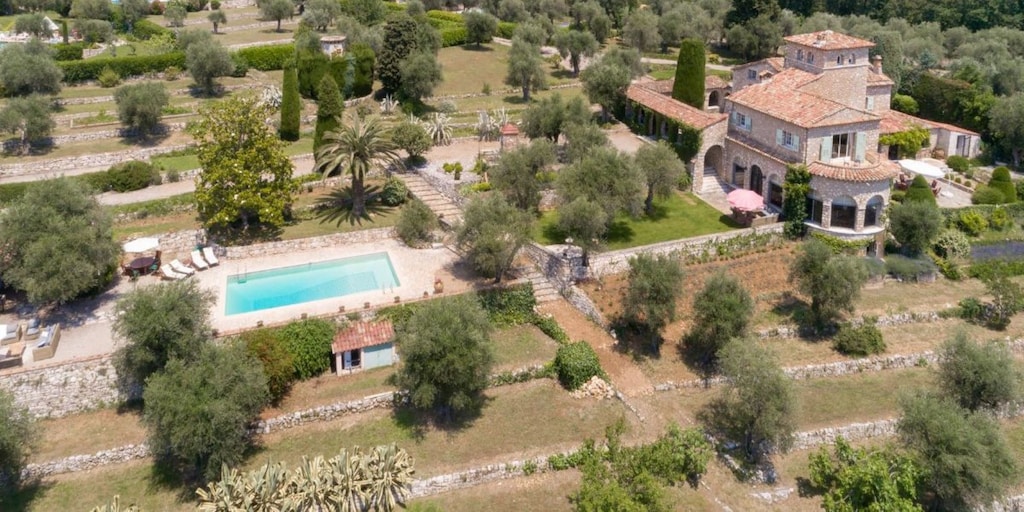
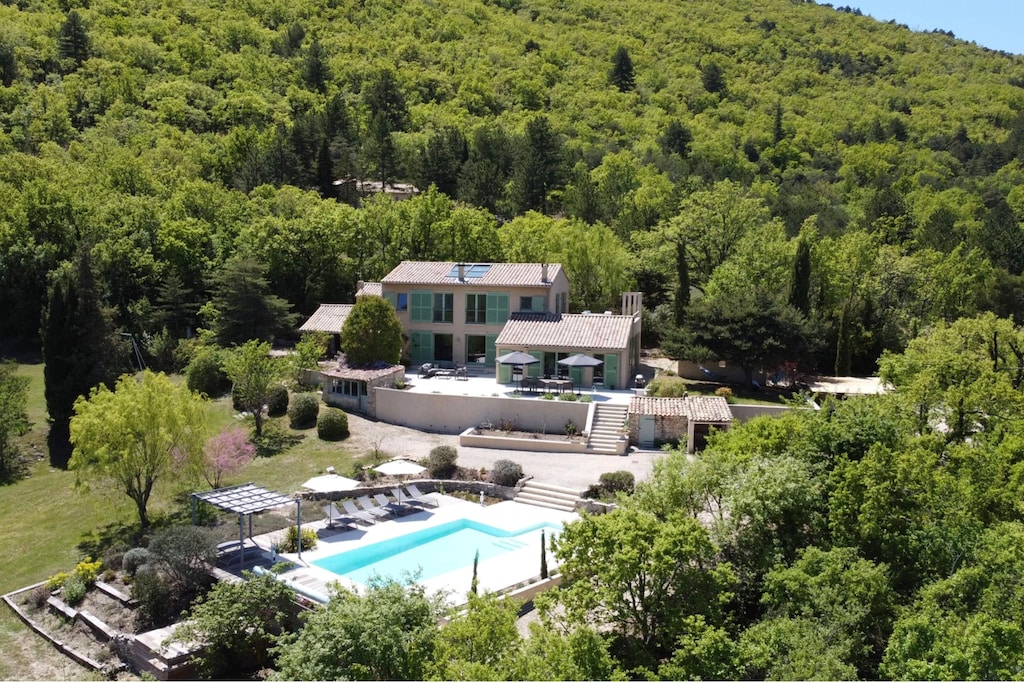


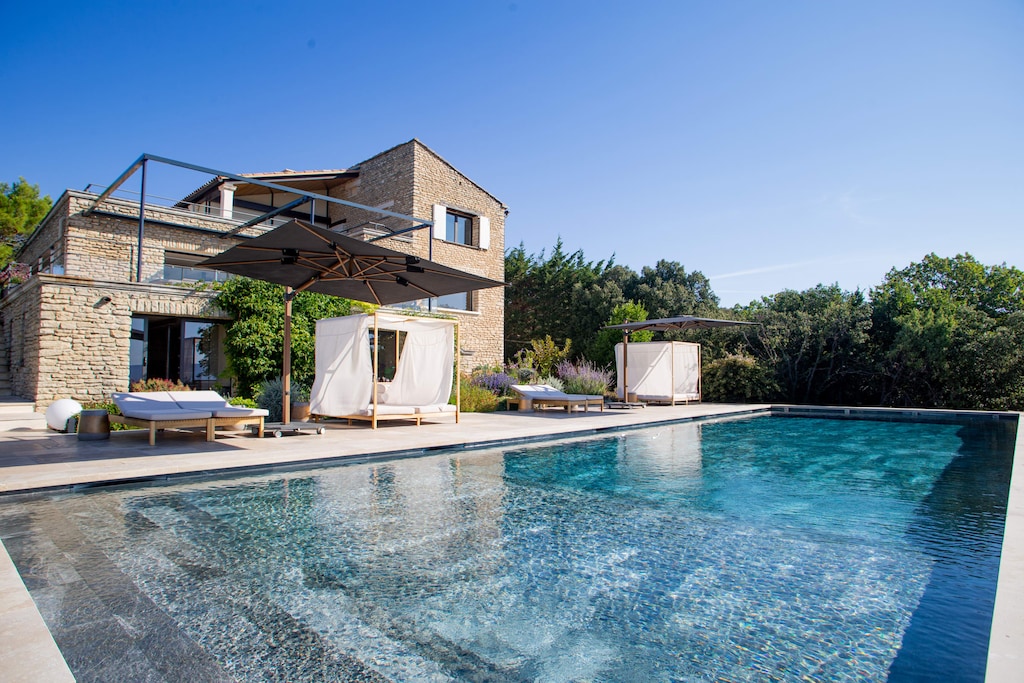


Vacation Rentals in Provence by Amenities & Features
Get to Know Provence
Provence OverviewProvence, France is a region that enchants visitors with its diverse landscapes, rich history, and world-renowned cuisine. It's a place where the sun-kissed countryside converges with quaint towns and lively cities.
The region's natural beauty is varied and appealing. From the pleasant lavender fields of Plateau de Valensole to the rugged cliffs of the Verdon Gorge, Provence provides an array of outdoor activities. Hiking, cycling, and horseback riding are popular ways to explore the countryside, while the Mediterranean coast offers excellent opportunities for sailing, swimming, and sunbathing.
Provence's history is as varied as its landscapes. The region was once a part of Roman Gaul, and remnants of this era can be seen in places like Arles with its Roman arena and Nîmes which boast significant historical sites. Medieval architecture abounds in hilltop villages like Gordes and Roussillon.
The cities of Provence are equally captivating. Aix-en-Provence, with its elegant boulevards and bustling markets; Avignon, home to the Palais des Papes; Marseille, France's oldest city with its vibrant Vieux Port - each city has its own unique charm. Other notable Provençal cities include Nice, Cannes or Saint-Tropez on the coast.
Cuisine in Provence is celebrated worldwide. Known for its use of fresh local produce, olive oil, garlic and herbs de Provence - dining here is a gastronomic delight. Specific regional dishes such as bouillabaisse or ratatouille add to this culinary experience. The region is also one of France's premier wine-producing areas with vineyards offering tours and tastings.
Art lovers will find much to admire in Provence as well. The region's unique light quality has inspired artists such as Van Gogh while native son Cézanne painted there often; their works can be viewed at various museums throughout the area.
In essence, Provence offers an enticing blend of diverse natural beauty, historical richness and culinary excellence making it an ideal destination for all types of travelers.
Provence, France is a region that enchants visitors with its diverse landscapes, rich history, and world-renowned cuisine. It's a place where the sun-kissed countryside converges with quaint towns and lively cities. The region's natural beauty is varied and appealing. From the pleasant lavender fields of Plateau de Valensole to the rugged cliffs of the Verdon Gorge, Provence provides an array of outdoor activities. Hiking, cycling, and horseback riding are popular ways to explore the countryside, while the Mediterranean coast offers excellent opportunities for sailing, swimming, and sunbathing. Provence's history is as varied as its landscapes. The region was once a part of Roman Gaul, and remnants of this era can be seen in places like Arles with its Roman arena and Nîmes which boast significant historical sites. Medieval architecture abounds in hilltop villages like Gordes and Roussillon. The cities of Provence are equally captivating. Aix-en-Provence, with its elegant boulevards and bustling markets; Avignon, home to the Palais des Papes; Marseille, France's oldest city with its vibrant Vieux Port - each city has its own unique charm. Other notable Provençal cities include Nice, Cannes or Saint-Tropez on the coast. Cuisine in Provence is celebrated worldwide. Known for its use of fresh local produce, olive oil, garlic and herbs de Provence - dining here is a gastronomic delight. Specific regional dishes such as bouillabaisse or ratatouille add to this culinary experience. The region is also one of France's premier wine-producing areas with vineyards offering tours and tastings. Art lovers will find much to admire in Provence as well. The region's unique light quality has inspired artists such as Van Gogh while native son Cézanne painted there often; their works can be viewed at various museums throughout the area. In essence, Provence offers an enticing blend of diverse natural beauty, historical richness and culinary excellence making it an ideal destination for all types of travelers.
Weather in ProvenceProvence, France is graced with a Mediterranean climate that features hot, dry summers and mild, damp winters. The region is bathed in sunlight for over 2,800 hours annually.
The summer season from June to August is typically the hottest with average high temperatures peaking in the upper 80s to low 90s Fahrenheit. These months also have the least rainfall, making it a perfect time for outdoor activities like hiking and wine tasting.
The winter season from December to February is milder compared to other parts of France. Average high temperatures hover around the 50s Fahrenheit and lows can drop into the upper 30s. Rainfall increases during this period but snowfall is rare.
Spring and fall are transitional seasons in Provence with temperatures fluctuating between the mid-60s to mid-70s Fahrenheit. These seasons experience moderate rainfall and showcase stunning scenery - spring boasts blooming lavender fields while fall reveals changing vineyard colors.
The most favored time to visit Provence is during the summer months when the weather is at its warmest and driest. However, spring and fall also provide agreeable weather conditions along with less crowded tourist spots. For those seeking a particularly pleasant climate without extreme temperatures, late spring or early fall visits are recommended as conditions are generally mild and comfortable during these periods.
Provence, France is graced with a Mediterranean climate that features hot, dry summers and mild, damp winters. The region is bathed in sunlight for over 2,800 hours annually. The summer season from June to August is typically the hottest with average high temperatures peaking in the upper 80s to low 90s Fahrenheit. These months also have the least rainfall, making it a perfect time for outdoor activities like hiking and wine tasting. The winter season from December to February is milder compared to other parts of France. Average high temperatures hover around the 50s Fahrenheit and lows can drop into the upper 30s. Rainfall increases during this period but snowfall is rare. Spring and fall are transitional seasons in Provence with temperatures fluctuating between the mid-60s to mid-70s Fahrenheit. These seasons experience moderate rainfall and showcase stunning scenery - spring boasts blooming lavender fields while fall reveals changing vineyard colors. The most favored time to visit Provence is during the summer months when the weather is at its warmest and driest. However, spring and fall also provide agreeable weather conditions along with less crowded tourist spots. For those seeking a particularly pleasant climate without extreme temperatures, late spring or early fall visits are recommended as conditions are generally mild and comfortable during these periods.
Cultural Attractions in ProvenceProvence, France is indeed a haven for those passionate about culture. The region's vibrant arts scene and rich history make it a captivating destination. Artists such as Vincent van Gogh and Paul Cézanne found inspiration in the beauty of Provence, with places like Arles and Aix-en-Provence offering glimpses into their creative processes.
Historical landmarks such as the Roman amphitheater in Arles and the Palais des Papes in Avignon stand as testaments to Provence's past. Museums like the Musée de l'Arles et de la Provence antiques further delve into this history, providing visitors with intriguing insights.
Music is an integral part of life in Provence, with music festivals spanning various genres taking place throughout the year. The Festival d'Aix-en-Provence is a significant opera event in Europe, while Jazz à Juan attracts jazz enthusiasts from all corners of the globe.
The local customs of Provence are deeply ingrained in its culture. Traditional markets selling everything from fresh produce to local crafts are common sights across towns in the region. Bullfighting events held in Arles and Nîmes also form part of these traditions, attracting large audiences.
The culinary delights of Provencal cuisine are not to be missed either. From bouillabaisse fish stew to ratatouille vegetable dish, food lovers will relish exploring local flavors at restaurants and markets across Provence.
In summary, Provence offers a diverse range of cultural experiences that blend art, history, music, and local customs together beautifully. It is an ideal destination for those looking to immerse themselves fully in French culture.
Provence, France is indeed a haven for those passionate about culture. The region's vibrant arts scene and rich history make it a captivating destination. Artists such as Vincent van Gogh and Paul Cézanne found inspiration in the beauty of Provence, with places like Arles and Aix-en-Provence offering glimpses into their creative processes. Historical landmarks such as the Roman amphitheater in Arles and the Palais des Papes in Avignon stand as testaments to Provence's past. Museums like the Musée de l'Arles et de la Provence antiques further delve into this history, providing visitors with intriguing insights. Music is an integral part of life in Provence, with music festivals spanning various genres taking place throughout the year. The Festival d'Aix-en-Provence is a significant opera event in Europe, while Jazz à Juan attracts jazz enthusiasts from all corners of the globe. The local customs of Provence are deeply ingrained in its culture. Traditional markets selling everything from fresh produce to local crafts are common sights across towns in the region. Bullfighting events held in Arles and Nîmes also form part of these traditions, attracting large audiences. The culinary delights of Provencal cuisine are not to be missed either. From bouillabaisse fish stew to ratatouille vegetable dish, food lovers will relish exploring local flavors at restaurants and markets across Provence. In summary, Provence offers a diverse range of cultural experiences that blend art, history, music, and local customs together beautifully. It is an ideal destination for those looking to immerse themselves fully in French culture.
Family friendly activities in ProvenceProvence, France, is a destination that offers a rich blend of history, culture, and natural beauty. It provides a variety of activities that can be enjoyed by both adults and older children.
Begin your journey at the Haribo Candy Museum in Uzès. This place offers an opportunity for children to learn about the history of candy making and even participate in creating their own sweet treats. However, it's worth noting that according to the museum's website, there are no playground or picnic areas available.
The Zoo de la Barben is another must-visit spot with over 650 animals from all around the world. Children will be thrilled to see lions, giraffes, monkeys and more in this expansive park-like setting. There's also a petting zoo where kids can interact with farm animals.
For those interested in art and culture, the Musée Granet in Aix-en-Provence is an excellent choice. This art museum offers workshops where older children can learn about famous artists and create their own masterpieces.
The Camargue Natural Park is indeed a unique wetland area home to flamingos, wild horses and bulls. While families can take guided tours on foot or horseback, it should be noted that some areas require guided tours only which may limit independent exploration on bikes.
Exploring medieval villages like Gordes or Roussillon is another enriching experience Provence has to offer. These hilltop towns provide winding streets to explore and stunning views of the surrounding countryside.
Lastly, Côte Bleue Marine Park offers snorkeling or diving among colorful fish and coral reefs which might appeal more to adults. The park does not mention child-friendly glass bottom boat tours on its website so activities for young kids may be limited here.
In conclusion, while Provence does offer a range of activities that will captivate children's imaginations while providing them with enriching cultural experiences, it would be beneficial for families to check age restrictions and plan age-appropriate activities. Not all attractions may be suitable for very young children.
Provence, France, is a destination that offers a rich blend of history, culture, and natural beauty. It provides a variety of activities that can be enjoyed by both adults and older children. Begin your journey at the Haribo Candy Museum in Uzès. This place offers an opportunity for children to learn about the history of candy making and even participate in creating their own sweet treats. However, it's worth noting that according to the museum's website, there are no playground or picnic areas available. The Zoo de la Barben is another must-visit spot with over 650 animals from all around the world. Children will be thrilled to see lions, giraffes, monkeys and more in this expansive park-like setting. There's also a petting zoo where kids can interact with farm animals. For those interested in art and culture, the Musée Granet in Aix-en-Provence is an excellent choice. This art museum offers workshops where older children can learn about famous artists and create their own masterpieces. The Camargue Natural Park is indeed a unique wetland area home to flamingos, wild horses and bulls. While families can take guided tours on foot or horseback, it should be noted that some areas require guided tours only which may limit independent exploration on bikes. Exploring medieval villages like Gordes or Roussillon is another enriching experience Provence has to offer. These hilltop towns provide winding streets to explore and stunning views of the surrounding countryside. Lastly, Côte Bleue Marine Park offers snorkeling or diving among colorful fish and coral reefs which might appeal more to adults. The park does not mention child-friendly glass bottom boat tours on its website so activities for young kids may be limited here. In conclusion, while Provence does offer a range of activities that will captivate children's imaginations while providing them with enriching cultural experiences, it would be beneficial for families to check age restrictions and plan age-appropriate activities. Not all attractions may be suitable for very young children.
Outdoor activities in ProvenceProvence, France is indeed a haven for those who love nature and outdoor activities. The region is renowned for its picturesque landscapes, including the lavender fields of Plateau de Valensole and the imposing cliffs of the Verdon Gorge.
The Verdon Gorge, often likened to Europe's Grand Canyon, provides a plethora of outdoor pursuits such as hiking, rock climbing, and white-water rafting. The Verdon River's turquoise waters are ideal for kayaking or paddleboarding.
Bird-watchers and hiking enthusiasts should not miss out on the Camargue Natural Park. This expansive wetland area houses over 400 bird species including flamingos. It is also one of the few locations in France where wild horses and bulls can be observed.
Cycling enthusiasts will find Provence appealing with its numerous bike trails that meander through vineyards and olive groves. The region's relatively mild climate makes it a perfect destination for cycling all year round.
The Calanques National Park near Marseille presents awe-inspiring views of limestone cliffs descending into the crystal-clear waters of the Mediterranean Sea. The park has several well-marked trails for hiking and rock climbing. One can also explore the calanques by boat or kayak.
Beyond these natural attractions, Provence offers many other outdoor activities such as horseback riding in the Luberon mountains, sailing on the Mediterranean Sea, or simply wandering through charming villages like Gordes or Roussillon.
In conclusion, Provence provides a broad spectrum of outdoor activities set against some of France's most stunning natural landscapes. Whether you're an enthusiastic hiker or simply someone who relishes spending time in nature, this region has much to offer.
Provence, France is indeed a haven for those who love nature and outdoor activities. The region is renowned for its picturesque landscapes, including the lavender fields of Plateau de Valensole and the imposing cliffs of the Verdon Gorge. The Verdon Gorge, often likened to Europe's Grand Canyon, provides a plethora of outdoor pursuits such as hiking, rock climbing, and white-water rafting. The Verdon River's turquoise waters are ideal for kayaking or paddleboarding. Bird-watchers and hiking enthusiasts should not miss out on the Camargue Natural Park. This expansive wetland area houses over 400 bird species including flamingos. It is also one of the few locations in France where wild horses and bulls can be observed. Cycling enthusiasts will find Provence appealing with its numerous bike trails that meander through vineyards and olive groves. The region's relatively mild climate makes it a perfect destination for cycling all year round. The Calanques National Park near Marseille presents awe-inspiring views of limestone cliffs descending into the crystal-clear waters of the Mediterranean Sea. The park has several well-marked trails for hiking and rock climbing. One can also explore the calanques by boat or kayak. Beyond these natural attractions, Provence offers many other outdoor activities such as horseback riding in the Luberon mountains, sailing on the Mediterranean Sea, or simply wandering through charming villages like Gordes or Roussillon. In conclusion, Provence provides a broad spectrum of outdoor activities set against some of France's most stunning natural landscapes. Whether you're an enthusiastic hiker or simply someone who relishes spending time in nature, this region has much to offer.
Transportation in ProvenceVisitors to Provence, France can arrive via several airports, the most significant being Marseille Provence Airport. This airport provides a multitude of international and domestic flights, making it an ideal choice for many. Alternatively, the TGV high-speed train links Provence with numerous major cities across France and Europe.
Once in the region, there are various methods to discover its scenic beauty. A popular choice is car rental as it allows visitors to explore at their leisure and reach more secluded areas not easily accessed by public transport. However, regional trains and buses are also available that connect the main towns and cities in Provence.
Cycling is another favored mode of transportation in Provence due to its stunning landscapes and temperate climate. There are plenty of bike rental shops across the region offering both standard bikes and electric bikes.
Walkability varies depending on your location within Provence. Towns such as Aix-en-Provence or Avignon have compact city centers that are best navigated on foot. Here you will encounter narrow winding streets filled with shops, cafes, and historical sites all within walking distance from each other. However, if your itinerary includes exploring the broader region including its vineyards, lavender fields, and hilltop villages, some form of transportation will be required.
In summary, whether you're flying or taking a train; driving a car or riding a bus or bike; or strolling on foot; navigating through Provence is part of what makes it so appealing.
Visitors to Provence, France can arrive via several airports, the most significant being Marseille Provence Airport. This airport provides a multitude of international and domestic flights, making it an ideal choice for many. Alternatively, the TGV high-speed train links Provence with numerous major cities across France and Europe. Once in the region, there are various methods to discover its scenic beauty. A popular choice is car rental as it allows visitors to explore at their leisure and reach more secluded areas not easily accessed by public transport. However, regional trains and buses are also available that connect the main towns and cities in Provence. Cycling is another favored mode of transportation in Provence due to its stunning landscapes and temperate climate. There are plenty of bike rental shops across the region offering both standard bikes and electric bikes. Walkability varies depending on your location within Provence. Towns such as Aix-en-Provence or Avignon have compact city centers that are best navigated on foot. Here you will encounter narrow winding streets filled with shops, cafes, and historical sites all within walking distance from each other. However, if your itinerary includes exploring the broader region including its vineyards, lavender fields, and hilltop villages, some form of transportation will be required. In summary, whether you're flying or taking a train; driving a car or riding a bus or bike; or strolling on foot; navigating through Provence is part of what makes it so appealing.
Provence FAQs
What is there to do in Provence?Provence offers a variety of activities including exploring charming villages like Gordes and Roussillon, visiting historic sites such as the Palais des Papes in Avignon, enjoying the lavender fields in Valensole, wine tasting in the Côtes du Rhône region, hiking in the Calanques National Park, and experiencing the vibrant markets in Aix-en-Provence.
Provence offers a variety of activities including exploring charming villages like Gordes and Roussillon, visiting historic sites such as the Palais des Papes in Avignon, enjoying the lavender fields in Valensole, wine tasting in the Côtes du Rhône region, hiking in the Calanques National Park, and experiencing the vibrant markets in Aix-en-Provence.
When is the best time to visit Provence?The best time to visit Provence is from late spring to early fall (May to October) when the weather is warm and sunny. June is particularly beautiful with the lavender fields in full bloom, but July and August can be very hot and crowded.
The best time to visit Provence is from late spring to early fall (May to October) when the weather is warm and sunny. June is particularly beautiful with the lavender fields in full bloom, but July and August can be very hot and crowded.
What are the must-try foods in Provence?Provence is known for its cuisine that includes dishes like bouillabaisse (seafood stew), ratatouille (vegetable stew), tapenade (olive spread), and socca (chickpea pancake). Don't forget to try the local rosé wines and pastis, an anise-flavored spirit.
Provence is known for its cuisine that includes dishes like bouillabaisse (seafood stew), ratatouille (vegetable stew), tapenade (olive spread), and socca (chickpea pancake). Don't forget to try the local rosé wines and pastis, an anise-flavored spirit.
How do I get around in Provence?The best way to explore Provence is by car, which allows you to visit the small villages and countryside at your own pace. There are also regional trains and buses connecting major towns, but service to smaller villages may be limited.
The best way to explore Provence is by car, which allows you to visit the small villages and countryside at your own pace. There are also regional trains and buses connecting major towns, but service to smaller villages may be limited.
Can I visit the lavender fields, and when are they in bloom?Yes, you can visit the lavender fields in Provence. They are typically in bloom from mid-June to mid-July, with the peak season being early July. The Valensole Plateau is one of the most famous areas to see the lavender.
Yes, you can visit the lavender fields in Provence. They are typically in bloom from mid-June to mid-July, with the peak season being early July. The Valensole Plateau is one of the most famous areas to see the lavender.
Are there any UNESCO World Heritage sites in Provence?Yes, Provence is home to several UNESCO World Heritage sites, including the Historic Centre of Avignon, the Roman and Romanesque Monuments of Arles, and the Pont du Gard. These sites offer a glimpse into the region's rich history and cultural significance.
Yes, Provence is home to several UNESCO World Heritage sites, including the Historic Centre of Avignon, the Roman and Romanesque Monuments of Arles, and the Pont du Gard. These sites offer a glimpse into the region's rich history and cultural significance.
What kind of accommodations are available in Provence?Provence offers a wide range of accommodations, from luxury hotels and private villas to charming bed and breakfasts and countryside gîtes (rental houses). Many travelers also enjoy staying in historic châteaux or boutique hotels for a unique Provençal experience.
Provence offers a wide range of accommodations, from luxury hotels and private villas to charming bed and breakfasts and countryside gîtes (rental houses). Many travelers also enjoy staying in historic châteaux or boutique hotels for a unique Provençal experience.
More space, more privacy, more points with every home rental.
What makes Homes & Villas by Marriott Bonvoy a unique home rental experience? Unlike other home rental sites like AirBNB, when you book a vacation rental with Homes & Villas by Marriott Bonvoy you always have the whole place to yourself. Plus, as a member of Marriott Bonvoy, you can earn points towards free nights with every stay.