Seoul, South Korea Vacation Rentals
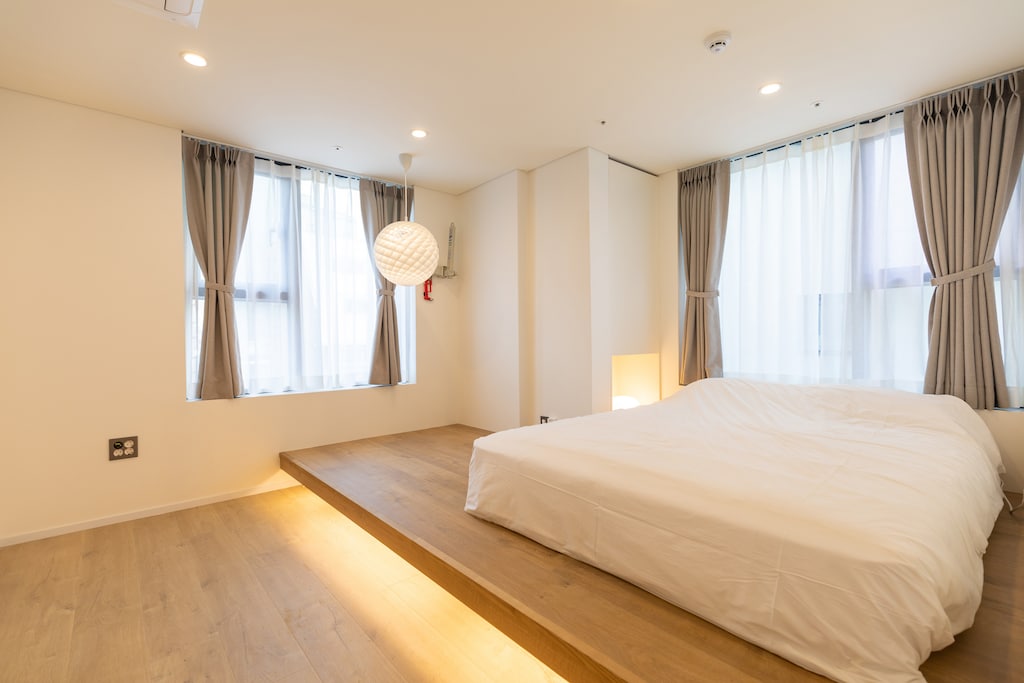
Explore 52 vacation rentals, homes, and villas in Seoul for your next getaway or business trip. Experience the privacy of a home with premium amenities such as Air Condition Homes, Best Affordable Homes and Great for Groups, designed for a more comfortable and convenient stay. Every home is curated and professionally managed, with 24/7 local support, high-speed Wi-Fi, and premium linens included. With homes starting as low as $155 per night and featuring up to 3 bedrooms and 3 bathrooms, there's an option for every trip, from family vacations and group getaways to extended stays. However you're looking to experience your stay, Homes & Villas by Marriott has your next vacation home waiting. Marriott Bonvoy members can also earn and redeem points on every booking.
52 Vacation Rentals in Seoul


Vacation Rentals in Seoul by Amenities & Features
Get to Know Seoul
Seoul OverviewSeoul, the capital city of South Korea, is a compelling blend of the old and the new, making it an intriguing destination for travelers. The city is rich in historical landmarks such as palaces and temples that echo its deep-rooted culture and history. For instance, Gyeongbokgung Palace is a majestic royal palace from the Joseon Dynasty era. Insadong, on the other hand, is a lively district renowned for its antique shops and traditional tea houses.
The contemporary aspect of Seoul is just as engaging. The city skyline is adorned with remarkable skyscrapers like the Lotte World Tower that provides breathtaking views of Seoul from its observation deck. Trendy shopping districts like Myeongdong and Dongdaemun are also present where one can discover everything from luxury fashion labels to local boutiques.
The food scene in Seoul is another notable feature. Whether it's street food stalls offering tteokbokki (spicy rice cakes) and gimbap (seaweed rice rolls), or high-end restaurants serving Korean barbecue and bibimbap (mixed rice), there's a wide range of culinary delights to cater to every taste.
For those who love nature, Seoul has numerous parks and green spaces to offer. The Han River Park has biking paths, picnic spots, and beautiful river views while Namsan Park offers serene hiking trails leading up to N Seoul Tower.
Art enthusiasts will find pleasure in exploring Seoul's vibrant arts scene. The Hongdae neighborhood stands out for its indie music culture and urban arts whereas Gangnam district features modern art galleries.
In summary, Seoul presents a variety of experiences that cater to diverse interests - be it history, culture, shopping or food - making it an appealing destination for any traveler.
Seoul, the capital city of South Korea, is a compelling blend of the old and the new, making it an intriguing destination for travelers. The city is rich in historical landmarks such as palaces and temples that echo its deep-rooted culture and history. For instance, Gyeongbokgung Palace is a majestic royal palace from the Joseon Dynasty era. Insadong, on the other hand, is a lively district renowned for its antique shops and traditional tea houses. The contemporary aspect of Seoul is just as engaging. The city skyline is adorned with remarkable skyscrapers like the Lotte World Tower that provides breathtaking views of Seoul from its observation deck. Trendy shopping districts like Myeongdong and Dongdaemun are also present where one can discover everything from luxury fashion labels to local boutiques. The food scene in Seoul is another notable feature. Whether it's street food stalls offering tteokbokki (spicy rice cakes) and gimbap (seaweed rice rolls), or high-end restaurants serving Korean barbecue and bibimbap (mixed rice), there's a wide range of culinary delights to cater to every taste. For those who love nature, Seoul has numerous parks and green spaces to offer. The Han River Park has biking paths, picnic spots, and beautiful river views while Namsan Park offers serene hiking trails leading up to N Seoul Tower. Art enthusiasts will find pleasure in exploring Seoul's vibrant arts scene. The Hongdae neighborhood stands out for its indie music culture and urban arts whereas Gangnam district features modern art galleries. In summary, Seoul presents a variety of experiences that cater to diverse interests - be it history, culture, shopping or food - making it an appealing destination for any traveler.
Seoul, the capital city of South Korea, is a compelling blend of the old and the new, making it an intriguing destination for travelers. The city is rich in historical landmarks such as palaces and temples that echo its deep-rooted culture and history. For instance, Gyeongbokgung Palace is a majestic royal palace from the Joseon Dynasty era. Insadong, on the other hand, is a lively district renowned for its antique shops and traditional tea houses. The contemporary aspect of Seoul is just as engaging. The city skyline is adorned with remarkable skyscrapers like the Lotte World Tower that provides breathtaking views of Seoul from its observation deck. Trendy shopping districts like Myeongdong and Dongdaemun are also present where one can discover everything from luxury fashion labels to local boutiques. The food scene in Seoul is another notable feature. Whether it's street food stalls offering tteokbokki (spicy rice cakes) and gimbap (seaweed rice rolls), or high-end restaurants serving Korean barbecue and bibimbap (mixed rice), there's a wide range of culinary delights to cater to every taste. For those who love nature, Seoul has numerous parks and green spaces to offer. The Han River Park has biking paths, picnic spots, and beautiful river views while Namsan Park offers serene hiking trails leading up to N Seoul Tower. Art enthusiasts will find pleasure in exploring Seoul's vibrant arts scene. The Hongdae neighborhood stands out for its indie music culture and urban arts whereas Gangnam district features modern art galleries. In summary, Seoul presents a variety of experiences that cater to diverse interests - be it history, culture, shopping or food - making it an appealing destination for any traveler.
Weather in SeoulSeoul, South Korea, is a city with a humid continental climate and four distinct seasons. From March to May, the spring season brings mild temperatures averaging between 10°C and 20°C. This time of year is marked by blossoming flowers and relatively little rainfall, making it ideal for outdoor activities.
The summer season in Seoul lasts from June to August and can be quite hot and humid. During this period, the average temperature ranges from 22°C to 30°C. July is the peak of the monsoon season, resulting in the highest rainfall of the year.
Autumn takes place from September to November and features cooler temperatures that range from 8°C to 19°C. This season is renowned for its beautiful fall foliage and clear skies.
Winter begins in December and ends in February with temperatures often falling below freezing point. Snowfall during this period adds a unique charm to the city's landscape.
While each season offers its own unique appeal, many find spring (March-May) and autumn (September-November) particularly enjoyable due to their mild temperatures and lower humidity levels. These periods are also popular for their vibrant landscapes - spring for its cherry blossoms and autumn for its brilliant fall colors. Therefore, if you're seeking comfortable weather conditions in Seoul, these seasons would be ideal times to visit.
Seoul, South Korea, is a city with a humid continental climate and four distinct seasons. From March to May, the spring season brings mild temperatures averaging between 10°C and 20°C. This time of year is marked by blossoming flowers and relatively little rainfall, making it ideal for outdoor activities. The summer season in Seoul lasts from June to August and can be quite hot and humid. During this period, the average temperature ranges from 22°C to 30°C. July is the peak of the monsoon season, resulting in the highest rainfall of the year. Autumn takes place from September to November and features cooler temperatures that range from 8°C to 19°C. This season is renowned for its beautiful fall foliage and clear skies. Winter begins in December and ends in February with temperatures often falling below freezing point. Snowfall during this period adds a unique charm to the city's landscape. While each season offers its own unique appeal, many find spring (March-May) and autumn (September-November) particularly enjoyable due to their mild temperatures and lower humidity levels. These periods are also popular for their vibrant landscapes - spring for its cherry blossoms and autumn for its brilliant fall colors. Therefore, if you're seeking comfortable weather conditions in Seoul, these seasons would be ideal times to visit.
Seoul, South Korea, is a city with a humid continental climate and four distinct seasons. From March to May, the spring season brings mild temperatures averaging between 10°C and 20°C. This time of year is marked by blossoming flowers and relatively little rainfall, making it ideal for outdoor activities. The summer season in Seoul lasts from June to August and can be quite hot and humid. During this period, the average temperature ranges from 22°C to 30°C. July is the peak of the monsoon season, resulting in the highest rainfall of the year. Autumn takes place from September to November and features cooler temperatures that range from 8°C to 19°C. This season is renowned for its beautiful fall foliage and clear skies. Winter begins in December and ends in February with temperatures often falling below freezing point. Snowfall during this period adds a unique charm to the city's landscape. While each season offers its own unique appeal, many find spring (March-May) and autumn (September-November) particularly enjoyable due to their mild temperatures and lower humidity levels. These periods are also popular for their vibrant landscapes - spring for its cherry blossoms and autumn for its brilliant fall colors. Therefore, if you're seeking comfortable weather conditions in Seoul, these seasons would be ideal times to visit.
Cultural Attractions in SeoulSeoul, South Korea is a city that beautifully marries the old with the new, offering a plethora of cultural experiences that are sure to pique your interest. Art lovers, history enthusiasts, and those who take pleasure in delving into local traditions will find this city a haven.
Begin your exploration at the National Museum of Korea, the country's largest museum. It houses over 220,000 artifacts that narrate Korea's rich history from prehistoric times up to the end of the Joseon Dynasty. The Leeum Samsung Museum of Art is another must-visit for those interested in contemporary art as it boasts an impressive collection of traditional Korean and modern pieces.
Historical sites in Seoul provide a window into its past. The Gyeongbokgung Palace stands as one of Seoul's most iconic landmarks with its breathtaking architecture and guard changing ceremony. Close by is Bukchon Hanok Village where you can meander through narrow lanes lined with traditional Korean homes known as hanoks.
The city's live music scene is thriving with venues like Hongdae's Rolling Hall and MUV Hall hosting a range of performances from rock to indie music. Classical music aficionados will appreciate concerts at the Seoul Arts Center featuring both local and international artists.
Art galleries are plentiful in Seoul. Insa-dong is a lively neighborhood brimming with art galleries displaying traditional Korean art while Samcheong-dong Art Street houses numerous small galleries exhibiting works by up-and-coming artists.
Experience Seoul's local customs firsthand through its festivals such as the Lotus Lantern Festival which celebrates Buddha's birthday or the Seoul Kimchi Festival where you can learn to make Korea's renowned side dish.
Seoul’s culinary scene also provides cultural insights. From roadside stalls selling tteokbokki (spicy rice cakes) and gimbap (seaweed rice rolls) to upscale restaurants serving traditional Korean dishes like bibimbap or bulgogi, there are countless opportunities to savor local delicacies.
In summary, Seoul is a city that presents a vibrant mix of art, history, music, and local traditions. It's a city that encourages exploration and rewards inquisitiveness, making it the perfect destination for those with a passion for cultural immersion.
Seoul, South Korea is a city that beautifully marries the old with the new, offering a plethora of cultural experiences that are sure to pique your interest. Art lovers, history enthusiasts, and those who take pleasure in delving into local traditions will find this city a haven. Begin your exploration at the National Museum of Korea, the country's largest museum. It houses over 220,000 artifacts that narrate Korea's rich history from prehistoric times up to the end of the Joseon Dynasty. The Leeum Samsung Museum of Art is another must-visit for those interested in contemporary art as it boasts an impressive collection of traditional Korean and modern pieces. Historical sites in Seoul provide a window into its past. The Gyeongbokgung Palace stands as one of Seoul's most iconic landmarks with its breathtaking architecture and guard changing ceremony. Close by is Bukchon Hanok Village where you can meander through narrow lanes lined with traditional Korean homes known as hanoks. The city's live music scene is thriving with venues like Hongdae's Rolling Hall and MUV Hall hosting a range of performances from rock to indie music. Classical music aficionados will appreciate concerts at the Seoul Arts Center featuring both local and international artists. Art galleries are plentiful in Seoul. Insa-dong is a lively neighborhood brimming with art galleries displaying traditional Korean art while Samcheong-dong Art Street houses numerous small galleries exhibiting works by up-and-coming artists. Experience Seoul's local customs firsthand through its festivals such as the Lotus Lantern Festival which celebrates Buddha's birthday or the Seoul Kimchi Festival where you can learn to make Korea's renowned side dish. Seoul’s culinary scene also provides cultural insights. From roadside stalls selling tteokbokki (spicy rice cakes) and gimbap (seaweed rice rolls) to upscale restaurants serving traditional Korean dishes like bibimbap or bulgogi, there are countless opportunities to savor local delicacies. In summary, Seoul is a city that presents a vibrant mix of art, history, music, and local traditions. It's a city that encourages exploration and rewards inquisitiveness, making it the perfect destination for those with a passion for cultural immersion.
Seoul, South Korea is a city that beautifully marries the old with the new, offering a plethora of cultural experiences that are sure to pique your interest. Art lovers, history enthusiasts, and those who take pleasure in delving into local traditions will find this city a haven. Begin your exploration at the National Museum of Korea, the country's largest museum. It houses over 220,000 artifacts that narrate Korea's rich history from prehistoric times up to the end of the Joseon Dynasty. The Leeum Samsung Museum of Art is another must-visit for those interested in contemporary art as it boasts an impressive collection of traditional Korean and modern pieces. Historical sites in Seoul provide a window into its past. The Gyeongbokgung Palace stands as one of Seoul's most iconic landmarks with its breathtaking architecture and guard changing ceremony. Close by is Bukchon Hanok Village where you can meander through narrow lanes lined with traditional Korean homes known as hanoks. The city's live music scene is thriving with venues like Hongdae's Rolling Hall and MUV Hall hosting a range of performances from rock to indie music. Classical music aficionados will appreciate concerts at the Seoul Arts Center featuring both local and international artists. Art galleries are plentiful in Seoul. Insa-dong is a lively neighborhood brimming with art galleries displaying traditional Korean art while Samcheong-dong Art Street houses numerous small galleries exhibiting works by up-and-coming artists. Experience Seoul's local customs firsthand through its festivals such as the Lotus Lantern Festival which celebrates Buddha's birthday or the Seoul Kimchi Festival where you can learn to make Korea's renowned side dish. Seoul’s culinary scene also provides cultural insights. From roadside stalls selling tteokbokki (spicy rice cakes) and gimbap (seaweed rice rolls) to upscale restaurants serving traditional Korean dishes like bibimbap or bulgogi, there are countless opportunities to savor local delicacies. In summary, Seoul is a city that presents a vibrant mix of art, history, music, and local traditions. It's a city that encourages exploration and rewards inquisitiveness, making it the perfect destination for those with a passion for cultural immersion.
Family friendly activities in SeoulSeoul, the capital of South Korea, is a city that provides a variety of attractions and activities that will surely captivate children. Your family adventure can begin at Lotte World, a significant recreational complex that boasts the world's largest indoor theme park. Here, children can experience exciting rides, an ice rink, and even a folk museum that displays Korean history.
For those seeking an educational journey, consider the Gwacheon National Science Museum. This interactive science center offers exhibits on diverse topics from natural history to space exploration. The planetarium and 4D simulator are especially favored by younger visitors.
If your family loves animals, the Seoul Zoo at Seoul Grand Park is not to be missed. It houses over 3,000 animals from around the globe and also includes botanical gardens and an amusement park.
The Children's Museum within the National Museum of Korea is perfect for kids who enjoy interactive activities. It features exhibits where children can explore Korean culture and history in an engaging manner.
For outdoor enjoyment, Hangang Park is ideal as it provides bike rentals for family rides along the Han River. There are also several playgrounds and picnic areas for a leisurely day out.
Another must-see attraction in Seoul is the Trick Eye Museum. This interactive art museum employs optical illusions to create an impression that visitors are part of the artwork – great for capturing unique holiday photos!
Lastly, make sure to sample some child-friendly Korean dishes like bibimbap (mixed rice) or bulgogi (marinated beef). Numerous restaurants in Seoul have menus tailored for children so they can experience new tastes in a friendly setting.
In summary, Seoul is a city that seamlessly blends tradition with modernity in ways that stimulate children's curiosity while offering them enriching experiences they will remember fondly.
Seoul, the capital of South Korea, is a city that provides a variety of attractions and activities that will surely captivate children. Your family adventure can begin at Lotte World, a significant recreational complex that boasts the world's largest indoor theme park. Here, children can experience exciting rides, an ice rink, and even a folk museum that displays Korean history. For those seeking an educational journey, consider the Gwacheon National Science Museum. This interactive science center offers exhibits on diverse topics from natural history to space exploration. The planetarium and 4D simulator are especially favored by younger visitors. If your family loves animals, the Seoul Zoo at Seoul Grand Park is not to be missed. It houses over 3,000 animals from around the globe and also includes botanical gardens and an amusement park. The Children's Museum within the National Museum of Korea is perfect for kids who enjoy interactive activities. It features exhibits where children can explore Korean culture and history in an engaging manner. For outdoor enjoyment, Hangang Park is ideal as it provides bike rentals for family rides along the Han River. There are also several playgrounds and picnic areas for a leisurely day out. Another must-see attraction in Seoul is the Trick Eye Museum. This interactive art museum employs optical illusions to create an impression that visitors are part of the artwork – great for capturing unique holiday photos! Lastly, make sure to sample some child-friendly Korean dishes like bibimbap (mixed rice) or bulgogi (marinated beef). Numerous restaurants in Seoul have menus tailored for children so they can experience new tastes in a friendly setting. In summary, Seoul is a city that seamlessly blends tradition with modernity in ways that stimulate children's curiosity while offering them enriching experiences they will remember fondly.
Seoul, the capital of South Korea, is a city that provides a variety of attractions and activities that will surely captivate children. Your family adventure can begin at Lotte World, a significant recreational complex that boasts the world's largest indoor theme park. Here, children can experience exciting rides, an ice rink, and even a folk museum that displays Korean history. For those seeking an educational journey, consider the Gwacheon National Science Museum. This interactive science center offers exhibits on diverse topics from natural history to space exploration. The planetarium and 4D simulator are especially favored by younger visitors. If your family loves animals, the Seoul Zoo at Seoul Grand Park is not to be missed. It houses over 3,000 animals from around the globe and also includes botanical gardens and an amusement park. The Children's Museum within the National Museum of Korea is perfect for kids who enjoy interactive activities. It features exhibits where children can explore Korean culture and history in an engaging manner. For outdoor enjoyment, Hangang Park is ideal as it provides bike rentals for family rides along the Han River. There are also several playgrounds and picnic areas for a leisurely day out. Another must-see attraction in Seoul is the Trick Eye Museum. This interactive art museum employs optical illusions to create an impression that visitors are part of the artwork – great for capturing unique holiday photos! Lastly, make sure to sample some child-friendly Korean dishes like bibimbap (mixed rice) or bulgogi (marinated beef). Numerous restaurants in Seoul have menus tailored for children so they can experience new tastes in a friendly setting. In summary, Seoul is a city that seamlessly blends tradition with modernity in ways that stimulate children's curiosity while offering them enriching experiences they will remember fondly.
Outdoor activities in SeoulSeoul, South Korea is a haven for nature enthusiasts and outdoor lovers, boasting a range of natural attractions and activities. The city is nestled amidst mountains, with Mount Bukhan being the most renowned. Situated within Bukhansan National Park, it offers a plethora of hiking trails suitable for all fitness levels. The park is also a biodiversity hotspot with over 1,300 species of flora and fauna.
Mount Inwang is another hiker's paradise known for its granite peaks and the historic Inwangsa Temple from the Joseon Dynasty.
Several picturesque parks dot Seoul's landscape. The expansive Seoul Forest comprises five theme-based interconnected parks perfect for walking, biking or picnicking. Hangang River Park, located along the Han River flowing through Seoul, is ideal for biking, jogging or engaging in water sports like paddle boarding or kayaking.
Birdwatchers and those seeking serene landscapes will find Ilsan Lake Park appealing with its large man-made lake encircled by stunning gardens and walking paths. It's also home to diverse bird species making it perfect for birdwatching.
Lastly, Namsan Park offers a leisurely hike leading up to N Seoul Tower that provides panoramic views of the city.
In essence, whether your preference lies in mountain hiking or tranquil walks in scenic parks, Seoul has an abundance of offerings for outdoor enthusiasts and nature lovers alike.
Seoul, South Korea is a haven for nature enthusiasts and outdoor lovers, boasting a range of natural attractions and activities. The city is nestled amidst mountains, with Mount Bukhan being the most renowned. Situated within Bukhansan National Park, it offers a plethora of hiking trails suitable for all fitness levels. The park is also a biodiversity hotspot with over 1,300 species of flora and fauna. Mount Inwang is another hiker's paradise known for its granite peaks and the historic Inwangsa Temple from the Joseon Dynasty. Several picturesque parks dot Seoul's landscape. The expansive Seoul Forest comprises five theme-based interconnected parks perfect for walking, biking or picnicking. Hangang River Park, located along the Han River flowing through Seoul, is ideal for biking, jogging or engaging in water sports like paddle boarding or kayaking. Birdwatchers and those seeking serene landscapes will find Ilsan Lake Park appealing with its large man-made lake encircled by stunning gardens and walking paths. It's also home to diverse bird species making it perfect for birdwatching. Lastly, Namsan Park offers a leisurely hike leading up to N Seoul Tower that provides panoramic views of the city. In essence, whether your preference lies in mountain hiking or tranquil walks in scenic parks, Seoul has an abundance of offerings for outdoor enthusiasts and nature lovers alike.
Seoul, South Korea is a haven for nature enthusiasts and outdoor lovers, boasting a range of natural attractions and activities. The city is nestled amidst mountains, with Mount Bukhan being the most renowned. Situated within Bukhansan National Park, it offers a plethora of hiking trails suitable for all fitness levels. The park is also a biodiversity hotspot with over 1,300 species of flora and fauna. Mount Inwang is another hiker's paradise known for its granite peaks and the historic Inwangsa Temple from the Joseon Dynasty. Several picturesque parks dot Seoul's landscape. The expansive Seoul Forest comprises five theme-based interconnected parks perfect for walking, biking or picnicking. Hangang River Park, located along the Han River flowing through Seoul, is ideal for biking, jogging or engaging in water sports like paddle boarding or kayaking. Birdwatchers and those seeking serene landscapes will find Ilsan Lake Park appealing with its large man-made lake encircled by stunning gardens and walking paths. It's also home to diverse bird species making it perfect for birdwatching. Lastly, Namsan Park offers a leisurely hike leading up to N Seoul Tower that provides panoramic views of the city. In essence, whether your preference lies in mountain hiking or tranquil walks in scenic parks, Seoul has an abundance of offerings for outdoor enthusiasts and nature lovers alike.
Transportation in SeoulSeoul, the vibrant capital of South Korea, is a city that provides a multitude of transportation choices for its visitors. The primary international entry point is Incheon International Airport, which boasts excellent connectivity to the heart of the city via express trains and buses. For those journeying from within South Korea or nearby areas, Seoul Station acts as a significant hub for high-speed KTX trains.
Upon arrival in Seoul, an expansive and effective public transportation network awaits you. The Seoul Metropolitan Subway system stands as one of the most thorough and frequently utilized urban rail networks globally. It spans across wide sections of the city and its peripheral regions, making it an optimal mode of transport for both residents and tourists.
Beyond the subway system, Seoul also features an extensive bus network that services areas not reached by the subway. Taxis are abundant throughout the city and can be flagged down on streets or reserved through smartphone applications.
For those who favor self-driving, car rental services are accessible. However, it's important to mention that navigating through Seoul's bustling roads may pose a challenge for those not acquainted with Korean traffic regulations.
Despite its vast size as a metropolis, many areas in Seoul are unexpectedly conducive to walking. Districts such as Insadong, Myeongdong, Hongdae and Itaewon offer pedestrian-friendly streets filled with shops, eateries and cultural landmarks that can be comfortably explored on foot. Nevertheless, due to the city's magnitude and wide distribution of attractions across various districts, solely relying on walking may not be feasible.
In summary, whether your arrival is by air or train; whether you plan to traverse the city by subway, bus or taxi; or whether you intend to explore on foot; Seoul presents an array of transportation alternatives tailored to meet every traveler's requirements.
Seoul, the vibrant capital of South Korea, is a city that provides a multitude of transportation choices for its visitors. The primary international entry point is Incheon International Airport, which boasts excellent connectivity to the heart of the city via express trains and buses. For those journeying from within South Korea or nearby areas, Seoul Station acts as a significant hub for high-speed KTX trains. Upon arrival in Seoul, an expansive and effective public transportation network awaits you. The Seoul Metropolitan Subway system stands as one of the most thorough and frequently utilized urban rail networks globally. It spans across wide sections of the city and its peripheral regions, making it an optimal mode of transport for both residents and tourists. Beyond the subway system, Seoul also features an extensive bus network that services areas not reached by the subway. Taxis are abundant throughout the city and can be flagged down on streets or reserved through smartphone applications. For those who favor self-driving, car rental services are accessible. However, it's important to mention that navigating through Seoul's bustling roads may pose a challenge for those not acquainted with Korean traffic regulations. Despite its vast size as a metropolis, many areas in Seoul are unexpectedly conducive to walking. Districts such as Insadong, Myeongdong, Hongdae and Itaewon offer pedestrian-friendly streets filled with shops, eateries and cultural landmarks that can be comfortably explored on foot. Nevertheless, due to the city's magnitude and wide distribution of attractions across various districts, solely relying on walking may not be feasible. In summary, whether your arrival is by air or train; whether you plan to traverse the city by subway, bus or taxi; or whether you intend to explore on foot; Seoul presents an array of transportation alternatives tailored to meet every traveler's requirements.
Seoul, the vibrant capital of South Korea, is a city that provides a multitude of transportation choices for its visitors. The primary international entry point is Incheon International Airport, which boasts excellent connectivity to the heart of the city via express trains and buses. For those journeying from within South Korea or nearby areas, Seoul Station acts as a significant hub for high-speed KTX trains. Upon arrival in Seoul, an expansive and effective public transportation network awaits you. The Seoul Metropolitan Subway system stands as one of the most thorough and frequently utilized urban rail networks globally. It spans across wide sections of the city and its peripheral regions, making it an optimal mode of transport for both residents and tourists. Beyond the subway system, Seoul also features an extensive bus network that services areas not reached by the subway. Taxis are abundant throughout the city and can be flagged down on streets or reserved through smartphone applications. For those who favor self-driving, car rental services are accessible. However, it's important to mention that navigating through Seoul's bustling roads may pose a challenge for those not acquainted with Korean traffic regulations. Despite its vast size as a metropolis, many areas in Seoul are unexpectedly conducive to walking. Districts such as Insadong, Myeongdong, Hongdae and Itaewon offer pedestrian-friendly streets filled with shops, eateries and cultural landmarks that can be comfortably explored on foot. Nevertheless, due to the city's magnitude and wide distribution of attractions across various districts, solely relying on walking may not be feasible. In summary, whether your arrival is by air or train; whether you plan to traverse the city by subway, bus or taxi; or whether you intend to explore on foot; Seoul presents an array of transportation alternatives tailored to meet every traveler's requirements.
Seoul FAQs
What is there to do in Seoul?Seoul offers a vibrant mix of modernity and tradition. You can visit historical sites like Gyeongbokgung Palace, explore the bustling streets of Myeongdong for shopping, enjoy the panoramic views from N Seoul Tower, take a stroll along the Cheonggyecheon Stream, and experience the youthful energy of Hongdae. Don't miss out on the diverse culinary scene, including street food markets and Korean BBQ restaurants.
Seoul offers a vibrant mix of modernity and tradition. You can visit historical sites like Gyeongbokgung Palace, explore the bustling streets of Myeongdong for shopping, enjoy the panoramic views from N Seoul Tower, take a stroll along the Cheonggyecheon Stream, and experience the youthful energy of Hongdae. Don't miss out on the diverse culinary scene, including street food markets and Korean BBQ restaurants.
Seoul offers a vibrant mix of modernity and tradition. You can visit historical sites like Gyeongbokgung Palace, explore the bustling streets of Myeongdong for shopping, enjoy the panoramic views from N Seoul Tower, take a stroll along the Cheonggyecheon Stream, and experience the youthful energy of Hongdae. Don't miss out on the diverse culinary scene, including street food markets and Korean BBQ restaurants.
When is the best time to visit Seoul?The best time to visit Seoul is during the spring (March to May) and fall (September to November) when the weather is mild and the city is adorned with cherry blossoms or autumn leaves. Summers can be hot and humid, while winters are cold with occasional snowfall.
The best time to visit Seoul is during the spring (March to May) and fall (September to November) when the weather is mild and the city is adorned with cherry blossoms or autumn leaves. Summers can be hot and humid, while winters are cold with occasional snowfall.
The best time to visit Seoul is during the spring (March to May) and fall (September to November) when the weather is mild and the city is adorned with cherry blossoms or autumn leaves. Summers can be hot and humid, while winters are cold with occasional snowfall.
Do I need a visa to visit Seoul?Visa requirements for Seoul depend on your nationality. Many countries have visa-exemption agreements with South Korea for short stays. It's best to check with the South Korean embassy or consulate in your country for the most current visa information.
Visa requirements for Seoul depend on your nationality. Many countries have visa-exemption agreements with South Korea for short stays. It's best to check with the South Korean embassy or consulate in your country for the most current visa information.
Visa requirements for Seoul depend on your nationality. Many countries have visa-exemption agreements with South Korea for short stays. It's best to check with the South Korean embassy or consulate in your country for the most current visa information.
What are some traditional Korean dishes I should try in Seoul?In Seoul, you should try dishes like Kimchi (fermented vegetables), Bibimbap (mixed rice with vegetables and meat), Bulgogi (marinated beef barbecue), Tteokbokki (spicy rice cakes), and Japchae (stir-fried glass noodles). For dessert, don't miss out on Bingsu, a shaved ice dessert with various toppings.
In Seoul, you should try dishes like Kimchi (fermented vegetables), Bibimbap (mixed rice with vegetables and meat), Bulgogi (marinated beef barbecue), Tteokbokki (spicy rice cakes), and Japchae (stir-fried glass noodles). For dessert, don't miss out on Bingsu, a shaved ice dessert with various toppings.
In Seoul, you should try dishes like Kimchi (fermented vegetables), Bibimbap (mixed rice with vegetables and meat), Bulgogi (marinated beef barbecue), Tteokbokki (spicy rice cakes), and Japchae (stir-fried glass noodles). For dessert, don't miss out on Bingsu, a shaved ice dessert with various toppings.
How do I get around Seoul?Seoul has an extensive and efficient public transportation system that includes subways, buses, and taxis. The subway is the easiest way to get around, with signs and announcements in English. T-Money cards can be used for all modes of public transport and can be purchased at convenience stores.
Seoul has an extensive and efficient public transportation system that includes subways, buses, and taxis. The subway is the easiest way to get around, with signs and announcements in English. T-Money cards can be used for all modes of public transport and can be purchased at convenience stores.
Seoul has an extensive and efficient public transportation system that includes subways, buses, and taxis. The subway is the easiest way to get around, with signs and announcements in English. T-Money cards can be used for all modes of public transport and can be purchased at convenience stores.
Can I use my credit card in Seoul?Credit cards are widely accepted in Seoul, especially Visa and MasterCard. However, it's always a good idea to carry some cash for small purchases, street food vendors, or in areas that may not accept cards.
Credit cards are widely accepted in Seoul, especially Visa and MasterCard. However, it's always a good idea to carry some cash for small purchases, street food vendors, or in areas that may not accept cards.
Credit cards are widely accepted in Seoul, especially Visa and MasterCard. However, it's always a good idea to carry some cash for small purchases, street food vendors, or in areas that may not accept cards.
Is there a language barrier for English-speaking tourists in Seoul?While not everyone in Seoul speaks fluent English, many people, especially the younger generation and those in the tourism industry, have a basic to moderate level of English proficiency. Signs in public transportation and tourist areas are also available in English. It's helpful to learn a few basic Korean phrases for a smoother experience.
While not everyone in Seoul speaks fluent English, many people, especially the younger generation and those in the tourism industry, have a basic to moderate level of English proficiency. Signs in public transportation and tourist areas are also available in English. It's helpful to learn a few basic Korean phrases for a smoother experience.
While not everyone in Seoul speaks fluent English, many people, especially the younger generation and those in the tourism industry, have a basic to moderate level of English proficiency. Signs in public transportation and tourist areas are also available in English. It's helpful to learn a few basic Korean phrases for a smoother experience.
More space, more privacy, more points with every home rental.
What makes Homes & Villas by Marriott Bonvoy a unique home rental experience? Unlike other home rental sites like AirBNB, when you book a vacation rental with Homes & Villas by Marriott Bonvoy you always have the whole place to yourself. Plus, as a member of Marriott Bonvoy, you can earn points towards free nights with every stay.