Gangwon-do, South Korea Vacation Rentals
Explore 57 vacation rentals, homes, and villas in Gangwon-do for your next getaway or business trip. Experience the privacy of a home with premium amenities such as Air Condition Homes, Best Affordable Homes and Great for Groups, designed for a more comfortable and convenient stay. Every home is curated and professionally managed, with 24/7 local support, high-speed Wi-Fi, and premium linens included. With homes starting as low as $149 per night and featuring up to 3 bedrooms and 3 bathrooms, there's an option for every trip, from family vacations and group getaways to extended stays. However you're looking to experience your stay, Homes & Villas by Marriott has your next vacation home waiting. Marriott Bonvoy members can also earn and redeem points on every booking.
57 Vacation Rentals in Gangwon-do
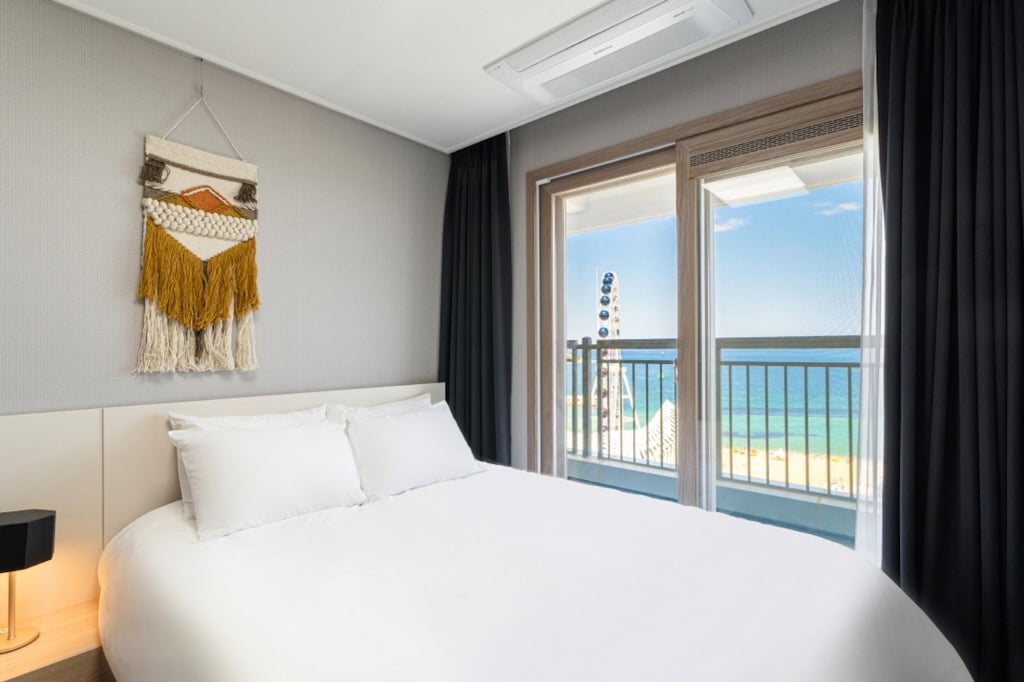
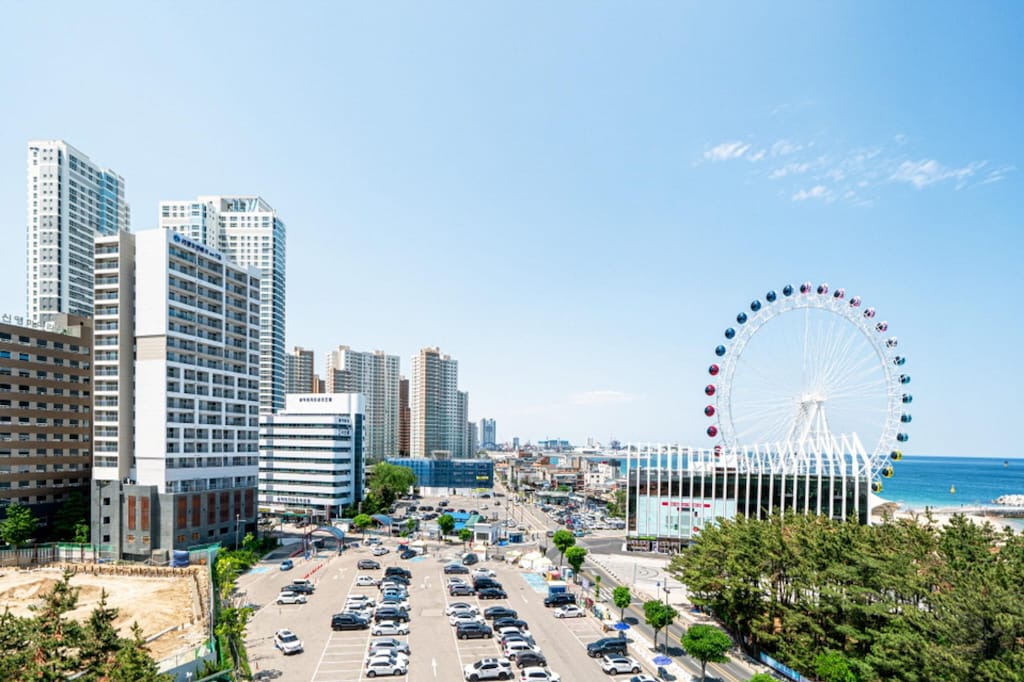

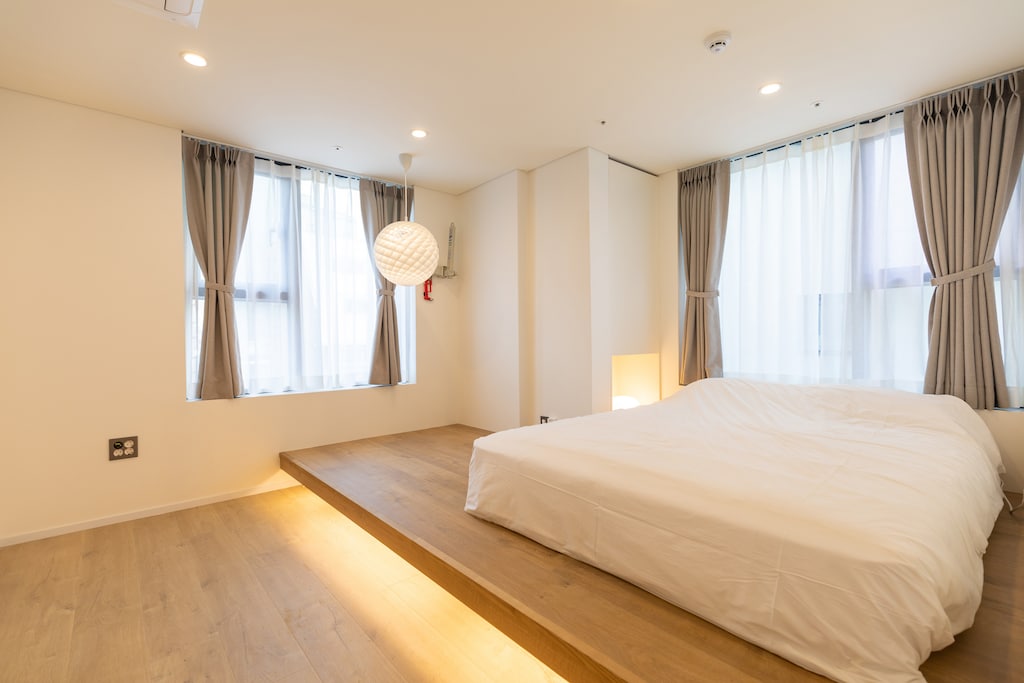
Vacation Rentals in Gangwon-do by Amenities & Features
Get to Know Gangwon-do
Gangwon-do OverviewGangwon-do, a province in South Korea, is a destination that offers an enchanting mix of natural beauty, cultural richness, and thrilling adventure. It is a place where the rugged charm of mountain landscapes meets the serene beauty of the East Sea, creating a picturesque setting that captivates travelers.
For outdoor enthusiasts, Gangwon-do is a paradise. The region is home to Seoraksan National Park, a UNESCO Biosphere Protection site, which boasts stunning peaks, clear streams, and diverse flora and fauna. Hiking trails range from easy walks to challenging climbs, leading to breathtaking views and the famous Ulsanbawi Rock. In winter, the province transforms into a winter sports hub, with Pyeongchang, the host city of the 2018 Winter Olympics, offering world-class ski resorts like Alpensia and Yongpyong.
Cultural experiences abound in Gangwon-do, with the province's rich history reflected in its many festivals and traditions. The city of Chuncheon, known for its dak galbi (spicy stir-fried chicken), hosts the lively Chuncheon International Mime Festival, while the coastal town of Sokcho offers fresh seafood and traditional markets. The region's temples, such as Woljeongsa with its octagonal nine-story pagoda, provide a peaceful retreat and a glimpse into Korea's Buddhist heritage.
Gangwon-do's coastline is dotted with beautiful beaches, such as Gyeongpo Beach and Naksan Beach, where visitors can relax or enjoy water sports. The province also features unique attractions like the Hwanseongul Cave, one of the largest limestone caves in Asia, and the Jeongdongjin Rail Bike, which offers a scenic ride along the coast.
For those interested in the Korean War's history, the DMZ (Demilitarized Zone) area provides a sobering yet important visit, with sites like the Cheorwon Peace Observatory allowing a closer look at the division between North and South Korea.
The province's culinary offerings are not to be missed, with local specialties such as corn, sweet potatoes, and buckwheat dishes that reflect the region's agricultural heritage. The fresh mountain and sea ingredients contribute to a unique and flavorful dining experience.
In essence, Gangwon-do is a destination that offers a harmonious blend of natural splendor, cultural festivities, historical insights, and culinary delights. It's a place where each season brings its own charm, making it a year-round destination for travelers seeking a comprehensive Korean experience.
Gangwon-do, a province in South Korea, is a destination that offers an enchanting mix of natural beauty, cultural richness, and thrilling adventure. It is a place where the rugged charm of mountain landscapes meets the serene beauty of the East Sea, creating a picturesque setting that captivates travelers. For outdoor enthusiasts, Gangwon-do is a paradise. The region is home to Seoraksan National Park, a UNESCO Biosphere Protection site, which boasts stunning peaks, clear streams, and diverse flora and fauna. Hiking trails range from easy walks to challenging climbs, leading to breathtaking views and the famous Ulsanbawi Rock. In winter, the province transforms into a winter sports hub, with Pyeongchang, the host city of the 2018 Winter Olympics, offering world-class ski resorts like Alpensia and Yongpyong. Cultural experiences abound in Gangwon-do, with the province's rich history reflected in its many festivals and traditions. The city of Chuncheon, known for its dak galbi (spicy stir-fried chicken), hosts the lively Chuncheon International Mime Festival, while the coastal town of Sokcho offers fresh seafood and traditional markets. The region's temples, such as Woljeongsa with its octagonal nine-story pagoda, provide a peaceful retreat and a glimpse into Korea's Buddhist heritage. Gangwon-do's coastline is dotted with beautiful beaches, such as Gyeongpo Beach and Naksan Beach, where visitors can relax or enjoy water sports. The province also features unique attractions like the Hwanseongul Cave, one of the largest limestone caves in Asia, and the Jeongdongjin Rail Bike, which offers a scenic ride along the coast. For those interested in the Korean War's history, the DMZ (Demilitarized Zone) area provides a sobering yet important visit, with sites like the Cheorwon Peace Observatory allowing a closer look at the division between North and South Korea. The province's culinary offerings are not to be missed, with local specialties such as corn, sweet potatoes, and buckwheat dishes that reflect the region's agricultural heritage. The fresh mountain and sea ingredients contribute to a unique and flavorful dining experience. In essence, Gangwon-do is a destination that offers a harmonious blend of natural splendor, cultural festivities, historical insights, and culinary delights. It's a place where each season brings its own charm, making it a year-round destination for travelers seeking a comprehensive Korean experience.
Weather in Gangwon-doGangwon-do, a province in South Korea, is renowned for its diverse climate, which varies significantly with the seasons, offering a range of experiences for travelers. The region is particularly famous for its stunning natural landscapes, which include mountains, forests, and beaches, all of which are influenced by the changing weather patterns.
Winter, from December to February, is cold and snowy, especially in the mountainous areas, making it a prime time for winter sports enthusiasts. The Pyeongchang area, which hosted the 2018 Winter Olympics, sees average temperatures ranging from -6°C to 3°C. This season is ideal for skiing and snowboarding, with several resorts offering excellent facilities.
Spring, from March to May, is a delightful season with milder temperatures ranging from 7°C to 17°C. This is when the province's flora comes to life, with cherry blossoms and other flowers blooming, creating a picturesque setting. The weather is generally pleasant, with lower humidity levels, making it a popular time for outdoor activities and festivals.
Summer, from June to August, is warm and humid, with temperatures ranging from 18°C to 28°C. This is the monsoon season, so expect heavy rainfall, particularly in July. Despite the rain, the beaches along the East Sea coast become popular destinations for those looking to enjoy water sports and sunbathing.
Autumn, from September to November, is arguably the most pleasant time to visit Gangwon-do. Temperatures cool to a comfortable range of 10°C to 20°C, and the humidity drops. The province is transformed with vibrant autumnal colors, making it an excellent time for hiking and enjoying the natural beauty of the region.
The most popular weather conditions in Gangwon-do are prevalent during the spring and autumn months when the temperatures are moderate, and the natural scenery is at its most striking. These seasons offer the perfect balance for exploring the province's outdoor attractions without the extremes of the summer monsoon or winter chill.
For those seeking the best climate, late spring and early autumn are particularly recommended. During these periods, the weather is not only pleasant but also provides a stunning backdrop of either blossoming flora or colorful foliage, enhancing the overall travel experience in Gangwon-do.
Gangwon-do, a province in South Korea, is renowned for its diverse climate, which varies significantly with the seasons, offering a range of experiences for travelers. The region is particularly famous for its stunning natural landscapes, which include mountains, forests, and beaches, all of which are influenced by the changing weather patterns. Winter, from December to February, is cold and snowy, especially in the mountainous areas, making it a prime time for winter sports enthusiasts. The Pyeongchang area, which hosted the 2018 Winter Olympics, sees average temperatures ranging from -6°C to 3°C. This season is ideal for skiing and snowboarding, with several resorts offering excellent facilities. Spring, from March to May, is a delightful season with milder temperatures ranging from 7°C to 17°C. This is when the province's flora comes to life, with cherry blossoms and other flowers blooming, creating a picturesque setting. The weather is generally pleasant, with lower humidity levels, making it a popular time for outdoor activities and festivals. Summer, from June to August, is warm and humid, with temperatures ranging from 18°C to 28°C. This is the monsoon season, so expect heavy rainfall, particularly in July. Despite the rain, the beaches along the East Sea coast become popular destinations for those looking to enjoy water sports and sunbathing. Autumn, from September to November, is arguably the most pleasant time to visit Gangwon-do. Temperatures cool to a comfortable range of 10°C to 20°C, and the humidity drops. The province is transformed with vibrant autumnal colors, making it an excellent time for hiking and enjoying the natural beauty of the region. The most popular weather conditions in Gangwon-do are prevalent during the spring and autumn months when the temperatures are moderate, and the natural scenery is at its most striking. These seasons offer the perfect balance for exploring the province's outdoor attractions without the extremes of the summer monsoon or winter chill. For those seeking the best climate, late spring and early autumn are particularly recommended. During these periods, the weather is not only pleasant but also provides a stunning backdrop of either blossoming flora or colorful foliage, enhancing the overall travel experience in Gangwon-do.
Cultural Attractions in Gangwon-doGangwon-do, South Korea, is a region that offers a rich tapestry of cultural experiences, making it an ideal destination for travelers with a passion for the arts, history, and local customs. This picturesque province, known for its stunning natural landscapes, also boasts a vibrant cultural scene that will captivate any enthusiast of the finer things in life.
Begin your cultural journey at the Gangneung Danoje Festival, a UNESCO Intangible Cultural Heritage event that takes place annually in Gangneung. This festival is a celebration of Korean traditional culture, featuring folk music, dance performances, and the vibrant shamanistic rituals of the Danoje. It's an excellent opportunity to immerse yourself in the local customs and participate in traditional games.
For museum aficionados, the Ojukheon House and Museum in Gangneung is a must-visit. This historic site is the birthplace of the famous Confucian scholar Yulgok Yi I and his mother, the artist Shin Saimdang. The museum complex includes a black bamboo forest and traditional Joseon-era houses, offering a glimpse into the life and times of these important historical figures.
Art lovers will find solace in the Haslla Art World, an art park that combines nature with contemporary art. The park features outdoor sculptures and installations set against the backdrop of the East Sea, providing a unique and inspiring setting for art appreciation.
Live music can be enjoyed at the Pyeongchang Music Festival and School, which takes place in the summer. This festival brings together classical musicians from around the world for a series of concerts and masterclasses, set amidst the beautiful mountains of Pyeongchang.
For a touch of history, the Samcheok Culture & Art Center offers a range of performances, exhibitions, and cultural programs. The center's design itself is a modern architectural marvel, reflecting the region's commitment to cultural development.
Gangwon-do's cultural offerings extend to its culinary scene as well. The region is known for its fresh seafood and local specialties such as cornbread, buckwheat dishes, and the famous Chuncheon dakgalbi (spicy stir-fried chicken). Sampling these local delicacies at traditional markets like the Gangneung Jungang Market is a cultural experience in itself.
Finally, no visit to Gangwon-do would be complete without experiencing the region's natural beauty. The Seoraksan National Park offers breathtaking views and serene spots for quiet contemplation, providing a perfect counterbalance to the cultural activities.
In Gangwon-do, the blend of natural splendor and cultural richness creates an enchanting experience for travelers seeking to delve into the arts, history, and traditions of South Korea.
Gangwon-do, South Korea, is a region that offers a rich tapestry of cultural experiences, making it an ideal destination for travelers with a passion for the arts, history, and local customs. This picturesque province, known for its stunning natural landscapes, also boasts a vibrant cultural scene that will captivate any enthusiast of the finer things in life. Begin your cultural journey at the Gangneung Danoje Festival, a UNESCO Intangible Cultural Heritage event that takes place annually in Gangneung. This festival is a celebration of Korean traditional culture, featuring folk music, dance performances, and the vibrant shamanistic rituals of the Danoje. It's an excellent opportunity to immerse yourself in the local customs and participate in traditional games. For museum aficionados, the Ojukheon House and Museum in Gangneung is a must-visit. This historic site is the birthplace of the famous Confucian scholar Yulgok Yi I and his mother, the artist Shin Saimdang. The museum complex includes a black bamboo forest and traditional Joseon-era houses, offering a glimpse into the life and times of these important historical figures. Art lovers will find solace in the Haslla Art World, an art park that combines nature with contemporary art. The park features outdoor sculptures and installations set against the backdrop of the East Sea, providing a unique and inspiring setting for art appreciation. Live music can be enjoyed at the Pyeongchang Music Festival and School, which takes place in the summer. This festival brings together classical musicians from around the world for a series of concerts and masterclasses, set amidst the beautiful mountains of Pyeongchang. For a touch of history, the Samcheok Culture & Art Center offers a range of performances, exhibitions, and cultural programs. The center's design itself is a modern architectural marvel, reflecting the region's commitment to cultural development. Gangwon-do's cultural offerings extend to its culinary scene as well. The region is known for its fresh seafood and local specialties such as cornbread, buckwheat dishes, and the famous Chuncheon dakgalbi (spicy stir-fried chicken). Sampling these local delicacies at traditional markets like the Gangneung Jungang Market is a cultural experience in itself. Finally, no visit to Gangwon-do would be complete without experiencing the region's natural beauty. The Seoraksan National Park offers breathtaking views and serene spots for quiet contemplation, providing a perfect counterbalance to the cultural activities. In Gangwon-do, the blend of natural splendor and cultural richness creates an enchanting experience for travelers seeking to delve into the arts, history, and traditions of South Korea.
Family friendly activities in Gangwon-doGangwon-do, South Korea, is a region that offers a delightful mix of natural beauty, cultural experiences, and fun-filled activities that are sure to captivate children and adults alike.
For families looking to immerse themselves in nature, Gangwon-do is a treasure trove of outdoor adventures. The region is home to several national parks, including Seoraksan National Park, where families can enjoy easy hikes with breathtaking views of majestic mountains and serene valleys. The park also features the Seorak Cable Car, which provides a thrilling ride up to Gwongeumseong Fortress with panoramic views that will leave the little ones in awe.
In the winter months, Gangwon-do transforms into a snowy wonderland, making it the perfect destination for families who love winter sports. The region hosted several events during the 2018 Pyeongchang Winter Olympics, and the legacy continues with world-class ski resorts like Alpensia and Yongpyong. These resorts offer ski and snowboard lessons for children, as well as fun activities like sledding and snow play areas.
For a unique cultural experience, visit the Daegwallyeong Sheep Farm, where kids can interact with friendly sheep and learn about farm life. The rolling green hills and the opportunity to feed the animals make for a memorable day out for the entire family.
The Gangneung Science Center is another fantastic destination for curious minds. With interactive exhibits on science and technology, children can engage in hands-on learning and participate in educational workshops that are both fun and informative.
If your family enjoys theme parks, don't miss the excitement at High1 Resort, which features a water park and an amusement park. With a variety of rides and attractions, it's a place where children can let loose and parents can join in on the fun.
For a more relaxed experience, head to the beaches along the East Sea, such as Gyeongpo Beach or Sokcho Beach. These sandy shores offer a chance for families to unwind, build sandcastles, and enjoy the coastal scenery.
Lastly, Gangwon-do's culinary offerings are not to be missed. The region is famous for its fresh seafood and local specialties like dakgalbi (spicy stir-fried chicken), which can be a fun and tasty experience for the whole family.
In Gangwon-do, the combination of stunning natural landscapes, engaging activities, and cultural attractions make it an ideal destination for families traveling with children.
Gangwon-do, South Korea, is a region that offers a delightful mix of natural beauty, cultural experiences, and fun-filled activities that are sure to captivate children and adults alike. For families looking to immerse themselves in nature, Gangwon-do is a treasure trove of outdoor adventures. The region is home to several national parks, including Seoraksan National Park, where families can enjoy easy hikes with breathtaking views of majestic mountains and serene valleys. The park also features the Seorak Cable Car, which provides a thrilling ride up to Gwongeumseong Fortress with panoramic views that will leave the little ones in awe. In the winter months, Gangwon-do transforms into a snowy wonderland, making it the perfect destination for families who love winter sports. The region hosted several events during the 2018 Pyeongchang Winter Olympics, and the legacy continues with world-class ski resorts like Alpensia and Yongpyong. These resorts offer ski and snowboard lessons for children, as well as fun activities like sledding and snow play areas. For a unique cultural experience, visit the Daegwallyeong Sheep Farm, where kids can interact with friendly sheep and learn about farm life. The rolling green hills and the opportunity to feed the animals make for a memorable day out for the entire family. The Gangneung Science Center is another fantastic destination for curious minds. With interactive exhibits on science and technology, children can engage in hands-on learning and participate in educational workshops that are both fun and informative. If your family enjoys theme parks, don't miss the excitement at High1 Resort, which features a water park and an amusement park. With a variety of rides and attractions, it's a place where children can let loose and parents can join in on the fun. For a more relaxed experience, head to the beaches along the East Sea, such as Gyeongpo Beach or Sokcho Beach. These sandy shores offer a chance for families to unwind, build sandcastles, and enjoy the coastal scenery. Lastly, Gangwon-do's culinary offerings are not to be missed. The region is famous for its fresh seafood and local specialties like dakgalbi (spicy stir-fried chicken), which can be a fun and tasty experience for the whole family. In Gangwon-do, the combination of stunning natural landscapes, engaging activities, and cultural attractions make it an ideal destination for families traveling with children.
Outdoor activities in Gangwon-doGangwon-do, South Korea, is a province that boasts some of the most stunning natural landscapes and outdoor activities in the country, making it an ideal destination for nature lovers and adventure seekers alike.
Seoraksan National Park, a UNESCO Biosphere Reserve, is the jewel in Gangwon-do's crown. With its majestic mountain ranges, including the famous Seoraksan Mountain, the park offers a variety of trails ranging from easy walks to challenging climbs. The Ulsanbawi Rock is a popular hike, providing panoramic views of the park's rugged terrain. The park is also home to diverse wildlife and beautiful temples like Sinheungsa, adding a cultural element to your outdoor exploration.
For those who enjoy water-based activities, the East Sea's pristine beaches are perfect for swimming, sunbathing, and water sports. Gyeongpo Beach in Gangneung is a favorite, with its fine sand and clear waters. Nearby, Gyeongpo Lake is ideal for a leisurely bike ride or a paddleboat excursion.
In the winter, Gangwon-do transforms into a winter sports paradise. The region hosted several events during the 2018 Pyeongchang Winter Olympics, and the facilities remain a draw for skiers and snowboarders. Resorts like Alpensia and Yongpyong offer excellent slopes for all skill levels, as well as other winter activities such as snowshoeing and sledding.
For a more relaxed experience, the Odaesan National Park provides tranquil forest walks among ancient fir and pine trees. Woljeongsa Temple, located within the park, is a serene spot where you can learn about Korean Buddhism and enjoy the natural surroundings.
Another hidden gem is the Hwanseongul Cave, one of the largest limestone caves in Asia. The cave's interior is a natural wonder, with stalactites, stalagmites, and underground streams creating an otherworldly atmosphere.
For a panoramic view of Gangwon-do's coastline, hike up to the Daegwallyeong Sky Ranch. The rolling green hills and the sight of grazing sheep offer a peaceful retreat and a chance to connect with nature.
Lastly, the Cheongchoho Lake in Sokcho is a great spot for fishing, boating, and enjoying the scenic views. The nearby Sokcho Jungang Market is also worth a visit to sample local delicacies and fresh seafood.
Gangwon-do's combination of mountains, forests, beaches, and lakes, along with its seasonal beauty, makes it a top destination for outdoor enthusiasts looking to immerse themselves in nature's splendor.
Gangwon-do, South Korea, is a province that boasts some of the most stunning natural landscapes and outdoor activities in the country, making it an ideal destination for nature lovers and adventure seekers alike. Seoraksan National Park, a UNESCO Biosphere Reserve, is the jewel in Gangwon-do's crown. With its majestic mountain ranges, including the famous Seoraksan Mountain, the park offers a variety of trails ranging from easy walks to challenging climbs. The Ulsanbawi Rock is a popular hike, providing panoramic views of the park's rugged terrain. The park is also home to diverse wildlife and beautiful temples like Sinheungsa, adding a cultural element to your outdoor exploration. For those who enjoy water-based activities, the East Sea's pristine beaches are perfect for swimming, sunbathing, and water sports. Gyeongpo Beach in Gangneung is a favorite, with its fine sand and clear waters. Nearby, Gyeongpo Lake is ideal for a leisurely bike ride or a paddleboat excursion. In the winter, Gangwon-do transforms into a winter sports paradise. The region hosted several events during the 2018 Pyeongchang Winter Olympics, and the facilities remain a draw for skiers and snowboarders. Resorts like Alpensia and Yongpyong offer excellent slopes for all skill levels, as well as other winter activities such as snowshoeing and sledding. For a more relaxed experience, the Odaesan National Park provides tranquil forest walks among ancient fir and pine trees. Woljeongsa Temple, located within the park, is a serene spot where you can learn about Korean Buddhism and enjoy the natural surroundings. Another hidden gem is the Hwanseongul Cave, one of the largest limestone caves in Asia. The cave's interior is a natural wonder, with stalactites, stalagmites, and underground streams creating an otherworldly atmosphere. For a panoramic view of Gangwon-do's coastline, hike up to the Daegwallyeong Sky Ranch. The rolling green hills and the sight of grazing sheep offer a peaceful retreat and a chance to connect with nature. Lastly, the Cheongchoho Lake in Sokcho is a great spot for fishing, boating, and enjoying the scenic views. The nearby Sokcho Jungang Market is also worth a visit to sample local delicacies and fresh seafood. Gangwon-do's combination of mountains, forests, beaches, and lakes, along with its seasonal beauty, makes it a top destination for outdoor enthusiasts looking to immerse themselves in nature's splendor.
Transportation in Gangwon-doGangwon-do, a province in South Korea known for its stunning natural landscapes and cultural sites, offers a variety of transportation options for visitors. The region is well-connected to the rest of South Korea, making it accessible for both domestic and international travelers.
Many visitors arrive in Gangwon-do by bus or car from Seoul, which is approximately 2-3 hours away depending on the destination within the province. Intercity buses are a popular and affordable option, with services running frequently from Seoul's Express Bus Terminal to various cities in Gangwon-do, such as Chuncheon, Sokcho, and Gangneung.
For those who prefer rail travel, the KTX (Korea Train Express) and ITX (Intercity Train Express) trains provide fast and convenient connections from Seoul to several cities in Gangwon-do. The KTX stops at major cities like Wonju and Gangneung, while the ITX serves Chuncheon, the provincial capital.
Once in Gangwon-do, getting around can vary depending on the specific area. The region's cities and towns have local bus services that connect major attractions, residential areas, and transportation hubs. Taxis are also available and can be a convenient option for reaching destinations that are not well-served by public transport.
For those who prefer the flexibility of self-driving, car rentals are available in major cities and near train stations. Driving can be particularly advantageous for exploring the more remote areas of Gangwon-do, such as the scenic routes in the Taebaek Mountains or the coastal roads along the East Sea.
Gangwon-do is also known for its outdoor activities, and some areas are best explored on foot or by bicycle. The province boasts several walking and cycling trails, especially in national parks like Seoraksan and Odaesan, where the natural beauty can be appreciated at a leisurely pace.
While some of the urban areas in Gangwon-do, such as the city centers of Chuncheon and Gangneung, are walkable with attractions, restaurants, and shops within easy reach, the province as a whole is not typically walkable due to its vast and varied terrain. Public transport or a car will be necessary to fully explore the region and visit its many natural and cultural sites.
In summary, Gangwon-do offers a mix of transportation options that cater to different preferences and needs. Whether arriving by bus, train, or car, and whether exploring by public transport, taxi, or on foot, visitors will find that Gangwon-do is a region that rewards those who seek out its many wonders.
Gangwon-do, a province in South Korea known for its stunning natural landscapes and cultural sites, offers a variety of transportation options for visitors. The region is well-connected to the rest of South Korea, making it accessible for both domestic and international travelers. Many visitors arrive in Gangwon-do by bus or car from Seoul, which is approximately 2-3 hours away depending on the destination within the province. Intercity buses are a popular and affordable option, with services running frequently from Seoul's Express Bus Terminal to various cities in Gangwon-do, such as Chuncheon, Sokcho, and Gangneung. For those who prefer rail travel, the KTX (Korea Train Express) and ITX (Intercity Train Express) trains provide fast and convenient connections from Seoul to several cities in Gangwon-do. The KTX stops at major cities like Wonju and Gangneung, while the ITX serves Chuncheon, the provincial capital. Once in Gangwon-do, getting around can vary depending on the specific area. The region's cities and towns have local bus services that connect major attractions, residential areas, and transportation hubs. Taxis are also available and can be a convenient option for reaching destinations that are not well-served by public transport. For those who prefer the flexibility of self-driving, car rentals are available in major cities and near train stations. Driving can be particularly advantageous for exploring the more remote areas of Gangwon-do, such as the scenic routes in the Taebaek Mountains or the coastal roads along the East Sea. Gangwon-do is also known for its outdoor activities, and some areas are best explored on foot or by bicycle. The province boasts several walking and cycling trails, especially in national parks like Seoraksan and Odaesan, where the natural beauty can be appreciated at a leisurely pace. While some of the urban areas in Gangwon-do, such as the city centers of Chuncheon and Gangneung, are walkable with attractions, restaurants, and shops within easy reach, the province as a whole is not typically walkable due to its vast and varied terrain. Public transport or a car will be necessary to fully explore the region and visit its many natural and cultural sites. In summary, Gangwon-do offers a mix of transportation options that cater to different preferences and needs. Whether arriving by bus, train, or car, and whether exploring by public transport, taxi, or on foot, visitors will find that Gangwon-do is a region that rewards those who seek out its many wonders.
Gangwon-do FAQs
What is there to do in Gangwon-do, South Korea?Gangwon-do is known for its stunning natural landscapes, including Seoraksan National Park, which offers excellent hiking and breathtaking views. In winter, the region is famous for skiing and snowboarding, with resorts like Yongpyong and Alpensia. You can also visit the Demilitarized Zone (DMZ) for a glimpse into Korean history, explore the coastal city of Gangneung, enjoy the beaches of Sokcho, or attend the annual Pyeongchang Trout Festival.
Gangwon-do is known for its stunning natural landscapes, including Seoraksan National Park, which offers excellent hiking and breathtaking views. In winter, the region is famous for skiing and snowboarding, with resorts like Yongpyong and Alpensia. You can also visit the Demilitarized Zone (DMZ) for a glimpse into Korean history, explore the coastal city of Gangneung, enjoy the beaches of Sokcho, or attend the annual Pyeongchang Trout Festival.
What is the best time of year to visit Gangwon-do?The best time to visit Gangwon-do depends on what you want to do. For skiing and winter sports, visit between December and February. If you're interested in hiking and enjoying the natural scenery, late spring (April to June) and fall (September to November) are ideal. Summer (July to August) is great for enjoying the beaches and festivals.
The best time to visit Gangwon-do depends on what you want to do. For skiing and winter sports, visit between December and February. If you're interested in hiking and enjoying the natural scenery, late spring (April to June) and fall (September to November) are ideal. Summer (July to August) is great for enjoying the beaches and festivals.
How do I get to Gangwon-do from Seoul?You can get to Gangwon-do from Seoul by bus, train, or car. Express buses run frequently from Seoul's Express Bus Terminal to various cities in Gangwon-do. Trains are available from Seoul to Gangneung with the KTX high-speed service. If you prefer to drive, you can rent a car and take the Yeongdong Expressway directly to the region.
You can get to Gangwon-do from Seoul by bus, train, or car. Express buses run frequently from Seoul's Express Bus Terminal to various cities in Gangwon-do. Trains are available from Seoul to Gangneung with the KTX high-speed service. If you prefer to drive, you can rent a car and take the Yeongdong Expressway directly to the region.
Are there any cultural experiences unique to Gangwon-do?Yes, Gangwon-do offers unique cultural experiences such as visiting the Ojukheon House in Gangneung, where the famous Korean scholar Yulgok was born, or exploring traditional markets like the Gangneung Jungang Market. You can also experience temple stays at Buddhist temples like Woljeongsa, or participate in local festivals such as the Gangneung Danoje Festival, a UNESCO Intangible Cultural Heritage.
Yes, Gangwon-do offers unique cultural experiences such as visiting the Ojukheon House in Gangneung, where the famous Korean scholar Yulgok was born, or exploring traditional markets like the Gangneung Jungang Market. You can also experience temple stays at Buddhist temples like Woljeongsa, or participate in local festivals such as the Gangneung Danoje Festival, a UNESCO Intangible Cultural Heritage.
Can I visit the DMZ in Gangwon-do?Yes, you can visit the DMZ in Gangwon-do. There are several tour companies that offer guided tours to the DMZ, where you can see the Cheorwon Peace Observatory, the Third Tunnel of Aggression, and the former Korean Workers' Party Headquarters. It's important to book these tours in advance and follow all security guidelines.
Yes, you can visit the DMZ in Gangwon-do. There are several tour companies that offer guided tours to the DMZ, where you can see the Cheorwon Peace Observatory, the Third Tunnel of Aggression, and the former Korean Workers' Party Headquarters. It's important to book these tours in advance and follow all security guidelines.
What local food should I try in Gangwon-do?Gangwon-do is famous for its fresh seafood due to its proximity to the East Sea. You should try dishes like squid sundae (stuffed squid), hwangtae (dried pollack), and Gangwon-do's unique style of buckwheat noodles called 'makguksu.' Additionally, the region is known for its potatoes, so don't miss trying dishes made with locally grown potatoes.
Gangwon-do is famous for its fresh seafood due to its proximity to the East Sea. You should try dishes like squid sundae (stuffed squid), hwangtae (dried pollack), and Gangwon-do's unique style of buckwheat noodles called 'makguksu.' Additionally, the region is known for its potatoes, so don't miss trying dishes made with locally grown potatoes.
More space, more privacy, more points with every home rental.
What makes Homes & Villas by Marriott Bonvoy a unique home rental experience? Unlike other home rental sites like AirBNB, when you book a vacation rental with Homes & Villas by Marriott Bonvoy you always have the whole place to yourself. Plus, as a member of Marriott Bonvoy, you can earn points towards free nights with every stay.