Osaka, Japan Vacation Rentals
Explore 32 vacation rentals, homes, and villas in Osaka for your next getaway or business trip. Experience the privacy of a home with premium amenities such as Air Condition Homes, Homes with hot tub and Homes with Free Parking, designed for a more comfortable and convenient stay. Every home is curated and professionally managed, with 24/7 local support, high-speed Wi-Fi, and premium linens included. With homes starting as low as $69 per night and featuring up to 6 bedrooms and 5 bathrooms, there's an option for every trip, from family vacations and group getaways to extended stays. However you're looking to experience your stay, Homes & Villas by Marriott has your next vacation home waiting. Marriott Bonvoy members can also earn and redeem points on every booking.
32 Vacation Rentals in Osaka
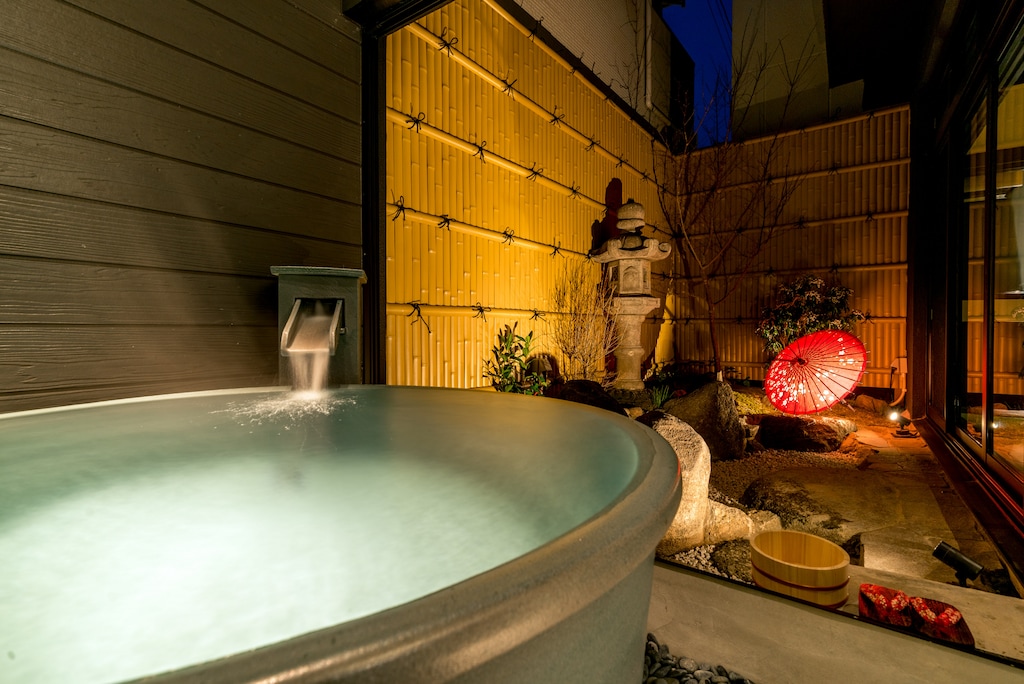
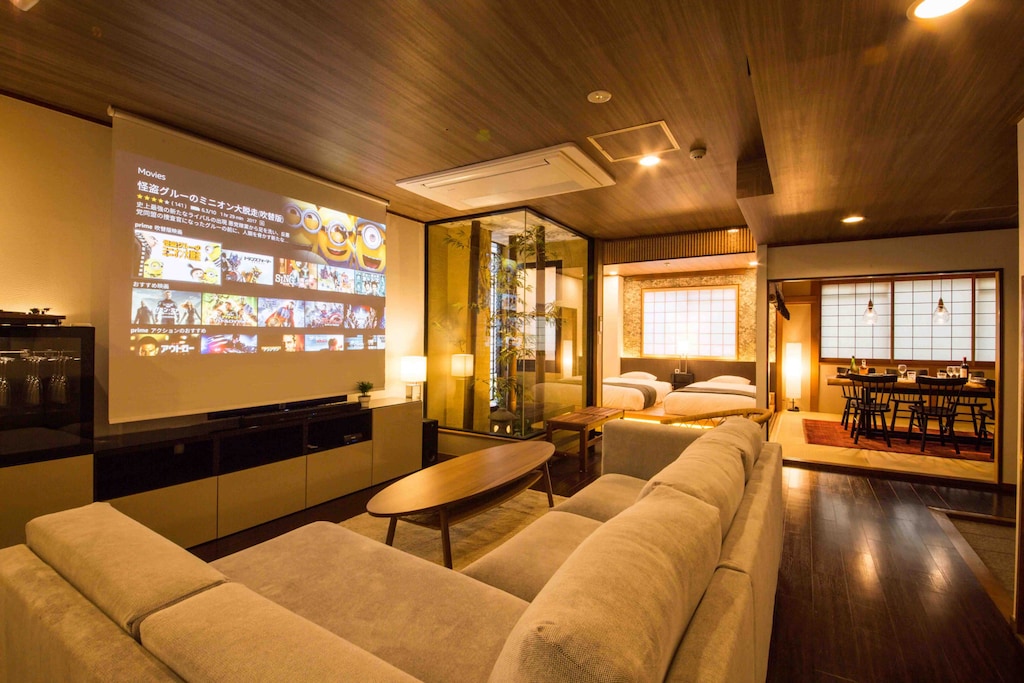
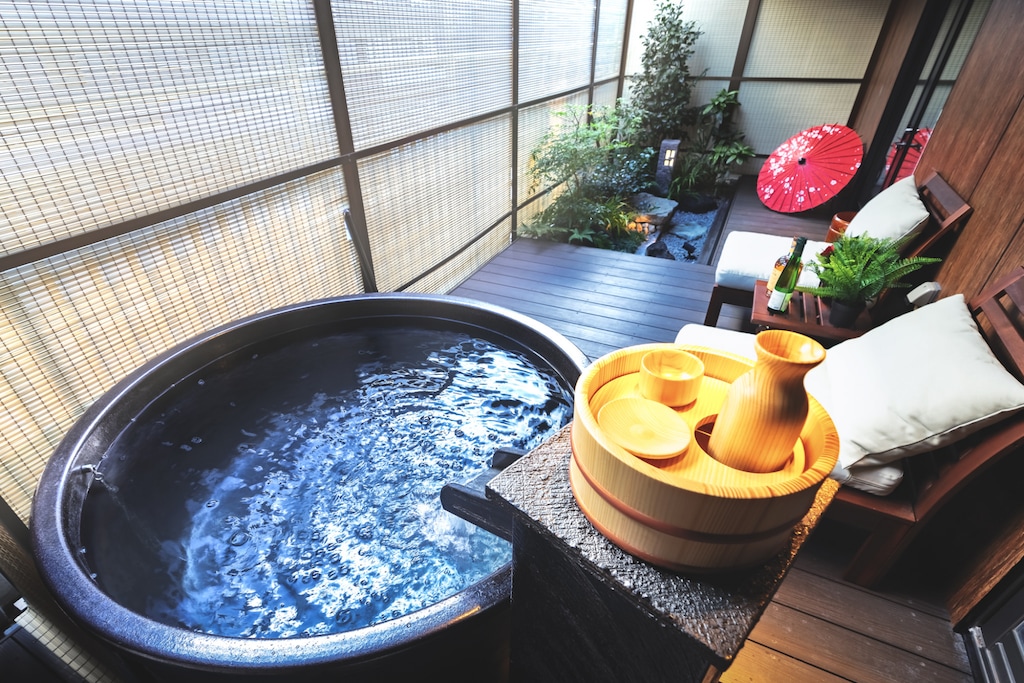


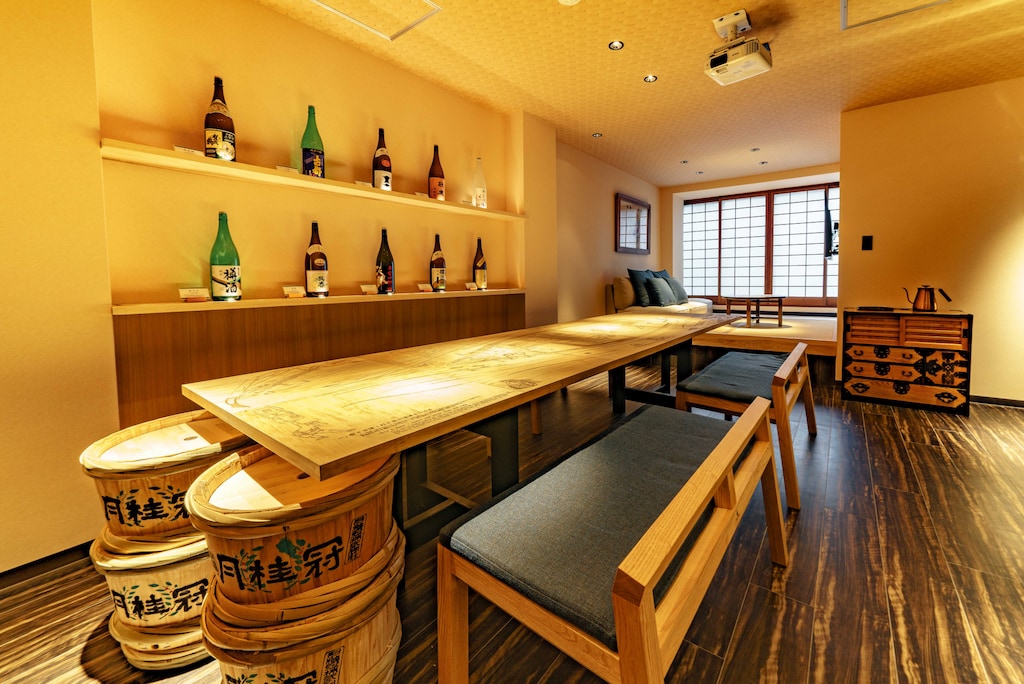




Vacation Rentals in Osaka by Amenities & Features
Get to Know Osaka
Osaka OverviewOsaka, Japan is indeed a vibrant metropolis that harmoniously marries the old and the new. The city is renowned for its lively food culture, with a range of options from street vendors offering local favorites like takoyaki and okonomiyaki to upscale sushi establishments. The Dotonbori district is particularly celebrated for its gastronomic delights, with numerous dining options along the canal.
Historical landmarks are plentiful in Osaka, including the iconic Osaka Castle which offers breathtaking views of the cityscape from its observation deck. The Shitennoji Temple, one of Japan's oldest Buddhist temples, is another site that should not be missed.
For shopping enthusiasts and those seeking entertainment, the Umeda district boasts a variety of department stores, boutiques and entertainment venues. Universal Studios Japan also offers an exciting experience for families and film enthusiasts.
Osaka's natural beauty can be appreciated in its parks and green spaces. The Osaka Bay area provides stunning waterfront vistas while Minoo Park features hiking trails and a waterfall for nature lovers.
In terms of transportation, Osaka has an efficient public transit system comprising trains, subways, buses and trams that make traversing the city straightforward. Additionally, several international airports serve Osaka making it easily reachable from different parts of the globe.
To sum up, with its rich historical background complemented by contemporary amenities, Osaka caters to all types of travelers' interests making it an enticing destination to visit.
Osaka, Japan is indeed a vibrant metropolis that harmoniously marries the old and the new. The city is renowned for its lively food culture, with a range of options from street vendors offering local favorites like takoyaki and okonomiyaki to upscale sushi establishments. The Dotonbori district is particularly celebrated for its gastronomic delights, with numerous dining options along the canal. Historical landmarks are plentiful in Osaka, including the iconic Osaka Castle which offers breathtaking views of the cityscape from its observation deck. The Shitennoji Temple, one of Japan's oldest Buddhist temples, is another site that should not be missed. For shopping enthusiasts and those seeking entertainment, the Umeda district boasts a variety of department stores, boutiques and entertainment venues. Universal Studios Japan also offers an exciting experience for families and film enthusiasts. Osaka's natural beauty can be appreciated in its parks and green spaces. The Osaka Bay area provides stunning waterfront vistas while Minoo Park features hiking trails and a waterfall for nature lovers. In terms of transportation, Osaka has an efficient public transit system comprising trains, subways, buses and trams that make traversing the city straightforward. Additionally, several international airports serve Osaka making it easily reachable from different parts of the globe. To sum up, with its rich historical background complemented by contemporary amenities, Osaka caters to all types of travelers' interests making it an enticing destination to visit.
Weather in OsakaOsaka, Japan is known for its humid subtropical climate that is divided into four distinct seasons: spring, summer, autumn, and winter.
Spring in Osaka spans from March to May and is a beautiful time to visit. During this season, temperatures vary between 12°C and 24°C with relatively low humidity. This period also coincides with the cherry blossom bloom, adding to the city's scenic beauty.
The summer season in Osaka lasts from June to August and can be quite hot and humid. Temperatures can soar up to 35°C with high humidity levels. The city also experiences its rainy season during early summer (June and July), characterized by heavy but brief showers.
Autumn in Osaka takes place from September to November. This season brings mild temperatures ranging between 15°C and 27°C. The drop in humidity levels during this period makes it a comfortable time for sightseeing.
Winter in Osaka occurs from December through February. It's typically cold with temperatures ranging between 3°C and 10°C but snowfall is uncommon in the city.
The most favorable weather conditions occur during spring (March-May) when the cherry blossoms bloom, and autumn (September-November) when the leaves change color. These periods offer moderate temperatures and lower humidity levels making them perfect for outdoor activities such as sightseeing or hiking.
Osaka, Japan is known for its humid subtropical climate that is divided into four distinct seasons: spring, summer, autumn, and winter. Spring in Osaka spans from March to May and is a beautiful time to visit. During this season, temperatures vary between 12°C and 24°C with relatively low humidity. This period also coincides with the cherry blossom bloom, adding to the city's scenic beauty. The summer season in Osaka lasts from June to August and can be quite hot and humid. Temperatures can soar up to 35°C with high humidity levels. The city also experiences its rainy season during early summer (June and July), characterized by heavy but brief showers. Autumn in Osaka takes place from September to November. This season brings mild temperatures ranging between 15°C and 27°C. The drop in humidity levels during this period makes it a comfortable time for sightseeing. Winter in Osaka occurs from December through February. It's typically cold with temperatures ranging between 3°C and 10°C but snowfall is uncommon in the city. The most favorable weather conditions occur during spring (March-May) when the cherry blossoms bloom, and autumn (September-November) when the leaves change color. These periods offer moderate temperatures and lower humidity levels making them perfect for outdoor activities such as sightseeing or hiking.
Cultural Attractions in OsakaOsaka, Japan is a haven for those with a keen interest in arts, history, and local traditions. The city boasts numerous museums including the Osaka City Museum of Fine Arts, which displays over 8,000 pieces of Japanese and Chinese art. The National Museum of Art is another gem for contemporary art enthusiasts as it exhibits works from both national and international artists.
History buffs will find the Osaka Castle intriguing as it provides a glimpse into Japan's feudal era. The castle grounds also house the Osaka Museum of History that offers an interactive exploration through various periods of the city's history.
The city's lively music scene spans from traditional performances at the National Bunraku Theatre to modern concerts at places like Billboard Live and Zepp Namba. Moreover, Osaka hosts several music festivals throughout the year including Summer Sonic.
The Dotonbori area is a must-visit for those seeking to immerse themselves in local customs and culture. This vibrant district features numerous street food stalls where you can sample local specialties such as takoyaki (octopus balls) and okonomiyaki (savory pancakes). It is also famous for its neon lights and iconic Glico Running Man sign.
Art galleries are spread across the city with areas like Nakazakicho hosting small independent galleries that exhibit local artists' work. Events like the annual Art Osaka fair offer opportunities to explore contemporary art in hotel rooms transformed into gallery spaces.
While Osaka may not be generally considered walkable due to its vast size, it does have an efficient public transportation system comprising trains, subways, buses, and taxis that facilitate easy movement around the city. However, specific areas such as Minami (Namba) are pedestrian-friendly with many attractions within walking distance.
In conclusion, with its historical landmarks, vibrant arts scenes, unique local customs and efficient transportation system; Osaka presents a rich cultural tapestry making it an ideal destination for cultural enthusiasts. Furthermore, while overall Osaka is a large city, its main tourist areas like Namba/Dotonbori and Umeda are quite walkable with many attractions in close proximity.
Osaka, Japan is a haven for those with a keen interest in arts, history, and local traditions. The city boasts numerous museums including the Osaka City Museum of Fine Arts, which displays over 8,000 pieces of Japanese and Chinese art. The National Museum of Art is another gem for contemporary art enthusiasts as it exhibits works from both national and international artists. History buffs will find the Osaka Castle intriguing as it provides a glimpse into Japan's feudal era. The castle grounds also house the Osaka Museum of History that offers an interactive exploration through various periods of the city's history. The city's lively music scene spans from traditional performances at the National Bunraku Theatre to modern concerts at places like Billboard Live and Zepp Namba. Moreover, Osaka hosts several music festivals throughout the year including Summer Sonic. The Dotonbori area is a must-visit for those seeking to immerse themselves in local customs and culture. This vibrant district features numerous street food stalls where you can sample local specialties such as takoyaki (octopus balls) and okonomiyaki (savory pancakes). It is also famous for its neon lights and iconic Glico Running Man sign. Art galleries are spread across the city with areas like Nakazakicho hosting small independent galleries that exhibit local artists' work. Events like the annual Art Osaka fair offer opportunities to explore contemporary art in hotel rooms transformed into gallery spaces. While Osaka may not be generally considered walkable due to its vast size, it does have an efficient public transportation system comprising trains, subways, buses, and taxis that facilitate easy movement around the city. However, specific areas such as Minami (Namba) are pedestrian-friendly with many attractions within walking distance. In conclusion, with its historical landmarks, vibrant arts scenes, unique local customs and efficient transportation system; Osaka presents a rich cultural tapestry making it an ideal destination for cultural enthusiasts. Furthermore, while overall Osaka is a large city, its main tourist areas like Namba/Dotonbori and Umeda are quite walkable with many attractions in close proximity.
Family friendly activities in OsakaOsaka, Japan is indeed a city that offers a plethora of enjoyable attractions and activities for children. The city boasts Universal Studios Japan, one of the four Universal Parks & Resorts theme parks worldwide. Here, children can experience exciting rides and shows based on their beloved movies and TV shows.
For those who are fond of animals, Osaka Aquarium Kaiyukan is an essential stop. It ranks among the world's largest public aquariums, showcasing Pacific Rim marine life in 15 large tanks. Children can witness a variety of creatures such as whale sharks, penguins, dolphins and more.
Kids Plaza Osaka is another excellent destination for families with children. This educational establishment promotes learning through play with its interactive exhibits on science, culture, and society.
For outdoor activities, Tennoji Zoo which houses over 1,000 animals from 200 species or Osaka Castle Park where children can learn about Japanese history while appreciating the beautiful surroundings are great options.
The city also provides an effective public transportation system that facilitates travel between these attractions. The subway lines are color-coded and signs are also written in English which simplifies navigation even for first-time visitors.
Regarding walkability, central areas like Namba and Umeda are quite pedestrian-friendly with wide sidewalks and numerous pedestrian-only zones. However, considering the size of the city and the distance between some attractions, using public transportation might be more practical especially when traveling with children.
In summary, Osaka presents a variety of child-friendly attractions along with an efficient transportation system making it a perfect destination for families traveling with kids.
Osaka, Japan is indeed a city that offers a plethora of enjoyable attractions and activities for children. The city boasts Universal Studios Japan, one of the four Universal Parks & Resorts theme parks worldwide. Here, children can experience exciting rides and shows based on their beloved movies and TV shows. For those who are fond of animals, Osaka Aquarium Kaiyukan is an essential stop. It ranks among the world's largest public aquariums, showcasing Pacific Rim marine life in 15 large tanks. Children can witness a variety of creatures such as whale sharks, penguins, dolphins and more. Kids Plaza Osaka is another excellent destination for families with children. This educational establishment promotes learning through play with its interactive exhibits on science, culture, and society. For outdoor activities, Tennoji Zoo which houses over 1,000 animals from 200 species or Osaka Castle Park where children can learn about Japanese history while appreciating the beautiful surroundings are great options. The city also provides an effective public transportation system that facilitates travel between these attractions. The subway lines are color-coded and signs are also written in English which simplifies navigation even for first-time visitors. Regarding walkability, central areas like Namba and Umeda are quite pedestrian-friendly with wide sidewalks and numerous pedestrian-only zones. However, considering the size of the city and the distance between some attractions, using public transportation might be more practical especially when traveling with children. In summary, Osaka presents a variety of child-friendly attractions along with an efficient transportation system making it a perfect destination for families traveling with kids.
Outdoor activities in OsakaOsaka, Japan is a city that beautifully blends urban life with nature. It offers a variety of outdoor activities and natural attractions for visitors to explore.
One such place is Minoo Park, a quasi-national park renowned for its stunning waterfall, particularly in the autumn when the surrounding foliage bursts into vibrant colors. The park also features several hiking trails that meander through lush forests and past ancient temples.
Bird enthusiasts should not miss the Osaka Bay area. This wetland region attracts numerous migratory birds and provides several observation decks for bird-watching.
In the eastern suburbs of Osaka lies Hoshida Enchi park, another haven for outdoor lovers. It has an extensive network of hiking trails that lead you through green forests and past imposing cliffs. The park's highlight is the Hoshida Suspension Bridge, one of Japan's largest pedestrian suspension bridges.
While not strictly an outdoor activity, visiting Osaka Aquarium Kaiyukan is highly recommended if you're interested in marine life. It's one of the world's largest public aquariums and showcases various Pacific Rim species in remarkably recreated natural habitats.
Lastly, Kema Sakuranomiya Park offers an unforgettable experience during cherry blossom season with nearly 5,000 cherry blossom trees lining Okawa River.
In conclusion, Osaka's natural attractions are as varied as they are mesmerizing. Whether it's hiking in Minoo Park or bird-watching at Osaka Bay, there are ample opportunities to immerse yourself in nature while visiting this dynamic Japanese city.
Osaka, Japan is a city that beautifully blends urban life with nature. It offers a variety of outdoor activities and natural attractions for visitors to explore. One such place is Minoo Park, a quasi-national park renowned for its stunning waterfall, particularly in the autumn when the surrounding foliage bursts into vibrant colors. The park also features several hiking trails that meander through lush forests and past ancient temples. Bird enthusiasts should not miss the Osaka Bay area. This wetland region attracts numerous migratory birds and provides several observation decks for bird-watching. In the eastern suburbs of Osaka lies Hoshida Enchi park, another haven for outdoor lovers. It has an extensive network of hiking trails that lead you through green forests and past imposing cliffs. The park's highlight is the Hoshida Suspension Bridge, one of Japan's largest pedestrian suspension bridges. While not strictly an outdoor activity, visiting Osaka Aquarium Kaiyukan is highly recommended if you're interested in marine life. It's one of the world's largest public aquariums and showcases various Pacific Rim species in remarkably recreated natural habitats. Lastly, Kema Sakuranomiya Park offers an unforgettable experience during cherry blossom season with nearly 5,000 cherry blossom trees lining Okawa River. In conclusion, Osaka's natural attractions are as varied as they are mesmerizing. Whether it's hiking in Minoo Park or bird-watching at Osaka Bay, there are ample opportunities to immerse yourself in nature while visiting this dynamic Japanese city.
Transportation in OsakaVisitors to Osaka, Japan, have a multitude of transportation options to choose from. The city is primarily reached by air through Kansai International Airport, which accommodates a wide range of international and domestic flights. The city center is conveniently accessible from the airport via train or bus.
Once in the city, the comprehensive public transportation network allows visitors to traverse Osaka with ease. The Osaka Metro system is notably efficient and reaches most areas of tourist interest within the city. Furthermore, the JR Osaka Loop Line provides a convenient route around downtown Osaka and connects major tourist destinations.
For those seeking more private travel options, taxis are widely available across the city. However, it's worth noting that they can be significantly more expensive than public transportation alternatives.
Osaka also caters to cyclists with numerous rental shops offering bicycles for tourists who wish to explore at their own leisurely pace. This could provide an enjoyable method of sightseeing while also incorporating some physical activity.
In terms of walkability, certain districts in Osaka are highly pedestrian-friendly. Areas such as Dotonbori and Shinsaibashi are ideally explored on foot due to their dense array of shops, eateries, and attractions situated within close proximity.
However, considering Osaka's extensive size and the distance between some points of interest, relying solely on walking as a mode of transport would not be practical. Utilizing public transit or cycling would be necessary for longer distances or when visiting sites that are further apart.
In summary, whether visitors arrive by air or choose to explore by train, bus, taxi or bicycle; navigating around Osaka proves to be both convenient and uncomplicated. Despite its vast urban landscape, certain areas offer an appealing level of walkability that adds to the overall travel experience in this vibrant Japanese metropolis.
Visitors to Osaka, Japan, have a multitude of transportation options to choose from. The city is primarily reached by air through Kansai International Airport, which accommodates a wide range of international and domestic flights. The city center is conveniently accessible from the airport via train or bus. Once in the city, the comprehensive public transportation network allows visitors to traverse Osaka with ease. The Osaka Metro system is notably efficient and reaches most areas of tourist interest within the city. Furthermore, the JR Osaka Loop Line provides a convenient route around downtown Osaka and connects major tourist destinations. For those seeking more private travel options, taxis are widely available across the city. However, it's worth noting that they can be significantly more expensive than public transportation alternatives. Osaka also caters to cyclists with numerous rental shops offering bicycles for tourists who wish to explore at their own leisurely pace. This could provide an enjoyable method of sightseeing while also incorporating some physical activity. In terms of walkability, certain districts in Osaka are highly pedestrian-friendly. Areas such as Dotonbori and Shinsaibashi are ideally explored on foot due to their dense array of shops, eateries, and attractions situated within close proximity. However, considering Osaka's extensive size and the distance between some points of interest, relying solely on walking as a mode of transport would not be practical. Utilizing public transit or cycling would be necessary for longer distances or when visiting sites that are further apart. In summary, whether visitors arrive by air or choose to explore by train, bus, taxi or bicycle; navigating around Osaka proves to be both convenient and uncomplicated. Despite its vast urban landscape, certain areas offer an appealing level of walkability that adds to the overall travel experience in this vibrant Japanese metropolis.
Osaka FAQs
What is there to do in Osaka?Osaka is a vibrant city known for its modern architecture, nightlife, and hearty street food. Key attractions include Universal Studios Japan, the historic Osaka Castle, and the bustling Dotonbori district with its famous Glico Man sign. Visitors can also explore the Osaka Aquarium Kaiyukan, enjoy panoramic views from the Umeda Sky Building, and savor local delicacies like takoyaki and okonomiyaki at Kuromon Ichiba Market.
Osaka is a vibrant city known for its modern architecture, nightlife, and hearty street food. Key attractions include Universal Studios Japan, the historic Osaka Castle, and the bustling Dotonbori district with its famous Glico Man sign. Visitors can also explore the Osaka Aquarium Kaiyukan, enjoy panoramic views from the Umeda Sky Building, and savor local delicacies like takoyaki and okonomiyaki at Kuromon Ichiba Market.
What is the best time of year to visit Osaka?The best time to visit Osaka is during the spring (March to May) when the cherry blossoms are in bloom, or in the fall (October to November) when the weather is mild and the autumn leaves are stunning. Summers can be hot and humid, while winters are relatively mild with occasional cold spells.
The best time to visit Osaka is during the spring (March to May) when the cherry blossoms are in bloom, or in the fall (October to November) when the weather is mild and the autumn leaves are stunning. Summers can be hot and humid, while winters are relatively mild with occasional cold spells.
How do I get around Osaka?Osaka has an extensive public transportation system that includes subways, trains, and buses. The Osaka Metro is the most convenient way to get around the city, and the ICOCA card, a rechargeable smart card, can be used for all public transport. Taxis are also available, but they can be expensive for longer distances.
Osaka has an extensive public transportation system that includes subways, trains, and buses. The Osaka Metro is the most convenient way to get around the city, and the ICOCA card, a rechargeable smart card, can be used for all public transport. Taxis are also available, but they can be expensive for longer distances.
What are some traditional foods I should try in Osaka?Osaka is known as Japan's kitchen, so there are many delicious foods to try. Don't miss takoyaki (octopus balls), okonomiyaki (savory pancake), kushikatsu (deep-fried skewered meat and vegetables), and Osaka-style sushi. For a sweet treat, try the fluffy Japanese cheesecake or the local variety of mochi.
Osaka is known as Japan's kitchen, so there are many delicious foods to try. Don't miss takoyaki (octopus balls), okonomiyaki (savory pancake), kushikatsu (deep-fried skewered meat and vegetables), and Osaka-style sushi. For a sweet treat, try the fluffy Japanese cheesecake or the local variety of mochi.
Can I experience traditional Japanese culture in Osaka?Absolutely! You can visit Sumiyoshi Taisha, one of Japan's oldest Shinto shrines, or experience a traditional tea ceremony. The Osaka Museum of Housing and Living offers a glimpse into the past with its reconstructed historical streets. Additionally, you can stay in a ryokan (traditional inn) or visit a public bathhouse (sento) for a more immersive experience.
Absolutely! You can visit Sumiyoshi Taisha, one of Japan's oldest Shinto shrines, or experience a traditional tea ceremony. The Osaka Museum of Housing and Living offers a glimpse into the past with its reconstructed historical streets. Additionally, you can stay in a ryokan (traditional inn) or visit a public bathhouse (sento) for a more immersive experience.
Is Osaka family-friendly?Yes, Osaka is very family-friendly with attractions like Universal Studios Japan, the Osaka Aquarium, and Tennoji Zoo. There are also numerous parks, such as Nakanoshima Park, and interactive museums like the Kids Plaza Osaka that cater to children.
Yes, Osaka is very family-friendly with attractions like Universal Studios Japan, the Osaka Aquarium, and Tennoji Zoo. There are also numerous parks, such as Nakanoshima Park, and interactive museums like the Kids Plaza Osaka that cater to children.
Do I need to speak Japanese to visit Osaka?While it is not necessary to speak Japanese to visit Osaka, knowing some basic phrases can be helpful. English is widely spoken in tourist areas, and signs in public transportation and major attractions are often in English as well. It's always appreciated when visitors make an effort to use some Japanese greetings and phrases.
While it is not necessary to speak Japanese to visit Osaka, knowing some basic phrases can be helpful. English is widely spoken in tourist areas, and signs in public transportation and major attractions are often in English as well. It's always appreciated when visitors make an effort to use some Japanese greetings and phrases.
More space, more privacy, more points with every home rental.
What makes Homes & Villas by Marriott Bonvoy a unique home rental experience? Unlike other home rental sites like AirBNB, when you book a vacation rental with Homes & Villas by Marriott Bonvoy you always have the whole place to yourself. Plus, as a member of Marriott Bonvoy, you can earn points towards free nights with every stay.