India Vacation Rentals
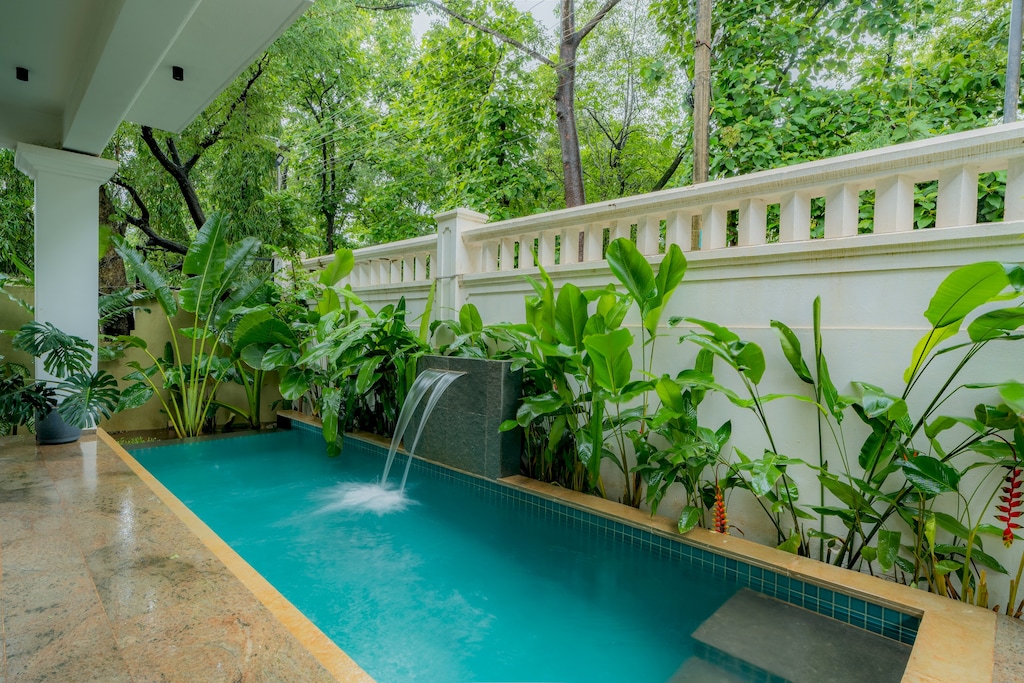
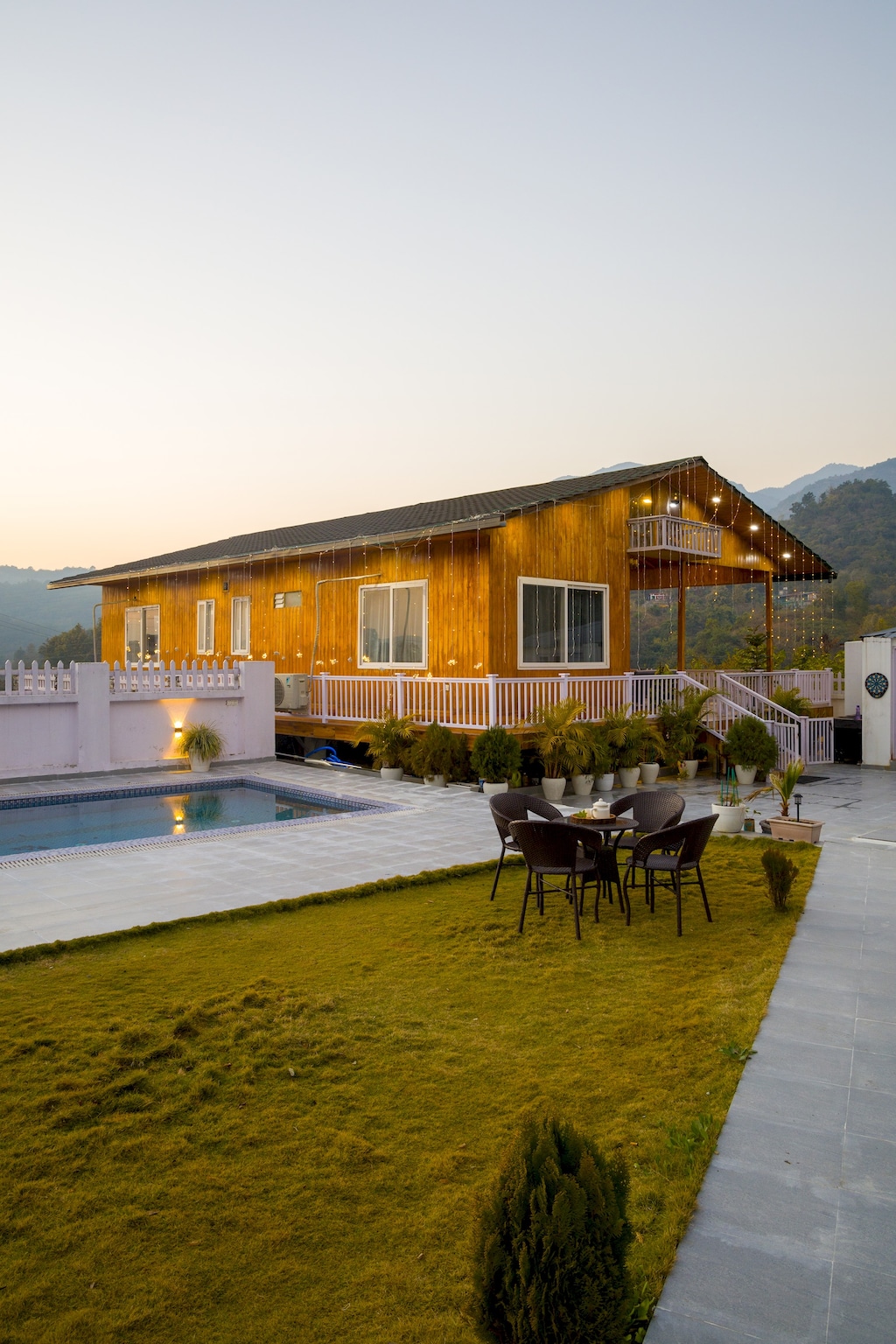
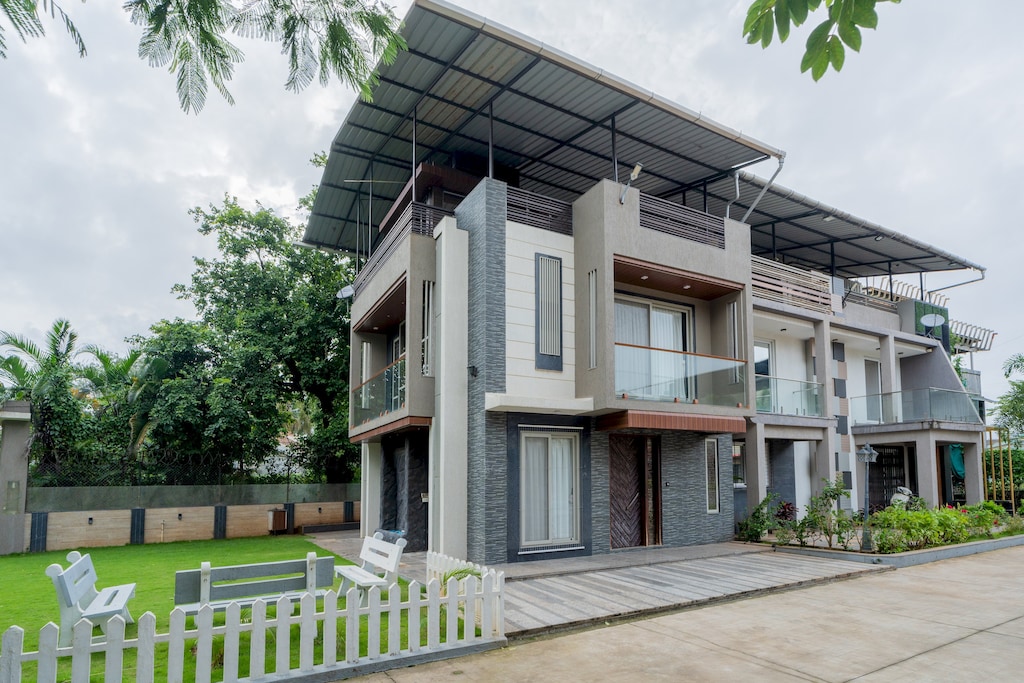
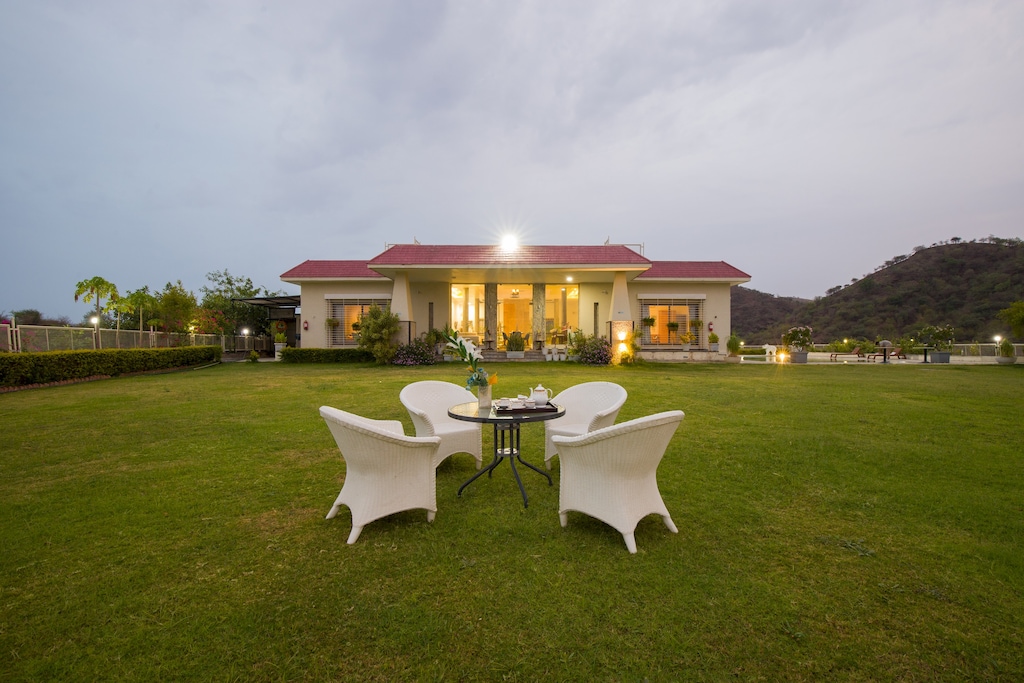
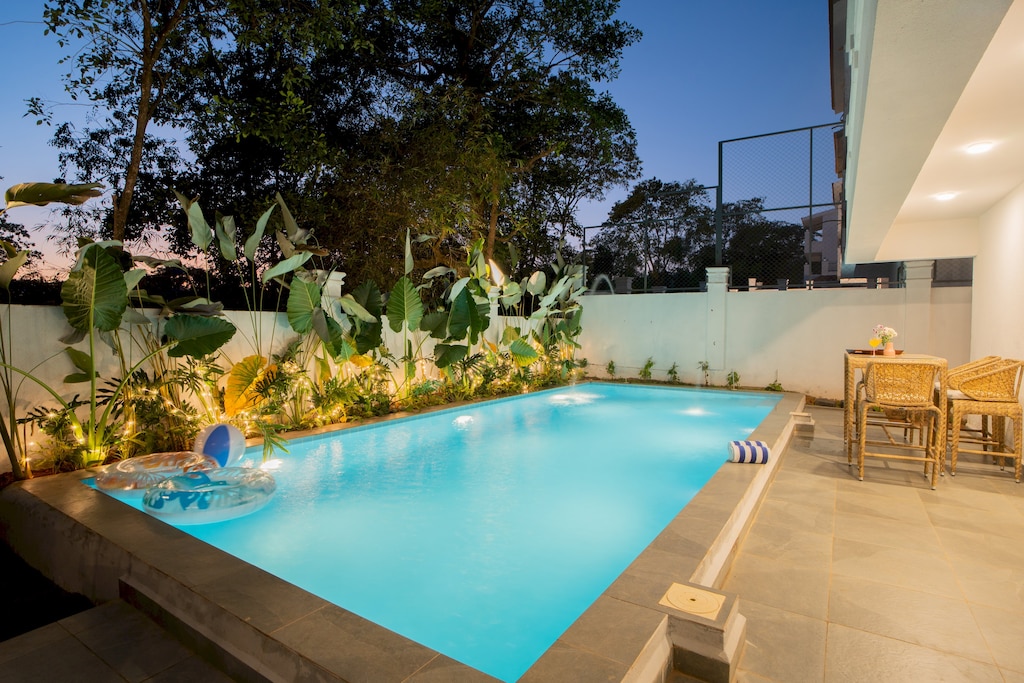
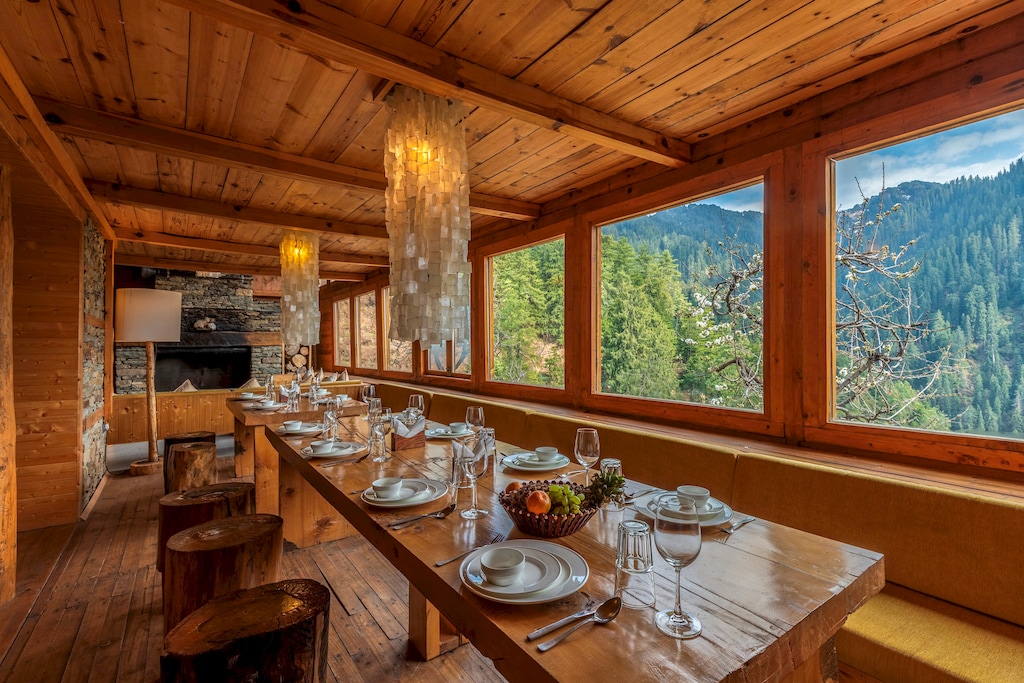
Explore 738 vacation rentals, homes, and villas in India for your next getaway or business trip. From relaxing escapes to city stays, discover a wide range of curated homes from $30 offering more space, comfort, and privacy than a traditional hotel, with premium amenities like private pools, full kitchens, spacious outdoor areas, and multi-bedroom layouts. Every home is professionally managed with 24/7 local support, premium linens, and high-speed Wi-Fi. Plus, Marriott Bonvoy members can earn and redeem points on every stay.
738 Vacation Rentals in India









Vacation Rentals in India by Amenities & Features
Get to Know India
India OverviewIndia is a land of incredible diversity, offering an array of experiences that cater to every kind of traveler. From the snow-capped peaks of the Himalayas in the north to the sun-drenched beaches of the tropical south, India's geographical diversity is as impressive as its cultural richness.
One of the country's most iconic landmarks is the Taj Mahal in Agra, a mausoleum built by the Mughal Emperor Shah Jahan for his beloved wife. This architectural marvel is a testament to the grandeur of India's historical legacy. Nearby, the bustling streets of Delhi offer a blend of historic sites like the Red Fort and Qutub Minar with modern shopping and dining experiences.
For those seeking spiritual enrichment, the holy city of Varanasi presents a deeply moving spectacle with its riverside ghats and timeless rituals along the sacred Ganges River. Further south, the ancient temples of Khajuraho showcase exquisite carvings and sculptures that are a testament to India's artistic heritage.
India's natural wonders are equally compelling. The backwaters of Kerala invite travelers to unwind on a traditional houseboat, while the national parks, such as Ranthambore and Bandhavgarh, offer thrilling wildlife safaris where one can spot tigers, elephants, and a plethora of other species.
The vibrant state of Rajasthan is a kaleidoscope of color, with its opulent palaces, majestic forts, and colorful bazaars. Cities like Jaipur, Jodhpur, and Udaipur are steeped in history and offer a glimpse into the royal past of the Rajputana.
Cuisine is another highlight of any trip to India. Each region boasts its own specialties, from the rich curries and kebabs of the north to the spicy seafood and dosas of the south. Street food is a delight for the senses, with an array of flavors and dishes to try.
For those in search of tranquility, the serene landscapes of the Himalayan hill stations, such as Shimla and Darjeeling, provide a cool retreat from the heat of the plains. Meanwhile, the beaches of Goa are perfect for relaxation, sunbathing, and enjoying the laid-back coastal lifestyle.
India's festivals are a spectacle not to be missed, with Diwali, Holi, and Pushkar Camel Fair being just a few examples of the vibrant celebrations that take place throughout the year.
In essence, India is a country that never ceases to amaze. Its rich tapestry of sights, sounds, and smells creates a travel experience that is at once overwhelming and deeply rewarding. Whether you're an adventurer, a culture enthusiast, or simply in search of something new, India promises a journey that is both unforgettable and transformative.
India is a land of incredible diversity, offering an array of experiences that cater to every kind of traveler. From the snow-capped peaks of the Himalayas in the north to the sun-drenched beaches of the tropical south, India's geographical diversity is as impressive as its cultural richness. One of the country's most iconic landmarks is the Taj Mahal in Agra, a mausoleum built by the Mughal Emperor Shah Jahan for his beloved wife. This architectural marvel is a testament to the grandeur of India's historical legacy. Nearby, the bustling streets of Delhi offer a blend of historic sites like the Red Fort and Qutub Minar with modern shopping and dining experiences. For those seeking spiritual enrichment, the holy city of Varanasi presents a deeply moving spectacle with its riverside ghats and timeless rituals along the sacred Ganges River. Further south, the ancient temples of Khajuraho showcase exquisite carvings and sculptures that are a testament to India's artistic heritage. India's natural wonders are equally compelling. The backwaters of Kerala invite travelers to unwind on a traditional houseboat, while the national parks, such as Ranthambore and Bandhavgarh, offer thrilling wildlife safaris where one can spot tigers, elephants, and a plethora of other species. The vibrant state of Rajasthan is a kaleidoscope of color, with its opulent palaces, majestic forts, and colorful bazaars. Cities like Jaipur, Jodhpur, and Udaipur are steeped in history and offer a glimpse into the royal past of the Rajputana. Cuisine is another highlight of any trip to India. Each region boasts its own specialties, from the rich curries and kebabs of the north to the spicy seafood and dosas of the south. Street food is a delight for the senses, with an array of flavors and dishes to try. For those in search of tranquility, the serene landscapes of the Himalayan hill stations, such as Shimla and Darjeeling, provide a cool retreat from the heat of the plains. Meanwhile, the beaches of Goa are perfect for relaxation, sunbathing, and enjoying the laid-back coastal lifestyle. India's festivals are a spectacle not to be missed, with Diwali, Holi, and Pushkar Camel Fair being just a few examples of the vibrant celebrations that take place throughout the year. In essence, India is a country that never ceases to amaze. Its rich tapestry of sights, sounds, and smells creates a travel experience that is at once overwhelming and deeply rewarding. Whether you're an adventurer, a culture enthusiast, or simply in search of something new, India promises a journey that is both unforgettable and transformative.
Weather in IndiaIndia's vast geographical diversity results in a wide array of weather patterns, making it a year-round destination with varying regional climates. Understanding the weather is key to planning the perfect trip to this vibrant country.
The Indian climate is typically categorized into three main seasons: summer, monsoon, and winter.
**Summer (March to June):** This season is characterized by high temperatures, especially in the northern plains and central regions where it can exceed 40°C (104°F). The southern and coastal areas are slightly cooler due to the moderating effect of the ocean. Humidity is generally low to moderate in the north but can be high in coastal regions. This is an ideal time to visit the hill stations like Shimla, Darjeeling, and Ooty for cooler weather.
**Monsoon (July to September):** The monsoon season brings heavy rainfall to most parts of India, with the west coast and northeastern regions receiving the most precipitation. Humidity levels soar during this time, and temperatures range from 25°C to 35°C (77°F to 95°F). While travel can be challenging due to rain, the monsoon also transforms the landscape into lush greenery, making it a beautiful time for those who don't mind getting a bit wet.
**Winter (October to February):** This is the most popular time to visit India, as the weather is generally pleasant across the country. In the north, temperatures can range from 5°C to 25°C (41°F to 77°F), with cooler nights. The south remains comfortably warm, with temperatures rarely dropping below 20°C (68°F). This season is perfect for exploring the desert regions of Rajasthan, the beaches of Goa, and the historical sites of the Golden Triangle (Delhi, Agra, and Jaipur).
Apart from these main seasons, there are regional variations to consider:
- **The Himalayas:** The high-altitude areas have a subarctic climate with heavy snowfall in winter, making it a great destination for skiing and winter sports.
- **The Thar Desert:** Experiences extreme temperatures, with scorching summers and chilly winters.
- **The Northeast:** Receives heavy rainfall during the monsoon, but is pleasantly mild in winter.
The most pleasant climate is typically found during the winter months, from November to February, when the weather is cool and dry, making it ideal for sightseeing and outdoor activities. However, if you're looking to experience the lush monsoon or escape the heat in the hill stations, planning your visit according to the regional climate will ensure a memorable trip.
India's vast geographical diversity results in a wide array of weather patterns, making it a year-round destination with varying regional climates. Understanding the weather is key to planning the perfect trip to this vibrant country. The Indian climate is typically categorized into three main seasons: summer, monsoon, and winter. **Summer (March to June):** This season is characterized by high temperatures, especially in the northern plains and central regions where it can exceed 40°C (104°F). The southern and coastal areas are slightly cooler due to the moderating effect of the ocean. Humidity is generally low to moderate in the north but can be high in coastal regions. This is an ideal time to visit the hill stations like Shimla, Darjeeling, and Ooty for cooler weather. **Monsoon (July to September):** The monsoon season brings heavy rainfall to most parts of India, with the west coast and northeastern regions receiving the most precipitation. Humidity levels soar during this time, and temperatures range from 25°C to 35°C (77°F to 95°F). While travel can be challenging due to rain, the monsoon also transforms the landscape into lush greenery, making it a beautiful time for those who don't mind getting a bit wet. **Winter (October to February):** This is the most popular time to visit India, as the weather is generally pleasant across the country. In the north, temperatures can range from 5°C to 25°C (41°F to 77°F), with cooler nights. The south remains comfortably warm, with temperatures rarely dropping below 20°C (68°F). This season is perfect for exploring the desert regions of Rajasthan, the beaches of Goa, and the historical sites of the Golden Triangle (Delhi, Agra, and Jaipur). Apart from these main seasons, there are regional variations to consider: - **The Himalayas:** The high-altitude areas have a subarctic climate with heavy snowfall in winter, making it a great destination for skiing and winter sports. - **The Thar Desert:** Experiences extreme temperatures, with scorching summers and chilly winters. - **The Northeast:** Receives heavy rainfall during the monsoon, but is pleasantly mild in winter. The most pleasant climate is typically found during the winter months, from November to February, when the weather is cool and dry, making it ideal for sightseeing and outdoor activities. However, if you're looking to experience the lush monsoon or escape the heat in the hill stations, planning your visit according to the regional climate will ensure a memorable trip.
Cultural Attractions in IndiaIndia is a kaleidoscope of cultural experiences, a dream destination for those who revel in the arts, history, and local customs. With its vibrant live music scenes, world-class museums, and art galleries, India offers an endless array of cultural treasures.
Begin your journey in the historic city of Delhi, where the National Museum stands as a guardian of India's rich heritage. Here, you can explore a vast collection that spans 5,000 years of Indian history, including rare artifacts from the Indus Valley Civilization and exquisite Buddhist sculptures. The nearby National Gallery of Modern Art showcases works by prominent Indian artists, offering a glimpse into the country's contemporary art scene.
In Mumbai, the Kala Ghoda Arts District is the heart of the city's cultural life, with galleries like Jehangir Art Gallery hosting exhibitions of modern and contemporary art. The annual Kala Ghoda Arts Festival transforms the area into a vibrant celebration of the arts, with performances, workshops, and stalls selling artisan crafts.
For a deep dive into history, visit the ancient city of Varanasi, where the ghats along the Ganges River provide a backdrop to centuries-old rituals and traditions. Attend the mesmerizing Ganga Aarti ceremony, an experience that embodies the spiritual essence of India.
In the southern city of Chennai, known as the gateway to South India, Carnatic music thrives. The Madras Music Season, an annual event, is a feast of classical music and dance performances, attracting aficionados from across the globe. Chennai's Government Museum, one of the oldest in India, houses an impressive collection of South Indian bronzes and archaeological finds.
No cultural journey through India would be complete without experiencing the grandeur of Rajasthan. In Jaipur, the Pink City, the Hawa Mahal and City Palace stand as monuments to the region's royal past. The city's vibrant bazaars offer a chance to witness local artisans at work, crafting everything from textiles to jewelry.
For contemporary art lovers, the Kochi-Muziris Biennale in Kerala is a must-visit. This international exhibition of contemporary art features artists from around the world and has helped put Indian art on the global map.
India's cultural offerings are as diverse as its landscapes. From the classical dances of Kerala to the folk music of Rajasthan, from the ancient temples of Tamil Nadu to the literary festivals of Kolkata, every corner of India pulsates with cultural vitality. It's a land where the past and present coexist, inviting travelers to immerse themselves in a rich tapestry of cultural experiences.
India is a kaleidoscope of cultural experiences, a dream destination for those who revel in the arts, history, and local customs. With its vibrant live music scenes, world-class museums, and art galleries, India offers an endless array of cultural treasures. Begin your journey in the historic city of Delhi, where the National Museum stands as a guardian of India's rich heritage. Here, you can explore a vast collection that spans 5,000 years of Indian history, including rare artifacts from the Indus Valley Civilization and exquisite Buddhist sculptures. The nearby National Gallery of Modern Art showcases works by prominent Indian artists, offering a glimpse into the country's contemporary art scene. In Mumbai, the Kala Ghoda Arts District is the heart of the city's cultural life, with galleries like Jehangir Art Gallery hosting exhibitions of modern and contemporary art. The annual Kala Ghoda Arts Festival transforms the area into a vibrant celebration of the arts, with performances, workshops, and stalls selling artisan crafts. For a deep dive into history, visit the ancient city of Varanasi, where the ghats along the Ganges River provide a backdrop to centuries-old rituals and traditions. Attend the mesmerizing Ganga Aarti ceremony, an experience that embodies the spiritual essence of India. In the southern city of Chennai, known as the gateway to South India, Carnatic music thrives. The Madras Music Season, an annual event, is a feast of classical music and dance performances, attracting aficionados from across the globe. Chennai's Government Museum, one of the oldest in India, houses an impressive collection of South Indian bronzes and archaeological finds. No cultural journey through India would be complete without experiencing the grandeur of Rajasthan. In Jaipur, the Pink City, the Hawa Mahal and City Palace stand as monuments to the region's royal past. The city's vibrant bazaars offer a chance to witness local artisans at work, crafting everything from textiles to jewelry. For contemporary art lovers, the Kochi-Muziris Biennale in Kerala is a must-visit. This international exhibition of contemporary art features artists from around the world and has helped put Indian art on the global map. India's cultural offerings are as diverse as its landscapes. From the classical dances of Kerala to the folk music of Rajasthan, from the ancient temples of Tamil Nadu to the literary festivals of Kolkata, every corner of India pulsates with cultural vitality. It's a land where the past and present coexist, inviting travelers to immerse themselves in a rich tapestry of cultural experiences.
Family friendly activities in IndiaIndia is a vibrant and diverse country that offers a plethora of experiences for families traveling with children. From historical landmarks to natural wonders, and from thrilling theme parks to interactive museums, there's something to capture the imagination of every child.
Begin your adventure in the capital city of New Delhi, where the National Rail Museum provides a fun and educational experience for train enthusiasts of all ages. Children can explore the history of the Indian railways through life-size exhibits and even enjoy a toy train ride.
For a magical experience, take your family to the Kingdom of Dreams in Gurgaon, near Delhi. This entertainment complex showcases the rich culture of India through musicals, street performances, and an elaborate cultural gully with themed restaurants.
In Mumbai, the bustling financial capital, visit the EsselWorld and Water Kingdom theme parks for a day of thrilling rides and water-based fun. The city also offers the Taraporewala Aquarium, where kids can marvel at marine life and learn about aquatic ecosystems.
The historic city of Agra, home to the iconic Taj Mahal, is a must-visit. While the monument itself is awe-inspiring, the nearby Agra Bear Rescue Facility is a unique conservation center where children can learn about bear conservation efforts in India.
For a touch of nature, head to the Jim Corbett National Park, where families can embark on a safari to spot tigers, elephants, and other wildlife in their natural habitat. The park's rich biodiversity and the excitement of spotting animals in the wild make it an unforgettable experience for children.
In the southern state of Kerala, known as "God's Own Country," families can enjoy a serene backwater cruise on a traditional houseboat. The lush landscapes and the chance to spot birds and aquatic life along the way will keep the kids engaged and enchanted.
For a blend of education and fun, the Visvesvaraya Industrial and Technological Museum in Bangalore is an interactive museum dedicated to science and technology, with hands-on exhibits that encourage children to learn through play.
Lastly, the beaches of Goa offer a relaxing getaway with plenty of water sports and activities for families. Children can build sandcastles, splash in the waves, and enjoy the laid-back atmosphere of this coastal paradise.
India's rich tapestry of experiences ensures that children will not only be entertained but also enriched by the country's history, culture, and natural beauty. Whether it's through exploring ancient forts, enjoying local festivals, or simply savoring the delicious Indian cuisine, a family trip to India is sure to be filled with wonder and excitement for kids of all ages.
India is a vibrant and diverse country that offers a plethora of experiences for families traveling with children. From historical landmarks to natural wonders, and from thrilling theme parks to interactive museums, there's something to capture the imagination of every child. Begin your adventure in the capital city of New Delhi, where the National Rail Museum provides a fun and educational experience for train enthusiasts of all ages. Children can explore the history of the Indian railways through life-size exhibits and even enjoy a toy train ride. For a magical experience, take your family to the Kingdom of Dreams in Gurgaon, near Delhi. This entertainment complex showcases the rich culture of India through musicals, street performances, and an elaborate cultural gully with themed restaurants. In Mumbai, the bustling financial capital, visit the EsselWorld and Water Kingdom theme parks for a day of thrilling rides and water-based fun. The city also offers the Taraporewala Aquarium, where kids can marvel at marine life and learn about aquatic ecosystems. The historic city of Agra, home to the iconic Taj Mahal, is a must-visit. While the monument itself is awe-inspiring, the nearby Agra Bear Rescue Facility is a unique conservation center where children can learn about bear conservation efforts in India. For a touch of nature, head to the Jim Corbett National Park, where families can embark on a safari to spot tigers, elephants, and other wildlife in their natural habitat. The park's rich biodiversity and the excitement of spotting animals in the wild make it an unforgettable experience for children. In the southern state of Kerala, known as "God's Own Country," families can enjoy a serene backwater cruise on a traditional houseboat. The lush landscapes and the chance to spot birds and aquatic life along the way will keep the kids engaged and enchanted. For a blend of education and fun, the Visvesvaraya Industrial and Technological Museum in Bangalore is an interactive museum dedicated to science and technology, with hands-on exhibits that encourage children to learn through play. Lastly, the beaches of Goa offer a relaxing getaway with plenty of water sports and activities for families. Children can build sandcastles, splash in the waves, and enjoy the laid-back atmosphere of this coastal paradise. India's rich tapestry of experiences ensures that children will not only be entertained but also enriched by the country's history, culture, and natural beauty. Whether it's through exploring ancient forts, enjoying local festivals, or simply savoring the delicious Indian cuisine, a family trip to India is sure to be filled with wonder and excitement for kids of all ages.
Outdoor activities in IndiaIndia, a land of staggering diversity, offers a plethora of natural wonders and outdoor activities for those who seek to immerse themselves in nature's splendor. From the snow-capped peaks of the Himalayas to the lush greenery of the Western Ghats, India's landscapes are as varied as they are breathtaking.
The Himalayas, the crown of India, offer some of the most exhilarating trekking experiences in the world. The region is home to famous treks like the Chadar Trek on the frozen Zanskar River, the verdant Valley of Flowers, and the challenging ascent to the Stok Kangri peak. For those seeking spiritual solace, the Char Dham Yatra, encompassing four sacred sites in the Himalayas, is a journey that combines natural beauty with spiritual upliftment.
In the north-eastern part of India, the Seven Sister States are a treasure trove of unspoiled nature. Meghalaya, known as the abode of clouds, boasts the wettest place on Earth, Mawsynram, and the living root bridges, a testament to the harmonious relationship between man and nature. The Kaziranga National Park in Assam is a World Heritage Site and a haven for the endangered one-horned rhinoceros.
Moving to the heart of India, the national parks of Madhya Pradesh, like Bandhavgarh and Kanha, offer thrilling safaris where one can spot the majestic Bengal tiger in its natural habitat. The state also houses the Bhimbetka rock shelters, showcasing prehistoric cave paintings amidst a rugged wilderness.
Down south, the Western Ghats are recognized as one of the world's eight 'hottest hotspots' of biological diversity. Here, the Nilgiri Biosphere Reserve encompasses a vast expanse of protected jungle, teeming with endemic flora and fauna. Kerala, with its tranquil backwaters, offers a unique way to experience nature through houseboat cruises, while the hill stations of Munnar and Wayanad are perfect for trekking and wildlife spotting.
For those who love water sports, the beaches of Goa and the Andaman and Nicobar Islands provide opportunities for scuba diving, snorkeling, and jet-skiing, revealing the rich marine life and coral reefs beneath the waves.
Lastly, the Thar Desert in Rajasthan presents a different facet of India's natural beauty. Camel safaris and star-gazing in the clear desert skies offer a serene and enchanting experience.
India's natural wonders are complemented by a rich cultural tapestry, making it an ideal destination for those who seek adventure, serenity, and a deep connection with nature.
India, a land of staggering diversity, offers a plethora of natural wonders and outdoor activities for those who seek to immerse themselves in nature's splendor. From the snow-capped peaks of the Himalayas to the lush greenery of the Western Ghats, India's landscapes are as varied as they are breathtaking. The Himalayas, the crown of India, offer some of the most exhilarating trekking experiences in the world. The region is home to famous treks like the Chadar Trek on the frozen Zanskar River, the verdant Valley of Flowers, and the challenging ascent to the Stok Kangri peak. For those seeking spiritual solace, the Char Dham Yatra, encompassing four sacred sites in the Himalayas, is a journey that combines natural beauty with spiritual upliftment. In the north-eastern part of India, the Seven Sister States are a treasure trove of unspoiled nature. Meghalaya, known as the abode of clouds, boasts the wettest place on Earth, Mawsynram, and the living root bridges, a testament to the harmonious relationship between man and nature. The Kaziranga National Park in Assam is a World Heritage Site and a haven for the endangered one-horned rhinoceros. Moving to the heart of India, the national parks of Madhya Pradesh, like Bandhavgarh and Kanha, offer thrilling safaris where one can spot the majestic Bengal tiger in its natural habitat. The state also houses the Bhimbetka rock shelters, showcasing prehistoric cave paintings amidst a rugged wilderness. Down south, the Western Ghats are recognized as one of the world's eight 'hottest hotspots' of biological diversity. Here, the Nilgiri Biosphere Reserve encompasses a vast expanse of protected jungle, teeming with endemic flora and fauna. Kerala, with its tranquil backwaters, offers a unique way to experience nature through houseboat cruises, while the hill stations of Munnar and Wayanad are perfect for trekking and wildlife spotting. For those who love water sports, the beaches of Goa and the Andaman and Nicobar Islands provide opportunities for scuba diving, snorkeling, and jet-skiing, revealing the rich marine life and coral reefs beneath the waves. Lastly, the Thar Desert in Rajasthan presents a different facet of India's natural beauty. Camel safaris and star-gazing in the clear desert skies offer a serene and enchanting experience. India's natural wonders are complemented by a rich cultural tapestry, making it an ideal destination for those who seek adventure, serenity, and a deep connection with nature.
Transportation in IndiaIndia, a land of remarkable diversity and rich cultural heritage, offers a wide array of transportation options for travelers. International visitors typically arrive by air, landing at major airports such as Indira Gandhi International Airport in Delhi, Chhatrapati Shivaji Maharaj International Airport in Mumbai, or Kempegowda International Airport in Bengaluru, among others. For those arriving from neighboring countries, there are also options to enter by road or train.
Once in India, the country's vast railway network, operated by Indian Railways, provides an iconic travel experience. Trains connect virtually every corner of the country, offering everything from budget-friendly sleeper cars to luxurious tourist trains like the Palace on Wheels. For longer distances or to save time, domestic flights connect major cities and tourist destinations.
For more localized travel, buses are a common and affordable option, with state-run and private operators running extensive services between cities, towns, and even remote villages. In urban areas, auto-rickshaws and cycle-rickshaws offer convenient short-distance rides, while app-based ride-sharing services like Ola and Uber are available in larger cities.
Taxis are also widely available, and in some places, you can hire a car with a driver for a day or longer, which can be a comfortable and flexible way to explore. For the adventurous, renting a motorcycle or scooter is a popular choice, though it's recommended only for experienced riders due to India's often chaotic traffic conditions.
India's cities vary in terms of walkability. In metropolitan areas like Mumbai and Delhi, the dense urban environment can be overwhelming, and walking is often not the most practical mode of transportation for long distances. However, many cities have vibrant bazaars and historic districts that are best explored on foot to fully appreciate the sights, sounds, and smells.
For intercity travel, the country's extensive network of national highways and expressways facilitates road trips, though travelers should be prepared for unpredictable traffic and varying road conditions.
In summary, India offers a transportation option for every type of traveler, from the luxury of air travel and trains to the grassroots experience of local buses and rickshaws. While navigating the country can be an adventure in itself, the diversity of transport reflects the very essence of India's multifaceted charm.
India, a land of remarkable diversity and rich cultural heritage, offers a wide array of transportation options for travelers. International visitors typically arrive by air, landing at major airports such as Indira Gandhi International Airport in Delhi, Chhatrapati Shivaji Maharaj International Airport in Mumbai, or Kempegowda International Airport in Bengaluru, among others. For those arriving from neighboring countries, there are also options to enter by road or train. Once in India, the country's vast railway network, operated by Indian Railways, provides an iconic travel experience. Trains connect virtually every corner of the country, offering everything from budget-friendly sleeper cars to luxurious tourist trains like the Palace on Wheels. For longer distances or to save time, domestic flights connect major cities and tourist destinations. For more localized travel, buses are a common and affordable option, with state-run and private operators running extensive services between cities, towns, and even remote villages. In urban areas, auto-rickshaws and cycle-rickshaws offer convenient short-distance rides, while app-based ride-sharing services like Ola and Uber are available in larger cities. Taxis are also widely available, and in some places, you can hire a car with a driver for a day or longer, which can be a comfortable and flexible way to explore. For the adventurous, renting a motorcycle or scooter is a popular choice, though it's recommended only for experienced riders due to India's often chaotic traffic conditions. India's cities vary in terms of walkability. In metropolitan areas like Mumbai and Delhi, the dense urban environment can be overwhelming, and walking is often not the most practical mode of transportation for long distances. However, many cities have vibrant bazaars and historic districts that are best explored on foot to fully appreciate the sights, sounds, and smells. For intercity travel, the country's extensive network of national highways and expressways facilitates road trips, though travelers should be prepared for unpredictable traffic and varying road conditions. In summary, India offers a transportation option for every type of traveler, from the luxury of air travel and trains to the grassroots experience of local buses and rickshaws. While navigating the country can be an adventure in itself, the diversity of transport reflects the very essence of India's multifaceted charm.
India FAQs
What is there to do in India?India offers a plethora of activities for travelers. You can explore the rich history and culture by visiting iconic landmarks like the Taj Mahal, Agra Fort, and the Red Fort. Adventure enthusiasts can trek in the Himalayas, go on a wildlife safari in national parks like Ranthambore or Jim Corbett, and practice yoga in Rishikesh. For a spiritual experience, visit the holy cities of Varanasi and Haridwar. Foodies can indulge in the diverse and flavorful Indian cuisine through food tours or cooking classes. Beach lovers can relax on the shores of Goa or Kerala. Lastly, don't miss out on the vibrant local markets and bazaars for unique shopping experiences.
India offers a plethora of activities for travelers. You can explore the rich history and culture by visiting iconic landmarks like the Taj Mahal, Agra Fort, and the Red Fort. Adventure enthusiasts can trek in the Himalayas, go on a wildlife safari in national parks like Ranthambore or Jim Corbett, and practice yoga in Rishikesh. For a spiritual experience, visit the holy cities of Varanasi and Haridwar. Foodies can indulge in the diverse and flavorful Indian cuisine through food tours or cooking classes. Beach lovers can relax on the shores of Goa or Kerala. Lastly, don't miss out on the vibrant local markets and bazaars for unique shopping experiences.
What is the best time to visit India?The best time to visit India is during the cooler, drier months from October to March. This is when the weather is most pleasant for sightseeing and outdoor activities. The summer months from April to June can be extremely hot, especially in the northern and central regions. The monsoon season from July to September brings heavy rains, which can affect travel plans but also offers lush, scenic landscapes and is ideal for visiting the southern states.
The best time to visit India is during the cooler, drier months from October to March. This is when the weather is most pleasant for sightseeing and outdoor activities. The summer months from April to June can be extremely hot, especially in the northern and central regions. The monsoon season from July to September brings heavy rains, which can affect travel plans but also offers lush, scenic landscapes and is ideal for visiting the southern states.
Do I need a visa to travel to India?Yes, most foreign nationals require a visa to enter India. You can apply for an e-Visa online if you're visiting for tourism, business, or medical purposes, which is valid for 60 days. For longer stays or other types of travel, you may need to apply for a traditional visa at an Indian consulate or embassy in your country.
Yes, most foreign nationals require a visa to enter India. You can apply for an e-Visa online if you're visiting for tourism, business, or medical purposes, which is valid for 60 days. For longer stays or other types of travel, you may need to apply for a traditional visa at an Indian consulate or embassy in your country.
Is it safe to travel in India?India is generally safe for travelers, but it's important to exercise caution as you would in any other country. Be aware of your surroundings, avoid traveling alone at night, and keep your valuables secure. It's also advisable to follow local customs and dress modestly. Female travelers should be particularly cautious and consider joining group tours or hiring reputable guides.
India is generally safe for travelers, but it's important to exercise caution as you would in any other country. Be aware of your surroundings, avoid traveling alone at night, and keep your valuables secure. It's also advisable to follow local customs and dress modestly. Female travelers should be particularly cautious and consider joining group tours or hiring reputable guides.
What should I pack for a trip to India?Packing for India depends on the region and time of year you're visiting. Generally, you should bring lightweight, breathable clothing, a good pair of walking shoes, a hat, sunglasses, and sunscreen. For visits to religious sites, bring clothing that covers your shoulders and knees. It's also wise to pack a basic first-aid kit, insect repellent, and any personal medications. Don't forget to bring a travel adapter for India's electrical outlets (230V, 50Hz, plug types C, D, and M).
Packing for India depends on the region and time of year you're visiting. Generally, you should bring lightweight, breathable clothing, a good pair of walking shoes, a hat, sunglasses, and sunscreen. For visits to religious sites, bring clothing that covers your shoulders and knees. It's also wise to pack a basic first-aid kit, insect repellent, and any personal medications. Don't forget to bring a travel adapter for India's electrical outlets (230V, 50Hz, plug types C, D, and M).
Can I drink tap water in India?It is not recommended to drink tap water in India. Stick to bottled water or water that has been filtered, boiled, or treated. Avoid ice in drinks and be cautious with fresh juices and salads that may have been washed in contaminated water. It's also a good idea to carry hand sanitizer and use it before eating.
It is not recommended to drink tap water in India. Stick to bottled water or water that has been filtered, boiled, or treated. Avoid ice in drinks and be cautious with fresh juices and salads that may have been washed in contaminated water. It's also a good idea to carry hand sanitizer and use it before eating.
More space, more privacy, more points with every home rental.
What makes Homes & Villas by Marriott Bonvoy a unique home rental experience? Unlike other home rental sites like AirBNB, when you book a vacation rental with Homes & Villas by Marriott Bonvoy you always have the whole place to yourself. Plus, as a member of Marriott Bonvoy, you can earn points towards free nights with every stay.