Nilgiris, India Vacation Rentals
Explore 15 vacation rentals, homes, and villas in Nilgiris for your next getaway or business trip. Experience the privacy of a home with premium amenities such as Air Condition Homes, Best Affordable Homes and Great for Groups, designed for a more comfortable and convenient stay. Every home is curated and professionally managed, with 24/7 local support, high-speed Wi-Fi, and premium linens included. With homes starting as low as $121 per night and featuring up to 6 bedrooms and 8 bathrooms, there's an option for every trip, from family vacations and group getaways to extended stays. However you're looking to experience your stay, Homes & Villas by Marriott has your next vacation home waiting. Marriott Bonvoy members can also earn and redeem points on every booking.
15 Vacation Rentals in Nilgiris
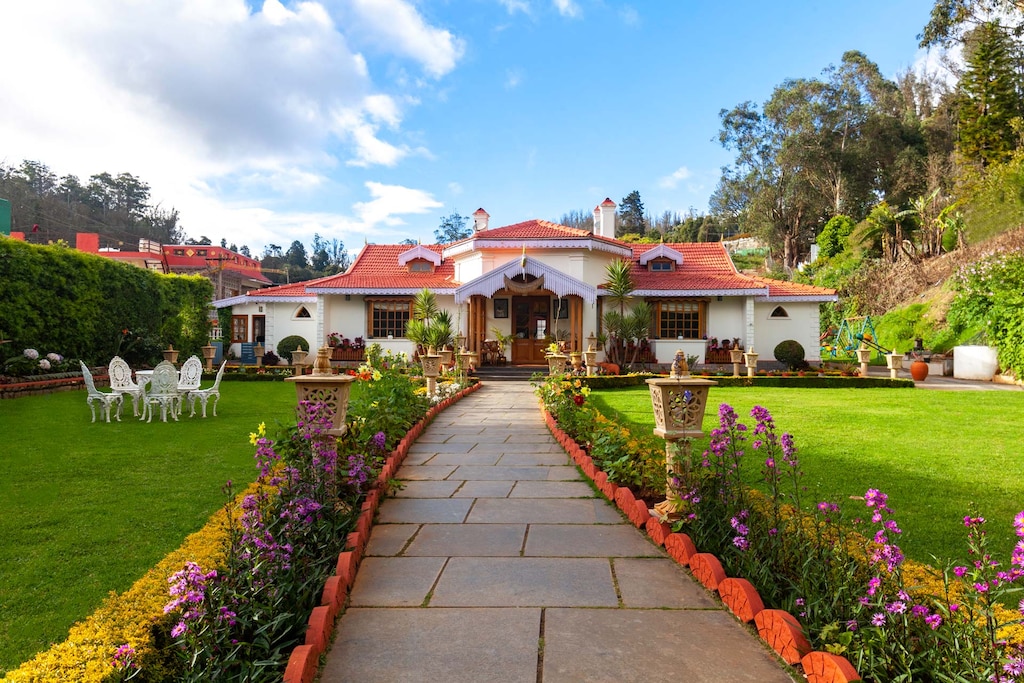

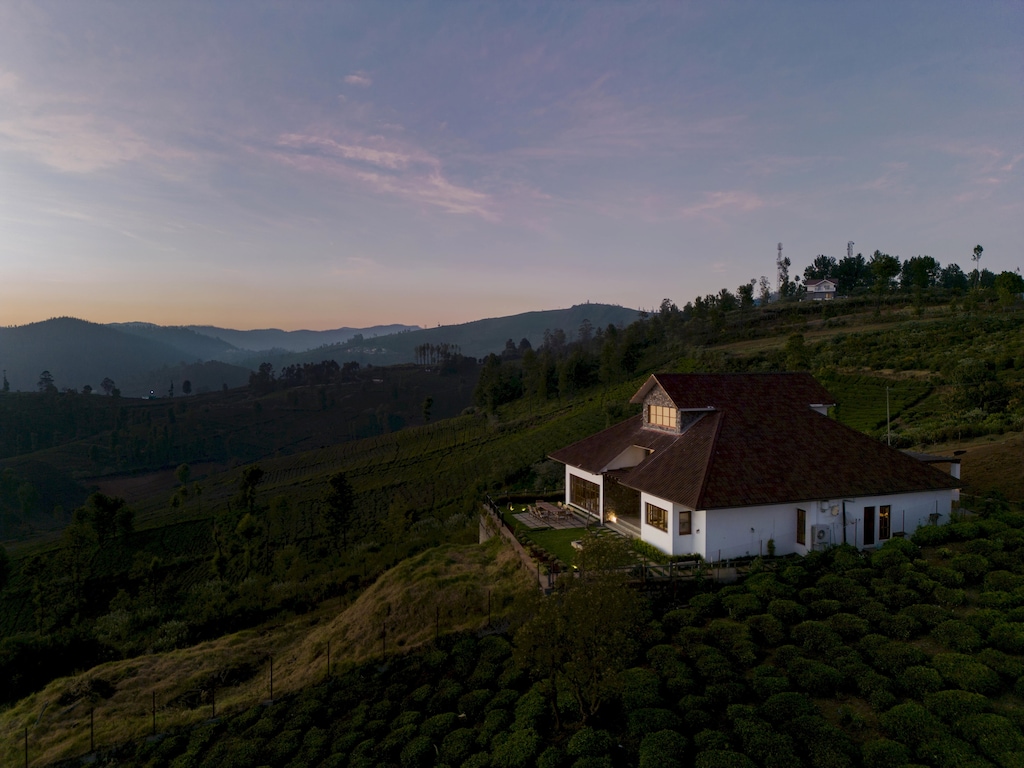


Vacation Rentals in Nilgiris by Amenities & Features
Get to Know Nilgiris
Nilgiris OverviewThe Nilgiris, also known as the Blue Mountains, are a mountain range in the southern Indian state of Tamil Nadu. This enchanting region is renowned for its rolling hills, lush tea gardens, and a mosaic of verdant landscapes that captivate nature lovers and adventure seekers alike.
One of the most iconic attractions in the Nilgiris is the hill station of Ooty, often referred to as the "Queen of Hill Stations." Ooty's botanical gardens, with their exotic plants and colonial-era layout, are a testament to the area's rich biodiversity and historical charm. The Ooty Lake offers boating experiences amidst serene surroundings, while the Doddabetta Peak, the highest in the Nilgiris, provides panoramic views that are simply breathtaking.
The Nilgiri Mountain Railway, a UNESCO World Heritage Site, is a marvel of engineering and a delightful way to experience the region's beauty. The historic toy train chugs through the mountains, offering passengers a journey through time and nature, with stunning vistas and charming old-world stations along the way.
Coonoor, another popular hill station in the Nilgiris, is less crowded than Ooty and equally beautiful. It's known for its tea plantations and the Sim's Park, a botanical garden that hosts an annual fruit and vegetable show. Trekking and bird watching are popular activities here, with the Nilgiri Biosphere Reserve being a haven for diverse flora and fauna.
For those interested in tribal culture, a visit to the Toda hamlets provides a glimpse into the lives of one of the region's oldest indigenous communities. The Todas are known for their unique, barrel-shaped huts and intricate embroidery, which reflect their deep connection to the environment and their traditions.
The Nilgiris also offer a range of outdoor activities, from hiking and mountain biking to jeep safaris in the Mudumalai National Park, where wildlife enthusiasts can spot tigers, elephants, and a variety of birds. The park is part of the Nilgiri Biosphere Reserve and plays a crucial role in the conservation of the region's unique ecosystems.
Culinary explorers can indulge in local delicacies like homemade chocolates, artisanal cheeses, and the flavorful Nilgiri tea. The region's cool climate also makes it ideal for spice cultivation, and the local markets are a great place to pick up fresh cardamom, pepper, and other spices.
In essence, the Nilgiris offer a serene escape into nature's lap, with a touch of colonial history, cultural richness, and adventure. It's a destination that promises a refreshing and rejuvenating experience for all who visit.
The Nilgiris, also known as the Blue Mountains, are a mountain range in the southern Indian state of Tamil Nadu. This enchanting region is renowned for its rolling hills, lush tea gardens, and a mosaic of verdant landscapes that captivate nature lovers and adventure seekers alike. One of the most iconic attractions in the Nilgiris is the hill station of Ooty, often referred to as the "Queen of Hill Stations." Ooty's botanical gardens, with their exotic plants and colonial-era layout, are a testament to the area's rich biodiversity and historical charm. The Ooty Lake offers boating experiences amidst serene surroundings, while the Doddabetta Peak, the highest in the Nilgiris, provides panoramic views that are simply breathtaking. The Nilgiri Mountain Railway, a UNESCO World Heritage Site, is a marvel of engineering and a delightful way to experience the region's beauty. The historic toy train chugs through the mountains, offering passengers a journey through time and nature, with stunning vistas and charming old-world stations along the way. Coonoor, another popular hill station in the Nilgiris, is less crowded than Ooty and equally beautiful. It's known for its tea plantations and the Sim's Park, a botanical garden that hosts an annual fruit and vegetable show. Trekking and bird watching are popular activities here, with the Nilgiri Biosphere Reserve being a haven for diverse flora and fauna. For those interested in tribal culture, a visit to the Toda hamlets provides a glimpse into the lives of one of the region's oldest indigenous communities. The Todas are known for their unique, barrel-shaped huts and intricate embroidery, which reflect their deep connection to the environment and their traditions. The Nilgiris also offer a range of outdoor activities, from hiking and mountain biking to jeep safaris in the Mudumalai National Park, where wildlife enthusiasts can spot tigers, elephants, and a variety of birds. The park is part of the Nilgiri Biosphere Reserve and plays a crucial role in the conservation of the region's unique ecosystems. Culinary explorers can indulge in local delicacies like homemade chocolates, artisanal cheeses, and the flavorful Nilgiri tea. The region's cool climate also makes it ideal for spice cultivation, and the local markets are a great place to pick up fresh cardamom, pepper, and other spices. In essence, the Nilgiris offer a serene escape into nature's lap, with a touch of colonial history, cultural richness, and adventure. It's a destination that promises a refreshing and rejuvenating experience for all who visit.
Weather in NilgirisNestled in the verdant embrace of the Western Ghats, the Nilgiris, or Blue Mountains, of India are a picturesque travel destination that offers a respite from the heat and humidity typical of the subcontinent. The region's weather is a delightful departure from the extremes, with a temperate climate that is inviting year-round.
The Nilgiris experience a mild and generally pleasant climate throughout the year, with temperatures that rarely venture into the extremes. The summer months, from April to June, are the warmest, yet they remain comfortable with average temperatures ranging from 15°C to 25°C. This is a time when the hills are alive with the sounds of nature and the sights of blooming flowers, making it a popular season for tourists seeking to escape the heat of the plains.
Monsoon season arrives in July and continues through September, bringing with it significant rainfall that transforms the landscape into a lush paradise. While the rains can be heavy, they also lend a unique beauty to the region, with misty vistas and waterfalls coming to life. The average temperature during this period ranges from 10°C to 20°C. For those who don't mind the rain, this can be a magical time to visit, though outdoor activities may be limited.
The post-monsoon months of October and November see a gradual reduction in rainfall and are characterized by clear skies and a fresh, green landscape. The temperatures during this period are cool and pleasant, making it an ideal time for trekking, sightseeing, and enjoying the natural beauty of the Nilgiris.
Winter, from December to February, is the coolest season, with temperatures dipping to a range of 5°C to 15°C. This is the time when the air is crisp, and the skies are at their clearest, offering breathtaking views of the mountains. While it can get quite cold, especially at night, the days are usually sunny, and the weather is perfect for cozying up with a warm drink or exploring the region's many attractions.
The most popular and pleasant time to visit the Nilgiris is between the months of October and March, when the weather is dry and the temperatures are cool. This period offers the best conditions for outdoor activities and for enjoying the panoramic views without the interruption of rain. Whether you're looking to wander through tea plantations, explore colonial-era hill stations, or simply soak in the natural splendor, the Nilgiris provide an enchanting backdrop that is both refreshing and invigorating.
Nestled in the verdant embrace of the Western Ghats, the Nilgiris, or Blue Mountains, of India are a picturesque travel destination that offers a respite from the heat and humidity typical of the subcontinent. The region's weather is a delightful departure from the extremes, with a temperate climate that is inviting year-round. The Nilgiris experience a mild and generally pleasant climate throughout the year, with temperatures that rarely venture into the extremes. The summer months, from April to June, are the warmest, yet they remain comfortable with average temperatures ranging from 15°C to 25°C. This is a time when the hills are alive with the sounds of nature and the sights of blooming flowers, making it a popular season for tourists seeking to escape the heat of the plains. Monsoon season arrives in July and continues through September, bringing with it significant rainfall that transforms the landscape into a lush paradise. While the rains can be heavy, they also lend a unique beauty to the region, with misty vistas and waterfalls coming to life. The average temperature during this period ranges from 10°C to 20°C. For those who don't mind the rain, this can be a magical time to visit, though outdoor activities may be limited. The post-monsoon months of October and November see a gradual reduction in rainfall and are characterized by clear skies and a fresh, green landscape. The temperatures during this period are cool and pleasant, making it an ideal time for trekking, sightseeing, and enjoying the natural beauty of the Nilgiris. Winter, from December to February, is the coolest season, with temperatures dipping to a range of 5°C to 15°C. This is the time when the air is crisp, and the skies are at their clearest, offering breathtaking views of the mountains. While it can get quite cold, especially at night, the days are usually sunny, and the weather is perfect for cozying up with a warm drink or exploring the region's many attractions. The most popular and pleasant time to visit the Nilgiris is between the months of October and March, when the weather is dry and the temperatures are cool. This period offers the best conditions for outdoor activities and for enjoying the panoramic views without the interruption of rain. Whether you're looking to wander through tea plantations, explore colonial-era hill stations, or simply soak in the natural splendor, the Nilgiris provide an enchanting backdrop that is both refreshing and invigorating.
Cultural Attractions in NilgirisThe Nilgiris, or the Blue Mountains of India, offer a serene and culturally rich experience for travelers with a love for the arts, history, and local customs. This picturesque region in Tamil Nadu is not only known for its stunning natural beauty but also for its unique cultural tapestry woven from the traditions of various indigenous communities and the influence of British colonial heritage.
Begin your cultural exploration at the Nilgiri Mountain Railway, a UNESCO World Heritage site, where the vintage steam locomotives and scenic vistas offer a glimpse into the region's colonial past. The journey itself is a moving museum, showcasing engineering marvels and breathtaking landscapes.
Art enthusiasts will find solace in the tranquility of the Nilgiris, which has inspired countless artists. Galleries like the Wax World Museum in Ooty display lifelike wax statues depicting historical and cultural figures, while the Government Museum offers insights into the tribal culture and ecological details of the region.
History buffs can delve into the past at the Stone House, Ooty's first bungalow built by the British, and St. Stephen's Church, one of the oldest churches in the region with its stained glass and colonial architecture. The Tribal Research Center in Ooty provides an in-depth look at the lives, customs, and artifacts of the local tribes, such as the Todas, Kotas, and Badagas.
Live music can be enjoyed during various festivals and events, where one can experience the traditional sounds of the Nilgiris. The annual Tea and Tourism Festival celebrates the region's famous tea gardens with cultural performances, while the Ooty Summer Festival features classical arts, flower shows, and boat races.
Local customs are best experienced through the region's cuisine, which is a blend of Tamil, indigenous, and colonial influences. Enjoy the local cheese, homemade chocolates, and fresh bakes that are reminiscent of the British era. The Nilgiri's tea plantations also offer a chance to learn about tea production and sample some of the finest teas.
For a more immersive experience, visit the Toda hamlets, where you can witness the daily life and unique hut architecture of the Toda people, one of the oldest tribes of the Nilgiris. Their intricate embroidery and pastoral lifestyle are a testament to the region's rich cultural heritage.
The Nilgiris is a destination where the beauty of nature and the depth of cultural experiences merge to create a travel experience that is both enriching and unforgettable. Whether it's through the arts, history, or local customs, the Nilgiris offers a peaceful retreat with a cultural soul.
The Nilgiris, or the Blue Mountains of India, offer a serene and culturally rich experience for travelers with a love for the arts, history, and local customs. This picturesque region in Tamil Nadu is not only known for its stunning natural beauty but also for its unique cultural tapestry woven from the traditions of various indigenous communities and the influence of British colonial heritage. Begin your cultural exploration at the Nilgiri Mountain Railway, a UNESCO World Heritage site, where the vintage steam locomotives and scenic vistas offer a glimpse into the region's colonial past. The journey itself is a moving museum, showcasing engineering marvels and breathtaking landscapes. Art enthusiasts will find solace in the tranquility of the Nilgiris, which has inspired countless artists. Galleries like the Wax World Museum in Ooty display lifelike wax statues depicting historical and cultural figures, while the Government Museum offers insights into the tribal culture and ecological details of the region. History buffs can delve into the past at the Stone House, Ooty's first bungalow built by the British, and St. Stephen's Church, one of the oldest churches in the region with its stained glass and colonial architecture. The Tribal Research Center in Ooty provides an in-depth look at the lives, customs, and artifacts of the local tribes, such as the Todas, Kotas, and Badagas. Live music can be enjoyed during various festivals and events, where one can experience the traditional sounds of the Nilgiris. The annual Tea and Tourism Festival celebrates the region's famous tea gardens with cultural performances, while the Ooty Summer Festival features classical arts, flower shows, and boat races. Local customs are best experienced through the region's cuisine, which is a blend of Tamil, indigenous, and colonial influences. Enjoy the local cheese, homemade chocolates, and fresh bakes that are reminiscent of the British era. The Nilgiri's tea plantations also offer a chance to learn about tea production and sample some of the finest teas. For a more immersive experience, visit the Toda hamlets, where you can witness the daily life and unique hut architecture of the Toda people, one of the oldest tribes of the Nilgiris. Their intricate embroidery and pastoral lifestyle are a testament to the region's rich cultural heritage. The Nilgiris is a destination where the beauty of nature and the depth of cultural experiences merge to create a travel experience that is both enriching and unforgettable. Whether it's through the arts, history, or local customs, the Nilgiris offers a peaceful retreat with a cultural soul.
Family friendly activities in NilgirisThe Nilgiris, or Blue Mountains, of India are a picturesque and enchanting destination for families traveling with children. This region offers a blend of natural beauty, wildlife, and engaging activities that are sure to captivate the imagination of young travelers.
Begin your family adventure with a ride on the Nilgiri Mountain Railway, a UNESCO World Heritage site. The toy train, as it's affectionately known, chugs through the mountains offering breathtaking views and a fun experience for kids as it navigates through tunnels, bridges, and lush landscapes.
The town of Ooty, the queen of hill stations, is a hub for family-friendly activities. Ooty Lake is a popular spot where children can enjoy boat rides, horseback riding, and cycling around the lake. The adjacent Thread Garden showcases an impressive collection of flowers and plants made entirely from thread, wire, and canvas, which is sure to intrigue young minds.
For a close encounter with nature, the Ooty Botanical Gardens is a must-visit. Spread over 22 hectares, the gardens are home to a fossil tree that is over 20 million years old, an Italian-style garden layout, and a variety of exotic and indigenous plants. Children can run around the vast lawns and learn about different plant species.
The Mudumalai National Park, located on the northwestern side of the Nilgiri Hills, is an excellent place for wildlife spotting. The park is part of the Nilgiri Biosphere Reserve and is home to various species such as tigers, leopards, elephants, and more. Opt for a safari to give your kids an unforgettable wildlife experience.
For a dose of adventure, take your children to Doddabetta Peak, the highest point in the Nilgiris. The telescope house at the summit allows for panoramic views of the surrounding landscape, and the trail to the peak is an easy hike for families.
The Nilgiri Library in Ooty, with its charming British-era architecture, offers a quiet retreat for families. Children can browse through books and participate in storytelling sessions, which are often held in the children's section.
Lastly, no trip to the Nilgiris is complete without indulging in homemade chocolates, a local specialty. Visit one of the many chocolate shops in Ooty, where children can pick from an array of delicious treats.
With its serene environment, engaging activities, and opportunities for learning and adventure, the Nilgiris is a delightful destination for families with children, promising a vacation filled with joy and wonder.
The Nilgiris, or Blue Mountains, of India are a picturesque and enchanting destination for families traveling with children. This region offers a blend of natural beauty, wildlife, and engaging activities that are sure to captivate the imagination of young travelers. Begin your family adventure with a ride on the Nilgiri Mountain Railway, a UNESCO World Heritage site. The toy train, as it's affectionately known, chugs through the mountains offering breathtaking views and a fun experience for kids as it navigates through tunnels, bridges, and lush landscapes. The town of Ooty, the queen of hill stations, is a hub for family-friendly activities. Ooty Lake is a popular spot where children can enjoy boat rides, horseback riding, and cycling around the lake. The adjacent Thread Garden showcases an impressive collection of flowers and plants made entirely from thread, wire, and canvas, which is sure to intrigue young minds. For a close encounter with nature, the Ooty Botanical Gardens is a must-visit. Spread over 22 hectares, the gardens are home to a fossil tree that is over 20 million years old, an Italian-style garden layout, and a variety of exotic and indigenous plants. Children can run around the vast lawns and learn about different plant species. The Mudumalai National Park, located on the northwestern side of the Nilgiri Hills, is an excellent place for wildlife spotting. The park is part of the Nilgiri Biosphere Reserve and is home to various species such as tigers, leopards, elephants, and more. Opt for a safari to give your kids an unforgettable wildlife experience. For a dose of adventure, take your children to Doddabetta Peak, the highest point in the Nilgiris. The telescope house at the summit allows for panoramic views of the surrounding landscape, and the trail to the peak is an easy hike for families. The Nilgiri Library in Ooty, with its charming British-era architecture, offers a quiet retreat for families. Children can browse through books and participate in storytelling sessions, which are often held in the children's section. Lastly, no trip to the Nilgiris is complete without indulging in homemade chocolates, a local specialty. Visit one of the many chocolate shops in Ooty, where children can pick from an array of delicious treats. With its serene environment, engaging activities, and opportunities for learning and adventure, the Nilgiris is a delightful destination for families with children, promising a vacation filled with joy and wonder.
Outdoor activities in NilgirisThe Nilgiris, or Blue Mountains, of India are a true paradise for outdoor enthusiasts and nature lovers. This enchanting region in the state of Tamil Nadu is renowned for its rolling hills, lush tea gardens, dense forests, and rich biodiversity. The Nilgiris form part of the Western Ghats, a UNESCO World Heritage site, and offer a plethora of activities and natural wonders to explore.
One of the most iconic attractions in the Nilgiris is the Nilgiri Mountain Railway, a UNESCO World Heritage site itself. This historic toy train winds its way through the picturesque landscapes, offering breathtaking views of the mountains and valleys. It's an experience that combines the thrill of adventure with the serenity of nature.
For those who seek to immerse themselves in the natural world, the Nilgiris present numerous trekking and hiking opportunities. Trails range from the relatively easy walks around Ooty, the region's most famous hill station, to more challenging treks in the Mukurthi National Park. This park is a sanctuary for the endangered Nilgiri Tahr and also features a stunning array of flora, including orchids and rhododendrons.
Birdwatchers will find themselves in heaven in the Nilgiris, with the region being home to over 250 species of birds. The dense forests of the Mudumalai National Park are a prime spot for avian enthusiasts, with the chance to spot peacocks, bulbuls, Malabar trogons, and many more. The park is also a tiger reserve and shelters other wildlife such as elephants, leopards, and gaurs.
Botanical gardens are a hallmark of the Nilgiris, with the Government Botanical Garden in Ooty housing thousands of plant species, including a fossil tree believed to be over 20 million years old. The Rose Garden in Ooty is another floral spectacle, with over 2,000 varieties of roses to admire.
For a truly unique experience, visit the Toda hamlets to witness the traditional lifestyle of the indigenous Toda people, whose culture and livelihood are deeply intertwined with the Nilgiri ecosystem.
Adventure sports enthusiasts can indulge in mountain biking or hang-gliding to get their adrenaline pumping, while the serene lakes of Ooty and Avalanche offer boating and fishing activities in picturesque settings.
The Nilgiris are not just a destination; they are a retreat for the soul. With its cool climate, misty landscapes, and myriad opportunities for adventure and relaxation, the Nilgiris beckon travelers seeking a deep connection with nature.
The Nilgiris, or Blue Mountains, of India are a true paradise for outdoor enthusiasts and nature lovers. This enchanting region in the state of Tamil Nadu is renowned for its rolling hills, lush tea gardens, dense forests, and rich biodiversity. The Nilgiris form part of the Western Ghats, a UNESCO World Heritage site, and offer a plethora of activities and natural wonders to explore. One of the most iconic attractions in the Nilgiris is the Nilgiri Mountain Railway, a UNESCO World Heritage site itself. This historic toy train winds its way through the picturesque landscapes, offering breathtaking views of the mountains and valleys. It's an experience that combines the thrill of adventure with the serenity of nature. For those who seek to immerse themselves in the natural world, the Nilgiris present numerous trekking and hiking opportunities. Trails range from the relatively easy walks around Ooty, the region's most famous hill station, to more challenging treks in the Mukurthi National Park. This park is a sanctuary for the endangered Nilgiri Tahr and also features a stunning array of flora, including orchids and rhododendrons. Birdwatchers will find themselves in heaven in the Nilgiris, with the region being home to over 250 species of birds. The dense forests of the Mudumalai National Park are a prime spot for avian enthusiasts, with the chance to spot peacocks, bulbuls, Malabar trogons, and many more. The park is also a tiger reserve and shelters other wildlife such as elephants, leopards, and gaurs. Botanical gardens are a hallmark of the Nilgiris, with the Government Botanical Garden in Ooty housing thousands of plant species, including a fossil tree believed to be over 20 million years old. The Rose Garden in Ooty is another floral spectacle, with over 2,000 varieties of roses to admire. For a truly unique experience, visit the Toda hamlets to witness the traditional lifestyle of the indigenous Toda people, whose culture and livelihood are deeply intertwined with the Nilgiri ecosystem. Adventure sports enthusiasts can indulge in mountain biking or hang-gliding to get their adrenaline pumping, while the serene lakes of Ooty and Avalanche offer boating and fishing activities in picturesque settings. The Nilgiris are not just a destination; they are a retreat for the soul. With its cool climate, misty landscapes, and myriad opportunities for adventure and relaxation, the Nilgiris beckon travelers seeking a deep connection with nature.
Transportation in NilgirisThe Nilgiris, a picturesque district in the southern Indian state of Tamil Nadu, is a destination that offers a serene escape into nature. Known for its rolling hills, tea plantations, and rich biodiversity, the Nilgiris is accessible by various modes of transportation.
Most travelers arrive at the Nilgiris via Coimbatore, which has the nearest airport, Coimbatore International Airport. From there, one can hire a taxi or take a bus to reach the hill station of Ooty, which is approximately 85 kilometers away. The drive is scenic, winding through the mountains with breathtaking views.
Another popular and charming way to reach Ooty is by the Nilgiri Mountain Railway, a UNESCO World Heritage site. The toy train, as it is fondly called, starts from Mettupalayam and chugs its way up the hills, offering passengers a nostalgic ride with stunning vistas. The journey is slow-paced, allowing ample time to soak in the natural beauty.
Within the Nilgiris, local transportation includes buses and taxis, which are readily available for getting around. However, for a more leisurely and flexible experience, many visitors prefer to hire a taxi for the day to explore the district's various attractions, such as Doddabetta Peak, the Botanical Gardens, and the tea estates.
The main towns within the Nilgiris, like Ooty and Coonoor, are moderately walkable, especially in the town centers where attractions are closer together. Walking is a delightful way to experience the local culture and the cool climate, but for longer distances or to visit attractions that are spread out, using a vehicle is advisable.
For those who enjoy cycling, renting a bicycle can be a rewarding way to explore the quieter roads and the countryside, though one should be prepared for the hilly terrain.
In summary, the Nilgiris offers a mix of transportation options suitable for different preferences and itineraries. Whether arriving by air and then transitioning to road or rail, or exploring the region by bus, taxi, or bicycle, visitors will find that the journey through the Nilgiris is as enchanting as the destination itself.
The Nilgiris, a picturesque district in the southern Indian state of Tamil Nadu, is a destination that offers a serene escape into nature. Known for its rolling hills, tea plantations, and rich biodiversity, the Nilgiris is accessible by various modes of transportation. Most travelers arrive at the Nilgiris via Coimbatore, which has the nearest airport, Coimbatore International Airport. From there, one can hire a taxi or take a bus to reach the hill station of Ooty, which is approximately 85 kilometers away. The drive is scenic, winding through the mountains with breathtaking views. Another popular and charming way to reach Ooty is by the Nilgiri Mountain Railway, a UNESCO World Heritage site. The toy train, as it is fondly called, starts from Mettupalayam and chugs its way up the hills, offering passengers a nostalgic ride with stunning vistas. The journey is slow-paced, allowing ample time to soak in the natural beauty. Within the Nilgiris, local transportation includes buses and taxis, which are readily available for getting around. However, for a more leisurely and flexible experience, many visitors prefer to hire a taxi for the day to explore the district's various attractions, such as Doddabetta Peak, the Botanical Gardens, and the tea estates. The main towns within the Nilgiris, like Ooty and Coonoor, are moderately walkable, especially in the town centers where attractions are closer together. Walking is a delightful way to experience the local culture and the cool climate, but for longer distances or to visit attractions that are spread out, using a vehicle is advisable. For those who enjoy cycling, renting a bicycle can be a rewarding way to explore the quieter roads and the countryside, though one should be prepared for the hilly terrain. In summary, the Nilgiris offers a mix of transportation options suitable for different preferences and itineraries. Whether arriving by air and then transitioning to road or rail, or exploring the region by bus, taxi, or bicycle, visitors will find that the journey through the Nilgiris is as enchanting as the destination itself.
Nilgiris FAQs
What is there to do in the Nilgiris?The Nilgiris, part of the Western Ghats in India, offer a range of activities for travelers. You can explore the hill stations like Ooty, Coonoor, and Kotagiri; visit tea estates and botanical gardens; enjoy hiking and trekking in the Nilgiri mountains; take scenic train rides on the Nilgiri Mountain Railway; and spot wildlife at the Mudumalai National Park.
The Nilgiris, part of the Western Ghats in India, offer a range of activities for travelers. You can explore the hill stations like Ooty, Coonoor, and Kotagiri; visit tea estates and botanical gardens; enjoy hiking and trekking in the Nilgiri mountains; take scenic train rides on the Nilgiri Mountain Railway; and spot wildlife at the Mudumalai National Park.
What is the best time to visit the Nilgiris?The best time to visit the Nilgiris is from October to May when the weather is pleasant. Monsoon months, from June to September, can be avoided due to heavy rainfall which might disrupt outdoor activities.
The best time to visit the Nilgiris is from October to May when the weather is pleasant. Monsoon months, from June to September, can be avoided due to heavy rainfall which might disrupt outdoor activities.
How do I get to the Nilgiris?The nearest airport to the Nilgiris is Coimbatore International Airport. From there, you can hire a taxi or take a bus to reach the hill stations. The Nilgiri Mountain Railway also connects Mettupalayam to Ooty, which is a popular route for its picturesque views.
The nearest airport to the Nilgiris is Coimbatore International Airport. From there, you can hire a taxi or take a bus to reach the hill stations. The Nilgiri Mountain Railway also connects Mettupalayam to Ooty, which is a popular route for its picturesque views.
Are there any cultural experiences specific to the Nilgiris?Yes, the Nilgiris are home to the indigenous Toda tribe, and visitors can learn about their unique culture and traditions. The region also hosts tea and tourism festivals, and local markets where you can shop for handmade chocolates, artisanal cheeses, and Nilgiri oils.
Yes, the Nilgiris are home to the indigenous Toda tribe, and visitors can learn about their unique culture and traditions. The region also hosts tea and tourism festivals, and local markets where you can shop for handmade chocolates, artisanal cheeses, and Nilgiri oils.
What kind of accommodations are available in the Nilgiris?The Nilgiris offer a range of accommodations, from luxury resorts and heritage bungalows to budget hotels and homestays. Many properties are set amidst the hills and tea plantations, offering stunning views and serene environments.
The Nilgiris offer a range of accommodations, from luxury resorts and heritage bungalows to budget hotels and homestays. Many properties are set amidst the hills and tea plantations, offering stunning views and serene environments.
Is it necessary to hire a guide for trekking in the Nilgiris?While it's not mandatory to hire a guide for trekking, it is recommended for those unfamiliar with the terrain. A local guide can enhance the experience by providing insights into the local flora, fauna, and culture, and ensuring safety on less-traveled paths.
While it's not mandatory to hire a guide for trekking, it is recommended for those unfamiliar with the terrain. A local guide can enhance the experience by providing insights into the local flora, fauna, and culture, and ensuring safety on less-traveled paths.
What are the must-try foods in the Nilgiris?In the Nilgiris, you should try local South Indian cuisine, including dishes like idli, dosa, and sambar. The region is also known for its homemade chocolates, fresh fruit jams, and Nilgiri tea. Don't miss out on tasting the local cheese, which is a specialty of the area.
In the Nilgiris, you should try local South Indian cuisine, including dishes like idli, dosa, and sambar. The region is also known for its homemade chocolates, fresh fruit jams, and Nilgiri tea. Don't miss out on tasting the local cheese, which is a specialty of the area.
More space, more privacy, more points with every home rental.
What makes Homes & Villas by Marriott Bonvoy a unique home rental experience? Unlike other home rental sites like AirBNB, when you book a vacation rental with Homes & Villas by Marriott Bonvoy you always have the whole place to yourself. Plus, as a member of Marriott Bonvoy, you can earn points towards free nights with every stay.