Busan, South Korea Vacation Rentals
Explore 18 vacation rentals, homes, and villas in Busan for your next getaway or business trip. Experience the privacy of a home with premium amenities such as Air Condition Homes, Best Affordable Homes and Great for Groups, designed for a more comfortable and convenient stay. Every home is curated and professionally managed, with 24/7 local support, high-speed Wi-Fi, and premium linens included. With homes starting as low as $370 per night and featuring up to 4 bedrooms and 4 bathrooms, there's an option for every trip, from family vacations and group getaways to extended stays. However you're looking to experience your stay, Homes & Villas by Marriott has your next vacation home waiting. Marriott Bonvoy members can also earn and redeem points on every booking.
18 Vacation Rentals in Busan


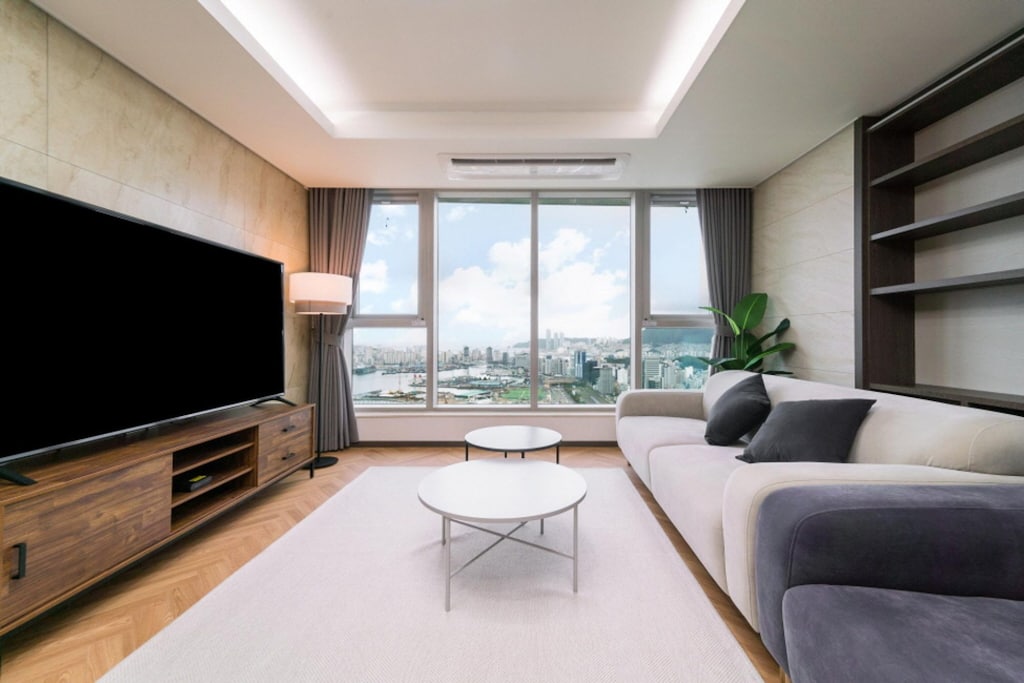


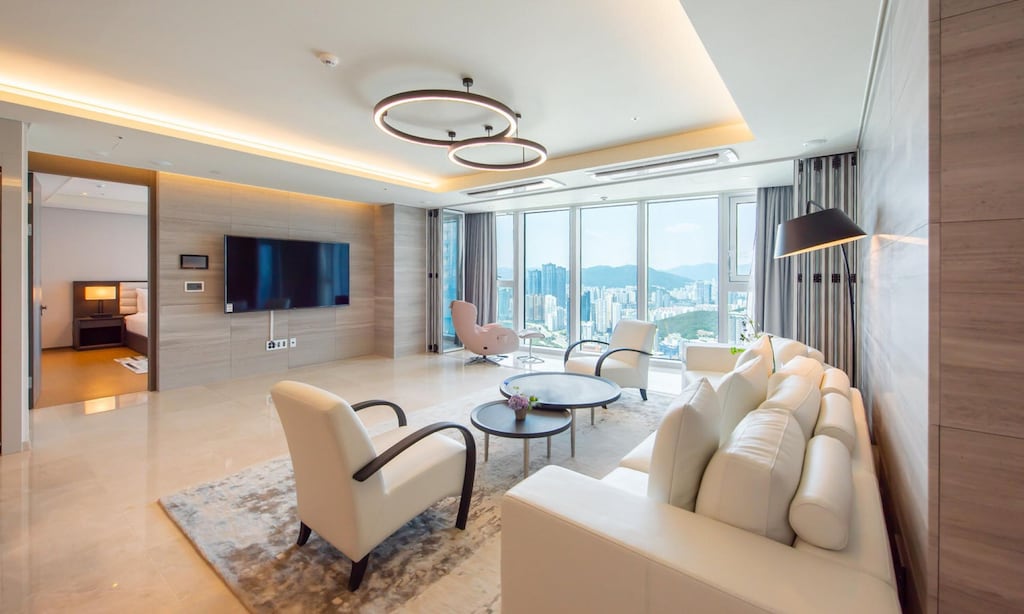
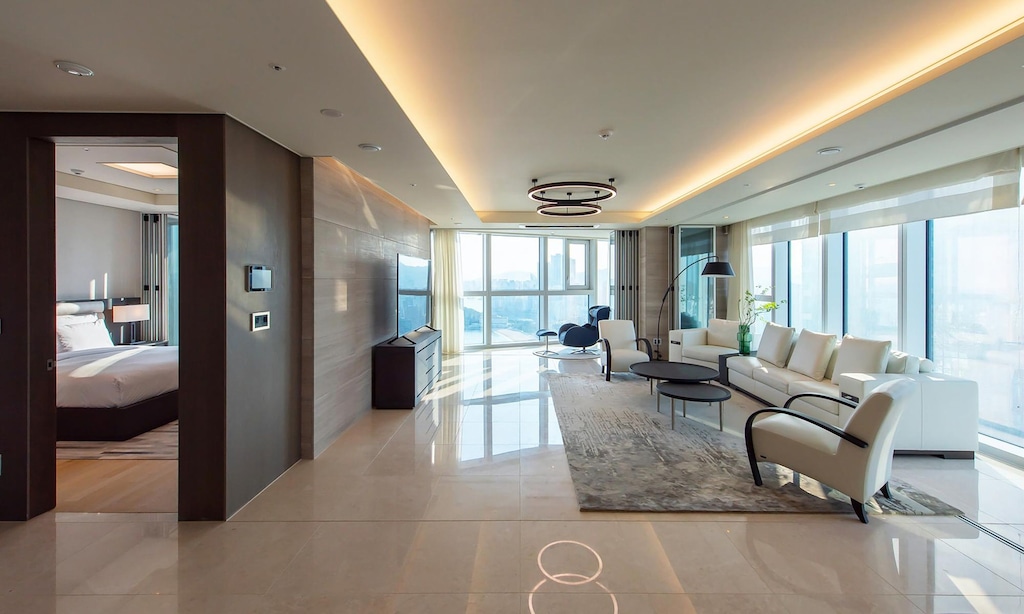


Vacation Rentals in Busan by Amenities & Features
Get to Know Busan
Busan OverviewBusan, South Korea is a major coastal metropolis that beautifully combines the elements of modern city life with traditional Korean culture. As the city next in size to Seoul, Busan offers a wide range of attractions suitable for all types of travelers.
For those who love the beach, Haeundae Beach is a popular destination. Known for its stunning coastline and vibrant atmosphere, it provides an ideal spot for sunbathing, swimming or simply taking in the picturesque views. The SEA LIFE Busan Aquarium is also nearby, housing thousands of marine creatures.
The cultural heritage of Busan can be discovered in places like Gamcheon Culture Village. This hillside village with its brightly colored houses and artistic murals offers breathtaking views of both the city and sea. The Beomeosa Temple, one of Korea’s significant Buddhist sites nestled in the mountains north of Busan, offers a serene escape from the city's hustle.
Food enthusiasts will enjoy exploring Busan's culinary scene. Jagalchi Market is well-known for its seafood offerings while Gukje Market provides an array of street food options. The city also takes pride in local delicacies such as pork rice soup (dwaeji gukbap) and milmyeon (cold wheat noodles).
Nature lovers can take pleasure in hiking at Geumjeongsan Mountain which provides panoramic views over Busan or visit Taejongdae Park known for its rocky coastline and dense forests.
Shopping enthusiasts will find Shinsegae Centum City appealing as it holds the Guinness World Record as the world’s largest department store offering endless shopping opportunities.
Additionally, visitors might want to check out other interesting sights such as the Busan Tower which offers panoramic views over the city, Haedong Yonggungsa Temple - a beautiful seaside Buddhist temple or BIFF Square/Busan Cinema Center - famous landmarks related to film industry.
In summary, with its attractive beaches, rich cultural heritage sites, diverse cuisine, bustling markets and shopping opportunities; Busan presents a fascinating mix of experiences making it a worthy destination to visit.
Busan, South Korea is a major coastal metropolis that beautifully combines the elements of modern city life with traditional Korean culture. As the city next in size to Seoul, Busan offers a wide range of attractions suitable for all types of travelers. For those who love the beach, Haeundae Beach is a popular destination. Known for its stunning coastline and vibrant atmosphere, it provides an ideal spot for sunbathing, swimming or simply taking in the picturesque views. The SEA LIFE Busan Aquarium is also nearby, housing thousands of marine creatures. The cultural heritage of Busan can be discovered in places like Gamcheon Culture Village. This hillside village with its brightly colored houses and artistic murals offers breathtaking views of both the city and sea. The Beomeosa Temple, one of Korea’s significant Buddhist sites nestled in the mountains north of Busan, offers a serene escape from the city's hustle. Food enthusiasts will enjoy exploring Busan's culinary scene. Jagalchi Market is well-known for its seafood offerings while Gukje Market provides an array of street food options. The city also takes pride in local delicacies such as pork rice soup (dwaeji gukbap) and milmyeon (cold wheat noodles). Nature lovers can take pleasure in hiking at Geumjeongsan Mountain which provides panoramic views over Busan or visit Taejongdae Park known for its rocky coastline and dense forests. Shopping enthusiasts will find Shinsegae Centum City appealing as it holds the Guinness World Record as the world’s largest department store offering endless shopping opportunities. Additionally, visitors might want to check out other interesting sights such as the Busan Tower which offers panoramic views over the city, Haedong Yonggungsa Temple - a beautiful seaside Buddhist temple or BIFF Square/Busan Cinema Center - famous landmarks related to film industry. In summary, with its attractive beaches, rich cultural heritage sites, diverse cuisine, bustling markets and shopping opportunities; Busan presents a fascinating mix of experiences making it a worthy destination to visit.
Busan, South Korea is a major coastal metropolis that beautifully combines the elements of modern city life with traditional Korean culture. As the city next in size to Seoul, Busan offers a wide range of attractions suitable for all types of travelers. For those who love the beach, Haeundae Beach is a popular destination. Known for its stunning coastline and vibrant atmosphere, it provides an ideal spot for sunbathing, swimming or simply taking in the picturesque views. The SEA LIFE Busan Aquarium is also nearby, housing thousands of marine creatures. The cultural heritage of Busan can be discovered in places like Gamcheon Culture Village. This hillside village with its brightly colored houses and artistic murals offers breathtaking views of both the city and sea. The Beomeosa Temple, one of Korea’s significant Buddhist sites nestled in the mountains north of Busan, offers a serene escape from the city's hustle. Food enthusiasts will enjoy exploring Busan's culinary scene. Jagalchi Market is well-known for its seafood offerings while Gukje Market provides an array of street food options. The city also takes pride in local delicacies such as pork rice soup (dwaeji gukbap) and milmyeon (cold wheat noodles). Nature lovers can take pleasure in hiking at Geumjeongsan Mountain which provides panoramic views over Busan or visit Taejongdae Park known for its rocky coastline and dense forests. Shopping enthusiasts will find Shinsegae Centum City appealing as it holds the Guinness World Record as the world’s largest department store offering endless shopping opportunities. Additionally, visitors might want to check out other interesting sights such as the Busan Tower which offers panoramic views over the city, Haedong Yonggungsa Temple - a beautiful seaside Buddhist temple or BIFF Square/Busan Cinema Center - famous landmarks related to film industry. In summary, with its attractive beaches, rich cultural heritage sites, diverse cuisine, bustling markets and shopping opportunities; Busan presents a fascinating mix of experiences making it a worthy destination to visit.
Weather in BusanBusan, South Korea is characterized by a humid subtropical climate, with four distinct seasons.
During the winter months of December to February, the city experiences relatively dry and cold conditions with temperatures averaging between -2°C and 10°C. Snowfall, while not common, can occur.
The spring season from March to May brings a gradual increase in temperature from 10°C to 22°C. This time of year is marked by the blooming of cherry blossoms and is generally regarded as one of the most enjoyable times to visit Busan.
The summer months from June to August are hot and humid in Busan, with temperatures ranging between 21°C and 30°C. These months also coincide with the monsoon season which usually begins in late June or early July resulting in high rainfall.
Autumn spans September to November and offers mild and dry weather conditions with temperatures ranging between 11°C and 26°C. The city's autumn foliage makes this season particularly scenic.
The most favored times for visiting Busan are during spring (March-May) when the weather is most conducive for outdoor activities such as beach visits or hiking trails. Autumn (September-November) also provides pleasant weather conditions coupled with stunning scenery. However, each season has its own unique charm depending on individual preferences for temperature and precipitation levels.
Busan, South Korea is characterized by a humid subtropical climate, with four distinct seasons. During the winter months of December to February, the city experiences relatively dry and cold conditions with temperatures averaging between -2°C and 10°C. Snowfall, while not common, can occur. The spring season from March to May brings a gradual increase in temperature from 10°C to 22°C. This time of year is marked by the blooming of cherry blossoms and is generally regarded as one of the most enjoyable times to visit Busan. The summer months from June to August are hot and humid in Busan, with temperatures ranging between 21°C and 30°C. These months also coincide with the monsoon season which usually begins in late June or early July resulting in high rainfall. Autumn spans September to November and offers mild and dry weather conditions with temperatures ranging between 11°C and 26°C. The city's autumn foliage makes this season particularly scenic. The most favored times for visiting Busan are during spring (March-May) when the weather is most conducive for outdoor activities such as beach visits or hiking trails. Autumn (September-November) also provides pleasant weather conditions coupled with stunning scenery. However, each season has its own unique charm depending on individual preferences for temperature and precipitation levels.
Busan, South Korea is characterized by a humid subtropical climate, with four distinct seasons. During the winter months of December to February, the city experiences relatively dry and cold conditions with temperatures averaging between -2°C and 10°C. Snowfall, while not common, can occur. The spring season from March to May brings a gradual increase in temperature from 10°C to 22°C. This time of year is marked by the blooming of cherry blossoms and is generally regarded as one of the most enjoyable times to visit Busan. The summer months from June to August are hot and humid in Busan, with temperatures ranging between 21°C and 30°C. These months also coincide with the monsoon season which usually begins in late June or early July resulting in high rainfall. Autumn spans September to November and offers mild and dry weather conditions with temperatures ranging between 11°C and 26°C. The city's autumn foliage makes this season particularly scenic. The most favored times for visiting Busan are during spring (March-May) when the weather is most conducive for outdoor activities such as beach visits or hiking trails. Autumn (September-November) also provides pleasant weather conditions coupled with stunning scenery. However, each season has its own unique charm depending on individual preferences for temperature and precipitation levels.
Cultural Attractions in BusanBusan, South Korea, is a dynamic city that presents a rich fusion of arts, history, and local traditions. It's an optimal destination for those who appreciate culture with its wide array of experiences.
Art aficionados will be thrilled by the Busan Museum of Art, home to a vast collection of modern and contemporary art from Korean and international artists alike. The Gamcheon Culture Village is another essential stop for art lovers. Referred to as the "Machu Picchu of Busan", this vibrant village showcases murals and sculptures crafted by locals and artists.
For history buffs, the Busan Modern History Museum offers an exhaustive overview of the city's past. Housed in a renovated former bank building, it displays exhibits on the city's evolution from the late 19th century to today. The Haedong Yonggungsa Temple, a stunning Buddhist temple situated on the coast, provides another peek into Korea's historical legacy.
Live music can be savored at various venues across Busan. The city organizes numerous music festivals throughout the year like the Busan International Rock Festival and Busan Sea Festival where visitors can enjoy performances from rock to traditional Korean music.
Busan also presents ample opportunities to delve into local customs. Jagalchi Market, Korea's largest seafood market, is a lively spot where visitors can witness local life up close. Visitors can also partake in traditional tea ceremonies at one of many teahouses scattered across the city.
The city is also recognized for its film culture as it hosts Asia’s biggest film festival - The Busan International Film Festival - which draws movie enthusiasts from around the globe annually.
Regarding transportation within Busan, it is efficient and convenient with an extensive subway system that reaches most areas of interest within the city. Taxis are also easily accessible and relatively affordable compared to other major cities.
While certain parts of Busan like Nampo-dong and Seomyeon areas are walkable, the city's hilly landscape and dispersed attractions may necessitate the use of public transportation or taxis.
In summary, Busan provides a rich cultural experience with its mix of arts, history, and local traditions making it an ideal destination for cultural enthusiasts.
Busan, South Korea, is a dynamic city that presents a rich fusion of arts, history, and local traditions. It's an optimal destination for those who appreciate culture with its wide array of experiences. Art aficionados will be thrilled by the Busan Museum of Art, home to a vast collection of modern and contemporary art from Korean and international artists alike. The Gamcheon Culture Village is another essential stop for art lovers. Referred to as the "Machu Picchu of Busan", this vibrant village showcases murals and sculptures crafted by locals and artists. For history buffs, the Busan Modern History Museum offers an exhaustive overview of the city's past. Housed in a renovated former bank building, it displays exhibits on the city's evolution from the late 19th century to today. The Haedong Yonggungsa Temple, a stunning Buddhist temple situated on the coast, provides another peek into Korea's historical legacy. Live music can be savored at various venues across Busan. The city organizes numerous music festivals throughout the year like the Busan International Rock Festival and Busan Sea Festival where visitors can enjoy performances from rock to traditional Korean music. Busan also presents ample opportunities to delve into local customs. Jagalchi Market, Korea's largest seafood market, is a lively spot where visitors can witness local life up close. Visitors can also partake in traditional tea ceremonies at one of many teahouses scattered across the city. The city is also recognized for its film culture as it hosts Asia’s biggest film festival - The Busan International Film Festival - which draws movie enthusiasts from around the globe annually. Regarding transportation within Busan, it is efficient and convenient with an extensive subway system that reaches most areas of interest within the city. Taxis are also easily accessible and relatively affordable compared to other major cities. While certain parts of Busan like Nampo-dong and Seomyeon areas are walkable, the city's hilly landscape and dispersed attractions may necessitate the use of public transportation or taxis. In summary, Busan provides a rich cultural experience with its mix of arts, history, and local traditions making it an ideal destination for cultural enthusiasts.
Busan, South Korea, is a dynamic city that presents a rich fusion of arts, history, and local traditions. It's an optimal destination for those who appreciate culture with its wide array of experiences. Art aficionados will be thrilled by the Busan Museum of Art, home to a vast collection of modern and contemporary art from Korean and international artists alike. The Gamcheon Culture Village is another essential stop for art lovers. Referred to as the "Machu Picchu of Busan", this vibrant village showcases murals and sculptures crafted by locals and artists. For history buffs, the Busan Modern History Museum offers an exhaustive overview of the city's past. Housed in a renovated former bank building, it displays exhibits on the city's evolution from the late 19th century to today. The Haedong Yonggungsa Temple, a stunning Buddhist temple situated on the coast, provides another peek into Korea's historical legacy. Live music can be savored at various venues across Busan. The city organizes numerous music festivals throughout the year like the Busan International Rock Festival and Busan Sea Festival where visitors can enjoy performances from rock to traditional Korean music. Busan also presents ample opportunities to delve into local customs. Jagalchi Market, Korea's largest seafood market, is a lively spot where visitors can witness local life up close. Visitors can also partake in traditional tea ceremonies at one of many teahouses scattered across the city. The city is also recognized for its film culture as it hosts Asia’s biggest film festival - The Busan International Film Festival - which draws movie enthusiasts from around the globe annually. Regarding transportation within Busan, it is efficient and convenient with an extensive subway system that reaches most areas of interest within the city. Taxis are also easily accessible and relatively affordable compared to other major cities. While certain parts of Busan like Nampo-dong and Seomyeon areas are walkable, the city's hilly landscape and dispersed attractions may necessitate the use of public transportation or taxis. In summary, Busan provides a rich cultural experience with its mix of arts, history, and local traditions making it an ideal destination for cultural enthusiasts.
Family friendly activities in BusanBusan, South Korea, indeed presents a multitude of activities and attractions that children can delight in. The city's lively culture, deep-rooted history, and stunning natural landscapes offer a wide array of experiences that will keep young visitors engaged.
Begin your journey at the Busan Aquarium, a marine sanctuary housing over 10,000 aquatic creatures. Here, children can gaze in awe at the sharks swimming above them in the tunnel tank and interact with starfish and sea cucumbers in the touch pool.
Proceed to the Busan National Science Museum where children can gain knowledge about science through engaging exhibits. The museum houses various sections devoted to physics, biology, environmental science among others.
For outdoor enjoyment, venture to Dadaepo Beach where kids can construct sandcastles on its expansive sandy beach or frolic in the shallow water. Nearby is Dadaepo Sunset Fountain of Dreams which puts on magnificent water displays.
The Samnak Ecological Park is another excellent outdoor location for families. It's one of Busan's largest urban parks featuring numerous sports facilities and a sizable playground for kids. Children will also enjoy discovering its wetlands which are inhabited by various bird species.
A visit to Taejongdae Resort Park is also suggested. Embark on a journey on the Danubi Train to explore this natural park which boasts breathtaking ocean views from cliffs and lighthouse.
Lastly, ensure you visit Gamcheon Culture Village. This vibrant village with its murals and art installations resembles an open-air museum that both adults and children will find captivating.
In Busan, there are numerous child-friendly eateries serving everything from traditional Korean meals to international dishes. Many establishments offer kid-friendly menus so finding something suitable for even fussy eaters won't be challenging.
In conclusion, Busan provides a blend of educational museums, thrilling outdoor activities and cultural experiences making it an ideal destination for families traveling with children.
Busan, South Korea, indeed presents a multitude of activities and attractions that children can delight in. The city's lively culture, deep-rooted history, and stunning natural landscapes offer a wide array of experiences that will keep young visitors engaged. Begin your journey at the Busan Aquarium, a marine sanctuary housing over 10,000 aquatic creatures. Here, children can gaze in awe at the sharks swimming above them in the tunnel tank and interact with starfish and sea cucumbers in the touch pool. Proceed to the Busan National Science Museum where children can gain knowledge about science through engaging exhibits. The museum houses various sections devoted to physics, biology, environmental science among others. For outdoor enjoyment, venture to Dadaepo Beach where kids can construct sandcastles on its expansive sandy beach or frolic in the shallow water. Nearby is Dadaepo Sunset Fountain of Dreams which puts on magnificent water displays. The Samnak Ecological Park is another excellent outdoor location for families. It's one of Busan's largest urban parks featuring numerous sports facilities and a sizable playground for kids. Children will also enjoy discovering its wetlands which are inhabited by various bird species. A visit to Taejongdae Resort Park is also suggested. Embark on a journey on the Danubi Train to explore this natural park which boasts breathtaking ocean views from cliffs and lighthouse. Lastly, ensure you visit Gamcheon Culture Village. This vibrant village with its murals and art installations resembles an open-air museum that both adults and children will find captivating. In Busan, there are numerous child-friendly eateries serving everything from traditional Korean meals to international dishes. Many establishments offer kid-friendly menus so finding something suitable for even fussy eaters won't be challenging. In conclusion, Busan provides a blend of educational museums, thrilling outdoor activities and cultural experiences making it an ideal destination for families traveling with children.
Busan, South Korea, indeed presents a multitude of activities and attractions that children can delight in. The city's lively culture, deep-rooted history, and stunning natural landscapes offer a wide array of experiences that will keep young visitors engaged. Begin your journey at the Busan Aquarium, a marine sanctuary housing over 10,000 aquatic creatures. Here, children can gaze in awe at the sharks swimming above them in the tunnel tank and interact with starfish and sea cucumbers in the touch pool. Proceed to the Busan National Science Museum where children can gain knowledge about science through engaging exhibits. The museum houses various sections devoted to physics, biology, environmental science among others. For outdoor enjoyment, venture to Dadaepo Beach where kids can construct sandcastles on its expansive sandy beach or frolic in the shallow water. Nearby is Dadaepo Sunset Fountain of Dreams which puts on magnificent water displays. The Samnak Ecological Park is another excellent outdoor location for families. It's one of Busan's largest urban parks featuring numerous sports facilities and a sizable playground for kids. Children will also enjoy discovering its wetlands which are inhabited by various bird species. A visit to Taejongdae Resort Park is also suggested. Embark on a journey on the Danubi Train to explore this natural park which boasts breathtaking ocean views from cliffs and lighthouse. Lastly, ensure you visit Gamcheon Culture Village. This vibrant village with its murals and art installations resembles an open-air museum that both adults and children will find captivating. In Busan, there are numerous child-friendly eateries serving everything from traditional Korean meals to international dishes. Many establishments offer kid-friendly menus so finding something suitable for even fussy eaters won't be challenging. In conclusion, Busan provides a blend of educational museums, thrilling outdoor activities and cultural experiences making it an ideal destination for families traveling with children.
Outdoor activities in BusanBusan, a coastal city in South Korea, is celebrated for its stunning beaches and picturesque mountains, offering a myriad of outdoor activities for nature lovers.
One must-visit location is Taejongdae Resort Park, situated at the southernmost point of Yeongdo-gu. The park features walking trails with awe-inspiring views of sea-facing cliffs and the renowned Taejongdae lighthouse. For those who prefer not to walk, a Danubi Train ride around the park is available.
Haeundae Beach, one of South Korea's most frequented beaches, provides an ideal spot for swimming, sunbathing or simply appreciating the view. Adjacent Dongbaekseom Island offers a scenic walking trail with vistas of both Haeundae Beach and Gwangan Bridge.
Geumjeongsan Mountain is a haven for mountain enthusiasts with numerous hiking trails leading to Geumjeong Fortress. The fortress walls extend over 17km making it Korea's longest mountain fortress. From the mountain top, one can enjoy panoramic views of Busan City and the sea.
Another outdoor activity worth exploring in Busan is Igidae Park coastal walk. The trail meanders along cliffs overlooking the ocean offering breathtaking views of Oryukdo Islands and Haeundae area.
For water sports enthusiasts, Songjeong Beach presents an ideal surfing location due to its higher waves compared to other beaches in Busan.
Lastly, Beomeosa Temple at Mt. Geumjeongsan's edge offers a peaceful escape from urban life where visitors can delve into Korean Buddhist culture amidst nature.
In summary, whether your preference leans towards scaling mountains or unwinding on beaches, Busan caters to all tastes with its diverse offerings for outdoor enthusiasts and nature aficionados alike.
Busan, a coastal city in South Korea, is celebrated for its stunning beaches and picturesque mountains, offering a myriad of outdoor activities for nature lovers. One must-visit location is Taejongdae Resort Park, situated at the southernmost point of Yeongdo-gu. The park features walking trails with awe-inspiring views of sea-facing cliffs and the renowned Taejongdae lighthouse. For those who prefer not to walk, a Danubi Train ride around the park is available. Haeundae Beach, one of South Korea's most frequented beaches, provides an ideal spot for swimming, sunbathing or simply appreciating the view. Adjacent Dongbaekseom Island offers a scenic walking trail with vistas of both Haeundae Beach and Gwangan Bridge. Geumjeongsan Mountain is a haven for mountain enthusiasts with numerous hiking trails leading to Geumjeong Fortress. The fortress walls extend over 17km making it Korea's longest mountain fortress. From the mountain top, one can enjoy panoramic views of Busan City and the sea. Another outdoor activity worth exploring in Busan is Igidae Park coastal walk. The trail meanders along cliffs overlooking the ocean offering breathtaking views of Oryukdo Islands and Haeundae area. For water sports enthusiasts, Songjeong Beach presents an ideal surfing location due to its higher waves compared to other beaches in Busan. Lastly, Beomeosa Temple at Mt. Geumjeongsan's edge offers a peaceful escape from urban life where visitors can delve into Korean Buddhist culture amidst nature. In summary, whether your preference leans towards scaling mountains or unwinding on beaches, Busan caters to all tastes with its diverse offerings for outdoor enthusiasts and nature aficionados alike.
Busan, a coastal city in South Korea, is celebrated for its stunning beaches and picturesque mountains, offering a myriad of outdoor activities for nature lovers. One must-visit location is Taejongdae Resort Park, situated at the southernmost point of Yeongdo-gu. The park features walking trails with awe-inspiring views of sea-facing cliffs and the renowned Taejongdae lighthouse. For those who prefer not to walk, a Danubi Train ride around the park is available. Haeundae Beach, one of South Korea's most frequented beaches, provides an ideal spot for swimming, sunbathing or simply appreciating the view. Adjacent Dongbaekseom Island offers a scenic walking trail with vistas of both Haeundae Beach and Gwangan Bridge. Geumjeongsan Mountain is a haven for mountain enthusiasts with numerous hiking trails leading to Geumjeong Fortress. The fortress walls extend over 17km making it Korea's longest mountain fortress. From the mountain top, one can enjoy panoramic views of Busan City and the sea. Another outdoor activity worth exploring in Busan is Igidae Park coastal walk. The trail meanders along cliffs overlooking the ocean offering breathtaking views of Oryukdo Islands and Haeundae area. For water sports enthusiasts, Songjeong Beach presents an ideal surfing location due to its higher waves compared to other beaches in Busan. Lastly, Beomeosa Temple at Mt. Geumjeongsan's edge offers a peaceful escape from urban life where visitors can delve into Korean Buddhist culture amidst nature. In summary, whether your preference leans towards scaling mountains or unwinding on beaches, Busan caters to all tastes with its diverse offerings for outdoor enthusiasts and nature aficionados alike.
Transportation in BusanBusan, South Korea, is a vibrant city that offers a multitude of transportation choices for its visitors. The majority of tourists reach Busan by flying into Gimhae International Airport, which accommodates both domestic and international flights. Upon landing, travelers can get to the city center via several methods including buses, taxis, and the light rail transit system.
For those who enjoy maritime travel, Busan is a frequent stop for numerous cruise lines. Additionally, the city's international ferry terminal provides services to Japan.
Navigating through Busan is quite straightforward due to its comprehensive public transportation network consisting of buses and a subway system. The Busan Metro is particularly beneficial for tourists as it links major points of interest such as Haeundae Beach, Gwangalli Beach, and Jagalchi Market.
Taxis are easily accessible throughout the city and can be flagged down on the street or reserved using various mobile applications. For those who prefer self-driving tours, car rental services are available at the airport and in the city center.
While Busan has areas that are moderately walkable like Nampo-dong or Seomyeon where there's a high concentration of shops, restaurants and attractions; its hilly terrain and distant attractions like Beomeosa Temple or Taejongdae Park make relying solely on walking less practical.
In summary, whether you're arriving by air or sea or planning to explore the city by bus, subway or taxi; Busan provides an array of options that meet every traveler's requirements.
Busan, South Korea, is a vibrant city that offers a multitude of transportation choices for its visitors. The majority of tourists reach Busan by flying into Gimhae International Airport, which accommodates both domestic and international flights. Upon landing, travelers can get to the city center via several methods including buses, taxis, and the light rail transit system. For those who enjoy maritime travel, Busan is a frequent stop for numerous cruise lines. Additionally, the city's international ferry terminal provides services to Japan. Navigating through Busan is quite straightforward due to its comprehensive public transportation network consisting of buses and a subway system. The Busan Metro is particularly beneficial for tourists as it links major points of interest such as Haeundae Beach, Gwangalli Beach, and Jagalchi Market. Taxis are easily accessible throughout the city and can be flagged down on the street or reserved using various mobile applications. For those who prefer self-driving tours, car rental services are available at the airport and in the city center. While Busan has areas that are moderately walkable like Nampo-dong or Seomyeon where there's a high concentration of shops, restaurants and attractions; its hilly terrain and distant attractions like Beomeosa Temple or Taejongdae Park make relying solely on walking less practical. In summary, whether you're arriving by air or sea or planning to explore the city by bus, subway or taxi; Busan provides an array of options that meet every traveler's requirements.
Busan, South Korea, is a vibrant city that offers a multitude of transportation choices for its visitors. The majority of tourists reach Busan by flying into Gimhae International Airport, which accommodates both domestic and international flights. Upon landing, travelers can get to the city center via several methods including buses, taxis, and the light rail transit system. For those who enjoy maritime travel, Busan is a frequent stop for numerous cruise lines. Additionally, the city's international ferry terminal provides services to Japan. Navigating through Busan is quite straightforward due to its comprehensive public transportation network consisting of buses and a subway system. The Busan Metro is particularly beneficial for tourists as it links major points of interest such as Haeundae Beach, Gwangalli Beach, and Jagalchi Market. Taxis are easily accessible throughout the city and can be flagged down on the street or reserved using various mobile applications. For those who prefer self-driving tours, car rental services are available at the airport and in the city center. While Busan has areas that are moderately walkable like Nampo-dong or Seomyeon where there's a high concentration of shops, restaurants and attractions; its hilly terrain and distant attractions like Beomeosa Temple or Taejongdae Park make relying solely on walking less practical. In summary, whether you're arriving by air or sea or planning to explore the city by bus, subway or taxi; Busan provides an array of options that meet every traveler's requirements.
Busan FAQs
What is there to do in Busan?Busan offers a variety of activities for travelers, including relaxing on Haeundae Beach, exploring the Jagalchi Fish Market, visiting the Beomeosa Temple, hiking in Taejongdae Park, enjoying the views from Busan Tower, and soaking in the culture at Gamcheon Culture Village.
Busan offers a variety of activities for travelers, including relaxing on Haeundae Beach, exploring the Jagalchi Fish Market, visiting the Beomeosa Temple, hiking in Taejongdae Park, enjoying the views from Busan Tower, and soaking in the culture at Gamcheon Culture Village.
Busan offers a variety of activities for travelers, including relaxing on Haeundae Beach, exploring the Jagalchi Fish Market, visiting the Beomeosa Temple, hiking in Taejongdae Park, enjoying the views from Busan Tower, and soaking in the culture at Gamcheon Culture Village.
What is the best time of year to visit Busan?The best time to visit Busan is during the spring (March to May) and fall (September to November) when the weather is mild and pleasant. Summer can be hot and humid, while winter is cold but not as harsh as in other parts of Korea.
The best time to visit Busan is during the spring (March to May) and fall (September to November) when the weather is mild and pleasant. Summer can be hot and humid, while winter is cold but not as harsh as in other parts of Korea.
The best time to visit Busan is during the spring (March to May) and fall (September to November) when the weather is mild and pleasant. Summer can be hot and humid, while winter is cold but not as harsh as in other parts of Korea.
How do I get around Busan?Busan has an efficient public transportation system that includes buses, subways, and taxis. The Busan Metro is a convenient way to travel between major attractions. For areas not accessible by metro, buses and taxis are readily available.
Busan has an efficient public transportation system that includes buses, subways, and taxis. The Busan Metro is a convenient way to travel between major attractions. For areas not accessible by metro, buses and taxis are readily available.
Busan has an efficient public transportation system that includes buses, subways, and taxis. The Busan Metro is a convenient way to travel between major attractions. For areas not accessible by metro, buses and taxis are readily available.
What are some local dishes I should try in Busan?Busan is famous for its seafood, so be sure to try dishes like hoe (raw fish), dwaeji gukbap (pork soup with rice), and milmyeon (cold wheat noodles). Also, don't miss out on the street food at BIFF Square.
Busan is famous for its seafood, so be sure to try dishes like hoe (raw fish), dwaeji gukbap (pork soup with rice), and milmyeon (cold wheat noodles). Also, don't miss out on the street food at BIFF Square.
Busan is famous for its seafood, so be sure to try dishes like hoe (raw fish), dwaeji gukbap (pork soup with rice), and milmyeon (cold wheat noodles). Also, don't miss out on the street food at BIFF Square.
Can I visit the beaches in Busan year-round?While Busan's beaches are open year-round, they are best enjoyed from late spring to early fall when the weather is warm. Haeundae and Gwangalli Beach are popular spots with various festivals and events during the summer.
While Busan's beaches are open year-round, they are best enjoyed from late spring to early fall when the weather is warm. Haeundae and Gwangalli Beach are popular spots with various festivals and events during the summer.
While Busan's beaches are open year-round, they are best enjoyed from late spring to early fall when the weather is warm. Haeundae and Gwangalli Beach are popular spots with various festivals and events during the summer.
Are there any cultural or historical sites in Busan?Yes, Busan is home to several cultural and historical sites such as the Haedong Yonggungsa Temple, a beautiful seaside Buddhist temple, the Busan Museum, and the United Nations Memorial Cemetery, which honors UN soldiers from the Korean War.
Yes, Busan is home to several cultural and historical sites such as the Haedong Yonggungsa Temple, a beautiful seaside Buddhist temple, the Busan Museum, and the United Nations Memorial Cemetery, which honors UN soldiers from the Korean War.
Yes, Busan is home to several cultural and historical sites such as the Haedong Yonggungsa Temple, a beautiful seaside Buddhist temple, the Busan Museum, and the United Nations Memorial Cemetery, which honors UN soldiers from the Korean War.
More space, more privacy, more points with every home rental.
What makes Homes & Villas by Marriott Bonvoy a unique home rental experience? Unlike other home rental sites like AirBNB, when you book a vacation rental with Homes & Villas by Marriott Bonvoy you always have the whole place to yourself. Plus, as a member of Marriott Bonvoy, you can earn points towards free nights with every stay.