Dominican Republic Vacation Rentals
Explore 511 vacation rentals, homes, and villas in Dominican Republic for your next getaway or business trip. From relaxing escapes to city stays, discover a wide range of curated homes from $38 offering more space, comfort, and privacy than a traditional hotel, with premium amenities like private pools, full kitchens, spacious outdoor areas, and multi-bedroom layouts. Every home is professionally managed with 24/7 local support, premium linens, and high-speed Wi-Fi. Plus, Marriott Bonvoy members can earn and redeem points on every stay.
511 Vacation Rentals in Dominican Republic

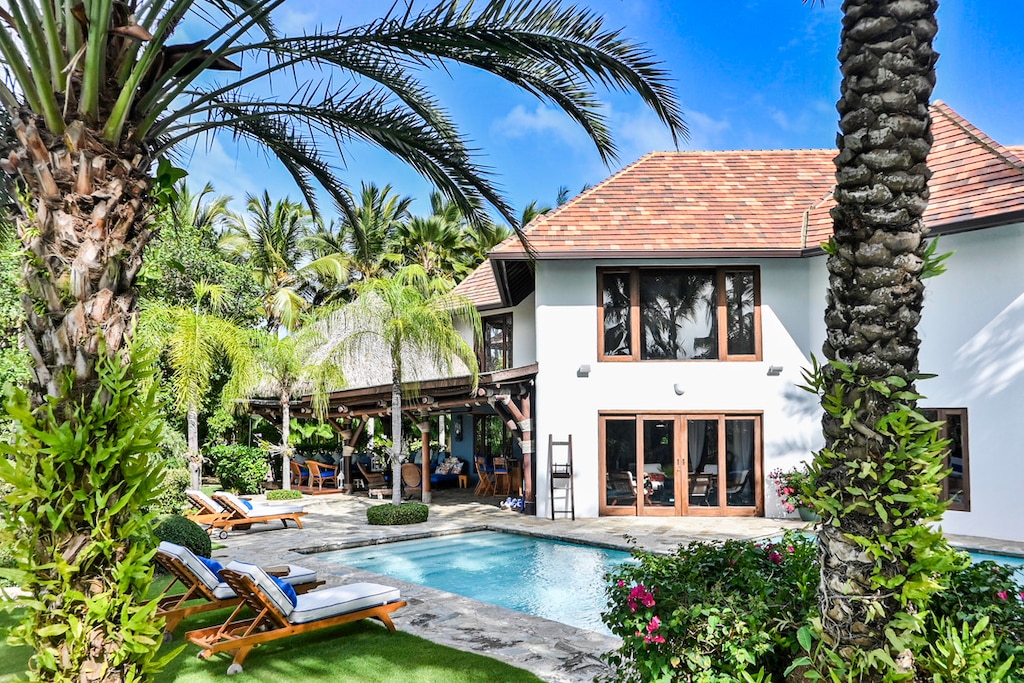


Vacation Rentals in Dominican Republic by Amenities & Features
Get to Know Dominican Republic
Dominican Republic OverviewThe Dominican Republic, a nation on the island of Hispaniola, part of the Greater Antilles archipelago in the Caribbean region, is a destination that offers an intoxicating blend of natural beauty, vibrant culture, and rich history. Known for its white-sand beaches, towering mountains, and verdant rainforests, this tropical paradise caters to a wide range of travelers, from the adventure-seeker to the beachgoer.
One of the Dominican Republic's most famous attractions is Punta Cana, a resort town known for its stunning beaches and clear waters. The area is a haven for water sports enthusiasts, offering world-class snorkeling, scuba diving, and windsurfing. The nearby Bavaro Beach is lined with palm trees and resorts, making it an ideal spot for those looking to relax in luxury.
For those interested in the country's history, the capital city of Santo Domingo is a treasure trove. The Zona Colonial, a UNESCO World Heritage Site, is the oldest European settlement in the Americas and is home to the first cathedral, hospital, and university in the New World. Visitors can stroll along cobblestone streets and explore historic buildings that tell the story of the island's colonial past.
Nature lovers will be drawn to the Dominican Republic's diverse landscapes. The country boasts three major mountain ranges, including the Cordillera Central, which is home to Pico Duarte, the Caribbean's tallest mountain. The national parks, such as Los Haitises on the northeast coast, offer a glimpse into the island's ecological diversity with mangrove forests, Taino cave drawings, and a sanctuary for native wildlife.
For a more off-the-beaten-path experience, the Samaná Peninsula provides a quieter alternative to the bustling resort areas. Here, visitors can witness the majestic humpback whale migration in the Bay of Samaná or explore the lush terrain of the peninsula's national parks and waterfalls.
The Dominican Republic is also known for its vibrant music and dance, particularly merengue and bachata, which are integral parts of the local culture. Nightlife in the Dominican Republic is lively, with numerous bars, clubs, and live music venues where visitors can dance the night away.
Culinary adventurers will savor the flavors of Dominican cuisine, which is a blend of Spanish, Taino, and African influences. Dishes like sancocho, a hearty stew, and mangu, a plantain mash, are staples that should not be missed.
In summary, the Dominican Republic offers a compelling mix of leisure, adventure, and cultural experiences, making it a destination that promises to enchant every type of traveler. Whether you're soaking up the sun on a pristine beach, exploring colonial landmarks, or immersing yourself in the local rhythms, the Dominican Republic is a place where memories are made.
The Dominican Republic, a nation on the island of Hispaniola, part of the Greater Antilles archipelago in the Caribbean region, is a destination that offers an intoxicating blend of natural beauty, vibrant culture, and rich history. Known for its white-sand beaches, towering mountains, and verdant rainforests, this tropical paradise caters to a wide range of travelers, from the adventure-seeker to the beachgoer. One of the Dominican Republic's most famous attractions is Punta Cana, a resort town known for its stunning beaches and clear waters. The area is a haven for water sports enthusiasts, offering world-class snorkeling, scuba diving, and windsurfing. The nearby Bavaro Beach is lined with palm trees and resorts, making it an ideal spot for those looking to relax in luxury. For those interested in the country's history, the capital city of Santo Domingo is a treasure trove. The Zona Colonial, a UNESCO World Heritage Site, is the oldest European settlement in the Americas and is home to the first cathedral, hospital, and university in the New World. Visitors can stroll along cobblestone streets and explore historic buildings that tell the story of the island's colonial past. Nature lovers will be drawn to the Dominican Republic's diverse landscapes. The country boasts three major mountain ranges, including the Cordillera Central, which is home to Pico Duarte, the Caribbean's tallest mountain. The national parks, such as Los Haitises on the northeast coast, offer a glimpse into the island's ecological diversity with mangrove forests, Taino cave drawings, and a sanctuary for native wildlife. For a more off-the-beaten-path experience, the Samaná Peninsula provides a quieter alternative to the bustling resort areas. Here, visitors can witness the majestic humpback whale migration in the Bay of Samaná or explore the lush terrain of the peninsula's national parks and waterfalls. The Dominican Republic is also known for its vibrant music and dance, particularly merengue and bachata, which are integral parts of the local culture. Nightlife in the Dominican Republic is lively, with numerous bars, clubs, and live music venues where visitors can dance the night away. Culinary adventurers will savor the flavors of Dominican cuisine, which is a blend of Spanish, Taino, and African influences. Dishes like sancocho, a hearty stew, and mangu, a plantain mash, are staples that should not be missed. In summary, the Dominican Republic offers a compelling mix of leisure, adventure, and cultural experiences, making it a destination that promises to enchant every type of traveler. Whether you're soaking up the sun on a pristine beach, exploring colonial landmarks, or immersing yourself in the local rhythms, the Dominican Republic is a place where memories are made.
Weather in Dominican RepublicThe Dominican Republic, with its tropical maritime climate, promises warmth and sunshine throughout the year, making it an ideal destination for those seeking a beach getaway or an adventure in the Caribbean sun. The country's weather is characterized by relatively consistent temperatures, high humidity, and a distinct wet and dry season.
The temperature in the Dominican Republic is typically warm, with coastal areas enjoying highs around 28°C to 32°C (82°F to 90°F) year-round. The interior of the country, particularly the mountainous regions, can be cooler, especially at higher elevations where temperatures can be significantly lower.
Humidity in the Dominican Republic is generally high, which can make the heat feel more intense, particularly during the summer months. However, the coastal breezes in beach areas often provide a refreshing respite from the mugginess.
Precipitation varies across the island, with the wet season running from May to November. During this time, short and heavy showers are common, often occurring in the late afternoon or evening. The northern coast sees the most rainfall, particularly from October to April, while the southern and western parts of the country are drier.
The dry season, from December to April, is considered the most popular time to visit due to the lower likelihood of rain and the pleasant temperatures. This period coincides with the peak tourist season, when the weather is ideal for lounging on the beaches, exploring the tropical landscapes, and participating in outdoor activities.
For those looking to avoid the crowds and potentially enjoy lower prices, the shoulder months of May and November can offer a good balance of nice weather and fewer tourists. However, it's worth noting that there is a higher chance of encountering rain during these months.
The Dominican Republic is also situated in the hurricane belt, and while direct hits are rare, the hurricane season from June to November is something travelers should be aware of. It's advisable to monitor weather forecasts and plan accordingly if traveling during this time.
Overall, the most pleasant climate in the Dominican Republic is typically found during the dry season, with its sunny days and balmy evenings, making it a perfect escape for those in search of tropical warmth and clear skies.
The Dominican Republic, with its tropical maritime climate, promises warmth and sunshine throughout the year, making it an ideal destination for those seeking a beach getaway or an adventure in the Caribbean sun. The country's weather is characterized by relatively consistent temperatures, high humidity, and a distinct wet and dry season. The temperature in the Dominican Republic is typically warm, with coastal areas enjoying highs around 28°C to 32°C (82°F to 90°F) year-round. The interior of the country, particularly the mountainous regions, can be cooler, especially at higher elevations where temperatures can be significantly lower. Humidity in the Dominican Republic is generally high, which can make the heat feel more intense, particularly during the summer months. However, the coastal breezes in beach areas often provide a refreshing respite from the mugginess. Precipitation varies across the island, with the wet season running from May to November. During this time, short and heavy showers are common, often occurring in the late afternoon or evening. The northern coast sees the most rainfall, particularly from October to April, while the southern and western parts of the country are drier. The dry season, from December to April, is considered the most popular time to visit due to the lower likelihood of rain and the pleasant temperatures. This period coincides with the peak tourist season, when the weather is ideal for lounging on the beaches, exploring the tropical landscapes, and participating in outdoor activities. For those looking to avoid the crowds and potentially enjoy lower prices, the shoulder months of May and November can offer a good balance of nice weather and fewer tourists. However, it's worth noting that there is a higher chance of encountering rain during these months. The Dominican Republic is also situated in the hurricane belt, and while direct hits are rare, the hurricane season from June to November is something travelers should be aware of. It's advisable to monitor weather forecasts and plan accordingly if traveling during this time. Overall, the most pleasant climate in the Dominican Republic is typically found during the dry season, with its sunny days and balmy evenings, making it a perfect escape for those in search of tropical warmth and clear skies.
Cultural Attractions in Dominican RepublicThe Dominican Republic, with its vibrant culture, rich history, and thriving arts scene, is a paradise for travelers who revel in cultural activities. This Caribbean nation offers a diverse array of experiences that cater to lovers of the arts, history, and local customs.
Begin your cultural journey in the capital city, Santo Domingo, the oldest European city in the Americas. The Zona Colonial, a UNESCO World Heritage site, is a living museum of 16th-century architecture, including the first cathedral, hospital, and university in the New World. Stroll along its cobblestone streets and you'll feel the echoes of the past around every corner.
Art aficionados will find their bliss at the Museo de Arte Moderno, which showcases Dominican art from the 20th century to the present day. For a broader perspective, the Museo Bellapart offers a private collection of Dominican art spanning the late 19th century to the mid-20th century.
Live music is the soul of Dominican culture, with merengue and bachata rhythms providing the soundtrack to life here. Experience the pulsating beats at a local club or during one of the many music festivals, such as the Santo Domingo Jazz Festival at Casa de Teatro, where local and international jazz acts perform.
For a deep dive into the country's history, visit the Alcázar de Colón in Santo Domingo, the former residence of Diego Columbus, Christopher Columbus's son. The Museo de las Casas Reales, also in the capital, offers insights into the colonial history of the Dominican Republic and the Caribbean.
Local customs are best experienced through the country's festivals. The Carnival, celebrated throughout February, is a spectacle of color, music, and dance, with parades and performances showcasing the island's diverse cultural heritage. The Festival del Merengue, held in Santo Domingo, features live music, dance, and food, and is a celebration of the national dance.
Art galleries abound, with spaces like the Galería de Arte Arawak and Lyle O. Reitzel Gallery offering contemporary works by Dominican and international artists. For a more hands-on experience, participate in a workshop or art class to learn about local art forms.
The Dominican Republic's cultural offerings extend beyond the cities, with the countryside providing a backdrop for traditional crafts such as cigar making and amber jewelry. Visit the town of La Romana for its Altos de Chavón, a re-created 16th-century Mediterranean village with artists' studios, galleries, and an archaeological museum.
In the Dominican Republic, every rhythm, every brushstroke, and every historic stone tells the story of a culture that is as warm and welcoming as the Caribbean sun. It's a destination that invites cultural enthusiasts to immerse themselves in a rich, vibrant world of artistic expression and historical depth.
The Dominican Republic, with its vibrant culture, rich history, and thriving arts scene, is a paradise for travelers who revel in cultural activities. This Caribbean nation offers a diverse array of experiences that cater to lovers of the arts, history, and local customs. Begin your cultural journey in the capital city, Santo Domingo, the oldest European city in the Americas. The Zona Colonial, a UNESCO World Heritage site, is a living museum of 16th-century architecture, including the first cathedral, hospital, and university in the New World. Stroll along its cobblestone streets and you'll feel the echoes of the past around every corner. Art aficionados will find their bliss at the Museo de Arte Moderno, which showcases Dominican art from the 20th century to the present day. For a broader perspective, the Museo Bellapart offers a private collection of Dominican art spanning the late 19th century to the mid-20th century. Live music is the soul of Dominican culture, with merengue and bachata rhythms providing the soundtrack to life here. Experience the pulsating beats at a local club or during one of the many music festivals, such as the Santo Domingo Jazz Festival at Casa de Teatro, where local and international jazz acts perform. For a deep dive into the country's history, visit the Alcázar de Colón in Santo Domingo, the former residence of Diego Columbus, Christopher Columbus's son. The Museo de las Casas Reales, also in the capital, offers insights into the colonial history of the Dominican Republic and the Caribbean. Local customs are best experienced through the country's festivals. The Carnival, celebrated throughout February, is a spectacle of color, music, and dance, with parades and performances showcasing the island's diverse cultural heritage. The Festival del Merengue, held in Santo Domingo, features live music, dance, and food, and is a celebration of the national dance. Art galleries abound, with spaces like the Galería de Arte Arawak and Lyle O. Reitzel Gallery offering contemporary works by Dominican and international artists. For a more hands-on experience, participate in a workshop or art class to learn about local art forms. The Dominican Republic's cultural offerings extend beyond the cities, with the countryside providing a backdrop for traditional crafts such as cigar making and amber jewelry. Visit the town of La Romana for its Altos de Chavón, a re-created 16th-century Mediterranean village with artists' studios, galleries, and an archaeological museum. In the Dominican Republic, every rhythm, every brushstroke, and every historic stone tells the story of a culture that is as warm and welcoming as the Caribbean sun. It's a destination that invites cultural enthusiasts to immerse themselves in a rich, vibrant world of artistic expression and historical depth.
Family friendly activities in Dominican RepublicThe Dominican Republic is a tropical paradise that offers a treasure trove of activities for families traveling with children. From its stunning beaches to its vibrant culture, there's something to keep every young adventurer engaged and entertained.
Begin your family journey at the beautiful beaches that line the coast. The soft sands and gentle waves of Punta Cana and Bavaro Beach are perfect for sandcastle building, while the clear, shallow waters provide a safe environment for swimming and snorkeling. Many resorts offer kids' clubs with activities tailored to young guests, ensuring that parents can relax while children play.
For a thrilling day out, visit Scape Park in Cap Cana. This natural theme park features zip-lining, cave expeditions, and a visit to the renowned Hoyo Azul, a stunning blue cenote that's perfect for a refreshing swim. The park's Eco Kids Adventure also allows children to learn about the local flora and fauna in an interactive and fun way.
The Marinarium Marine Park and Aquarium in Punta Cana is another must-see attraction. Here, families can snorkel with nurse sharks and stingrays in a safe and controlled environment. The park's glass-bottom boat tours are also a hit with kids, offering a glimpse into the vibrant underwater world without getting wet.
For a cultural experience, take the family to the capital city of Santo Domingo. The Children's Museum (Museo Infantil Trampolín) is a fantastic place for kids to learn about science, history, and art through interactive exhibits. The 3D cinema and the "Please Touch" room are particularly popular.
Animal lovers will enjoy a visit to Monkeyland, a sanctuary near Punta Cana where children can interact with friendly squirrel monkeys in a natural environment. The guided tours provide an educational experience about the monkeys and the tropical plants that make up their habitat.
For a taste of adventure, embark on a family-friendly safari tour through the Dominican countryside. These excursions often include visits to local schools, sugar cane fields, and traditional Dominican homes, offering a glimpse into the local way of life.
Lastly, don't miss the opportunity to watch a Dominican baseball game if you're visiting during the season. Baseball is the national sport, and the atmosphere at a game is electric, sure to captivate children and adults alike.
With its combination of natural beauty, exciting attractions, and cultural experiences, the Dominican Republic is a destination that promises a memorable vacation for families with children.
The Dominican Republic is a tropical paradise that offers a treasure trove of activities for families traveling with children. From its stunning beaches to its vibrant culture, there's something to keep every young adventurer engaged and entertained. Begin your family journey at the beautiful beaches that line the coast. The soft sands and gentle waves of Punta Cana and Bavaro Beach are perfect for sandcastle building, while the clear, shallow waters provide a safe environment for swimming and snorkeling. Many resorts offer kids' clubs with activities tailored to young guests, ensuring that parents can relax while children play. For a thrilling day out, visit Scape Park in Cap Cana. This natural theme park features zip-lining, cave expeditions, and a visit to the renowned Hoyo Azul, a stunning blue cenote that's perfect for a refreshing swim. The park's Eco Kids Adventure also allows children to learn about the local flora and fauna in an interactive and fun way. The Marinarium Marine Park and Aquarium in Punta Cana is another must-see attraction. Here, families can snorkel with nurse sharks and stingrays in a safe and controlled environment. The park's glass-bottom boat tours are also a hit with kids, offering a glimpse into the vibrant underwater world without getting wet. For a cultural experience, take the family to the capital city of Santo Domingo. The Children's Museum (Museo Infantil Trampolín) is a fantastic place for kids to learn about science, history, and art through interactive exhibits. The 3D cinema and the "Please Touch" room are particularly popular. Animal lovers will enjoy a visit to Monkeyland, a sanctuary near Punta Cana where children can interact with friendly squirrel monkeys in a natural environment. The guided tours provide an educational experience about the monkeys and the tropical plants that make up their habitat. For a taste of adventure, embark on a family-friendly safari tour through the Dominican countryside. These excursions often include visits to local schools, sugar cane fields, and traditional Dominican homes, offering a glimpse into the local way of life. Lastly, don't miss the opportunity to watch a Dominican baseball game if you're visiting during the season. Baseball is the national sport, and the atmosphere at a game is electric, sure to captivate children and adults alike. With its combination of natural beauty, exciting attractions, and cultural experiences, the Dominican Republic is a destination that promises a memorable vacation for families with children.
Outdoor activities in Dominican RepublicThe Dominican Republic, a Caribbean nation that shares the island of Hispaniola with Haiti, is a paradise for outdoor enthusiasts and nature lovers. With its diverse landscapes, including rainforests, savannas, highlands, and tropical beaches, the country offers a wealth of natural wonders and activities to explore.
One of the Dominican Republic's most famous natural attractions is Pico Duarte, the highest peak in the Caribbean, nestled within the Cordillera Central mountain range. Hiking to the summit of Pico Duarte is a challenging yet rewarding experience, offering breathtaking views and a sense of accomplishment. The journey typically takes two to three days and traverses through diverse ecosystems, from pine forests to cloud forests.
For those who prefer coastal scenery, the Dominican Republic's beaches are second to none. Playa Rincón, often listed among the world's best beaches, is a pristine stretch of white sand framed by lush palm trees and clear turquoise waters, perfect for swimming, snorkeling, and simply relaxing in the sun. Nearby, Los Haitises National Park is a coastal sanctuary with a maze of mangrove forests, Taino cave drawings, and a rich variety of bird species, making it an excellent spot for kayaking and bird-watching.
The country's extensive system of national parks and protected areas, such as Jarabacoa and Valle Nuevo, offer countless trails for hiking, mountain biking, and horseback riding. The waterfalls of Damajagua, a series of 27 cascading falls located in the Northern Corridor mountain range, provide an exhilarating adventure as visitors can slide, swim, and jump through the refreshing pools and limestone formations.
For a unique marine experience, the Silver Bank, located in the Atlantic Ocean north of the Dominican Republic, is one of the few places in the world where you can snorkel and dive with humpback whales during their annual migration. The Samaná Peninsula also offers whale-watching tours, as well as opportunities to explore the lush terrain and hidden waterfalls.
The Dominican Republic's rivers, such as the Yaque del Norte, are ideal for white-water rafting, offering rapids that range from beginner-friendly to challenging for the more experienced. The country's diverse terrain also includes the otherworldly landscapes of Lake Enriquillo, the largest lake in the Caribbean and one of the few hypersaline lakes in the world, surrounded by desert-like flora and fauna, including American crocodiles and flamingos.
With its rich biodiversity, stunning landscapes, and a wide array of outdoor activities, the Dominican Republic is a destination that truly embodies the spirit of adventure and the beauty of the natural world. Whether you're scaling peaks, exploring underwater wonders, or simply soaking up the sun on a secluded beach, this Caribbean gem has something to offer for every nature enthusiast.
The Dominican Republic, a Caribbean nation that shares the island of Hispaniola with Haiti, is a paradise for outdoor enthusiasts and nature lovers. With its diverse landscapes, including rainforests, savannas, highlands, and tropical beaches, the country offers a wealth of natural wonders and activities to explore. One of the Dominican Republic's most famous natural attractions is Pico Duarte, the highest peak in the Caribbean, nestled within the Cordillera Central mountain range. Hiking to the summit of Pico Duarte is a challenging yet rewarding experience, offering breathtaking views and a sense of accomplishment. The journey typically takes two to three days and traverses through diverse ecosystems, from pine forests to cloud forests. For those who prefer coastal scenery, the Dominican Republic's beaches are second to none. Playa Rincón, often listed among the world's best beaches, is a pristine stretch of white sand framed by lush palm trees and clear turquoise waters, perfect for swimming, snorkeling, and simply relaxing in the sun. Nearby, Los Haitises National Park is a coastal sanctuary with a maze of mangrove forests, Taino cave drawings, and a rich variety of bird species, making it an excellent spot for kayaking and bird-watching. The country's extensive system of national parks and protected areas, such as Jarabacoa and Valle Nuevo, offer countless trails for hiking, mountain biking, and horseback riding. The waterfalls of Damajagua, a series of 27 cascading falls located in the Northern Corridor mountain range, provide an exhilarating adventure as visitors can slide, swim, and jump through the refreshing pools and limestone formations. For a unique marine experience, the Silver Bank, located in the Atlantic Ocean north of the Dominican Republic, is one of the few places in the world where you can snorkel and dive with humpback whales during their annual migration. The Samaná Peninsula also offers whale-watching tours, as well as opportunities to explore the lush terrain and hidden waterfalls. The Dominican Republic's rivers, such as the Yaque del Norte, are ideal for white-water rafting, offering rapids that range from beginner-friendly to challenging for the more experienced. The country's diverse terrain also includes the otherworldly landscapes of Lake Enriquillo, the largest lake in the Caribbean and one of the few hypersaline lakes in the world, surrounded by desert-like flora and fauna, including American crocodiles and flamingos. With its rich biodiversity, stunning landscapes, and a wide array of outdoor activities, the Dominican Republic is a destination that truly embodies the spirit of adventure and the beauty of the natural world. Whether you're scaling peaks, exploring underwater wonders, or simply soaking up the sun on a secluded beach, this Caribbean gem has something to offer for every nature enthusiast.
Transportation in Dominican RepublicThe Dominican Republic, a Caribbean nation known for its pristine beaches, lush landscapes, and vibrant culture, offers a variety of transportation options for visitors to explore its diverse attractions.
Most international travelers arrive in the Dominican Republic by air, landing at one of the country's eight international airports. The busiest airport is Punta Cana International Airport, which serves as a gateway to the popular beach resorts. Other major airports include Las Américas International Airport near Santo Domingo and Gregorio Luperón International Airport near Puerto Plata.
Upon arrival, visitors can choose from several transportation options to reach their accommodations. Taxis and airport shuttles are readily available, and many resorts offer their own transfer services. For those who prefer the flexibility of self-driving, car rental agencies are located at the airports and in major tourist areas.
Traveling within the Dominican Republic can be an adventure in itself. The country's public transportation system includes buses, minibuses (guaguas), and motoconchos (motorcycle taxis). Buses range from large, comfortable coaches for long-distance travel to smaller, local buses that provide an authentic Dominican experience. Guaguas are a common sight, offering an inexpensive way to travel shorter distances, though they can be crowded and may not adhere to a fixed schedule.
For those who value comfort and convenience, taxis and ride-sharing services like Uber are available in larger cities such as Santo Domingo and Santiago. It's advisable to agree on the fare before starting your journey when using taxis.
The Dominican Republic is not generally known for its walkability, as attractions are often spread out and infrastructure for pedestrians can be lacking outside of resort areas. However, some specific areas, such as the Colonial Zone in Santo Domingo, are very walkable and rich with historical sites, shops, and cafes.
For excursions or day trips to explore the island's natural beauty, such as visits to national parks, waterfalls, and remote beaches, it's often best to join a guided tour or rent a car.
In summary, the Dominican Republic offers a range of transportation options suitable for different travel styles and budgets. While public transport can provide a local experience, renting a car or using taxis may offer more comfort and flexibility for exploring this beautiful Caribbean destination.
The Dominican Republic, a Caribbean nation known for its pristine beaches, lush landscapes, and vibrant culture, offers a variety of transportation options for visitors to explore its diverse attractions. Most international travelers arrive in the Dominican Republic by air, landing at one of the country's eight international airports. The busiest airport is Punta Cana International Airport, which serves as a gateway to the popular beach resorts. Other major airports include Las Américas International Airport near Santo Domingo and Gregorio Luperón International Airport near Puerto Plata. Upon arrival, visitors can choose from several transportation options to reach their accommodations. Taxis and airport shuttles are readily available, and many resorts offer their own transfer services. For those who prefer the flexibility of self-driving, car rental agencies are located at the airports and in major tourist areas. Traveling within the Dominican Republic can be an adventure in itself. The country's public transportation system includes buses, minibuses (guaguas), and motoconchos (motorcycle taxis). Buses range from large, comfortable coaches for long-distance travel to smaller, local buses that provide an authentic Dominican experience. Guaguas are a common sight, offering an inexpensive way to travel shorter distances, though they can be crowded and may not adhere to a fixed schedule. For those who value comfort and convenience, taxis and ride-sharing services like Uber are available in larger cities such as Santo Domingo and Santiago. It's advisable to agree on the fare before starting your journey when using taxis. The Dominican Republic is not generally known for its walkability, as attractions are often spread out and infrastructure for pedestrians can be lacking outside of resort areas. However, some specific areas, such as the Colonial Zone in Santo Domingo, are very walkable and rich with historical sites, shops, and cafes. For excursions or day trips to explore the island's natural beauty, such as visits to national parks, waterfalls, and remote beaches, it's often best to join a guided tour or rent a car. In summary, the Dominican Republic offers a range of transportation options suitable for different travel styles and budgets. While public transport can provide a local experience, renting a car or using taxis may offer more comfort and flexibility for exploring this beautiful Caribbean destination.
Dominican Republic FAQs
What is there to do in the Dominican Republic?The Dominican Republic offers a diverse range of activities for travelers. You can relax on stunning beaches like Punta Cana, explore the historic Zona Colonial in Santo Domingo, enjoy water sports and diving in Sosúa, hike and observe wildlife in Los Haitises National Park, visit the picturesque Samaná Peninsula, play golf at world-class courses, and experience vibrant nightlife and cultural events.
The Dominican Republic offers a diverse range of activities for travelers. You can relax on stunning beaches like Punta Cana, explore the historic Zona Colonial in Santo Domingo, enjoy water sports and diving in Sosúa, hike and observe wildlife in Los Haitises National Park, visit the picturesque Samaná Peninsula, play golf at world-class courses, and experience vibrant nightlife and cultural events.
When is the best time to visit the Dominican Republic?The best time to visit the Dominican Republic is during the dry season, from December to April, when the weather is sunny and pleasant. However, this is also the peak tourist season, so booking in advance is recommended. The off-peak season, from May to November, can be wetter but offers fewer crowds and lower prices.
The best time to visit the Dominican Republic is during the dry season, from December to April, when the weather is sunny and pleasant. However, this is also the peak tourist season, so booking in advance is recommended. The off-peak season, from May to November, can be wetter but offers fewer crowds and lower prices.
Do I need a visa to travel to the Dominican Republic?Many travelers can enter the Dominican Republic without a visa and are only required to purchase a tourist card upon arrival. However, visa requirements vary by country, so it's important to check the latest entry requirements for your specific nationality before traveling.
Many travelers can enter the Dominican Republic without a visa and are only required to purchase a tourist card upon arrival. However, visa requirements vary by country, so it's important to check the latest entry requirements for your specific nationality before traveling.
What is the currency in the Dominican Republic, and can I use US dollars?The currency of the Dominican Republic is the Dominican Peso (DOP). While US dollars are widely accepted in tourist areas, it's advisable to have local currency for purchases outside these areas. ATMs are available in major cities, and credit cards are accepted at most hotels and restaurants.
The currency of the Dominican Republic is the Dominican Peso (DOP). While US dollars are widely accepted in tourist areas, it's advisable to have local currency for purchases outside these areas. ATMs are available in major cities, and credit cards are accepted at most hotels and restaurants.
What are the must-try foods in the Dominican Republic?Dominican cuisine is a blend of Spanish, African, and Taino influences. Must-try dishes include La Bandera (a traditional lunch meal with rice, beans, meat, and salad), Sancocho (a hearty stew), Mangu (mashed plantains), and seafood dishes like Pescado Frito (fried fish). Don't forget to try the local rum and coffee.
Dominican cuisine is a blend of Spanish, African, and Taino influences. Must-try dishes include La Bandera (a traditional lunch meal with rice, beans, meat, and salad), Sancocho (a hearty stew), Mangu (mashed plantains), and seafood dishes like Pescado Frito (fried fish). Don't forget to try the local rum and coffee.
Is it safe to travel to the Dominican Republic?The Dominican Republic is generally safe for tourists, but like any destination, it's important to take standard safety precautions. Avoid isolated areas at night, watch your belongings, use reputable transportation services, and stay informed about the local situation. It's also wise to check your government's travel advisories before your trip.
The Dominican Republic is generally safe for tourists, but like any destination, it's important to take standard safety precautions. Avoid isolated areas at night, watch your belongings, use reputable transportation services, and stay informed about the local situation. It's also wise to check your government's travel advisories before your trip.
More space, more privacy, more points with every home rental.
What makes Homes & Villas by Marriott Bonvoy a unique home rental experience? Unlike other home rental sites like AirBNB, when you book a vacation rental with Homes & Villas by Marriott Bonvoy you always have the whole place to yourself. Plus, as a member of Marriott Bonvoy, you can earn points towards free nights with every stay.