Cornwall, United Kingdom Vacation Rentals
Explore 227 vacation rentals, homes, and villas in Cornwall for your next getaway or business trip. Experience the privacy of a home with premium amenities such as Pet-Friendly Homes, Homes with Free Parking and Best Affordable Homes, designed for a more comfortable and convenient stay. Every home is curated and professionally managed, with 24/7 local support, high-speed Wi-Fi, and premium linens included. With homes starting as low as $30 per night and featuring up to 13 bedrooms and 13 bathrooms, there's an option for every trip, from family vacations and group getaways to extended stays. However you're looking to experience your stay, Homes & Villas by Marriott has your next vacation home waiting. Marriott Bonvoy members can also earn and redeem points on every booking.
227 Vacation Rentals in Cornwall
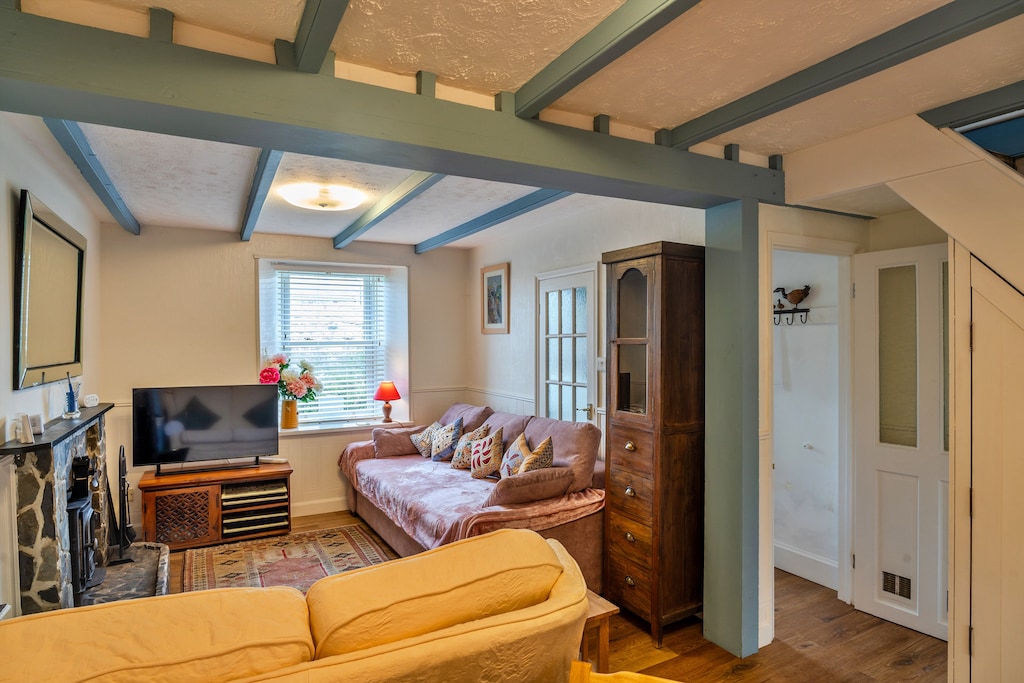


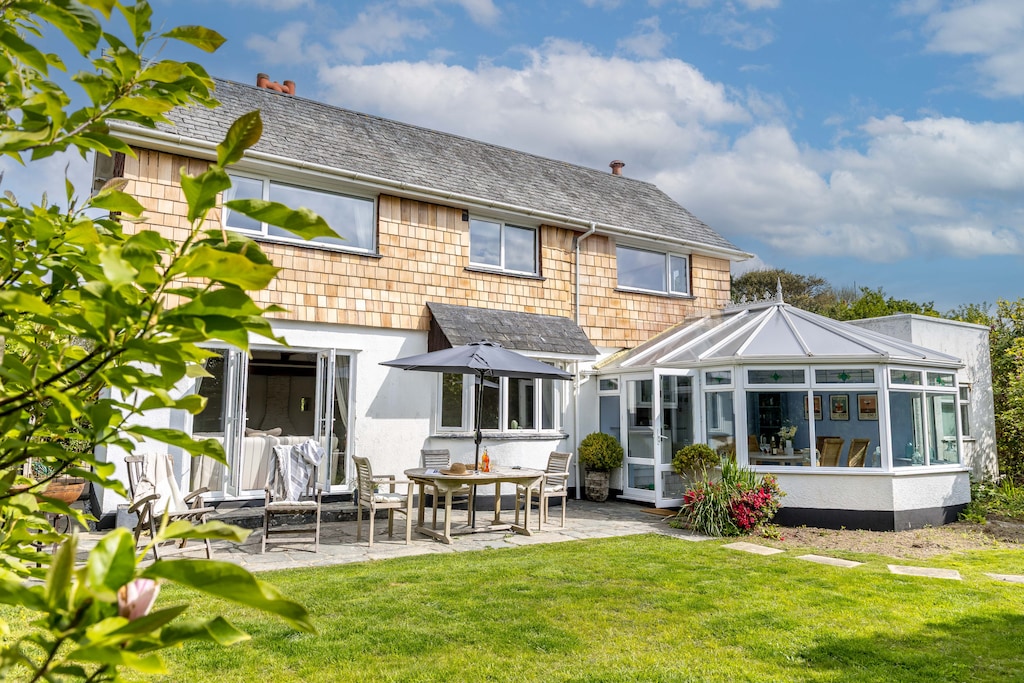


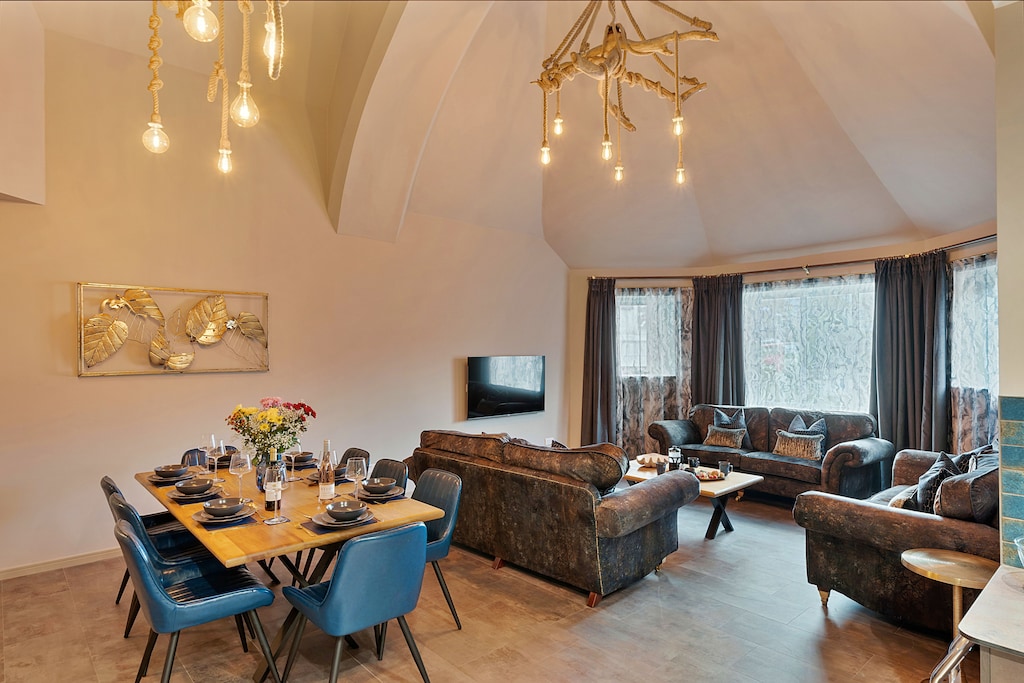


Vacation Rentals in Cornwall by Amenities & Features
Get to Know Cornwall
Cornwall OverviewCornwall, England, is a mesmerizing destination that offers a blend of breathtaking natural beauty, rich history, and vibrant culture. The county is celebrated for its beautiful coastline, with around 250 miles of dunes and cliffs, medieval harbors and oak-forested creeks. It's an ideal place for beach enthusiasts and surfers alike, boasting some of the finest beaches in Britain including Porthcurno and Perranporth.
The maritime heritage of Cornwall is deeply embedded in its culture. The National Maritime Museum Cornwall in Falmouth offers intriguing insights into the county's seafaring history. This museum also has a satellite site in Truro, the capital of Cornwall. For marine life enthusiasts, the Blue Reef Aquarium in Newquay houses both local and exotic species.
For those passionate about history, Cornwall's ancient sites are sure to captivate. Tintagel Castle is steeped in Arthurian legend as the alleged birthplace of King Arthur while the Lost Gardens of Heligan provide a peek into Victorian horticulture. Furthermore, Cornwall's rich mining history can be explored not only at Geevor Tin Mine but also at other locations such as King Edward Mine Museum and Levant Mine and Beam Engine.
Art aficionados will find St Ives appealing for its art scene with galleries like Tate St Ives exhibiting modern British artists. The Minack Theatre, an open-air theatre etched into a granite cliff overlooking the sea, provides a unique cultural experience.
Cornwall also offers exceptional culinary experiences. It's renowned for its pasties - traditional baked pastries filled with meat and vegetables - but Cornish cuisine extends beyond this iconic dish. Seafood here is remarkably fresh; Rick Stein’s seafood restaurant in Padstow comes highly recommended.
For nature lovers, Cornwall presents stunning landscapes to explore from Bodmin Moor to Land’s End. Wildlife spotting opportunities are plentiful too; you might spot seals at Godrevy Point or dolphins off the Lizard Peninsula.
In summary, Cornwall offers a variety of experiences that cater to all types of travelers. Its stunning natural beauty, combined with its rich history and culture, make it a destination that's truly worth visiting.
Cornwall, England, is a mesmerizing destination that offers a blend of breathtaking natural beauty, rich history, and vibrant culture. The county is celebrated for its beautiful coastline, with around 250 miles of dunes and cliffs, medieval harbors and oak-forested creeks. It's an ideal place for beach enthusiasts and surfers alike, boasting some of the finest beaches in Britain including Porthcurno and Perranporth. The maritime heritage of Cornwall is deeply embedded in its culture. The National Maritime Museum Cornwall in Falmouth offers intriguing insights into the county's seafaring history. This museum also has a satellite site in Truro, the capital of Cornwall. For marine life enthusiasts, the Blue Reef Aquarium in Newquay houses both local and exotic species. For those passionate about history, Cornwall's ancient sites are sure to captivate. Tintagel Castle is steeped in Arthurian legend as the alleged birthplace of King Arthur while the Lost Gardens of Heligan provide a peek into Victorian horticulture. Furthermore, Cornwall's rich mining history can be explored not only at Geevor Tin Mine but also at other locations such as King Edward Mine Museum and Levant Mine and Beam Engine. Art aficionados will find St Ives appealing for its art scene with galleries like Tate St Ives exhibiting modern British artists. The Minack Theatre, an open-air theatre etched into a granite cliff overlooking the sea, provides a unique cultural experience. Cornwall also offers exceptional culinary experiences. It's renowned for its pasties - traditional baked pastries filled with meat and vegetables - but Cornish cuisine extends beyond this iconic dish. Seafood here is remarkably fresh; Rick Stein’s seafood restaurant in Padstow comes highly recommended. For nature lovers, Cornwall presents stunning landscapes to explore from Bodmin Moor to Land’s End. Wildlife spotting opportunities are plentiful too; you might spot seals at Godrevy Point or dolphins off the Lizard Peninsula. In summary, Cornwall offers a variety of experiences that cater to all types of travelers. Its stunning natural beauty, combined with its rich history and culture, make it a destination that's truly worth visiting.
Weather in CornwallCornwall, England is characterized by a temperate maritime climate, ensuring mild conditions throughout the year. The weather can be somewhat unpredictable, but it's seldom extreme.
The winter season in Cornwall spans from December to February and is generally cool with average temperatures fluctuating between 4°C to 9°C. Rain is frequent during this time and snow, while rare, can occur. Despite the colder weather, winter has its own appeal with less crowded streets and inviting pubs.
From March to May, springtime in Cornwall brings a gradual rise in temperature with averages varying from 8°C to 15°C. This season experiences less rainfall than winter and the countryside starts to flourish with flowers.
Summer in Cornwall lasts from June until August and is the warmest season with average temperatures ranging from 13°C to 20°C. These months also have the least rainfall making it a perfect time for outdoor activities like hiking or beach visits.
Autumn in Cornwall occurs from September through November and witnesses a gradual drop in temperature with averages between 9°C and 16°C. Rainfall increases during this period but the fall colors make this season especially picturesque.
The summer months are typically the most popular time to visit Cornwall due to warmer weather and minimal rainfall. However, spring also offers a delightful time for visitors when flowers are blossoming and there are fewer tourists compared to summer. Regardless of when one chooses to visit, Cornwall's natural beauty remains evident all year round.
Cornwall, England is characterized by a temperate maritime climate, ensuring mild conditions throughout the year. The weather can be somewhat unpredictable, but it's seldom extreme. The winter season in Cornwall spans from December to February and is generally cool with average temperatures fluctuating between 4°C to 9°C. Rain is frequent during this time and snow, while rare, can occur. Despite the colder weather, winter has its own appeal with less crowded streets and inviting pubs. From March to May, springtime in Cornwall brings a gradual rise in temperature with averages varying from 8°C to 15°C. This season experiences less rainfall than winter and the countryside starts to flourish with flowers. Summer in Cornwall lasts from June until August and is the warmest season with average temperatures ranging from 13°C to 20°C. These months also have the least rainfall making it a perfect time for outdoor activities like hiking or beach visits. Autumn in Cornwall occurs from September through November and witnesses a gradual drop in temperature with averages between 9°C and 16°C. Rainfall increases during this period but the fall colors make this season especially picturesque. The summer months are typically the most popular time to visit Cornwall due to warmer weather and minimal rainfall. However, spring also offers a delightful time for visitors when flowers are blossoming and there are fewer tourists compared to summer. Regardless of when one chooses to visit, Cornwall's natural beauty remains evident all year round.
Cultural Attractions in CornwallCornwall, England, is a haven for cultural enthusiasts, boasting a rich history, vibrant arts scene, and unique local customs. This region is deeply rooted in Celtic heritage and maritime history, providing a plethora of experiences for those with an interest in the arts and history.
Art aficionados will find Cornwall appealing with the Tate St Ives gallery that features modern and contemporary art from national and international artists. The Barbara Hepworth Museum and Sculpture Garden is another must-see destination that provides insight into the work of one of Britain's most significant twentieth-century artists.
For those interested in history, Cornwall offers numerous historical sites to explore. Tintagel Castle is shrouded in legend and mystery; it's believed to be King Arthur's birthplace and offers breathtaking sea views. The ancient St Michael's Mount is another iconic site that tells tales of a giant who walked the causeway.
The Eden Project offers an immersive journey into the world of plants and human society with plants collected from diverse climates worldwide housed within two massive domes.
Live music can be enjoyed at various venues across Cornwall including events like Boardmasters Festival which combines music with surfing. The Minack Theatre also hosts live performances; it’s an open-air theatre perched on cliffs high above the Atlantic Ocean.
Cornwall's local customs can be experienced through its food scene - Cornish pasties are a must-try! Also, don't miss out on trying some locally brewed cider or Cornish clotted cream tea.
Additionally, Cornwall has its own Celtic language, Cornish, still spoken by some residents today. The region's mining history dates back centuries as Cornwall was once renowned for its tin and copper mining industry. Visitors can explore old mine sites for a glimpse into this past era. Being located on a peninsula means Cornwall also boasts dramatic coastal scenery and beaches which are major attractions for visitors. Traditional Cornish festivals such as Flora Day celebrations in May are still observed, adding to the region's rich cultural tapestry.
In summary, Cornwall offers a diverse mix of art, history, music, and local customs making it an ideal destination for cultural enthusiasts.
Cornwall, England, is a haven for cultural enthusiasts, boasting a rich history, vibrant arts scene, and unique local customs. This region is deeply rooted in Celtic heritage and maritime history, providing a plethora of experiences for those with an interest in the arts and history. Art aficionados will find Cornwall appealing with the Tate St Ives gallery that features modern and contemporary art from national and international artists. The Barbara Hepworth Museum and Sculpture Garden is another must-see destination that provides insight into the work of one of Britain's most significant twentieth-century artists. For those interested in history, Cornwall offers numerous historical sites to explore. Tintagel Castle is shrouded in legend and mystery; it's believed to be King Arthur's birthplace and offers breathtaking sea views. The ancient St Michael's Mount is another iconic site that tells tales of a giant who walked the causeway. The Eden Project offers an immersive journey into the world of plants and human society with plants collected from diverse climates worldwide housed within two massive domes. Live music can be enjoyed at various venues across Cornwall including events like Boardmasters Festival which combines music with surfing. The Minack Theatre also hosts live performances; it’s an open-air theatre perched on cliffs high above the Atlantic Ocean. Cornwall's local customs can be experienced through its food scene - Cornish pasties are a must-try! Also, don't miss out on trying some locally brewed cider or Cornish clotted cream tea. Additionally, Cornwall has its own Celtic language, Cornish, still spoken by some residents today. The region's mining history dates back centuries as Cornwall was once renowned for its tin and copper mining industry. Visitors can explore old mine sites for a glimpse into this past era. Being located on a peninsula means Cornwall also boasts dramatic coastal scenery and beaches which are major attractions for visitors. Traditional Cornish festivals such as Flora Day celebrations in May are still observed, adding to the region's rich cultural tapestry. In summary, Cornwall offers a diverse mix of art, history, music, and local customs making it an ideal destination for cultural enthusiasts.
Family friendly activities in CornwallCornwall, England, is a wonderful choice for families with children. The region is celebrated for its stunning beaches where youngsters can construct sandcastles, explore rock pools, and many offer good swimming during calm conditions.
One of the premier attractions in Cornwall is the Eden Project. This distinctive location provides an opportunity to traverse the world's largest indoor rainforest. Children will be captivated by the exotic flora and fauna they can encounter here.
For those with an interest in marine life, a visit to the National Marine Aquarium in Plymouth is essential. As the largest aquarium in the UK, it houses a variety of sea creatures ranging from tiny seahorses to enormous sharks.
History-loving children will take pleasure in visiting Tintagel Castle, reputedly King Arthur's birthplace. The castle ruins provide ample opportunities for imaginative play and exploration.
For outdoor excitement and adventure, make your way to Flambards Theme Park. It features rides suitable for all ages along with interactive exhibits that animate history.
Lastly, ensure you visit Dairyland Farm World near Newquay. This attraction offers engaging farm experiences such as milking cows and feeding animals.
In Cornwall, there are numerous activities tailored specifically for children making it an ideal destination for family holidays.
Cornwall, England, is a wonderful choice for families with children. The region is celebrated for its stunning beaches where youngsters can construct sandcastles, explore rock pools, and many offer good swimming during calm conditions. One of the premier attractions in Cornwall is the Eden Project. This distinctive location provides an opportunity to traverse the world's largest indoor rainforest. Children will be captivated by the exotic flora and fauna they can encounter here. For those with an interest in marine life, a visit to the National Marine Aquarium in Plymouth is essential. As the largest aquarium in the UK, it houses a variety of sea creatures ranging from tiny seahorses to enormous sharks. History-loving children will take pleasure in visiting Tintagel Castle, reputedly King Arthur's birthplace. The castle ruins provide ample opportunities for imaginative play and exploration. For outdoor excitement and adventure, make your way to Flambards Theme Park. It features rides suitable for all ages along with interactive exhibits that animate history. Lastly, ensure you visit Dairyland Farm World near Newquay. This attraction offers engaging farm experiences such as milking cows and feeding animals. In Cornwall, there are numerous activities tailored specifically for children making it an ideal destination for family holidays.
Outdoor activities in CornwallCornwall, England, is a haven for nature lovers with its array of outdoor activities and natural beauty. The region is known for its picturesque coastline that spans around 300 miles, featuring stunning beaches, dramatic cliffs, and quaint fishing villages. While the South West Coast Path does provide an excellent opportunity to appreciate these views, it's worth noting that some sections of the path are inland and do not follow directly along the coast.
Water sports enthusiasts will find Cornwall's beaches ideal for surfing, sailing, and kayaking. Polzeath Beach and Fistral Beach are particularly favored by surfers. Visitors also have the option to discover the coastline from a unique vantage point by participating in a boat tour or trying sea fishing.
Inland Cornwall has much to offer as well. Bodmin Moor is an Area of Outstanding Natural Beauty where visitors can hike or horse ride through rugged landscapes dotted with granite tors. This moor also hosts several prehistoric sites and is associated with the legend of the Beast of Bodmin Moor.
The Eden Project in Cornwall is another destination worth visiting. This unique attraction houses multiple biomes filled with thousands of plant species from across the globe. Here, visitors can experience tropical rainforests and Mediterranean landscapes without leaving England.
Trelissick Garden provides another chance to connect with nature. Situated on its own peninsula with panoramic views over the Fal estuary, this National Trust property features extensive parkland and woodland walks along with a diverse range of plant life.
While Cornwall does host various species of birds and marine life offering wildlife watching tours where one might spot seals, dolphins or even basking sharks; it should be noted that there are numerous other attractions and activities that contribute to a fulfilling visit to this region.
In conclusion, whether it's strolling along scenic trails, partaking in water sports on beautiful beaches or exploring diverse flora and fauna; Cornwall offers countless opportunities for outdoor enthusiasts to immerse themselves in nature.
Cornwall, England, is a haven for nature lovers with its array of outdoor activities and natural beauty. The region is known for its picturesque coastline that spans around 300 miles, featuring stunning beaches, dramatic cliffs, and quaint fishing villages. While the South West Coast Path does provide an excellent opportunity to appreciate these views, it's worth noting that some sections of the path are inland and do not follow directly along the coast. Water sports enthusiasts will find Cornwall's beaches ideal for surfing, sailing, and kayaking. Polzeath Beach and Fistral Beach are particularly favored by surfers. Visitors also have the option to discover the coastline from a unique vantage point by participating in a boat tour or trying sea fishing. Inland Cornwall has much to offer as well. Bodmin Moor is an Area of Outstanding Natural Beauty where visitors can hike or horse ride through rugged landscapes dotted with granite tors. This moor also hosts several prehistoric sites and is associated with the legend of the Beast of Bodmin Moor. The Eden Project in Cornwall is another destination worth visiting. This unique attraction houses multiple biomes filled with thousands of plant species from across the globe. Here, visitors can experience tropical rainforests and Mediterranean landscapes without leaving England. Trelissick Garden provides another chance to connect with nature. Situated on its own peninsula with panoramic views over the Fal estuary, this National Trust property features extensive parkland and woodland walks along with a diverse range of plant life. While Cornwall does host various species of birds and marine life offering wildlife watching tours where one might spot seals, dolphins or even basking sharks; it should be noted that there are numerous other attractions and activities that contribute to a fulfilling visit to this region. In conclusion, whether it's strolling along scenic trails, partaking in water sports on beautiful beaches or exploring diverse flora and fauna; Cornwall offers countless opportunities for outdoor enthusiasts to immerse themselves in nature.
Transportation in CornwallCornwall, England, is a scenic locale that provides various modes of transportation for its visitors. The majority of tourists reach this destination by either train or car, thanks to the well-established road and rail connections with the rest of the UK. The primary railway line servicing Cornwall is the Great Western Railway, providing direct services from London Paddington to Penzance. If driving is more your style, Cornwall can be accessed via the M5 motorway followed by the A30.
Once you've arrived in Cornwall, navigating around is quite simple. A thorough public bus network run by First Kernow serves most towns and villages in the region. Additionally, there are several picturesque railway lines that provide a unique perspective of the Cornish countryside.
Car rentals are readily available in most major towns and at Newquay Airport for those who prefer to drive themselves. However, it's important to remember that some of Cornwall's narrow country lanes may pose a challenge for less experienced drivers.
Cycling enthusiasts will find Cornwall appealing with its numerous cycle routes and trails crisscrossing its stunning landscapes. If you haven't brought your own bike, rentals are available in many towns.
In terms of walkability, many of Cornwall's towns and villages are compact enough to explore on foot easily. Town centers in places like St Ives, Falmouth, and Truro are pedestrian-friendly with an array of shops, restaurants, and attractions within walking distance. However, due to Cornwall's rural nature and distances between some attractions such as Tintagel Castle or Land's End, some form of transportation will likely be necessary for sightseeing.
To sum up: whether you're arriving by train or car; planning on getting around by bus or bike once there; or even exploring on foot - Cornwall caters to every traveler's needs with a variety of options.
Cornwall, England, is a scenic locale that provides various modes of transportation for its visitors. The majority of tourists reach this destination by either train or car, thanks to the well-established road and rail connections with the rest of the UK. The primary railway line servicing Cornwall is the Great Western Railway, providing direct services from London Paddington to Penzance. If driving is more your style, Cornwall can be accessed via the M5 motorway followed by the A30. Once you've arrived in Cornwall, navigating around is quite simple. A thorough public bus network run by First Kernow serves most towns and villages in the region. Additionally, there are several picturesque railway lines that provide a unique perspective of the Cornish countryside. Car rentals are readily available in most major towns and at Newquay Airport for those who prefer to drive themselves. However, it's important to remember that some of Cornwall's narrow country lanes may pose a challenge for less experienced drivers. Cycling enthusiasts will find Cornwall appealing with its numerous cycle routes and trails crisscrossing its stunning landscapes. If you haven't brought your own bike, rentals are available in many towns. In terms of walkability, many of Cornwall's towns and villages are compact enough to explore on foot easily. Town centers in places like St Ives, Falmouth, and Truro are pedestrian-friendly with an array of shops, restaurants, and attractions within walking distance. However, due to Cornwall's rural nature and distances between some attractions such as Tintagel Castle or Land's End, some form of transportation will likely be necessary for sightseeing. To sum up: whether you're arriving by train or car; planning on getting around by bus or bike once there; or even exploring on foot - Cornwall caters to every traveler's needs with a variety of options.
Cornwall FAQs
What is there to do in Cornwall?Cornwall offers a variety of activities for visitors. You can explore the stunning coastline, visit picturesque fishing villages like St. Ives and Padstow, and enjoy beautiful beaches such as Fistral Beach in Newquay. History enthusiasts can explore the ruins of Tintagel Castle, the legendary birthplace of King Arthur, or visit the Minack Theatre, an open-air theatre perched on the cliffs. The Eden Project is a must-see eco-attraction featuring massive biomes with plants from around the world. For those interested in art, the Tate St Ives gallery showcases contemporary works. Additionally, Cornwall is famous for its surfing spots, coastal walks, and delicious Cornish pasties.
Cornwall offers a variety of activities for visitors. You can explore the stunning coastline, visit picturesque fishing villages like St. Ives and Padstow, and enjoy beautiful beaches such as Fistral Beach in Newquay. History enthusiasts can explore the ruins of Tintagel Castle, the legendary birthplace of King Arthur, or visit the Minack Theatre, an open-air theatre perched on the cliffs. The Eden Project is a must-see eco-attraction featuring massive biomes with plants from around the world. For those interested in art, the Tate St Ives gallery showcases contemporary works. Additionally, Cornwall is famous for its surfing spots, coastal walks, and delicious Cornish pasties.
What is the best time of year to visit Cornwall?The best time to visit Cornwall is during the late spring to early autumn months, from May to September, when the weather is warmer and the days are longer. July and August are the busiest months due to school holidays, so if you prefer a quieter visit, consider late spring or early autumn.
The best time to visit Cornwall is during the late spring to early autumn months, from May to September, when the weather is warmer and the days are longer. July and August are the busiest months due to school holidays, so if you prefer a quieter visit, consider late spring or early autumn.
How do I get around Cornwall?The most convenient way to get around Cornwall is by car, as it allows you to explore the region at your own pace and access more remote areas. There are also bus services connecting major towns and tourist attractions, and train services that run along the scenic coast. For a unique experience, you can also take boat trips between certain points or hire a bicycle to explore the countryside.
The most convenient way to get around Cornwall is by car, as it allows you to explore the region at your own pace and access more remote areas. There are also bus services connecting major towns and tourist attractions, and train services that run along the scenic coast. For a unique experience, you can also take boat trips between certain points or hire a bicycle to explore the countryside.
Where should I stay when visiting Cornwall?Cornwall offers a range of accommodation options to suit different preferences and budgets. You can choose from luxury hotels, cozy bed and breakfasts, self-catering cottages, holiday parks, and campsites. Staying in a coastal town like St. Ives or Falmouth gives you easy access to the sea, while a countryside retreat can offer a more tranquil experience.
Cornwall offers a range of accommodation options to suit different preferences and budgets. You can choose from luxury hotels, cozy bed and breakfasts, self-catering cottages, holiday parks, and campsites. Staying in a coastal town like St. Ives or Falmouth gives you easy access to the sea, while a countryside retreat can offer a more tranquil experience.
Are there any cultural events or festivals in Cornwall?Yes, Cornwall hosts a variety of cultural events and festivals throughout the year. Some notable ones include the Falmouth Sea Shanty Festival, the Padstow 'Obby 'Oss festival, the St Ives September Festival, and the Boardmasters Festival in Newquay, which combines music with surfing competitions. It's a good idea to check the local events calendar when planning your trip.
Yes, Cornwall hosts a variety of cultural events and festivals throughout the year. Some notable ones include the Falmouth Sea Shanty Festival, the Padstow 'Obby 'Oss festival, the St Ives September Festival, and the Boardmasters Festival in Newquay, which combines music with surfing competitions. It's a good idea to check the local events calendar when planning your trip.
What local food should I try in Cornwall?Cornish cuisine is rich and varied, with seafood being a staple due to the county's coastal location. Be sure to try a traditional Cornish pasty, a baked pastry filled with meat and vegetables. Cornish clotted cream is famous worldwide and is a must-try on scones with jam. Other local specialties include Cornish Yarg cheese, Stargazy pie (a fish pie), and Cornish fairings (spicy ginger biscuits). For drinks, sample some local ales and ciders.
Cornish cuisine is rich and varied, with seafood being a staple due to the county's coastal location. Be sure to try a traditional Cornish pasty, a baked pastry filled with meat and vegetables. Cornish clotted cream is famous worldwide and is a must-try on scones with jam. Other local specialties include Cornish Yarg cheese, Stargazy pie (a fish pie), and Cornish fairings (spicy ginger biscuits). For drinks, sample some local ales and ciders.
More space, more privacy, more points with every home rental.
What makes Homes & Villas by Marriott Bonvoy a unique home rental experience? Unlike other home rental sites like AirBNB, when you book a vacation rental with Homes & Villas by Marriott Bonvoy you always have the whole place to yourself. Plus, as a member of Marriott Bonvoy, you can earn points towards free nights with every stay.