Reykjavík, Iceland Vacation Rentals
Explore 45 vacation rentals, homes, and villas in Reykjavík for your next getaway or business trip. Experience the privacy of a home with premium amenities such as Family-Friendly Homes, Best Affordable Homes and Great for Groups, designed for a more comfortable and convenient stay. Every home is curated and professionally managed, with 24/7 local support, high-speed Wi-Fi, and premium linens included. With homes starting as low as $120 per night and featuring up to 5 bedrooms and 5 bathrooms, there's an option for every trip, from family vacations and group getaways to extended stays. However you're looking to experience your stay, Homes & Villas by Marriott has your next vacation home waiting. Marriott Bonvoy members can also earn and redeem points on every booking.
45 Vacation Rentals in Reykjavík


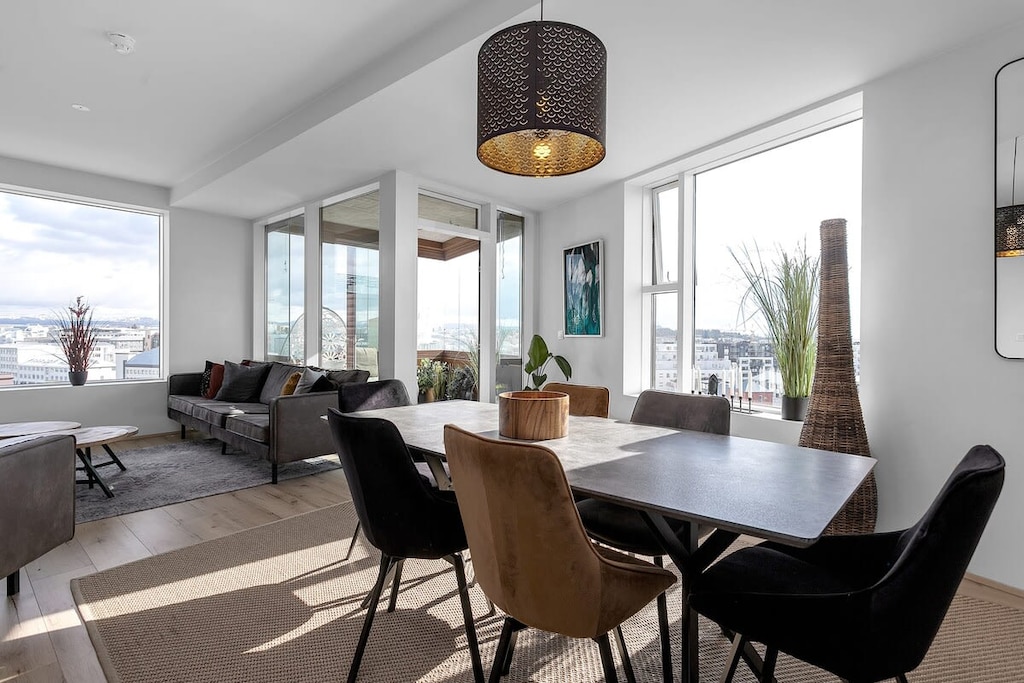


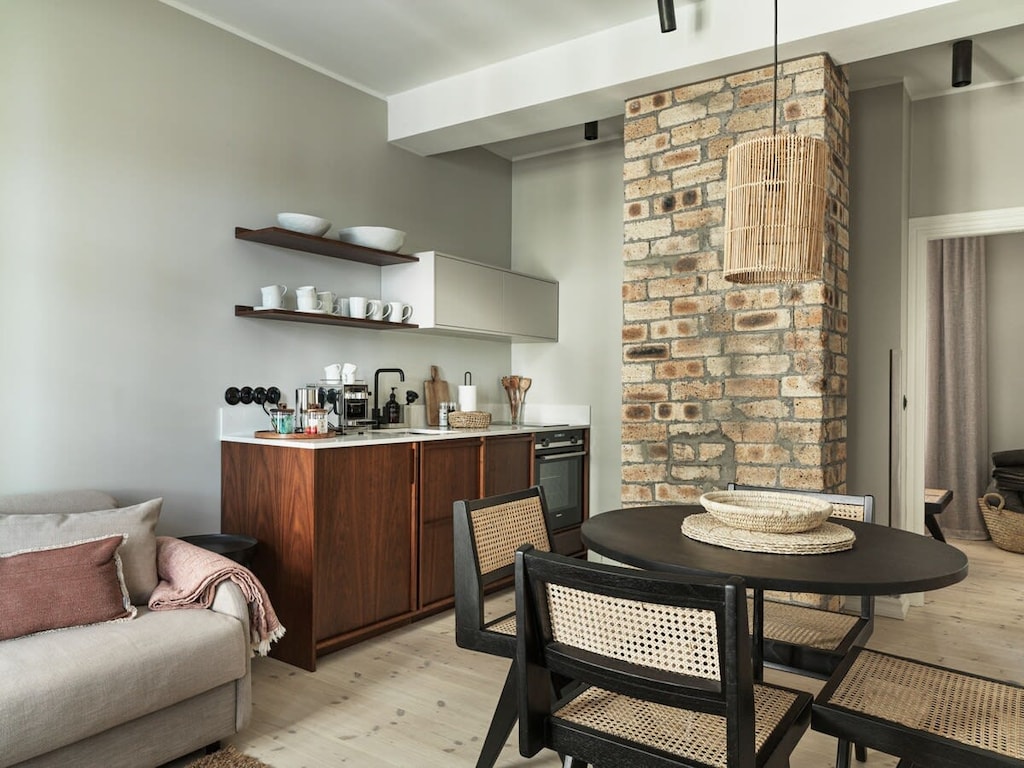
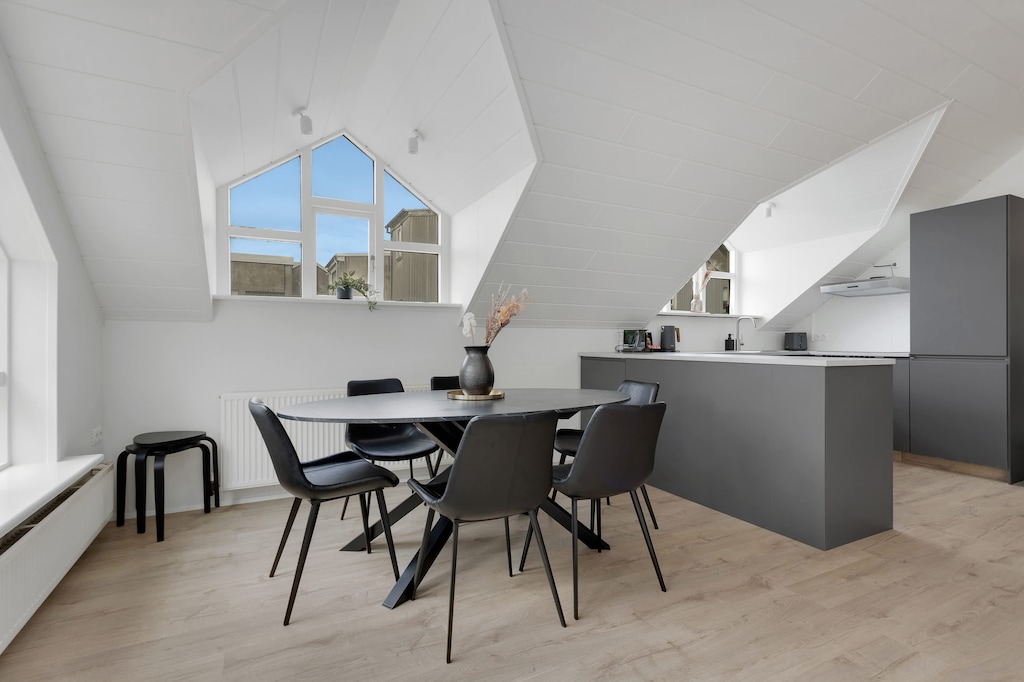


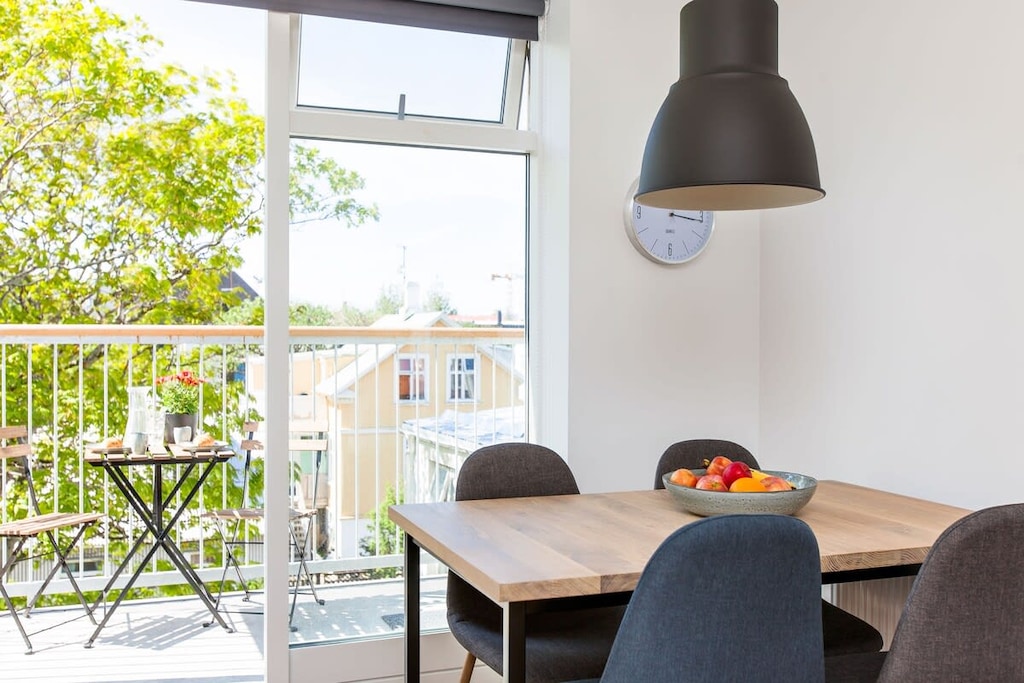

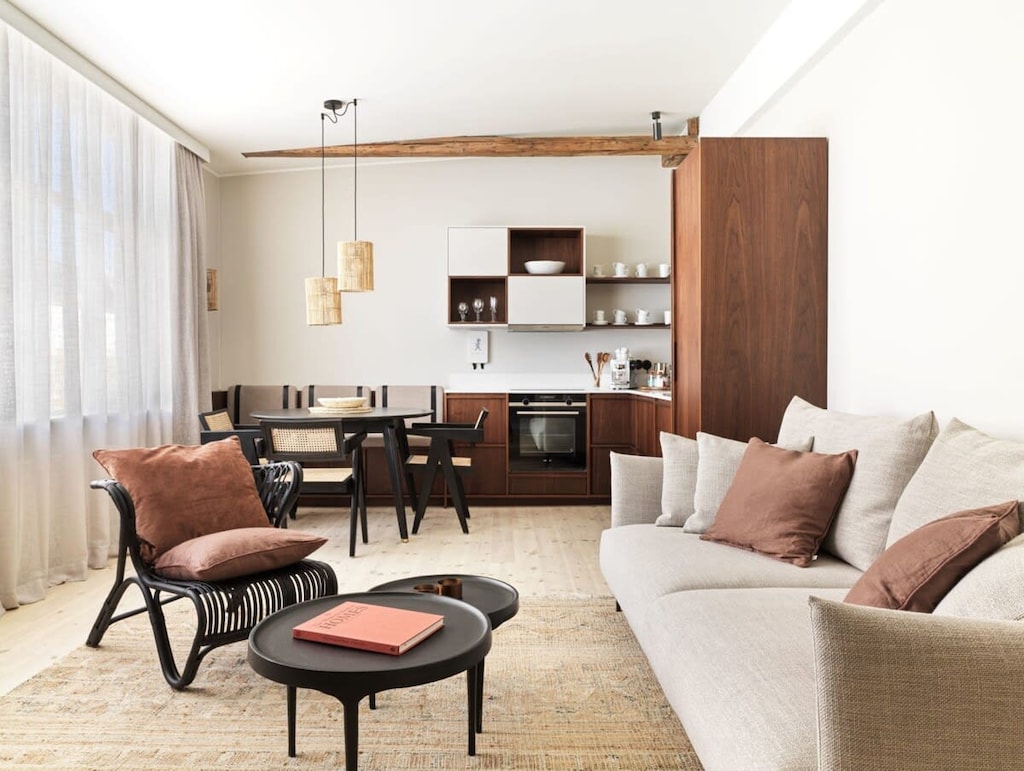

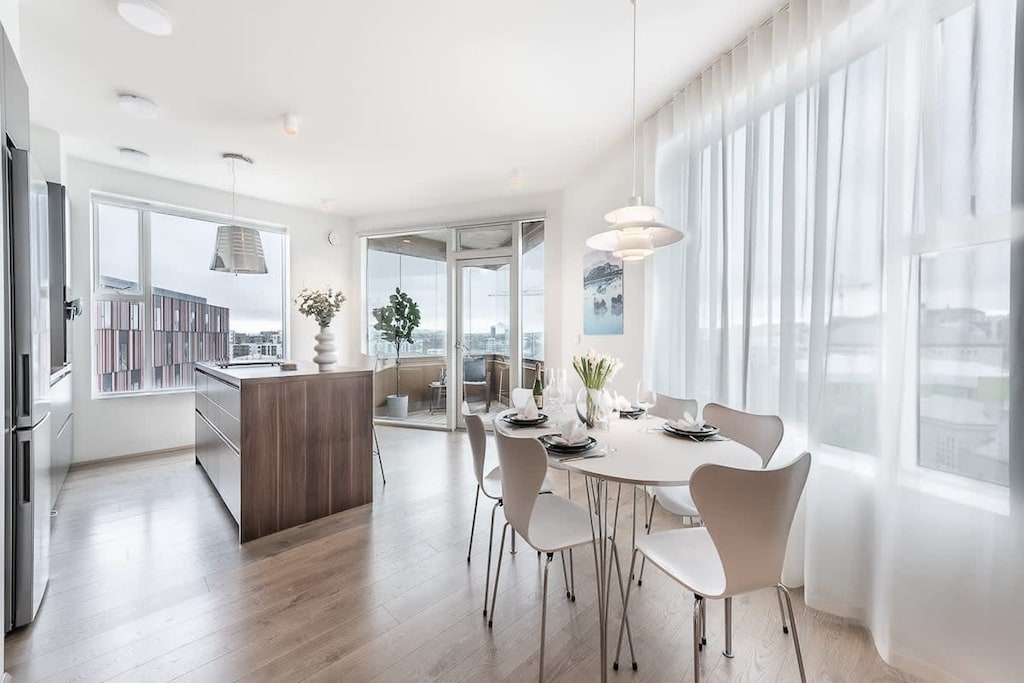

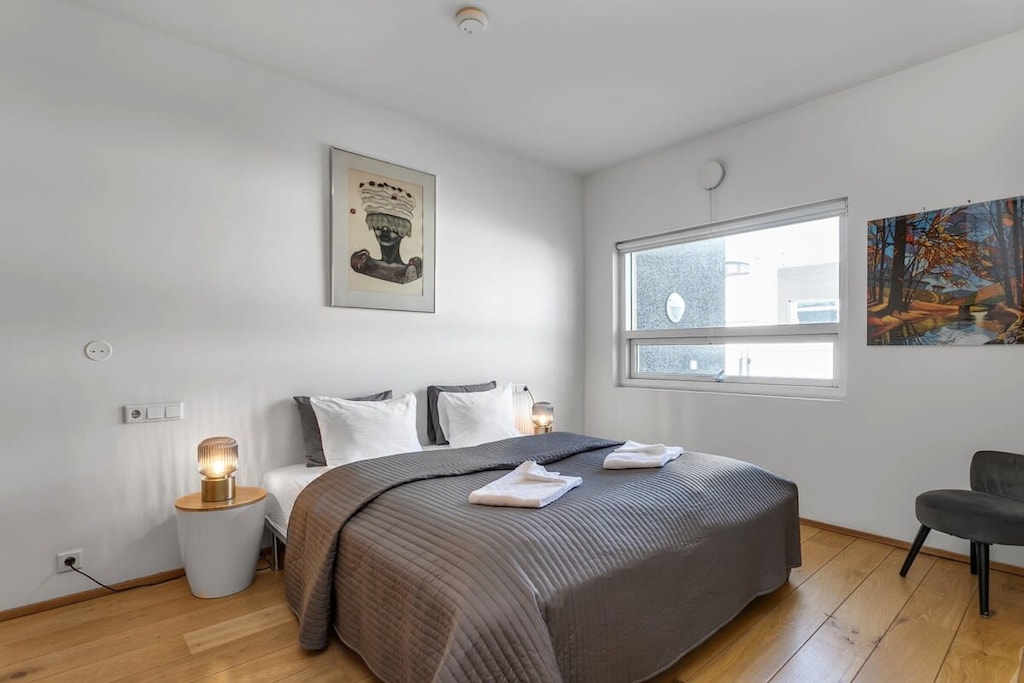
Vacation Rentals in Reykjavík by Amenities & Features
Get to Know Reykjavík
Reykjavík OverviewReykjavík, the northernmost capital of the world, is a city where nature and culture converge in a landscape of stark beauty and vibrant creativity. This compact city is easy to explore yet packed with enough attractions to keep visitors enthralled for days.
The city's proximity to some of Iceland's most awe-inspiring natural wonders makes it an ideal base for those looking to experience the country's dramatic landscapes. From the city, you can embark on excursions to see the famous Golden Circle, with its geysers, waterfalls, and the Þingvellir National Park, where the North American and Eurasian tectonic plates meet.
Reykjavík itself is a hub of cultural activity, with a thriving music scene, art galleries, and museums that celebrate Iceland's unique history and contemporary life. The National and Saga museums are treasure troves for history enthusiasts, while the Harpa Concert Hall and Conference Centre is an architectural marvel that hosts a range of performances.
For relaxation, the geothermal waters of the Blue Lagoon are just a short drive away, offering a spa experience like no other in a surreal lunar landscape. Within the city, the Laugardalslaug pool is a local favorite for a warm soak or a few laps in the Olympic-sized pool.
The city's culinary scene is a revelation, with a focus on fresh, locally sourced ingredients. From seafood caught in the nearby Atlantic to the lamb raised on Iceland's wild pastures, Reykjavík's restaurants offer a taste of the country's bounty. The city's old harbor area is a particularly good spot for dining, with a range of eateries serving everything from traditional Icelandic dishes to international cuisine.
For those interested in shopping, Reykjavík's Laugavegur is the main shopping street, lined with boutiques selling local design, outdoor gear, and unique souvenirs. The Kolaportið flea market is also a fun place to browse for second-hand goods and Icelandic delicacies.
Despite its small size, Reykjavík is a city of big contrasts and even bigger experiences. It's a place where you can watch the midnight sun set on the ocean horizon, marvel at the Northern Lights, and immerse yourself in a culture that is as warm and inviting as the geothermal waters that flow beneath the city. Whether you're an outdoor adventurer, a culture enthusiast, or simply looking to relax in stunning surroundings, Reykjavík is a destination that will not disappoint.
Reykjavík, the northernmost capital of the world, is a city where nature and culture converge in a landscape of stark beauty and vibrant creativity. This compact city is easy to explore yet packed with enough attractions to keep visitors enthralled for days. The city's proximity to some of Iceland's most awe-inspiring natural wonders makes it an ideal base for those looking to experience the country's dramatic landscapes. From the city, you can embark on excursions to see the famous Golden Circle, with its geysers, waterfalls, and the Þingvellir National Park, where the North American and Eurasian tectonic plates meet. Reykjavík itself is a hub of cultural activity, with a thriving music scene, art galleries, and museums that celebrate Iceland's unique history and contemporary life. The National and Saga museums are treasure troves for history enthusiasts, while the Harpa Concert Hall and Conference Centre is an architectural marvel that hosts a range of performances. For relaxation, the geothermal waters of the Blue Lagoon are just a short drive away, offering a spa experience like no other in a surreal lunar landscape. Within the city, the Laugardalslaug pool is a local favorite for a warm soak or a few laps in the Olympic-sized pool. The city's culinary scene is a revelation, with a focus on fresh, locally sourced ingredients. From seafood caught in the nearby Atlantic to the lamb raised on Iceland's wild pastures, Reykjavík's restaurants offer a taste of the country's bounty. The city's old harbor area is a particularly good spot for dining, with a range of eateries serving everything from traditional Icelandic dishes to international cuisine. For those interested in shopping, Reykjavík's Laugavegur is the main shopping street, lined with boutiques selling local design, outdoor gear, and unique souvenirs. The Kolaportið flea market is also a fun place to browse for second-hand goods and Icelandic delicacies. Despite its small size, Reykjavík is a city of big contrasts and even bigger experiences. It's a place where you can watch the midnight sun set on the ocean horizon, marvel at the Northern Lights, and immerse yourself in a culture that is as warm and inviting as the geothermal waters that flow beneath the city. Whether you're an outdoor adventurer, a culture enthusiast, or simply looking to relax in stunning surroundings, Reykjavík is a destination that will not disappoint.
Reykjavík, the northernmost capital of the world, is a city where nature and culture converge in a landscape of stark beauty and vibrant creativity. This compact city is easy to explore yet packed with enough attractions to keep visitors enthralled for days. The city's proximity to some of Iceland's most awe-inspiring natural wonders makes it an ideal base for those looking to experience the country's dramatic landscapes. From the city, you can embark on excursions to see the famous Golden Circle, with its geysers, waterfalls, and the Þingvellir National Park, where the North American and Eurasian tectonic plates meet. Reykjavík itself is a hub of cultural activity, with a thriving music scene, art galleries, and museums that celebrate Iceland's unique history and contemporary life. The National and Saga museums are treasure troves for history enthusiasts, while the Harpa Concert Hall and Conference Centre is an architectural marvel that hosts a range of performances. For relaxation, the geothermal waters of the Blue Lagoon are just a short drive away, offering a spa experience like no other in a surreal lunar landscape. Within the city, the Laugardalslaug pool is a local favorite for a warm soak or a few laps in the Olympic-sized pool. The city's culinary scene is a revelation, with a focus on fresh, locally sourced ingredients. From seafood caught in the nearby Atlantic to the lamb raised on Iceland's wild pastures, Reykjavík's restaurants offer a taste of the country's bounty. The city's old harbor area is a particularly good spot for dining, with a range of eateries serving everything from traditional Icelandic dishes to international cuisine. For those interested in shopping, Reykjavík's Laugavegur is the main shopping street, lined with boutiques selling local design, outdoor gear, and unique souvenirs. The Kolaportið flea market is also a fun place to browse for second-hand goods and Icelandic delicacies. Despite its small size, Reykjavík is a city of big contrasts and even bigger experiences. It's a place where you can watch the midnight sun set on the ocean horizon, marvel at the Northern Lights, and immerse yourself in a culture that is as warm and inviting as the geothermal waters that flow beneath the city. Whether you're an outdoor adventurer, a culture enthusiast, or simply looking to relax in stunning surroundings, Reykjavík is a destination that will not disappoint.
Weather in ReykjavíkReykjavík, the capital of Iceland, is known for its subarctic maritime climate, which brings cool temperatures throughout the year and a significant variation in daylight hours between seasons.
Winter, from November to February, is characterized by short days and long nights, with the sun rising as late as 11:30 am and setting as early as 3:30 pm in December. Average temperatures hover around -1°C to 3°C, but can occasionally drop lower. Snowfall is common, and the city can be blanketed in white, offering a picturesque winter wonderland. This is also the season when you might catch the mesmerizing Northern Lights, a bucket-list phenomenon for many travelers.
Spring, from March to May, sees gradually increasing daylight and temperatures that range from 0°C to around 10°C. While the weather can still be quite chilly, especially in early spring, the melting snow reveals the city's vibrant colors. Precipitation is still common, but the rain is often light and doesn't hinder exploration too much.
Summer, from June to August, is the warmest and most popular time to visit Reykjavík. Average temperatures range from 9°C to 15°C, and the city experiences near 24-hour daylight around the summer solstice in June, known as the Midnight Sun. This is the best time for outdoor activities, such as hiking and whale watching, as the weather is at its most pleasant.
Autumn, from September to October, brings cooler temperatures, ranging from 5°C to 10°C, and the daylight hours begin to decrease significantly. The weather can be unpredictable, with a mix of rain, wind, and occasional snow as the season progresses. However, the autumn colors provide a beautiful backdrop for the city's landscapes.
The most popular weather conditions, with milder temperatures and extended daylight, are prevalent in the summer months. However, each season offers its own unique experience. For those looking to avoid the peak tourist season while still enjoying relatively comfortable weather, the shoulder months of May and September can be ideal. These times offer a compromise between the busy summer season and the harsher winter conditions, allowing for a quieter yet still enjoyable visit to Reykjavík.
Reykjavík, the capital of Iceland, is known for its subarctic maritime climate, which brings cool temperatures throughout the year and a significant variation in daylight hours between seasons. Winter, from November to February, is characterized by short days and long nights, with the sun rising as late as 11:30 am and setting as early as 3:30 pm in December. Average temperatures hover around -1°C to 3°C, but can occasionally drop lower. Snowfall is common, and the city can be blanketed in white, offering a picturesque winter wonderland. This is also the season when you might catch the mesmerizing Northern Lights, a bucket-list phenomenon for many travelers. Spring, from March to May, sees gradually increasing daylight and temperatures that range from 0°C to around 10°C. While the weather can still be quite chilly, especially in early spring, the melting snow reveals the city's vibrant colors. Precipitation is still common, but the rain is often light and doesn't hinder exploration too much. Summer, from June to August, is the warmest and most popular time to visit Reykjavík. Average temperatures range from 9°C to 15°C, and the city experiences near 24-hour daylight around the summer solstice in June, known as the Midnight Sun. This is the best time for outdoor activities, such as hiking and whale watching, as the weather is at its most pleasant. Autumn, from September to October, brings cooler temperatures, ranging from 5°C to 10°C, and the daylight hours begin to decrease significantly. The weather can be unpredictable, with a mix of rain, wind, and occasional snow as the season progresses. However, the autumn colors provide a beautiful backdrop for the city's landscapes. The most popular weather conditions, with milder temperatures and extended daylight, are prevalent in the summer months. However, each season offers its own unique experience. For those looking to avoid the peak tourist season while still enjoying relatively comfortable weather, the shoulder months of May and September can be ideal. These times offer a compromise between the busy summer season and the harsher winter conditions, allowing for a quieter yet still enjoyable visit to Reykjavík.
Reykjavík, the capital of Iceland, is known for its subarctic maritime climate, which brings cool temperatures throughout the year and a significant variation in daylight hours between seasons. Winter, from November to February, is characterized by short days and long nights, with the sun rising as late as 11:30 am and setting as early as 3:30 pm in December. Average temperatures hover around -1°C to 3°C, but can occasionally drop lower. Snowfall is common, and the city can be blanketed in white, offering a picturesque winter wonderland. This is also the season when you might catch the mesmerizing Northern Lights, a bucket-list phenomenon for many travelers. Spring, from March to May, sees gradually increasing daylight and temperatures that range from 0°C to around 10°C. While the weather can still be quite chilly, especially in early spring, the melting snow reveals the city's vibrant colors. Precipitation is still common, but the rain is often light and doesn't hinder exploration too much. Summer, from June to August, is the warmest and most popular time to visit Reykjavík. Average temperatures range from 9°C to 15°C, and the city experiences near 24-hour daylight around the summer solstice in June, known as the Midnight Sun. This is the best time for outdoor activities, such as hiking and whale watching, as the weather is at its most pleasant. Autumn, from September to October, brings cooler temperatures, ranging from 5°C to 10°C, and the daylight hours begin to decrease significantly. The weather can be unpredictable, with a mix of rain, wind, and occasional snow as the season progresses. However, the autumn colors provide a beautiful backdrop for the city's landscapes. The most popular weather conditions, with milder temperatures and extended daylight, are prevalent in the summer months. However, each season offers its own unique experience. For those looking to avoid the peak tourist season while still enjoying relatively comfortable weather, the shoulder months of May and September can be ideal. These times offer a compromise between the busy summer season and the harsher winter conditions, allowing for a quieter yet still enjoyable visit to Reykjavík.
Cultural Attractions in ReykjavíkReykjavík, the northernmost capital of the world, is a city where culture, history, and the arts converge amidst a backdrop of stark natural beauty. For the traveler with a passion for cultural activities, Reykjavík offers a wealth of experiences that are as unique as they are enriching.
Begin your cultural exploration at the National Museum of Iceland, where the country's history unfolds from the Viking Age to the present day. The museum's artifacts and exhibits provide a profound understanding of Iceland's cultural heritage and the evolution of its society.
Art aficionados will find solace in the Reykjavík Art Museum, the largest visual art institution in Iceland. Spread across three locations, the museum showcases a mix of contemporary and traditional works by Icelandic and international artists. Hafnarhús, in particular, often features cutting-edge exhibitions and installations.
For a deep dive into the local art scene, the Reykjavík 871±2 Settlement Exhibition is a must-visit. Built around the remains of a Viking longhouse, the exhibition gives a glimpse into the life of the city's earliest inhabitants. The Culture House also offers a curated selection of Icelandic cultural artifacts, including medieval manuscripts and modern art.
Live music is an integral part of Reykjavík's cultural fabric. The city is renowned for its vibrant music scene, with venues like Harpa Concert Hall and Conference Centre offering a stunning architectural experience alongside world-class performances. Harpa is not only a visual marvel but also the home of the Iceland Symphony Orchestra and the Icelandic Opera.
For those interested in local customs and the performing arts, the National Theatre of Iceland presents a variety of productions, from classic Icelandic plays to international works. The Reykjavík City Theatre is another venue where the dramatic arts come to life, reflecting the city's strong theatrical tradition.
Reykjavík's cultural calendar is dotted with festivals that celebrate the arts, such as the Reykjavík International Film Festival and the DesignMarch, which showcases the best of Icelandic design. The city's annual Culture Night marks the start of the cultural year with a day full of events, exhibitions, and performances.
Beyond the formal settings, Reykjavík's streets and public spaces are alive with art and music, from the colorful murals that adorn the city's walls to the impromptu performances by local musicians. The city's cafes and bars often host live music nights, offering a more intimate setting to experience the local sound.
In Reykjavík, every experience is infused with the spirit of Iceland—a land of storytelling, creativity, and a deep connection to its history and traditions. It's a city that invites you to immerse yourself in its culture, to engage with its art, and to be moved by its music.
Reykjavík, the northernmost capital of the world, is a city where culture, history, and the arts converge amidst a backdrop of stark natural beauty. For the traveler with a passion for cultural activities, Reykjavík offers a wealth of experiences that are as unique as they are enriching. Begin your cultural exploration at the National Museum of Iceland, where the country's history unfolds from the Viking Age to the present day. The museum's artifacts and exhibits provide a profound understanding of Iceland's cultural heritage and the evolution of its society. Art aficionados will find solace in the Reykjavík Art Museum, the largest visual art institution in Iceland. Spread across three locations, the museum showcases a mix of contemporary and traditional works by Icelandic and international artists. Hafnarhús, in particular, often features cutting-edge exhibitions and installations. For a deep dive into the local art scene, the Reykjavík 871±2 Settlement Exhibition is a must-visit. Built around the remains of a Viking longhouse, the exhibition gives a glimpse into the life of the city's earliest inhabitants. The Culture House also offers a curated selection of Icelandic cultural artifacts, including medieval manuscripts and modern art. Live music is an integral part of Reykjavík's cultural fabric. The city is renowned for its vibrant music scene, with venues like Harpa Concert Hall and Conference Centre offering a stunning architectural experience alongside world-class performances. Harpa is not only a visual marvel but also the home of the Iceland Symphony Orchestra and the Icelandic Opera. For those interested in local customs and the performing arts, the National Theatre of Iceland presents a variety of productions, from classic Icelandic plays to international works. The Reykjavík City Theatre is another venue where the dramatic arts come to life, reflecting the city's strong theatrical tradition. Reykjavík's cultural calendar is dotted with festivals that celebrate the arts, such as the Reykjavík International Film Festival and the DesignMarch, which showcases the best of Icelandic design. The city's annual Culture Night marks the start of the cultural year with a day full of events, exhibitions, and performances. Beyond the formal settings, Reykjavík's streets and public spaces are alive with art and music, from the colorful murals that adorn the city's walls to the impromptu performances by local musicians. The city's cafes and bars often host live music nights, offering a more intimate setting to experience the local sound. In Reykjavík, every experience is infused with the spirit of Iceland—a land of storytelling, creativity, and a deep connection to its history and traditions. It's a city that invites you to immerse yourself in its culture, to engage with its art, and to be moved by its music.
Reykjavík, the northernmost capital of the world, is a city where culture, history, and the arts converge amidst a backdrop of stark natural beauty. For the traveler with a passion for cultural activities, Reykjavík offers a wealth of experiences that are as unique as they are enriching. Begin your cultural exploration at the National Museum of Iceland, where the country's history unfolds from the Viking Age to the present day. The museum's artifacts and exhibits provide a profound understanding of Iceland's cultural heritage and the evolution of its society. Art aficionados will find solace in the Reykjavík Art Museum, the largest visual art institution in Iceland. Spread across three locations, the museum showcases a mix of contemporary and traditional works by Icelandic and international artists. Hafnarhús, in particular, often features cutting-edge exhibitions and installations. For a deep dive into the local art scene, the Reykjavík 871±2 Settlement Exhibition is a must-visit. Built around the remains of a Viking longhouse, the exhibition gives a glimpse into the life of the city's earliest inhabitants. The Culture House also offers a curated selection of Icelandic cultural artifacts, including medieval manuscripts and modern art. Live music is an integral part of Reykjavík's cultural fabric. The city is renowned for its vibrant music scene, with venues like Harpa Concert Hall and Conference Centre offering a stunning architectural experience alongside world-class performances. Harpa is not only a visual marvel but also the home of the Iceland Symphony Orchestra and the Icelandic Opera. For those interested in local customs and the performing arts, the National Theatre of Iceland presents a variety of productions, from classic Icelandic plays to international works. The Reykjavík City Theatre is another venue where the dramatic arts come to life, reflecting the city's strong theatrical tradition. Reykjavík's cultural calendar is dotted with festivals that celebrate the arts, such as the Reykjavík International Film Festival and the DesignMarch, which showcases the best of Icelandic design. The city's annual Culture Night marks the start of the cultural year with a day full of events, exhibitions, and performances. Beyond the formal settings, Reykjavík's streets and public spaces are alive with art and music, from the colorful murals that adorn the city's walls to the impromptu performances by local musicians. The city's cafes and bars often host live music nights, offering a more intimate setting to experience the local sound. In Reykjavík, every experience is infused with the spirit of Iceland—a land of storytelling, creativity, and a deep connection to its history and traditions. It's a city that invites you to immerse yourself in its culture, to engage with its art, and to be moved by its music.
Family friendly activities in ReykjavíkReykjavík, the capital of Iceland, is a city that offers a magical experience for families traveling with children. Its unique blend of culture, nature, and adventure makes it an ideal destination for young explorers eager to discover the wonders of the Land of Fire and Ice.
Begin your family adventure at the Whales of Iceland exhibition, where life-sized models of whales offer an immersive experience into the world of these gentle giants. Interactive displays and guided tours make it educational and engaging for children of all ages.
For a hands-on science experience, visit the Aurora Reykjavík, The Northern Lights Center. Here, kids can learn about the science behind the aurora borealis through interactive exhibits and a captivating HD projection of the lights themselves.
The Reykjavík Family Park and Zoo is a delightful spot where children can meet Icelandic animals such as reindeer, seals, and arctic foxes, as well as enjoy fun rides and play areas. During the winter months, the park transforms into a winter wonderland with ice skating and other snowy activities.
Take a trip to the Perlan Museum, where the Wonders of Iceland exhibit includes an indoor ice cave and a planetarium. The ice cave is a unique experience, allowing families to walk through a man-made glacier and learn about glacial features and the impact of global warming.
For a bit of outdoor adventure, head to the geothermal beach at Nauthólsvík, where even in cooler temperatures, children can enjoy the warm waters of the heated lagoon, and the adventurous can take a dip in the ocean.
Laugardalslaug, the largest swimming pool in Iceland, is a must-visit for families. With its outdoor and indoor pools, hot tubs, water slides, and a children's pool, it's a place where kids can splash around and parents can relax in the geothermal waters.
For a cultural experience, the National Museum of Iceland offers a glimpse into the country's history with exhibits that are accessible to children. The interactive elements and storytelling approach make it an educational stop for curious minds.
Lastly, no visit to Reykjavík would be complete without a stroll along the Old Harbour, where families can enjoy fresh seafood, take a puffin or whale watching tour, and soak in the maritime atmosphere.
Reykjavík is a city where the natural and the mythical blend seamlessly, offering families an unforgettable journey through the heart of Iceland's enchanting landscapes and rich cultural heritage.
Reykjavík, the capital of Iceland, is a city that offers a magical experience for families traveling with children. Its unique blend of culture, nature, and adventure makes it an ideal destination for young explorers eager to discover the wonders of the Land of Fire and Ice. Begin your family adventure at the Whales of Iceland exhibition, where life-sized models of whales offer an immersive experience into the world of these gentle giants. Interactive displays and guided tours make it educational and engaging for children of all ages. For a hands-on science experience, visit the Aurora Reykjavík, The Northern Lights Center. Here, kids can learn about the science behind the aurora borealis through interactive exhibits and a captivating HD projection of the lights themselves. The Reykjavík Family Park and Zoo is a delightful spot where children can meet Icelandic animals such as reindeer, seals, and arctic foxes, as well as enjoy fun rides and play areas. During the winter months, the park transforms into a winter wonderland with ice skating and other snowy activities. Take a trip to the Perlan Museum, where the Wonders of Iceland exhibit includes an indoor ice cave and a planetarium. The ice cave is a unique experience, allowing families to walk through a man-made glacier and learn about glacial features and the impact of global warming. For a bit of outdoor adventure, head to the geothermal beach at Nauthólsvík, where even in cooler temperatures, children can enjoy the warm waters of the heated lagoon, and the adventurous can take a dip in the ocean. Laugardalslaug, the largest swimming pool in Iceland, is a must-visit for families. With its outdoor and indoor pools, hot tubs, water slides, and a children's pool, it's a place where kids can splash around and parents can relax in the geothermal waters. For a cultural experience, the National Museum of Iceland offers a glimpse into the country's history with exhibits that are accessible to children. The interactive elements and storytelling approach make it an educational stop for curious minds. Lastly, no visit to Reykjavík would be complete without a stroll along the Old Harbour, where families can enjoy fresh seafood, take a puffin or whale watching tour, and soak in the maritime atmosphere. Reykjavík is a city where the natural and the mythical blend seamlessly, offering families an unforgettable journey through the heart of Iceland's enchanting landscapes and rich cultural heritage.
Reykjavík, the capital of Iceland, is a city that offers a magical experience for families traveling with children. Its unique blend of culture, nature, and adventure makes it an ideal destination for young explorers eager to discover the wonders of the Land of Fire and Ice. Begin your family adventure at the Whales of Iceland exhibition, where life-sized models of whales offer an immersive experience into the world of these gentle giants. Interactive displays and guided tours make it educational and engaging for children of all ages. For a hands-on science experience, visit the Aurora Reykjavík, The Northern Lights Center. Here, kids can learn about the science behind the aurora borealis through interactive exhibits and a captivating HD projection of the lights themselves. The Reykjavík Family Park and Zoo is a delightful spot where children can meet Icelandic animals such as reindeer, seals, and arctic foxes, as well as enjoy fun rides and play areas. During the winter months, the park transforms into a winter wonderland with ice skating and other snowy activities. Take a trip to the Perlan Museum, where the Wonders of Iceland exhibit includes an indoor ice cave and a planetarium. The ice cave is a unique experience, allowing families to walk through a man-made glacier and learn about glacial features and the impact of global warming. For a bit of outdoor adventure, head to the geothermal beach at Nauthólsvík, where even in cooler temperatures, children can enjoy the warm waters of the heated lagoon, and the adventurous can take a dip in the ocean. Laugardalslaug, the largest swimming pool in Iceland, is a must-visit for families. With its outdoor and indoor pools, hot tubs, water slides, and a children's pool, it's a place where kids can splash around and parents can relax in the geothermal waters. For a cultural experience, the National Museum of Iceland offers a glimpse into the country's history with exhibits that are accessible to children. The interactive elements and storytelling approach make it an educational stop for curious minds. Lastly, no visit to Reykjavík would be complete without a stroll along the Old Harbour, where families can enjoy fresh seafood, take a puffin or whale watching tour, and soak in the maritime atmosphere. Reykjavík is a city where the natural and the mythical blend seamlessly, offering families an unforgettable journey through the heart of Iceland's enchanting landscapes and rich cultural heritage.
Outdoor activities in ReykjavíkReykjavík, the capital of Iceland, is a city that offers an extraordinary array of natural wonders and outdoor activities for those who seek to immerse themselves in nature. The city itself is a gateway to Iceland's raw and rugged landscapes, where the elements craft a terrain that is both beautiful and otherworldly.
One of the most iconic natural attractions near Reykjavík is the Golden Circle route. This popular day trip takes you to Þingvellir National Park, a UNESCO World Heritage site, where you can witness the continental drift between the North American and Eurasian Plates in the rift valley. It's also a place of great historical significance, as the site of Iceland's ancient parliament.
The Golden Circle also includes the explosive geysers at the Geysir Geothermal Area, where Strokkur geyser shoots water up to 30 meters into the air every few minutes. The route culminates at the majestic Gullfoss waterfall, where you can feel the mist on your face and hear the thunderous roar of the Hvítá river as it plunges into a deep crevice.
For those who love hiking, Mount Esja offers a range of trails with varying difficulty levels and provides stunning views over Reykjavík and the surrounding bay. In the winter months, the nearby Bláfjöll ski resort becomes a playground for snow sports enthusiasts.
The proximity to the ocean means that whale watching tours are readily available, offering the chance to see minke whales, humpback whales, and even orcas in their natural habitat. Puffin spotting is also a popular activity, especially on the islands near the city.
For a truly unique experience, you can take a dip in one of the many geothermal pools or the famous Blue Lagoon, located just outside the city. The mineral-rich waters are not only warm and relaxing but are also said to have healing properties.
Adventurous travelers can explore the fascinating underworld of Iceland by venturing into lava tubes or ice caves, or even go snorkeling or diving in the crystal-clear waters of the Silfra fissure, where you can literally touch two continents at once.
Reykjavík is also an excellent base for those looking to witness the Northern Lights, with many tours operating from the city that will take you to the best viewing spots during the aurora season.
In Reykjavík, the connection with nature is ever-present, and the city serves as a perfect starting point for exploring the vast, untamed beauty of Iceland. Whether you're soaking in geothermal waters, hiking across volcanic landscapes, or watching the dance of the aurora borealis, Reykjavík offers an unforgettable outdoor experience.
Reykjavík, the capital of Iceland, is a city that offers an extraordinary array of natural wonders and outdoor activities for those who seek to immerse themselves in nature. The city itself is a gateway to Iceland's raw and rugged landscapes, where the elements craft a terrain that is both beautiful and otherworldly. One of the most iconic natural attractions near Reykjavík is the Golden Circle route. This popular day trip takes you to Þingvellir National Park, a UNESCO World Heritage site, where you can witness the continental drift between the North American and Eurasian Plates in the rift valley. It's also a place of great historical significance, as the site of Iceland's ancient parliament. The Golden Circle also includes the explosive geysers at the Geysir Geothermal Area, where Strokkur geyser shoots water up to 30 meters into the air every few minutes. The route culminates at the majestic Gullfoss waterfall, where you can feel the mist on your face and hear the thunderous roar of the Hvítá river as it plunges into a deep crevice. For those who love hiking, Mount Esja offers a range of trails with varying difficulty levels and provides stunning views over Reykjavík and the surrounding bay. In the winter months, the nearby Bláfjöll ski resort becomes a playground for snow sports enthusiasts. The proximity to the ocean means that whale watching tours are readily available, offering the chance to see minke whales, humpback whales, and even orcas in their natural habitat. Puffin spotting is also a popular activity, especially on the islands near the city. For a truly unique experience, you can take a dip in one of the many geothermal pools or the famous Blue Lagoon, located just outside the city. The mineral-rich waters are not only warm and relaxing but are also said to have healing properties. Adventurous travelers can explore the fascinating underworld of Iceland by venturing into lava tubes or ice caves, or even go snorkeling or diving in the crystal-clear waters of the Silfra fissure, where you can literally touch two continents at once. Reykjavík is also an excellent base for those looking to witness the Northern Lights, with many tours operating from the city that will take you to the best viewing spots during the aurora season. In Reykjavík, the connection with nature is ever-present, and the city serves as a perfect starting point for exploring the vast, untamed beauty of Iceland. Whether you're soaking in geothermal waters, hiking across volcanic landscapes, or watching the dance of the aurora borealis, Reykjavík offers an unforgettable outdoor experience.
Reykjavík, the capital of Iceland, is a city that offers an extraordinary array of natural wonders and outdoor activities for those who seek to immerse themselves in nature. The city itself is a gateway to Iceland's raw and rugged landscapes, where the elements craft a terrain that is both beautiful and otherworldly. One of the most iconic natural attractions near Reykjavík is the Golden Circle route. This popular day trip takes you to Þingvellir National Park, a UNESCO World Heritage site, where you can witness the continental drift between the North American and Eurasian Plates in the rift valley. It's also a place of great historical significance, as the site of Iceland's ancient parliament. The Golden Circle also includes the explosive geysers at the Geysir Geothermal Area, where Strokkur geyser shoots water up to 30 meters into the air every few minutes. The route culminates at the majestic Gullfoss waterfall, where you can feel the mist on your face and hear the thunderous roar of the Hvítá river as it plunges into a deep crevice. For those who love hiking, Mount Esja offers a range of trails with varying difficulty levels and provides stunning views over Reykjavík and the surrounding bay. In the winter months, the nearby Bláfjöll ski resort becomes a playground for snow sports enthusiasts. The proximity to the ocean means that whale watching tours are readily available, offering the chance to see minke whales, humpback whales, and even orcas in their natural habitat. Puffin spotting is also a popular activity, especially on the islands near the city. For a truly unique experience, you can take a dip in one of the many geothermal pools or the famous Blue Lagoon, located just outside the city. The mineral-rich waters are not only warm and relaxing but are also said to have healing properties. Adventurous travelers can explore the fascinating underworld of Iceland by venturing into lava tubes or ice caves, or even go snorkeling or diving in the crystal-clear waters of the Silfra fissure, where you can literally touch two continents at once. Reykjavík is also an excellent base for those looking to witness the Northern Lights, with many tours operating from the city that will take you to the best viewing spots during the aurora season. In Reykjavík, the connection with nature is ever-present, and the city serves as a perfect starting point for exploring the vast, untamed beauty of Iceland. Whether you're soaking in geothermal waters, hiking across volcanic landscapes, or watching the dance of the aurora borealis, Reykjavík offers an unforgettable outdoor experience.
Transportation in ReykjavíkReykjavík, the capital of Iceland, is a city that combines modern urban life with close proximity to the raw beauty of nature. For travelers arriving in Iceland, Keflavík International Airport is the main gateway, located about 50 kilometers southwest of Reykjavík. From the airport, visitors can take the Flybus or Airport Express shuttle services, which offer convenient transfers to the city center and major hotels. Taxis and rental cars are also available at the airport for those who prefer a more private mode of transportation.
Once in Reykjavík, the city's compact size makes it quite walkable, especially in the downtown area where attractions, shops, and restaurants are clustered together. Walking through the city provides an intimate experience of its charming streets, colorful houses, and unique architecture, such as the iconic Hallgrímskirkja church.
For longer distances or when venturing outside the city center, Reykjavík's public transportation system, Strætó, operates a network of buses that connect various parts of the city and its suburbs. While the bus service is reliable, it is less frequent than in larger cities, so planning ahead is advisable.
For those who prefer the flexibility of driving, car rentals are widely available and offer the freedom to explore the stunning landscapes of Iceland at one's own pace. The country's Ring Road encircles the island, providing access to many of Iceland's natural wonders, though it's important to be mindful of weather conditions, especially during the winter months.
Cycling in Reykjavík is also an option during the warmer months, with dedicated bike paths in certain areas. However, the city's variable weather and hilly terrain can make cycling more challenging.
For excursions to popular sites such as the Golden Circle, the Blue Lagoon, or the South Coast, numerous tour companies offer day trips from Reykjavík. These tours provide convenient transportation and often include guided commentary, making them a popular choice for those who prefer organized activities.
In summary, Reykjavík is a city that is easily navigable on foot within the central area, complemented by a range of transportation options for longer distances and excursions. Whether you choose to walk, take the bus, drive, or join a guided tour, Reykjavík's transportation services cater to the needs of all travelers, ensuring a memorable visit to Iceland's capital.
Reykjavík, the capital of Iceland, is a city that combines modern urban life with close proximity to the raw beauty of nature. For travelers arriving in Iceland, Keflavík International Airport is the main gateway, located about 50 kilometers southwest of Reykjavík. From the airport, visitors can take the Flybus or Airport Express shuttle services, which offer convenient transfers to the city center and major hotels. Taxis and rental cars are also available at the airport for those who prefer a more private mode of transportation. Once in Reykjavík, the city's compact size makes it quite walkable, especially in the downtown area where attractions, shops, and restaurants are clustered together. Walking through the city provides an intimate experience of its charming streets, colorful houses, and unique architecture, such as the iconic Hallgrímskirkja church. For longer distances or when venturing outside the city center, Reykjavík's public transportation system, Strætó, operates a network of buses that connect various parts of the city and its suburbs. While the bus service is reliable, it is less frequent than in larger cities, so planning ahead is advisable. For those who prefer the flexibility of driving, car rentals are widely available and offer the freedom to explore the stunning landscapes of Iceland at one's own pace. The country's Ring Road encircles the island, providing access to many of Iceland's natural wonders, though it's important to be mindful of weather conditions, especially during the winter months. Cycling in Reykjavík is also an option during the warmer months, with dedicated bike paths in certain areas. However, the city's variable weather and hilly terrain can make cycling more challenging. For excursions to popular sites such as the Golden Circle, the Blue Lagoon, or the South Coast, numerous tour companies offer day trips from Reykjavík. These tours provide convenient transportation and often include guided commentary, making them a popular choice for those who prefer organized activities. In summary, Reykjavík is a city that is easily navigable on foot within the central area, complemented by a range of transportation options for longer distances and excursions. Whether you choose to walk, take the bus, drive, or join a guided tour, Reykjavík's transportation services cater to the needs of all travelers, ensuring a memorable visit to Iceland's capital.
Reykjavík, the capital of Iceland, is a city that combines modern urban life with close proximity to the raw beauty of nature. For travelers arriving in Iceland, Keflavík International Airport is the main gateway, located about 50 kilometers southwest of Reykjavík. From the airport, visitors can take the Flybus or Airport Express shuttle services, which offer convenient transfers to the city center and major hotels. Taxis and rental cars are also available at the airport for those who prefer a more private mode of transportation. Once in Reykjavík, the city's compact size makes it quite walkable, especially in the downtown area where attractions, shops, and restaurants are clustered together. Walking through the city provides an intimate experience of its charming streets, colorful houses, and unique architecture, such as the iconic Hallgrímskirkja church. For longer distances or when venturing outside the city center, Reykjavík's public transportation system, Strætó, operates a network of buses that connect various parts of the city and its suburbs. While the bus service is reliable, it is less frequent than in larger cities, so planning ahead is advisable. For those who prefer the flexibility of driving, car rentals are widely available and offer the freedom to explore the stunning landscapes of Iceland at one's own pace. The country's Ring Road encircles the island, providing access to many of Iceland's natural wonders, though it's important to be mindful of weather conditions, especially during the winter months. Cycling in Reykjavík is also an option during the warmer months, with dedicated bike paths in certain areas. However, the city's variable weather and hilly terrain can make cycling more challenging. For excursions to popular sites such as the Golden Circle, the Blue Lagoon, or the South Coast, numerous tour companies offer day trips from Reykjavík. These tours provide convenient transportation and often include guided commentary, making them a popular choice for those who prefer organized activities. In summary, Reykjavík is a city that is easily navigable on foot within the central area, complemented by a range of transportation options for longer distances and excursions. Whether you choose to walk, take the bus, drive, or join a guided tour, Reykjavík's transportation services cater to the needs of all travelers, ensuring a memorable visit to Iceland's capital.
Reykjavík FAQs
What is there to do in Reykjavík?Reykjavík offers a variety of activities for travelers. You can explore the city's vibrant art scene, visit the iconic Hallgrímskirkja church, and learn about Viking history at the National Museum of Iceland. Don't miss the chance to relax in the geothermal waters of the Blue Lagoon, take a whale watching tour from the Old Harbour, or see the stunning views from the Perlan observation deck. For the adventurous, there are day trips to the Golden Circle, where you can see the Gullfoss waterfall, the Geysir geothermal area, and Þingvellir National Park.
Reykjavík offers a variety of activities for travelers. You can explore the city's vibrant art scene, visit the iconic Hallgrímskirkja church, and learn about Viking history at the National Museum of Iceland. Don't miss the chance to relax in the geothermal waters of the Blue Lagoon, take a whale watching tour from the Old Harbour, or see the stunning views from the Perlan observation deck. For the adventurous, there are day trips to the Golden Circle, where you can see the Gullfoss waterfall, the Geysir geothermal area, and Þingvellir National Park.
Reykjavík offers a variety of activities for travelers. You can explore the city's vibrant art scene, visit the iconic Hallgrímskirkja church, and learn about Viking history at the National Museum of Iceland. Don't miss the chance to relax in the geothermal waters of the Blue Lagoon, take a whale watching tour from the Old Harbour, or see the stunning views from the Perlan observation deck. For the adventurous, there are day trips to the Golden Circle, where you can see the Gullfoss waterfall, the Geysir geothermal area, and Þingvellir National Park.
When is the best time to visit Reykjavík?The best time to visit Reykjavík depends on what you want to do. For milder weather and long daylight hours, visit during the summer months of June to August. If you're hoping to see the Northern Lights, the best time is from September to April, when the nights are dark enough to witness this natural phenomenon.
The best time to visit Reykjavík depends on what you want to do. For milder weather and long daylight hours, visit during the summer months of June to August. If you're hoping to see the Northern Lights, the best time is from September to April, when the nights are dark enough to witness this natural phenomenon.
The best time to visit Reykjavík depends on what you want to do. For milder weather and long daylight hours, visit during the summer months of June to August. If you're hoping to see the Northern Lights, the best time is from September to April, when the nights are dark enough to witness this natural phenomenon.
How can I see the Northern Lights in Reykjavík?To increase your chances of seeing the Northern Lights, plan your visit between September and April. You can join a guided Northern Lights tour that will take you away from the city lights to darker areas, which are better for viewing. The aurora forecast can be unpredictable, so it's best to stay for a few nights to improve your chances.
To increase your chances of seeing the Northern Lights, plan your visit between September and April. You can join a guided Northern Lights tour that will take you away from the city lights to darker areas, which are better for viewing. The aurora forecast can be unpredictable, so it's best to stay for a few nights to improve your chances.
To increase your chances of seeing the Northern Lights, plan your visit between September and April. You can join a guided Northern Lights tour that will take you away from the city lights to darker areas, which are better for viewing. The aurora forecast can be unpredictable, so it's best to stay for a few nights to improve your chances.
What are the dining options like in Reykjavík?Reykjavík boasts a diverse culinary scene, ranging from traditional Icelandic cuisine to international dishes. You can enjoy freshly caught seafood, Icelandic lamb, and unique local ingredients like skyr and Arctic char. The city has everything from casual eateries to high-end restaurants, and don't forget to try the famous Icelandic hot dog at Bæjarins Beztu Pylsur.
Reykjavík boasts a diverse culinary scene, ranging from traditional Icelandic cuisine to international dishes. You can enjoy freshly caught seafood, Icelandic lamb, and unique local ingredients like skyr and Arctic char. The city has everything from casual eateries to high-end restaurants, and don't forget to try the famous Icelandic hot dog at Bæjarins Beztu Pylsur.
Reykjavík boasts a diverse culinary scene, ranging from traditional Icelandic cuisine to international dishes. You can enjoy freshly caught seafood, Icelandic lamb, and unique local ingredients like skyr and Arctic char. The city has everything from casual eateries to high-end restaurants, and don't forget to try the famous Icelandic hot dog at Bæjarins Beztu Pylsur.
Is Reykjavík a walkable city?Yes, Reykjavík is quite walkable, with most major attractions, restaurants, and shops located within the city center. The city also has a good public transportation system, and cycling is a popular option during the warmer months.
Yes, Reykjavík is quite walkable, with most major attractions, restaurants, and shops located within the city center. The city also has a good public transportation system, and cycling is a popular option during the warmer months.
Yes, Reykjavík is quite walkable, with most major attractions, restaurants, and shops located within the city center. The city also has a good public transportation system, and cycling is a popular option during the warmer months.
What should I pack for a trip to Reykjavík?The weather in Reykjavík can be unpredictable, so it's essential to pack layers. Include a waterproof jacket, warm clothing, and sturdy walking shoes. If you're visiting in winter, bring a heavy coat, thermal layers, a hat, gloves, and boots suitable for snow and ice. Don't forget your swimsuit for the geothermal pools and a camera to capture the stunning landscapes.
The weather in Reykjavík can be unpredictable, so it's essential to pack layers. Include a waterproof jacket, warm clothing, and sturdy walking shoes. If you're visiting in winter, bring a heavy coat, thermal layers, a hat, gloves, and boots suitable for snow and ice. Don't forget your swimsuit for the geothermal pools and a camera to capture the stunning landscapes.
The weather in Reykjavík can be unpredictable, so it's essential to pack layers. Include a waterproof jacket, warm clothing, and sturdy walking shoes. If you're visiting in winter, bring a heavy coat, thermal layers, a hat, gloves, and boots suitable for snow and ice. Don't forget your swimsuit for the geothermal pools and a camera to capture the stunning landscapes.
Can I use my credit card in Reykjavík?Yes, credit cards are widely accepted in Reykjavík and throughout Iceland. In fact, Iceland is one of the most cashless societies in the world, so you can use your credit card for almost all transactions, including in taxis and on buses.
Yes, credit cards are widely accepted in Reykjavík and throughout Iceland. In fact, Iceland is one of the most cashless societies in the world, so you can use your credit card for almost all transactions, including in taxis and on buses.
Yes, credit cards are widely accepted in Reykjavík and throughout Iceland. In fact, Iceland is one of the most cashless societies in the world, so you can use your credit card for almost all transactions, including in taxis and on buses.
More space, more privacy, more points with every home rental.
What makes Homes & Villas by Marriott Bonvoy a unique home rental experience? Unlike other home rental sites like AirBNB, when you book a vacation rental with Homes & Villas by Marriott Bonvoy you always have the whole place to yourself. Plus, as a member of Marriott Bonvoy, you can earn points towards free nights with every stay.