Paxi, Greece Vacation Rentals
Explore 77 vacation rentals, homes, and villas in Paxi for your next getaway or business trip. Experience the privacy of a home with premium amenities such as Air Condition Homes, Homes with Pools and Family-Friendly Homes, designed for a more comfortable and convenient stay. Every home is curated and professionally managed, with 24/7 local support, high-speed Wi-Fi, and premium linens included. With homes starting as low as $51 per night and featuring up to 6 bedrooms and 6 bathrooms, there's an option for every trip, from family vacations and group getaways to extended stays. However you're looking to experience your stay, Homes & Villas by Marriott has your next vacation home waiting. Marriott Bonvoy members can also earn and redeem points on every booking.
77 Vacation Rentals in Paxi

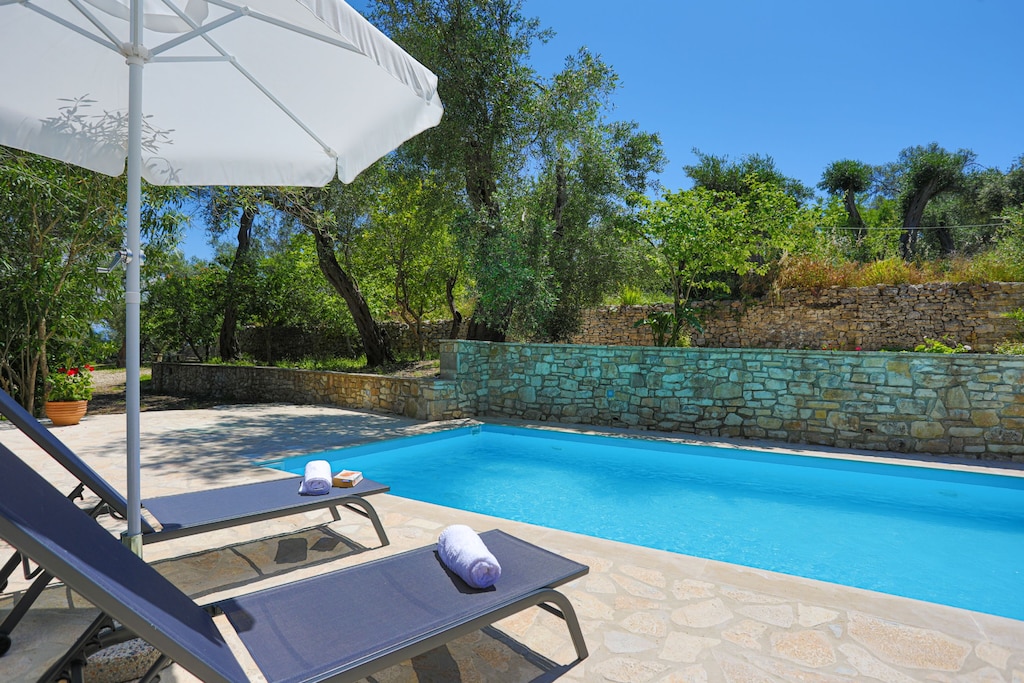


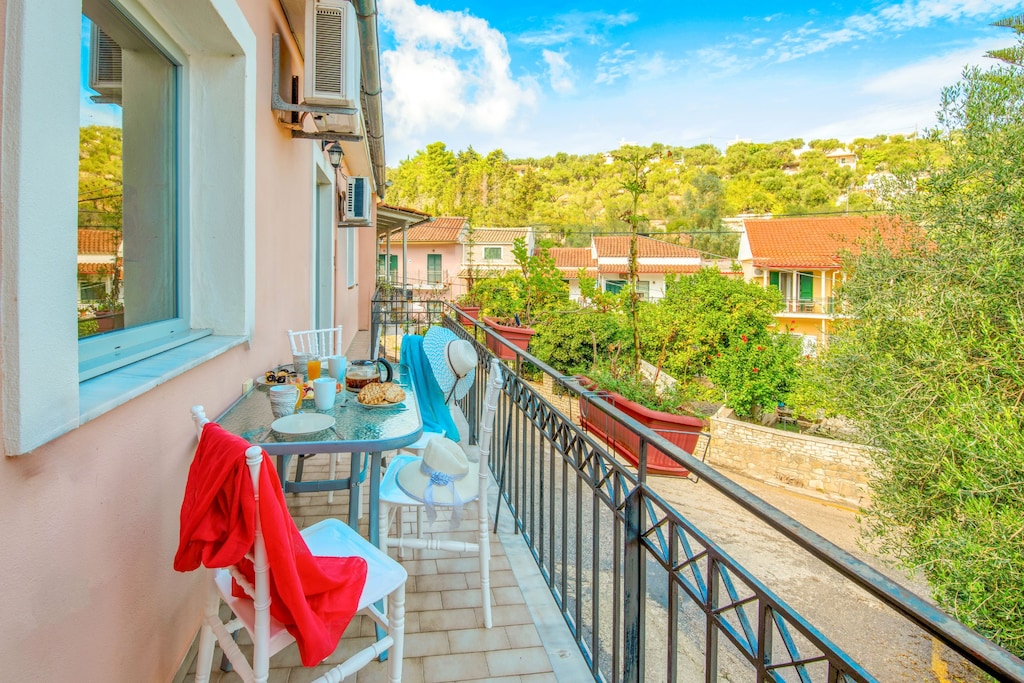


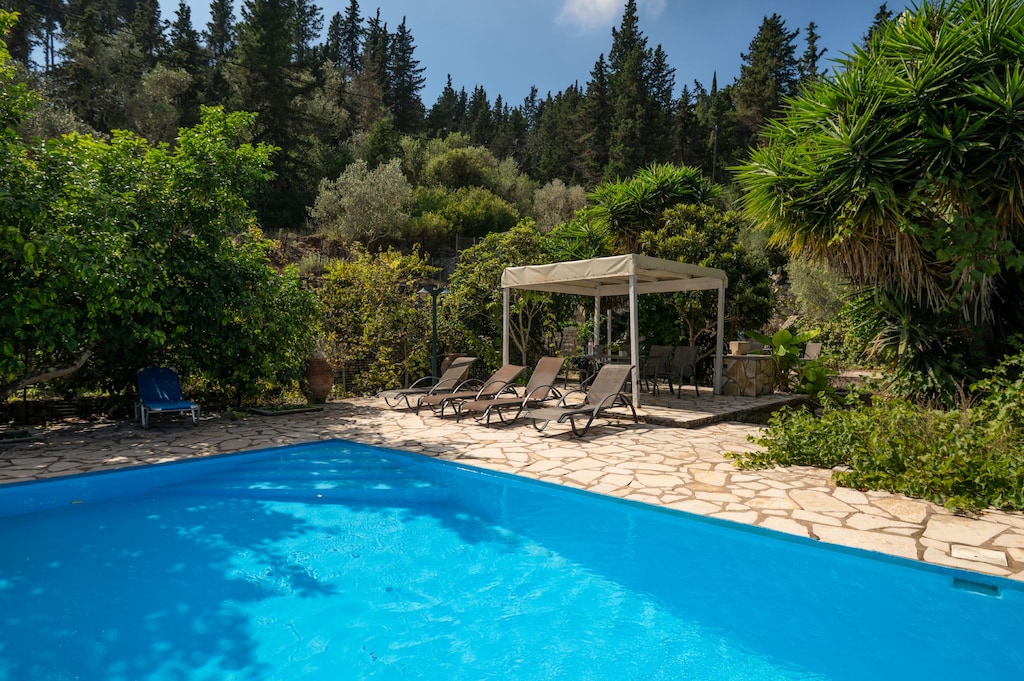


Vacation Rentals in Paxi by Amenities & Features
Get to Know Paxi
Paxi OverviewPaxi (or Paxos), the smallest of the Ionian Islands of Greece, is a hidden gem that offers an idyllic escape from the hustle and bustle of everyday life. This tranquil haven is renowned for its stunning natural beauty, crystal-clear waters, and charming villages, making it a perfect destination for those seeking both relaxation and adventure.
The island's coastline is dotted with picturesque pebble beaches and secluded coves that are perfect for swimming, snorkeling, and sunbathing. One of the most famous spots is the Blue Caves, a series of sea caves that can be explored by boat, where the interplay of sunlight and water creates an ethereal blue glow.
Paxi is also home to enchanting olive groves and lush landscapes that beckon hikers and nature enthusiasts. The island's interior is crisscrossed with trails that lead through ancient olive trees, offering stunning views of the Ionian Sea and the chance to experience the island's serene natural environment.
The island's main villages, Gaios, Lakka, and Loggos, are brimming with character. Gaios, the capital, is a bustling port town with a Venetian flair, featuring a waterfront lined with colorful buildings, cafes, and restaurants. Visitors can enjoy fresh seafood and local specialties while taking in the views of the marina and the islet of Agios Nikolaos.
Cultural experiences abound in Paxi, with a number of small churches and museums that showcase the island's history and traditions. The Paxos Museum in Gaios, for instance, offers insights into the island's past through its collection of artifacts and exhibits.
For those looking to explore beyond Paxi, the nearby Antipaxos is a must-visit. This even smaller island is famous for its vineyards and two of the most beautiful sandy beaches in the Ionian Sea, Voutoumi and Vrika, which are accessible by a short boat trip.
The island's laid-back atmosphere is complemented by its warm and welcoming locals, who are proud to share their slice of paradise with visitors. With its combination of natural splendor, cultural richness, and peaceful ambiance, Paxi is a destination that promises a truly memorable and rejuvenating experience for travelers.
Paxi (or Paxos), the smallest of the Ionian Islands of Greece, is a hidden gem that offers an idyllic escape from the hustle and bustle of everyday life. This tranquil haven is renowned for its stunning natural beauty, crystal-clear waters, and charming villages, making it a perfect destination for those seeking both relaxation and adventure. The island's coastline is dotted with picturesque pebble beaches and secluded coves that are perfect for swimming, snorkeling, and sunbathing. One of the most famous spots is the Blue Caves, a series of sea caves that can be explored by boat, where the interplay of sunlight and water creates an ethereal blue glow. Paxi is also home to enchanting olive groves and lush landscapes that beckon hikers and nature enthusiasts. The island's interior is crisscrossed with trails that lead through ancient olive trees, offering stunning views of the Ionian Sea and the chance to experience the island's serene natural environment. The island's main villages, Gaios, Lakka, and Loggos, are brimming with character. Gaios, the capital, is a bustling port town with a Venetian flair, featuring a waterfront lined with colorful buildings, cafes, and restaurants. Visitors can enjoy fresh seafood and local specialties while taking in the views of the marina and the islet of Agios Nikolaos. Cultural experiences abound in Paxi, with a number of small churches and museums that showcase the island's history and traditions. The Paxos Museum in Gaios, for instance, offers insights into the island's past through its collection of artifacts and exhibits. For those looking to explore beyond Paxi, the nearby Antipaxos is a must-visit. This even smaller island is famous for its vineyards and two of the most beautiful sandy beaches in the Ionian Sea, Voutoumi and Vrika, which are accessible by a short boat trip. The island's laid-back atmosphere is complemented by its warm and welcoming locals, who are proud to share their slice of paradise with visitors. With its combination of natural splendor, cultural richness, and peaceful ambiance, Paxi is a destination that promises a truly memorable and rejuvenating experience for travelers.
Weather in PaxiPaxi, also known as Paxos, is a small island gem in the Ionian Sea, offering visitors a quintessential Greek island experience with its charming villages, crystal-clear waters, and olive groves. The weather on Paxi is typically Mediterranean, with hot, dry summers and mild, wet winters.
During the summer months, from June to August, Paxi basks in warm sunshine with temperatures often climbing into the high 20s to mid-30s Celsius (80s to 90s Fahrenheit). The heat is usually tempered by the meltemi, a seasonal northwestern wind that provides a refreshing breeze. Humidity is relatively low, making the heat more bearable, and rainfall is scarce, which is perfect for beach-goers and those looking to enjoy the island's outdoor activities.
Autumn, from September to November, sees a gradual decrease in temperature, with averages ranging from the low 20s to mid-20s Celsius (70s Fahrenheit). The sea remains warm enough for swimming well into October, and the reduced number of tourists makes this a peaceful time to visit. Rainfall begins to increase towards the end of autumn, but there are still many sunny days to enjoy.
Winter, from December to February, is the quietest season on Paxi. Temperatures are mild, usually ranging from 10°C to 15°C (50s Fahrenheit), but this is also the wettest time of the year. While the island's natural beauty remains, many tourist facilities may be closed, and ferry services are less frequent.
Spring, from March to May, is a delightful time to visit Paxi as the island awakens with wildflowers and greenery. Temperatures start to rise, averaging from the mid-teens to low 20s Celsius (60s Fahrenheit). Rainfall diminishes, and the weather gradually becomes warmer and sunnier as summer approaches.
The most popular weather conditions are prevalent during the late spring to early summer (May to June) and early autumn (September), when the climate is especially pleasant. These periods offer warm, sunny days with less heat and fewer crowds than the peak summer months, making them ideal for exploring the island's natural beauty and enjoying its tranquil beaches.
Whether you're looking to soak up the sun on a secluded beach, wander through quaint villages, or sail around the sapphire waters, Paxi's climate offers something for every traveler throughout the year. However, for the best balance of good weather and accessibility, consider visiting during the shoulder seasons.
Paxi, also known as Paxos, is a small island gem in the Ionian Sea, offering visitors a quintessential Greek island experience with its charming villages, crystal-clear waters, and olive groves. The weather on Paxi is typically Mediterranean, with hot, dry summers and mild, wet winters. During the summer months, from June to August, Paxi basks in warm sunshine with temperatures often climbing into the high 20s to mid-30s Celsius (80s to 90s Fahrenheit). The heat is usually tempered by the meltemi, a seasonal northwestern wind that provides a refreshing breeze. Humidity is relatively low, making the heat more bearable, and rainfall is scarce, which is perfect for beach-goers and those looking to enjoy the island's outdoor activities. Autumn, from September to November, sees a gradual decrease in temperature, with averages ranging from the low 20s to mid-20s Celsius (70s Fahrenheit). The sea remains warm enough for swimming well into October, and the reduced number of tourists makes this a peaceful time to visit. Rainfall begins to increase towards the end of autumn, but there are still many sunny days to enjoy. Winter, from December to February, is the quietest season on Paxi. Temperatures are mild, usually ranging from 10°C to 15°C (50s Fahrenheit), but this is also the wettest time of the year. While the island's natural beauty remains, many tourist facilities may be closed, and ferry services are less frequent. Spring, from March to May, is a delightful time to visit Paxi as the island awakens with wildflowers and greenery. Temperatures start to rise, averaging from the mid-teens to low 20s Celsius (60s Fahrenheit). Rainfall diminishes, and the weather gradually becomes warmer and sunnier as summer approaches. The most popular weather conditions are prevalent during the late spring to early summer (May to June) and early autumn (September), when the climate is especially pleasant. These periods offer warm, sunny days with less heat and fewer crowds than the peak summer months, making them ideal for exploring the island's natural beauty and enjoying its tranquil beaches. Whether you're looking to soak up the sun on a secluded beach, wander through quaint villages, or sail around the sapphire waters, Paxi's climate offers something for every traveler throughout the year. However, for the best balance of good weather and accessibility, consider visiting during the shoulder seasons.
Cultural Attractions in PaxiPaxos, Greece, may be a small island in the Ionian Sea, but it is a cultural gem waiting to be discovered by those who cherish the arts, history, and local customs. This tranquil haven offers a unique blend of Grecian charm and cultural experiences that cater to the refined tastes of art and history enthusiasts.
Begin your cultural journey in Gaios, the picturesque capital of Paxos. The narrow streets and charming harbor are lined with traditional houses painted in an array of pastel colors, reflecting the island's Venetian heritage. The Paxos Museum, located in the heart of Gaios, is a treasure trove of local history, showcasing artifacts from the island's past, including traditional costumes, tools, and photographs that narrate the story of Paxos through the ages.
Art aficionados will find joy in the local art scene, with several small galleries and workshops scattered across the island. These intimate spaces often feature the works of local artists, whose paintings and sculptures are inspired by the island's stunning landscapes and seascapes. The Paxos Contemporary Art Project also brings a touch of modernity to the island, with exhibitions and installations that create a dialogue between the traditional and the contemporary.
Live music is an integral part of Paxian culture, with the island hosting a variety of musical events throughout the year. The Paxos Music Festival, held annually, is a highlight, offering a program of classical music concerts performed by Greek and international musicians in various scenic locations, including old olive presses and open-air venues with the sea as a backdrop.
Exploring the island's villages, such as the hilltop village of Lakka or the tranquil Loggos, provides a deeper understanding of local customs. Here, you can witness the slow pace of island life, where locals gather in the main squares, sipping coffee and engaging in the age-old tradition of storytelling. The local tavernas serve up traditional Greek dishes, allowing visitors to indulge in the flavors of Paxos while enjoying the warm hospitality of its people.
For those interested in religious history, the island is dotted with small churches and monasteries, each with its own story. The Monastery of Panagia, situated on the islet of Panagia just off the coast of Gaios, is a peaceful retreat that offers stunning views of the Ionian Sea.
In Paxos, the combination of serene landscapes, rich history, and vibrant cultural expressions creates an enchanting atmosphere that is both relaxing and intellectually stimulating. It's a destination where one can easily lose track of time, immersed in the beauty of art, the echoes of history, and the authenticity of Greek island life.
Paxos, Greece, may be a small island in the Ionian Sea, but it is a cultural gem waiting to be discovered by those who cherish the arts, history, and local customs. This tranquil haven offers a unique blend of Grecian charm and cultural experiences that cater to the refined tastes of art and history enthusiasts. Begin your cultural journey in Gaios, the picturesque capital of Paxos. The narrow streets and charming harbor are lined with traditional houses painted in an array of pastel colors, reflecting the island's Venetian heritage. The Paxos Museum, located in the heart of Gaios, is a treasure trove of local history, showcasing artifacts from the island's past, including traditional costumes, tools, and photographs that narrate the story of Paxos through the ages. Art aficionados will find joy in the local art scene, with several small galleries and workshops scattered across the island. These intimate spaces often feature the works of local artists, whose paintings and sculptures are inspired by the island's stunning landscapes and seascapes. The Paxos Contemporary Art Project also brings a touch of modernity to the island, with exhibitions and installations that create a dialogue between the traditional and the contemporary. Live music is an integral part of Paxian culture, with the island hosting a variety of musical events throughout the year. The Paxos Music Festival, held annually, is a highlight, offering a program of classical music concerts performed by Greek and international musicians in various scenic locations, including old olive presses and open-air venues with the sea as a backdrop. Exploring the island's villages, such as the hilltop village of Lakka or the tranquil Loggos, provides a deeper understanding of local customs. Here, you can witness the slow pace of island life, where locals gather in the main squares, sipping coffee and engaging in the age-old tradition of storytelling. The local tavernas serve up traditional Greek dishes, allowing visitors to indulge in the flavors of Paxos while enjoying the warm hospitality of its people. For those interested in religious history, the island is dotted with small churches and monasteries, each with its own story. The Monastery of Panagia, situated on the islet of Panagia just off the coast of Gaios, is a peaceful retreat that offers stunning views of the Ionian Sea. In Paxos, the combination of serene landscapes, rich history, and vibrant cultural expressions creates an enchanting atmosphere that is both relaxing and intellectually stimulating. It's a destination where one can easily lose track of time, immersed in the beauty of art, the echoes of history, and the authenticity of Greek island life.
Family friendly activities in PaxiPaxi, Greece, is a delightful island destination that offers a tranquil escape for families seeking a blend of relaxation and adventure. With its crystal-clear waters, pebbled beaches, and lush landscapes, Paxi (also known as Paxos) provides a picturesque backdrop for a memorable family holiday.
For children, the island's beaches are a natural playground. The calm and clear waters at beaches like Levrechio, Marmari, and Kipiadi are ideal for safe swimming and snorkeling, where kids can discover a colorful underwater world. The smaller size of the island also means that these beaches are rarely overcrowded, giving families plenty of space to spread out and play.
Boat trips are a favorite among visiting families. These excursions can take you to the nearby Antipaxos island, which boasts some of the most beautiful beaches in Greece, such as Voutoumi and Vrika. On these trips, children can marvel at the sight of sea caves and might even spot dolphins playing in the waves.
The island's gentle terrain is perfect for family walks and hikes. Trails wind through olive groves and past ancient churches, leading to vantage points with stunning views of the Ionian Sea. These walks can be a great way for children to burn off energy while learning about the natural environment.
For a cultural experience, visit the charming villages of Gaios, Lakka, and Loggos. These small towns are full of character and offer a chance for children to experience traditional Greek life. In Gaios, the island's capital, families can stroll along the waterfront promenade, enjoy a meal at a child-friendly taverna, and explore the local shops selling handmade crafts and sweets.
The Paxi Museum in Gaios is another attraction that can be both educational and entertaining for kids. The museum showcases the island's history and culture, with exhibits that include ancient artifacts, traditional costumes, and nautical equipment.
Lastly, don't miss the opportunity to introduce your children to Greek mythology and storytelling. The island's rich history and mythology can be brought to life through tales of Poseidon, the god of the sea, who is said to have created Paxi by striking Corfu with his trident.
In Paxi, families can enjoy a peaceful yet engaging holiday, where the pace of life is slow and the natural beauty is abundant. It's a place where children can play freely, learn about a different culture, and create lasting memories with their families.
Paxi, Greece, is a delightful island destination that offers a tranquil escape for families seeking a blend of relaxation and adventure. With its crystal-clear waters, pebbled beaches, and lush landscapes, Paxi (also known as Paxos) provides a picturesque backdrop for a memorable family holiday. For children, the island's beaches are a natural playground. The calm and clear waters at beaches like Levrechio, Marmari, and Kipiadi are ideal for safe swimming and snorkeling, where kids can discover a colorful underwater world. The smaller size of the island also means that these beaches are rarely overcrowded, giving families plenty of space to spread out and play. Boat trips are a favorite among visiting families. These excursions can take you to the nearby Antipaxos island, which boasts some of the most beautiful beaches in Greece, such as Voutoumi and Vrika. On these trips, children can marvel at the sight of sea caves and might even spot dolphins playing in the waves. The island's gentle terrain is perfect for family walks and hikes. Trails wind through olive groves and past ancient churches, leading to vantage points with stunning views of the Ionian Sea. These walks can be a great way for children to burn off energy while learning about the natural environment. For a cultural experience, visit the charming villages of Gaios, Lakka, and Loggos. These small towns are full of character and offer a chance for children to experience traditional Greek life. In Gaios, the island's capital, families can stroll along the waterfront promenade, enjoy a meal at a child-friendly taverna, and explore the local shops selling handmade crafts and sweets. The Paxi Museum in Gaios is another attraction that can be both educational and entertaining for kids. The museum showcases the island's history and culture, with exhibits that include ancient artifacts, traditional costumes, and nautical equipment. Lastly, don't miss the opportunity to introduce your children to Greek mythology and storytelling. The island's rich history and mythology can be brought to life through tales of Poseidon, the god of the sea, who is said to have created Paxi by striking Corfu with his trident. In Paxi, families can enjoy a peaceful yet engaging holiday, where the pace of life is slow and the natural beauty is abundant. It's a place where children can play freely, learn about a different culture, and create lasting memories with their families.
Outdoor activities in PaxiPaxi (or Paxos), Greece, is a verdant Ionian island that offers a serene escape for nature lovers and outdoor enthusiasts. This emerald gem is the smallest of the Ionian Islands and is renowned for its crystal-clear waters, olive groves, and tranquil landscapes.
One of the island's most enchanting natural wonders is the Blue Caves. These sea caves are accessible by boat and are a marvel of nature, with the sunlight reflecting off the white pebbled sea floor, creating a mesmerizing azure glow. Visitors can take a boat tour to explore these caves, swim in the ethereal blue waters, or even snorkel to get a closer look at the marine life.
The west coast of Paxi is lined with dramatic cliffs and offers some of the most breathtaking views of the Ionian Sea. Hiking along the cliffside paths not only provides a chance to witness the raw beauty of the island's rugged coastline but also leads to secluded beaches and coves, such as Erimitis Beach, which is a hidden paradise accessible only by foot or boat.
For those who enjoy a more leisurely pace, the olive groves of Paxi are perfect for walking and picnicking. The island is dotted with ancient olive trees, some centuries old, and the groves provide cool shade and a peaceful atmosphere for a relaxing day out in nature.
Paxi is also a haven for sailing and yachting, with its gentle breezes and calm waters making it an ideal destination for sailors of all levels. The island's small size allows for easy exploration of its coastline, and the nearby islets of Antipaxi are just a short sail away. Antipaxi is particularly famous for its vineyards and some of the most pristine beaches in the Ionian Sea, such as Voutoumi Beach, with its turquoise waters and white sands.
For underwater adventurers, the waters around Paxi offer excellent opportunities for diving and snorkeling. The marine life is rich and varied, with underwater caves, reefs, and shipwrecks to explore. The clear visibility and warm temperatures make for an unforgettable underwater experience.
In summary, Paxi, Greece, is a treasure trove of natural beauty and outdoor activities. From exploring mystical sea caves and hiking along dramatic cliffs to sailing the Ionian Sea and relaxing under ancient olive trees, Paxi promises a connection with nature that is both profound and rejuvenating.
Paxi (or Paxos), Greece, is a verdant Ionian island that offers a serene escape for nature lovers and outdoor enthusiasts. This emerald gem is the smallest of the Ionian Islands and is renowned for its crystal-clear waters, olive groves, and tranquil landscapes. One of the island's most enchanting natural wonders is the Blue Caves. These sea caves are accessible by boat and are a marvel of nature, with the sunlight reflecting off the white pebbled sea floor, creating a mesmerizing azure glow. Visitors can take a boat tour to explore these caves, swim in the ethereal blue waters, or even snorkel to get a closer look at the marine life. The west coast of Paxi is lined with dramatic cliffs and offers some of the most breathtaking views of the Ionian Sea. Hiking along the cliffside paths not only provides a chance to witness the raw beauty of the island's rugged coastline but also leads to secluded beaches and coves, such as Erimitis Beach, which is a hidden paradise accessible only by foot or boat. For those who enjoy a more leisurely pace, the olive groves of Paxi are perfect for walking and picnicking. The island is dotted with ancient olive trees, some centuries old, and the groves provide cool shade and a peaceful atmosphere for a relaxing day out in nature. Paxi is also a haven for sailing and yachting, with its gentle breezes and calm waters making it an ideal destination for sailors of all levels. The island's small size allows for easy exploration of its coastline, and the nearby islets of Antipaxi are just a short sail away. Antipaxi is particularly famous for its vineyards and some of the most pristine beaches in the Ionian Sea, such as Voutoumi Beach, with its turquoise waters and white sands. For underwater adventurers, the waters around Paxi offer excellent opportunities for diving and snorkeling. The marine life is rich and varied, with underwater caves, reefs, and shipwrecks to explore. The clear visibility and warm temperatures make for an unforgettable underwater experience. In summary, Paxi, Greece, is a treasure trove of natural beauty and outdoor activities. From exploring mystical sea caves and hiking along dramatic cliffs to sailing the Ionian Sea and relaxing under ancient olive trees, Paxi promises a connection with nature that is both profound and rejuvenating.
Transportation in PaxiPaxi, also known as Paxos, is a gem of the Ionian Islands, offering a serene escape with its crystal-clear waters and olive groves. This small island is accessible primarily by ferry, with connections from the Greek mainland and the nearby larger island of Corfu. Visitors typically arrive at the port of Gaios, the charming capital of Paxi, which is also the island's main harbor.
The most common way to reach Paxi is by taking a ferry from Corfu, where the international airport is the nearest point of entry by air for international travelers. The ferry ride offers a scenic introduction to the Ionian Sea's turquoise waters and the lush landscapes of the island. Hydrofoils and sea taxis also provide faster, albeit more expensive, services to and from Corfu.
Once on the island, the options for getting around are somewhat limited due to its small size. Car rentals are available and can be a convenient way to explore the island at your own pace, especially if you plan to visit more secluded beaches or the island's interior. However, the narrow and winding roads may be challenging for some drivers. Scooters and ATVs are popular alternatives, offering a more adventurous way to navigate the island's terrain.
For those who prefer not to drive, Paxi has a limited local bus service that connects Gaios with the other two main villages, Lakka and Loggos. The schedule is not very frequent, so it's important to plan ahead if you're relying on this mode of transportation. Taxis are also available, though they can be scarce, so it's wise to book in advance, especially during peak season.
Boat hire is another popular option, allowing visitors to discover the island's stunning coastline, hidden coves, and nearby islets at their leisure. Many travelers find that exploring by boat offers the most rewarding and unique perspective of Paxi's natural beauty.
Paxi is indeed walkable, particularly within the villages where distances are short and the sights are best enjoyed at a leisurely pace. Walking along the waterfronts, through the olive groves, and among the traditional stone houses is a delightful experience. However, to fully appreciate the island and visit more remote beaches or viewpoints, some form of transportation will be necessary.
In summary, while Paxi may not have the extensive transportation networks of larger destinations, its size and laid-back atmosphere make it a joy to explore, whether by land or sea. The island's charm lies in its simplicity and the ease with which visitors can slip into the relaxed pace of island life.
Paxi, also known as Paxos, is a gem of the Ionian Islands, offering a serene escape with its crystal-clear waters and olive groves. This small island is accessible primarily by ferry, with connections from the Greek mainland and the nearby larger island of Corfu. Visitors typically arrive at the port of Gaios, the charming capital of Paxi, which is also the island's main harbor. The most common way to reach Paxi is by taking a ferry from Corfu, where the international airport is the nearest point of entry by air for international travelers. The ferry ride offers a scenic introduction to the Ionian Sea's turquoise waters and the lush landscapes of the island. Hydrofoils and sea taxis also provide faster, albeit more expensive, services to and from Corfu. Once on the island, the options for getting around are somewhat limited due to its small size. Car rentals are available and can be a convenient way to explore the island at your own pace, especially if you plan to visit more secluded beaches or the island's interior. However, the narrow and winding roads may be challenging for some drivers. Scooters and ATVs are popular alternatives, offering a more adventurous way to navigate the island's terrain. For those who prefer not to drive, Paxi has a limited local bus service that connects Gaios with the other two main villages, Lakka and Loggos. The schedule is not very frequent, so it's important to plan ahead if you're relying on this mode of transportation. Taxis are also available, though they can be scarce, so it's wise to book in advance, especially during peak season. Boat hire is another popular option, allowing visitors to discover the island's stunning coastline, hidden coves, and nearby islets at their leisure. Many travelers find that exploring by boat offers the most rewarding and unique perspective of Paxi's natural beauty. Paxi is indeed walkable, particularly within the villages where distances are short and the sights are best enjoyed at a leisurely pace. Walking along the waterfronts, through the olive groves, and among the traditional stone houses is a delightful experience. However, to fully appreciate the island and visit more remote beaches or viewpoints, some form of transportation will be necessary. In summary, while Paxi may not have the extensive transportation networks of larger destinations, its size and laid-back atmosphere make it a joy to explore, whether by land or sea. The island's charm lies in its simplicity and the ease with which visitors can slip into the relaxed pace of island life.
Paxi FAQs
What is there to do in Paxi, Greece?Paxi, also known as Paxoi or Paxos, is a beautiful island in Greece known for its crystal-clear waters, olive groves, and charming villages. Visitors can enjoy a variety of activities such as exploring the Blue Caves by boat, relaxing on the pebbled beaches like Voutoumi and Monodendri, visiting the quaint village of Gaios with its picturesque harbor, hiking through the olive groves, and sampling local wine and olive oil. Don't miss the opportunity to take a day trip to the nearby Antipaxos island, which is famous for its vineyards and even more secluded beaches.
Paxi, also known as Paxoi or Paxos, is a beautiful island in Greece known for its crystal-clear waters, olive groves, and charming villages. Visitors can enjoy a variety of activities such as exploring the Blue Caves by boat, relaxing on the pebbled beaches like Voutoumi and Monodendri, visiting the quaint village of Gaios with its picturesque harbor, hiking through the olive groves, and sampling local wine and olive oil. Don't miss the opportunity to take a day trip to the nearby Antipaxos island, which is famous for its vineyards and even more secluded beaches.
When is the best time to visit Paxi?The best time to visit Paxi is during the late spring to early fall, from May to October, when the weather is warm and sunny. July and August are the peak tourist months, so if you prefer a quieter experience, consider visiting in May, June, September, or October when the island is less crowded and the temperatures are still pleasant.
The best time to visit Paxi is during the late spring to early fall, from May to October, when the weather is warm and sunny. July and August are the peak tourist months, so if you prefer a quieter experience, consider visiting in May, June, September, or October when the island is less crowded and the temperatures are still pleasant.
How do I get to Paxi?Paxi does not have an airport, so the most common way to get there is by ferry. You can take a ferry to Paxi from the Greek mainland port of Igoumenitsa or from the island of Corfu. There are also seasonal hydrofoil services and sea taxis available.
Paxi does not have an airport, so the most common way to get there is by ferry. You can take a ferry to Paxi from the Greek mainland port of Igoumenitsa or from the island of Corfu. There are also seasonal hydrofoil services and sea taxis available.
What are the accommodation options in Paxi?Paxi offers a range of accommodation options to suit different budgets and preferences. These include boutique hotels, traditional guesthouses, private villas, and apartments. Many visitors choose to stay in or near the main towns of Gaios, Lakka, and Loggos to be close to amenities and beaches.
Paxi offers a range of accommodation options to suit different budgets and preferences. These include boutique hotels, traditional guesthouses, private villas, and apartments. Many visitors choose to stay in or near the main towns of Gaios, Lakka, and Loggos to be close to amenities and beaches.
Are there any cultural sites to visit in Paxi?While Paxi is primarily known for its natural beauty, there are a few cultural sites to explore. The island has several small museums, such as the Paxos Museum in Gaios, which showcases local history and culture. The island also has a number of churches and monasteries, like the Panagia Monastery, offering insight into the religious heritage of Paxi.
While Paxi is primarily known for its natural beauty, there are a few cultural sites to explore. The island has several small museums, such as the Paxos Museum in Gaios, which showcases local history and culture. The island also has a number of churches and monasteries, like the Panagia Monastery, offering insight into the religious heritage of Paxi.
What local cuisine should I try in Paxi?Paxi is known for its olive oil, so be sure to try dishes that feature this local product. Seafood is also a staple on the island, with fresh fish and other seafood readily available. Local specialties include bourdeto (a spicy fish stew), sofrito (a beef dish with garlic, vinegar, and white wine), and pastitsada (a pasta dish with meat in a tomato sauce). For dessert, sample the traditional sweets like pasteli (honey and sesame bars) and mandolato (a nougat-like treat).
Paxi is known for its olive oil, so be sure to try dishes that feature this local product. Seafood is also a staple on the island, with fresh fish and other seafood readily available. Local specialties include bourdeto (a spicy fish stew), sofrito (a beef dish with garlic, vinegar, and white wine), and pastitsada (a pasta dish with meat in a tomato sauce). For dessert, sample the traditional sweets like pasteli (honey and sesame bars) and mandolato (a nougat-like treat).
More space, more privacy, more points with every home rental.
What makes Homes & Villas by Marriott Bonvoy a unique home rental experience? Unlike other home rental sites like AirBNB, when you book a vacation rental with Homes & Villas by Marriott Bonvoy you always have the whole place to yourself. Plus, as a member of Marriott Bonvoy, you can earn points towards free nights with every stay.