Galicia, Spain Vacation Rentals
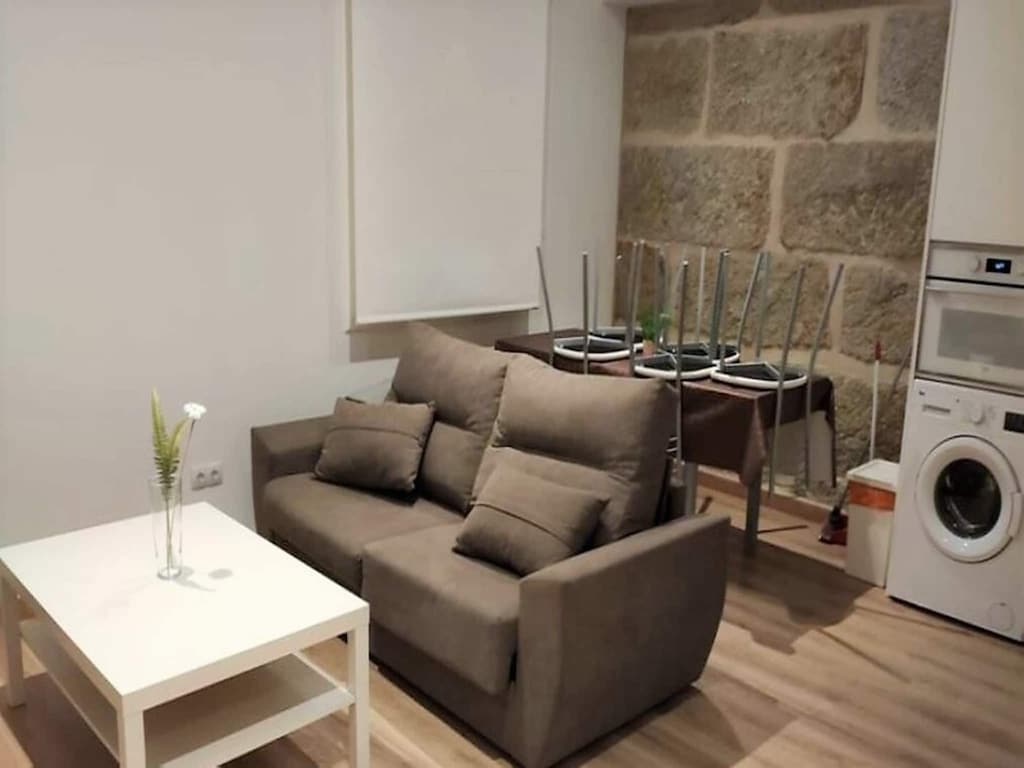
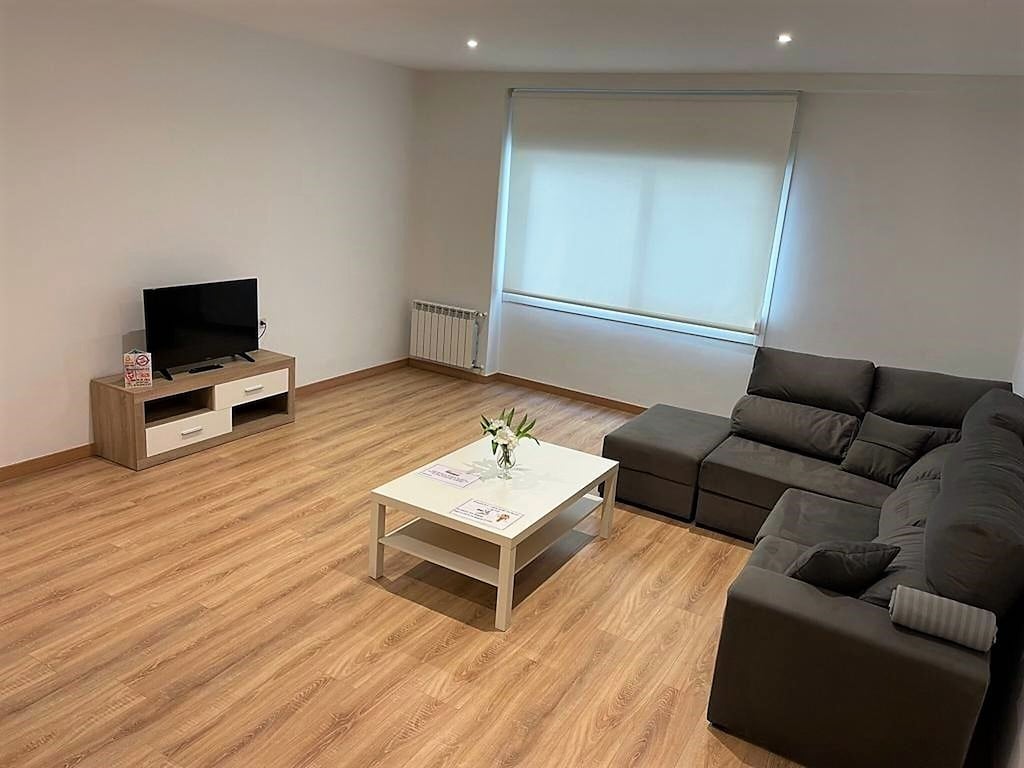
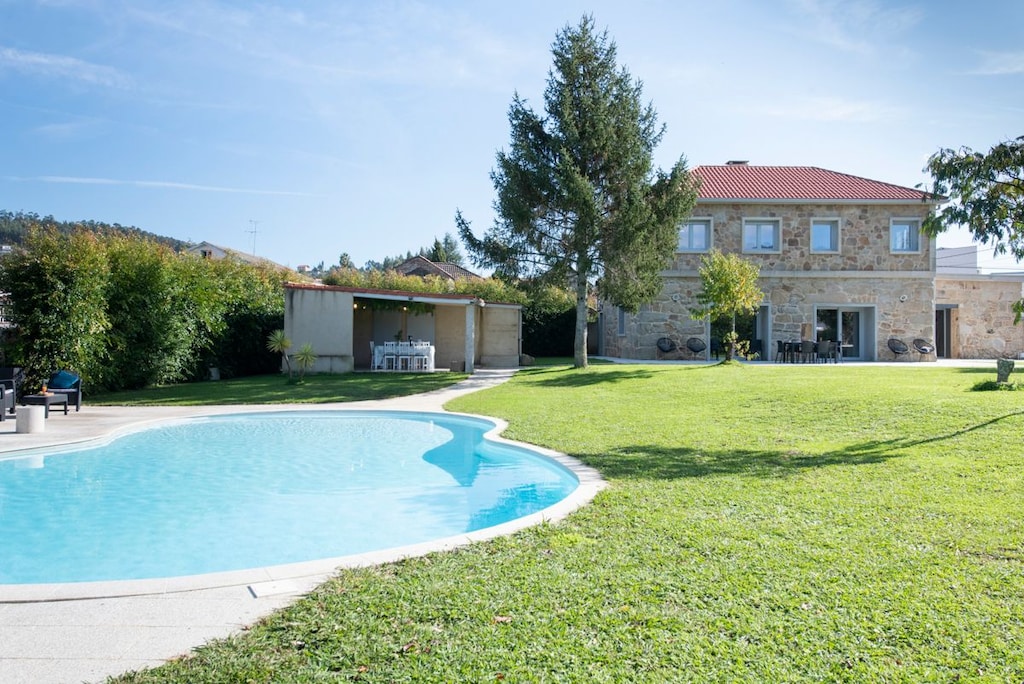
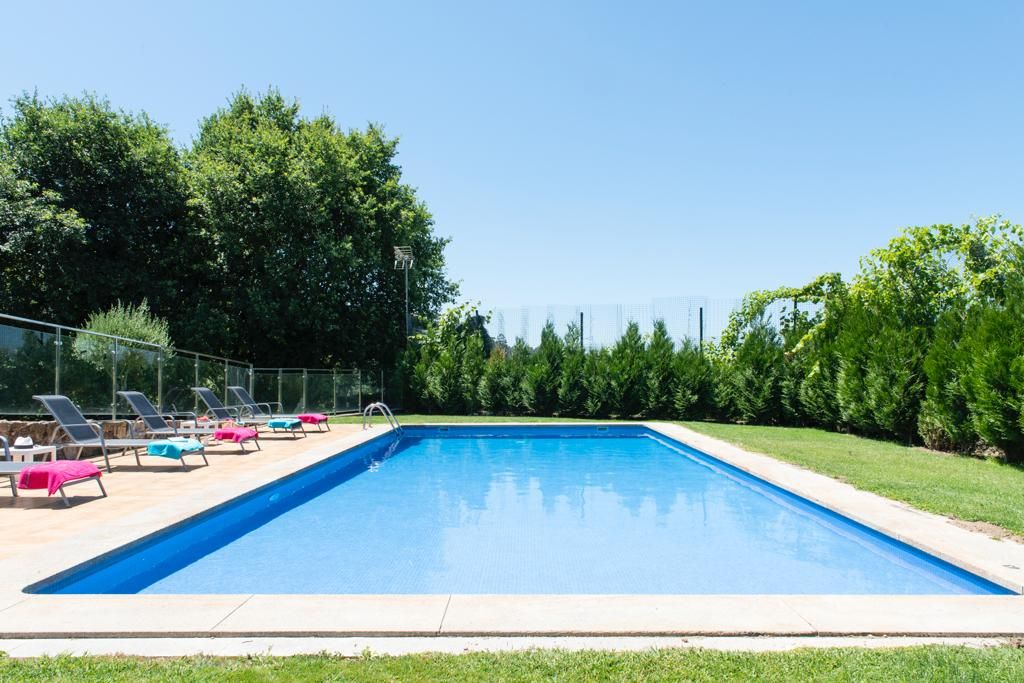
Explore 80 vacation rentals, homes, and villas in Galicia for your next getaway or business trip. Experience the privacy of a home with premium amenities such as Homes with Pools, Homes with Free Parking and Family-Friendly Homes, designed for a more comfortable and convenient stay. Every home is curated and professionally managed, with 24/7 local support, high-speed Wi-Fi, and premium linens included. With homes starting as low as $74 per night and featuring up to 10 bedrooms and 12 bathrooms, there's an option for every trip, from family vacations and group getaways to extended stays. However you're looking to experience your stay, Homes & Villas by Marriott has your next vacation home waiting. Marriott Bonvoy members can also earn and redeem points on every booking.
80 Vacation Rentals in Galicia








Vacation Rentals in Galicia by Amenities & Features
Get to Know Galicia
Galicia OverviewGalicia, located in the northwest corner of Spain, is a region steeped in rich history, culture, and natural beauty. It's a land of rugged coastlines, lush green landscapes, and a distinct Celtic heritage that sets it apart from the rest of Spain.
One of the region's most iconic attractions is the Santiago de Compostela Cathedral, the final destination of the famous Camino de Santiago pilgrimage route. This stunning piece of architecture is not only a religious symbol but also a masterpiece of Romanesque, Gothic, and Baroque design. The city of Santiago itself is a UNESCO World Heritage Site, with its well-preserved old town offering a journey back in time through its narrow, winding streets.
Galicia's coastline, known as the Rías Baixas, is dotted with beautiful beaches, secluded coves, and picturesque fishing villages. The Islas Cíes, part of the Atlantic Islands of Galicia National Park, are a highlight for many visitors. These islands boast some of the best beaches in the world, with crystal-clear waters and fine white sand.
The region's gastronomy is another draw, with seafood being the star of Galician cuisine. Visitors can indulge in fresh octopus, scallops, and the famous Galician mussels, often accompanied by a glass of Albariño wine, which is produced in the vineyards along the Rías Baixas.
Galicia is also known for its thermal springs, particularly in the province of Ourense. The hot springs of Outariz and the Chavasqueira are perfect for relaxation and offer a unique spa experience in a natural setting.
For those interested in history and archaeology, the ancient Celtic castros (hill forts) and the Roman walls of Lugo – another UNESCO World Heritage Site – provide a glimpse into the region's past. The Tower of Hercules in A Coruña, the oldest Roman lighthouse still in use, is yet another testament to the historical significance of Galicia.
The region's festivals, such as the Fiesta del Marisco (Seafood Festival) and the Rapa das Bestas (the taming of the wild horses), showcase Galician traditions and are a spectacle not to be missed.
In essence, Galicia offers a diverse array of experiences, from the spiritual journey of the Camino de Santiago to the natural wonders of its islands and the culinary delights of its seafood. Its unique blend of culture, history, and natural beauty makes it a compelling destination for travelers seeking an authentic Spanish experience.
Galicia, located in the northwest corner of Spain, is a region steeped in rich history, culture, and natural beauty. It's a land of rugged coastlines, lush green landscapes, and a distinct Celtic heritage that sets it apart from the rest of Spain. One of the region's most iconic attractions is the Santiago de Compostela Cathedral, the final destination of the famous Camino de Santiago pilgrimage route. This stunning piece of architecture is not only a religious symbol but also a masterpiece of Romanesque, Gothic, and Baroque design. The city of Santiago itself is a UNESCO World Heritage Site, with its well-preserved old town offering a journey back in time through its narrow, winding streets. Galicia's coastline, known as the Rías Baixas, is dotted with beautiful beaches, secluded coves, and picturesque fishing villages. The Islas Cíes, part of the Atlantic Islands of Galicia National Park, are a highlight for many visitors. These islands boast some of the best beaches in the world, with crystal-clear waters and fine white sand. The region's gastronomy is another draw, with seafood being the star of Galician cuisine. Visitors can indulge in fresh octopus, scallops, and the famous Galician mussels, often accompanied by a glass of Albariño wine, which is produced in the vineyards along the Rías Baixas. Galicia is also known for its thermal springs, particularly in the province of Ourense. The hot springs of Outariz and the Chavasqueira are perfect for relaxation and offer a unique spa experience in a natural setting. For those interested in history and archaeology, the ancient Celtic castros (hill forts) and the Roman walls of Lugo – another UNESCO World Heritage Site – provide a glimpse into the region's past. The Tower of Hercules in A Coruña, the oldest Roman lighthouse still in use, is yet another testament to the historical significance of Galicia. The region's festivals, such as the Fiesta del Marisco (Seafood Festival) and the Rapa das Bestas (the taming of the wild horses), showcase Galician traditions and are a spectacle not to be missed. In essence, Galicia offers a diverse array of experiences, from the spiritual journey of the Camino de Santiago to the natural wonders of its islands and the culinary delights of its seafood. Its unique blend of culture, history, and natural beauty makes it a compelling destination for travelers seeking an authentic Spanish experience.
Weather in GaliciaGalicia, located in the northwest corner of Spain, is known for its lush landscapes and a climate that is more varied and generally wetter than the rest of the country. The region's proximity to the Atlantic Ocean greatly influences its weather patterns, resulting in a temperate maritime climate.
Winter in Galicia, from December to February, is relatively mild compared to other parts of Spain, with average temperatures ranging from 5°C to 14°C. However, this season also brings the most rainfall, which can be heavy at times, particularly along the coast and in the inland mountains. Despite the rain, the winter months can be a good time to enjoy the region's hearty cuisine and indoor cultural attractions.
Spring, from March to May, sees a gradual increase in temperature, with averages ranging from 9°C to 17°C. This season is characterized by a mix of rain and sunshine, with the landscape coming to life as flowers bloom and the countryside turns a vibrant green. The weather can be unpredictable, so it's wise to pack layers and waterproof clothing.
Summer, from June to August, is the driest and warmest time of the year in Galicia, with temperatures averaging between 15°C and 25°C. The coastal areas benefit from a cooling sea breeze, making it an ideal time for beachgoers and those looking to explore the region's stunning coastline and the famous Cíes Islands. Inland areas can be slightly warmer, perfect for hiking and enjoying outdoor festivals.
Autumn, from September to November, brings cooler temperatures, ranging from 11°C to 20°C, and an increase in precipitation. The landscape is painted with beautiful autumnal colors, and the harvest season brings a bounty of local produce, including the renowned Galician wines. This is a great time to visit for those who prefer fewer tourists and a more authentic experience of local life.
The most popular weather conditions in Galicia are prevalent in the summer months, when the climate is warm and relatively dry, making it perfect for a wide range of outdoor activities. However, for those looking to avoid the peak tourist season and still enjoy pleasant weather, late spring and early autumn are excellent choices. The region's natural beauty and cultural richness can be appreciated year-round, with each season offering its own unique charm.
Galicia, located in the northwest corner of Spain, is known for its lush landscapes and a climate that is more varied and generally wetter than the rest of the country. The region's proximity to the Atlantic Ocean greatly influences its weather patterns, resulting in a temperate maritime climate. Winter in Galicia, from December to February, is relatively mild compared to other parts of Spain, with average temperatures ranging from 5°C to 14°C. However, this season also brings the most rainfall, which can be heavy at times, particularly along the coast and in the inland mountains. Despite the rain, the winter months can be a good time to enjoy the region's hearty cuisine and indoor cultural attractions. Spring, from March to May, sees a gradual increase in temperature, with averages ranging from 9°C to 17°C. This season is characterized by a mix of rain and sunshine, with the landscape coming to life as flowers bloom and the countryside turns a vibrant green. The weather can be unpredictable, so it's wise to pack layers and waterproof clothing. Summer, from June to August, is the driest and warmest time of the year in Galicia, with temperatures averaging between 15°C and 25°C. The coastal areas benefit from a cooling sea breeze, making it an ideal time for beachgoers and those looking to explore the region's stunning coastline and the famous Cíes Islands. Inland areas can be slightly warmer, perfect for hiking and enjoying outdoor festivals. Autumn, from September to November, brings cooler temperatures, ranging from 11°C to 20°C, and an increase in precipitation. The landscape is painted with beautiful autumnal colors, and the harvest season brings a bounty of local produce, including the renowned Galician wines. This is a great time to visit for those who prefer fewer tourists and a more authentic experience of local life. The most popular weather conditions in Galicia are prevalent in the summer months, when the climate is warm and relatively dry, making it perfect for a wide range of outdoor activities. However, for those looking to avoid the peak tourist season and still enjoy pleasant weather, late spring and early autumn are excellent choices. The region's natural beauty and cultural richness can be appreciated year-round, with each season offering its own unique charm.
Cultural Attractions in GaliciaGalicia, located in the northwest corner of Spain, is a region rich in culture, history, and tradition, making it an enchanting destination for travelers who revel in the arts and local customs. With its rugged coastline, verdant landscapes, and ancient architecture, Galicia offers a unique blend of natural beauty and cultural depth.
Begin your cultural exploration in Santiago de Compostela, the capital of Galicia and the final destination of the legendary Camino de Santiago pilgrimage route. The city's Old Town is a UNESCO World Heritage site, where the magnificent Cathedral of Santiago stands as a masterpiece of Romanesque art. The cathedral's museum holds a treasure trove of religious artifacts and art, while the nearby Pilgrimage Museum delves into the history and cultural impact of the Camino.
Art enthusiasts will find Galicia's contemporary art scene thriving, particularly in the Centro Galego de Arte Contemporánea (CGAC) in Santiago de Compostela, which showcases works by Galician and international artists. In A Coruña, the Museo de Belas Artes houses a collection of European art spanning from the 16th to the 20th century, including works by Goya and Rubens.
Galicia's history is etched into its ancient stone structures, from the Roman walls of Lugo to the Celtic hill forts, or castros, scattered throughout the region. The Tower of Hercules in A Coruña, an ancient Roman lighthouse still in use today, offers panoramic views and a glimpse into the maritime history that has shaped Galicia.
Live music is an integral part of Galician culture, with traditional folk music featuring instruments like the gaita (Galician bagpipe). The Festival Internacional do Mundo Celta de Ortigueira celebrates this heritage with performances by Celtic musicians from around the world. For a more classical experience, the Real Filharmonía de Galicia performs regularly in Santiago de Compostela.
Galician customs can be experienced through its festivals, such as the Festa do Marisco (Seafood Festival) in O Grove, where you can indulge in the region's renowned cuisine. The Rapa das Bestas, a wild horse-taming festival, showcases the deep connection between the Galician people and their land.
Stroll through the historic streets of Galician towns and cities, where you can discover artisan workshops, local markets, and quaint tapas bars. The region's gastronomy is a highlight, with dishes like pulpo a la gallega (octopus) and empanada (savory pie), accompanied by a glass of Albariño wine from the Rías Baixas.
In Galicia, the blend of lush landscapes, historic sites, vibrant music, and rich traditions creates a cultural experience that is both profound and unforgettable. It's a place where the past and present converge, inviting travelers to immerse themselves in the authentic spirit of Galicia.
Galicia, located in the northwest corner of Spain, is a region rich in culture, history, and tradition, making it an enchanting destination for travelers who revel in the arts and local customs. With its rugged coastline, verdant landscapes, and ancient architecture, Galicia offers a unique blend of natural beauty and cultural depth. Begin your cultural exploration in Santiago de Compostela, the capital of Galicia and the final destination of the legendary Camino de Santiago pilgrimage route. The city's Old Town is a UNESCO World Heritage site, where the magnificent Cathedral of Santiago stands as a masterpiece of Romanesque art. The cathedral's museum holds a treasure trove of religious artifacts and art, while the nearby Pilgrimage Museum delves into the history and cultural impact of the Camino. Art enthusiasts will find Galicia's contemporary art scene thriving, particularly in the Centro Galego de Arte Contemporánea (CGAC) in Santiago de Compostela, which showcases works by Galician and international artists. In A Coruña, the Museo de Belas Artes houses a collection of European art spanning from the 16th to the 20th century, including works by Goya and Rubens. Galicia's history is etched into its ancient stone structures, from the Roman walls of Lugo to the Celtic hill forts, or castros, scattered throughout the region. The Tower of Hercules in A Coruña, an ancient Roman lighthouse still in use today, offers panoramic views and a glimpse into the maritime history that has shaped Galicia. Live music is an integral part of Galician culture, with traditional folk music featuring instruments like the gaita (Galician bagpipe). The Festival Internacional do Mundo Celta de Ortigueira celebrates this heritage with performances by Celtic musicians from around the world. For a more classical experience, the Real Filharmonía de Galicia performs regularly in Santiago de Compostela. Galician customs can be experienced through its festivals, such as the Festa do Marisco (Seafood Festival) in O Grove, where you can indulge in the region's renowned cuisine. The Rapa das Bestas, a wild horse-taming festival, showcases the deep connection between the Galician people and their land. Stroll through the historic streets of Galician towns and cities, where you can discover artisan workshops, local markets, and quaint tapas bars. The region's gastronomy is a highlight, with dishes like pulpo a la gallega (octopus) and empanada (savory pie), accompanied by a glass of Albariño wine from the Rías Baixas. In Galicia, the blend of lush landscapes, historic sites, vibrant music, and rich traditions creates a cultural experience that is both profound and unforgettable. It's a place where the past and present converge, inviting travelers to immerse themselves in the authentic spirit of Galicia.
Family friendly activities in GaliciaGalicia, Spain, is a treasure trove of natural beauty and cultural richness that offers a variety of experiences for families traveling with children. From its rugged coastline to its lush green landscapes, Galicia provides a playground for adventure and discovery that will captivate the imaginations of young travelers.
Begin your family journey at the Tower of Hercules in A Coruña, the oldest Roman lighthouse still in use today. Kids will be fascinated by the mythological stories associated with it and can burn off energy climbing to the top for panoramic views of the sea.
For a magical experience, visit the Cíes Islands, part of the Atlantic Islands of Galicia National Park. These islands are a paradise for nature lovers, with crystal-clear waters and fine white sand beaches. Families can enjoy hiking trails, bird watching, and snorkeling in the pristine waters, where children can spot a variety of marine life.
The Aquarium Finisterrae, also in A Coruña, is an interactive marine center where kids can learn about ocean ecosystems. Touch tanks and the opportunity to feed fish make this a hands-on experience that combines education with fun.
Galicia is also known for its rich folklore and traditional festivals. The Festa da Dorna in Ribeira is a lively event with music, games, and boat races that are sure to entertain the whole family. Children can immerse themselves in Galician culture and participate in the joyous celebrations.
For a taste of adventure, take the family to Monte Aloia Natural Park in Tui. With its well-marked trails, picnic areas, and stunning views, it's an ideal spot for a family hike. Children can explore the flora and fauna and learn about the region's biodiversity.
In Santiago de Compostela, the capital of Galicia, the City of Culture of Galicia offers interactive exhibits and workshops designed to engage young minds. The complex itself, with its futuristic architecture, is sure to impress both kids and adults alike.
Lastly, don't miss the opportunity to indulge in Galicia's culinary delights. The region's empanadas, cheese, and seafood are not only delicious but also a fun way for kids to explore new flavors. Many restaurants are family-friendly, offering menus that cater to younger palates.
Galicia's combination of natural wonders, cultural attractions, and child-friendly activities make it an excellent choice for families seeking a memorable vacation. Whether exploring ancient sites, enjoying the great outdoors, or celebrating local traditions, there's something in Galicia for every child to enjoy.
Galicia, Spain, is a treasure trove of natural beauty and cultural richness that offers a variety of experiences for families traveling with children. From its rugged coastline to its lush green landscapes, Galicia provides a playground for adventure and discovery that will captivate the imaginations of young travelers. Begin your family journey at the Tower of Hercules in A Coruña, the oldest Roman lighthouse still in use today. Kids will be fascinated by the mythological stories associated with it and can burn off energy climbing to the top for panoramic views of the sea. For a magical experience, visit the Cíes Islands, part of the Atlantic Islands of Galicia National Park. These islands are a paradise for nature lovers, with crystal-clear waters and fine white sand beaches. Families can enjoy hiking trails, bird watching, and snorkeling in the pristine waters, where children can spot a variety of marine life. The Aquarium Finisterrae, also in A Coruña, is an interactive marine center where kids can learn about ocean ecosystems. Touch tanks and the opportunity to feed fish make this a hands-on experience that combines education with fun. Galicia is also known for its rich folklore and traditional festivals. The Festa da Dorna in Ribeira is a lively event with music, games, and boat races that are sure to entertain the whole family. Children can immerse themselves in Galician culture and participate in the joyous celebrations. For a taste of adventure, take the family to Monte Aloia Natural Park in Tui. With its well-marked trails, picnic areas, and stunning views, it's an ideal spot for a family hike. Children can explore the flora and fauna and learn about the region's biodiversity. In Santiago de Compostela, the capital of Galicia, the City of Culture of Galicia offers interactive exhibits and workshops designed to engage young minds. The complex itself, with its futuristic architecture, is sure to impress both kids and adults alike. Lastly, don't miss the opportunity to indulge in Galicia's culinary delights. The region's empanadas, cheese, and seafood are not only delicious but also a fun way for kids to explore new flavors. Many restaurants are family-friendly, offering menus that cater to younger palates. Galicia's combination of natural wonders, cultural attractions, and child-friendly activities make it an excellent choice for families seeking a memorable vacation. Whether exploring ancient sites, enjoying the great outdoors, or celebrating local traditions, there's something in Galicia for every child to enjoy.
Outdoor activities in GaliciaGalicia, a region in the northwest corner of Spain, is a treasure trove of natural wonders and outdoor activities that cater to the nature enthusiast's soul. With its rugged coastline, lush forests, and mystical landscapes, Galicia offers a unique blend of beauty and adventure.
The region's most iconic natural wonder is the Rías Baixas, a series of four estuarine inlets lined with beautiful beaches, vineyards, and quaint fishing villages. The area is perfect for coastal walks, sailing, and enjoying the renowned local seafood. The Illas Atlánticas de Galicia National Park, which includes the Cíes Islands, is a haven for birdwatchers and home to some of the best beaches in the world, such as Praia das Rodas.
Inland, the mystical forests of Galicia beckon. The Fragas do Eume is one of the best-preserved Atlantic coastal forests in Europe, where visitors can hike through lush vegetation and discover hidden monasteries like the Monasterio de Caaveiro. The ancient trees and the sound of the Eume River create a serene atmosphere that feels straight out of a fairy tale.
For those seeking a spiritual journey, the Camino de Santiago, or the Way of St. James, is a network of pilgrimages leading to the shrine of the apostle Saint James the Great in the cathedral of Santiago de Compostela. The journey through Galicia's rolling hills and small villages is as much about self-discovery as it is about the stunning landscapes.
Galicia's natural hot springs, such as those found in Ourense, offer a relaxing respite after a day of exploration. The thermal springs at Outariz and Chavasqueira are perfect for soaking in the mineral-rich waters surrounded by nature.
Adventure seekers will find plenty to satisfy their adrenaline cravings. The Sil River Canyon, with its dramatic cliffs and vineyards, is ideal for hiking, kayaking, and even trying a bit of the local Ribeira Sacra wine. The region's numerous rivers and the rugged terrain also make it a prime spot for activities like canyoning and white-water rafting.
For a more tranquil experience, the Lago de Sanabria, a stunning glacial lake in the neighboring province of Zamora, offers opportunities for kayaking, swimming, and enjoying the serene mountain views.
Galicia's diverse landscapes, from the wild Costa da Morte to the serene Ribeira Sacra, offer endless opportunities for outdoor enthusiasts to connect with nature. Whether it's through a peaceful hike, a spiritual pilgrimage, or an exhilarating adventure, Galicia's natural beauty is sure to leave a lasting impression.
Galicia, a region in the northwest corner of Spain, is a treasure trove of natural wonders and outdoor activities that cater to the nature enthusiast's soul. With its rugged coastline, lush forests, and mystical landscapes, Galicia offers a unique blend of beauty and adventure. The region's most iconic natural wonder is the Rías Baixas, a series of four estuarine inlets lined with beautiful beaches, vineyards, and quaint fishing villages. The area is perfect for coastal walks, sailing, and enjoying the renowned local seafood. The Illas Atlánticas de Galicia National Park, which includes the Cíes Islands, is a haven for birdwatchers and home to some of the best beaches in the world, such as Praia das Rodas. Inland, the mystical forests of Galicia beckon. The Fragas do Eume is one of the best-preserved Atlantic coastal forests in Europe, where visitors can hike through lush vegetation and discover hidden monasteries like the Monasterio de Caaveiro. The ancient trees and the sound of the Eume River create a serene atmosphere that feels straight out of a fairy tale. For those seeking a spiritual journey, the Camino de Santiago, or the Way of St. James, is a network of pilgrimages leading to the shrine of the apostle Saint James the Great in the cathedral of Santiago de Compostela. The journey through Galicia's rolling hills and small villages is as much about self-discovery as it is about the stunning landscapes. Galicia's natural hot springs, such as those found in Ourense, offer a relaxing respite after a day of exploration. The thermal springs at Outariz and Chavasqueira are perfect for soaking in the mineral-rich waters surrounded by nature. Adventure seekers will find plenty to satisfy their adrenaline cravings. The Sil River Canyon, with its dramatic cliffs and vineyards, is ideal for hiking, kayaking, and even trying a bit of the local Ribeira Sacra wine. The region's numerous rivers and the rugged terrain also make it a prime spot for activities like canyoning and white-water rafting. For a more tranquil experience, the Lago de Sanabria, a stunning glacial lake in the neighboring province of Zamora, offers opportunities for kayaking, swimming, and enjoying the serene mountain views. Galicia's diverse landscapes, from the wild Costa da Morte to the serene Ribeira Sacra, offer endless opportunities for outdoor enthusiasts to connect with nature. Whether it's through a peaceful hike, a spiritual pilgrimage, or an exhilarating adventure, Galicia's natural beauty is sure to leave a lasting impression.
Transportation in GaliciaGalicia, a region in the northwest corner of Spain, is known for its lush landscapes, rugged coastlines, and rich cultural heritage. Travelers to this enchanting part of Spain have several transportation options to consider for their journey.
Most international visitors arrive in Galicia through either Santiago de Compostela Airport or A Coruña Airport. Santiago de Compostela Airport is the more prominent of the two and offers flights from major cities in Spain and several European destinations. From the airport, travelers can take a bus or taxi to reach the city center or other parts of the region.
For those who prefer ground transportation, Galicia is well-connected by train. Renfe, the Spanish national railway company, operates services to major Galician cities such as Santiago de Compostela, A Coruña, and Vigo from various parts of Spain. Long-distance buses also connect Galicia with other Spanish cities and are a cost-effective option for getting to the region.
Once in Galicia, the transportation options vary depending on the area. In larger cities like Santiago de Compostela and A Coruña, local bus services are available, and taxis are easy to find. These cities also offer car rental services for those who wish to explore more remote areas at their own pace.
For intercity travel, the train remains a convenient option, with Renfe providing regional services that connect the main cities and towns. Additionally, bus companies such as Arriva and Monbus operate routes that cover the region extensively, including smaller villages that might not be served by train.
Galicia's rugged terrain and dispersed attractions mean that while the cities themselves can be quite walkable, especially the historic centers, getting around the region as a whole typically requires some form of transportation. Walking the streets of Santiago de Compostela, for example, is a delight, with its medieval architecture and the famous Santiago Cathedral. However, to fully experience the natural beauty of the Rías Baixas, the dramatic cliffs of Costa da Morte, or the vineyards of Ribeira Sacra, you will need to travel by car or take organized tours.
In summary, Galicia offers a mix of transportation options suitable for a variety of travel styles. While the cities invite exploration on foot, the wider region is best navigated with the help of buses, trains, or a rental car to ensure you don't miss any of its hidden treasures.
Galicia, a region in the northwest corner of Spain, is known for its lush landscapes, rugged coastlines, and rich cultural heritage. Travelers to this enchanting part of Spain have several transportation options to consider for their journey. Most international visitors arrive in Galicia through either Santiago de Compostela Airport or A Coruña Airport. Santiago de Compostela Airport is the more prominent of the two and offers flights from major cities in Spain and several European destinations. From the airport, travelers can take a bus or taxi to reach the city center or other parts of the region. For those who prefer ground transportation, Galicia is well-connected by train. Renfe, the Spanish national railway company, operates services to major Galician cities such as Santiago de Compostela, A Coruña, and Vigo from various parts of Spain. Long-distance buses also connect Galicia with other Spanish cities and are a cost-effective option for getting to the region. Once in Galicia, the transportation options vary depending on the area. In larger cities like Santiago de Compostela and A Coruña, local bus services are available, and taxis are easy to find. These cities also offer car rental services for those who wish to explore more remote areas at their own pace. For intercity travel, the train remains a convenient option, with Renfe providing regional services that connect the main cities and towns. Additionally, bus companies such as Arriva and Monbus operate routes that cover the region extensively, including smaller villages that might not be served by train. Galicia's rugged terrain and dispersed attractions mean that while the cities themselves can be quite walkable, especially the historic centers, getting around the region as a whole typically requires some form of transportation. Walking the streets of Santiago de Compostela, for example, is a delight, with its medieval architecture and the famous Santiago Cathedral. However, to fully experience the natural beauty of the Rías Baixas, the dramatic cliffs of Costa da Morte, or the vineyards of Ribeira Sacra, you will need to travel by car or take organized tours. In summary, Galicia offers a mix of transportation options suitable for a variety of travel styles. While the cities invite exploration on foot, the wider region is best navigated with the help of buses, trains, or a rental car to ensure you don't miss any of its hidden treasures.
Galicia FAQs
What is there to do in Galicia?Galicia offers a wealth of activities for travelers. You can explore the historic Santiago de Compostela, the final destination of the famous Camino de Santiago pilgrimage route. Visit the stunning Cies Islands, with beautiful beaches and hiking trails. Enjoy the region's unique cuisine, including seafood and Albariño wine. Discover the Roman walls of Lugo, a UNESCO World Heritage site. Experience the thermal baths in Ourense, and don't miss the dramatic coastline of the Rías Baixas, dotted with picturesque fishing villages.
Galicia offers a wealth of activities for travelers. You can explore the historic Santiago de Compostela, the final destination of the famous Camino de Santiago pilgrimage route. Visit the stunning Cies Islands, with beautiful beaches and hiking trails. Enjoy the region's unique cuisine, including seafood and Albariño wine. Discover the Roman walls of Lugo, a UNESCO World Heritage site. Experience the thermal baths in Ourense, and don't miss the dramatic coastline of the Rías Baixas, dotted with picturesque fishing villages.
What is the best time of year to visit Galicia?The best time to visit Galicia is during the late spring (May to June) or early fall (September to October) when the weather is pleasant, and the tourist crowds are smaller. The summer months (July and August) are also popular but can be busier. Galicia's climate is milder and more rainy than other parts of Spain, so be prepared for occasional showers even in the peak season.
The best time to visit Galicia is during the late spring (May to June) or early fall (September to October) when the weather is pleasant, and the tourist crowds are smaller. The summer months (July and August) are also popular but can be busier. Galicia's climate is milder and more rainy than other parts of Spain, so be prepared for occasional showers even in the peak season.
What are some traditional Galician dishes I should try?Galician cuisine is renowned for its seafood. Be sure to try 'pulpo a la gallega' (octopus seasoned with paprika), 'empanada gallega' (a savory pastry filled with meat or seafood), and 'pimientos de Padrón' (small green peppers, some of which are spicy). For dessert, 'tarta de Santiago' (almond cake) is a must-try. To accompany your meal, sample some of the local Albariño or Ribeiro wines.
Galician cuisine is renowned for its seafood. Be sure to try 'pulpo a la gallega' (octopus seasoned with paprika), 'empanada gallega' (a savory pastry filled with meat or seafood), and 'pimientos de Padrón' (small green peppers, some of which are spicy). For dessert, 'tarta de Santiago' (almond cake) is a must-try. To accompany your meal, sample some of the local Albariño or Ribeiro wines.
Are there any unique cultural festivals in Galicia?Yes, Galicia is home to numerous cultural festivals. The most famous is the 'Fiesta de San Juan' in late June, especially vibrant in the city of A Coruña, where bonfires and fireworks celebrate the summer solstice. The 'Fiesta del Albariño' in Cambados celebrates the region's famous wine in early August. Additionally, the 'Romería Vikinga' in Catoira reenacts Viking invasions every first Sunday of August with a lively historical reenactment.
Yes, Galicia is home to numerous cultural festivals. The most famous is the 'Fiesta de San Juan' in late June, especially vibrant in the city of A Coruña, where bonfires and fireworks celebrate the summer solstice. The 'Fiesta del Albariño' in Cambados celebrates the region's famous wine in early August. Additionally, the 'Romería Vikinga' in Catoira reenacts Viking invasions every first Sunday of August with a lively historical reenactment.
How do I get around in Galicia?Galicia has a good network of buses and trains connecting major cities and towns. Renting a car is also a popular option for more flexibility and to explore rural areas and the coastline. Major cities like Santiago de Compostela, Vigo, and A Coruña also have urban bus systems. For the Cies Islands and other coastal destinations, there are regular ferry services.
Galicia has a good network of buses and trains connecting major cities and towns. Renting a car is also a popular option for more flexibility and to explore rural areas and the coastline. Major cities like Santiago de Compostela, Vigo, and A Coruña also have urban bus systems. For the Cies Islands and other coastal destinations, there are regular ferry services.
What should I know about the Camino de Santiago?The Camino de Santiago, also known as the Way of St. James, is a network of pilgrimages leading to the shrine of the apostle Saint James the Great in the cathedral of Santiago de Compostela. Many routes exist, but the most popular is the French Way ('Camino Francés'). Pilgrims (or 'peregrinos') often carry a 'credencial', a passport that gets stamped along the way, and stay in hostels known as 'albergues'. It's a spiritual journey that can be undertaken for religious or personal reasons, and it's advisable to plan and prepare well for the trek.
The Camino de Santiago, also known as the Way of St. James, is a network of pilgrimages leading to the shrine of the apostle Saint James the Great in the cathedral of Santiago de Compostela. Many routes exist, but the most popular is the French Way ('Camino Francés'). Pilgrims (or 'peregrinos') often carry a 'credencial', a passport that gets stamped along the way, and stay in hostels known as 'albergues'. It's a spiritual journey that can be undertaken for religious or personal reasons, and it's advisable to plan and prepare well for the trek.
More space, more privacy, more points with every home rental.
What makes Homes & Villas by Marriott Bonvoy a unique home rental experience? Unlike other home rental sites like AirBNB, when you book a vacation rental with Homes & Villas by Marriott Bonvoy you always have the whole place to yourself. Plus, as a member of Marriott Bonvoy, you can earn points towards free nights with every stay.