Kea, Greece Vacation Rentals
Explore 27 vacation rentals, homes, and villas in Kea for your next getaway or business trip. Experience the privacy of a home with premium amenities such as Air Condition Homes, Homes with Pools and Family-Friendly Homes, designed for a more comfortable and convenient stay. Every home is curated and professionally managed, with 24/7 local support, high-speed Wi-Fi, and premium linens included. With homes starting as low as $193 per night and featuring up to 14 bedrooms and 13 bathrooms, there's an option for every trip, from family vacations and group getaways to extended stays. However you're looking to experience your stay, Homes & Villas by Marriott has your next vacation home waiting. Marriott Bonvoy members can also earn and redeem points on every booking.
27 Vacation Rentals in Kea


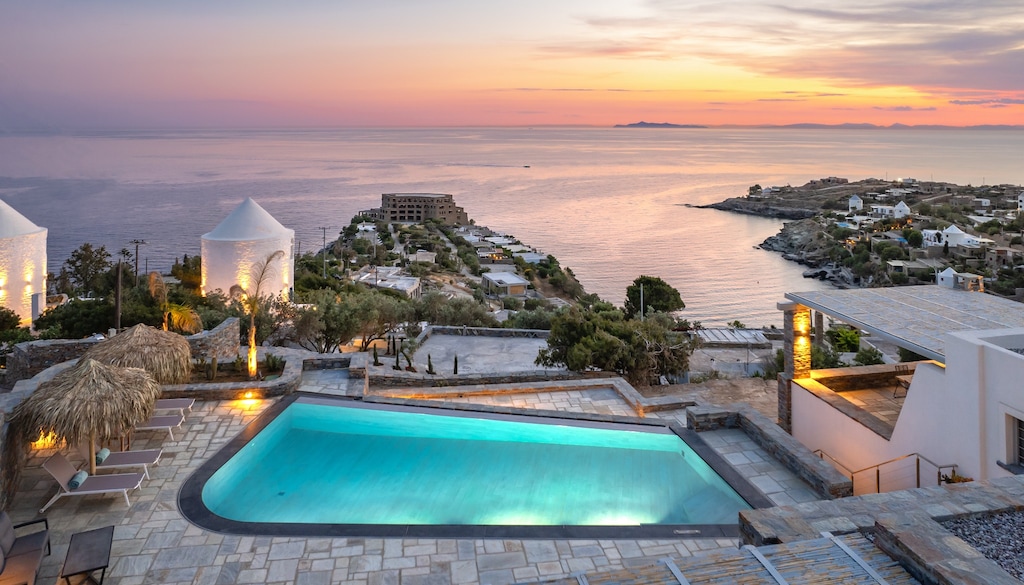


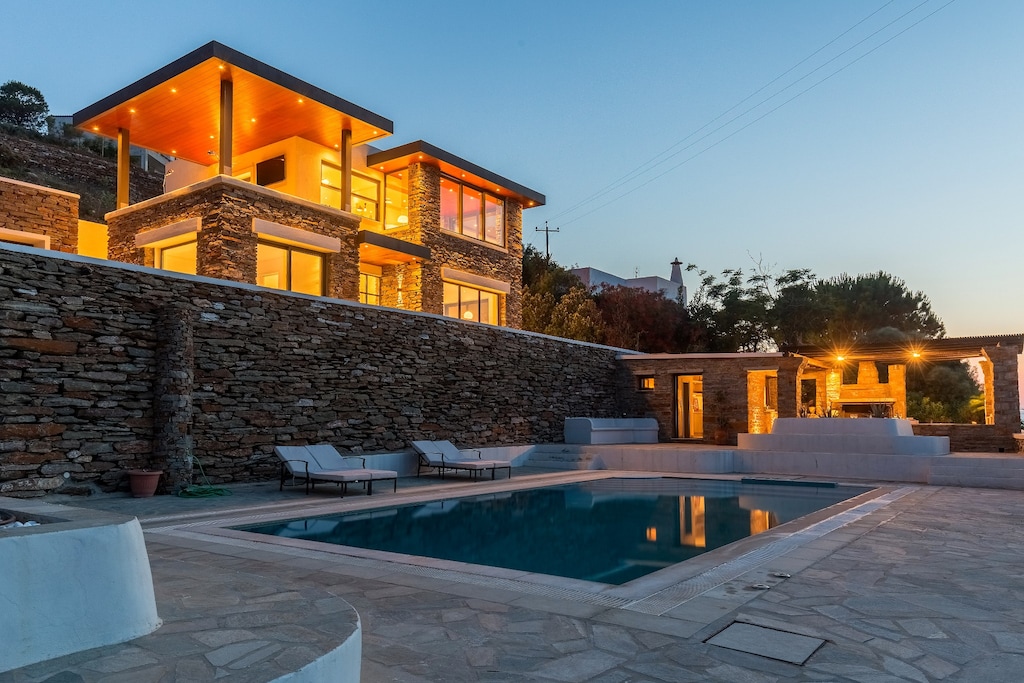


Vacation Rentals in Kea by Amenities & Features
Get to Know Kea
Kea OverviewKea, also known as Tzia, is a serene and picturesque island in the Cyclades archipelago of Greece. It's a hidden gem that offers a tranquil escape from the hustle and bustle of more tourist-heavy Greek islands. With its proximity to Athens, it's an ideal destination for both short getaways and extended stays.
The island's landscape is a harmonious blend of rugged hills, verdant valleys, and idyllic beaches. Kea's coastline is dotted with sandy coves and clear blue waters, perfect for swimming, snorkeling, and diving. The island's most famous beach, Otzias, is a family-friendly spot with shallow waters and tamarisk trees providing natural shade.
Kea's charm also lies in its rich history and culture. The ancient city of Karthea, with its impressive temple ruins and theater, offers a glimpse into the island's storied past. The Archaeological Museum of Kea in Ioulida, the island's capital, further showcases artifacts that span millennia, from the Cycladic to the Roman era.
Ioulida itself is a delight to explore, with its narrow, winding streets, traditional stone houses, and the iconic stone Lion of Kea, a mysterious, ancient sculpture carved into the rock. The town's elevated position provides stunning panoramic views of the island and the Aegean Sea.
For hikers and nature enthusiasts, Kea boasts a network of well-marked trails that crisscross the island, leading through olive groves, past ancient ruins, and into the heart of its unspoiled natural beauty. The paths offer varying levels of difficulty, ensuring that everyone from casual walkers to experienced trekkers can find a route to suit their abilities.
Gastronomy on Kea is a highlight, with local tavernas serving up traditional Greek dishes made with fresh, locally-sourced ingredients. The island is particularly known for its honey and almond treats, which are a must-try for any visitor.
Kea also hosts a variety of cultural events throughout the year, including summer festivals that celebrate music, dance, and local customs, providing travelers with an authentic taste of Greek island life.
In essence, Kea is a destination that offers a peaceful retreat with its beautiful natural landscapes, rich cultural heritage, and warm, welcoming atmosphere. It's a place where one can easily slip into the slow rhythm of island life and leave feeling refreshed and rejuvenated.
Kea, also known as Tzia, is a serene and picturesque island in the Cyclades archipelago of Greece. It's a hidden gem that offers a tranquil escape from the hustle and bustle of more tourist-heavy Greek islands. With its proximity to Athens, it's an ideal destination for both short getaways and extended stays. The island's landscape is a harmonious blend of rugged hills, verdant valleys, and idyllic beaches. Kea's coastline is dotted with sandy coves and clear blue waters, perfect for swimming, snorkeling, and diving. The island's most famous beach, Otzias, is a family-friendly spot with shallow waters and tamarisk trees providing natural shade. Kea's charm also lies in its rich history and culture. The ancient city of Karthea, with its impressive temple ruins and theater, offers a glimpse into the island's storied past. The Archaeological Museum of Kea in Ioulida, the island's capital, further showcases artifacts that span millennia, from the Cycladic to the Roman era. Ioulida itself is a delight to explore, with its narrow, winding streets, traditional stone houses, and the iconic stone Lion of Kea, a mysterious, ancient sculpture carved into the rock. The town's elevated position provides stunning panoramic views of the island and the Aegean Sea. For hikers and nature enthusiasts, Kea boasts a network of well-marked trails that crisscross the island, leading through olive groves, past ancient ruins, and into the heart of its unspoiled natural beauty. The paths offer varying levels of difficulty, ensuring that everyone from casual walkers to experienced trekkers can find a route to suit their abilities. Gastronomy on Kea is a highlight, with local tavernas serving up traditional Greek dishes made with fresh, locally-sourced ingredients. The island is particularly known for its honey and almond treats, which are a must-try for any visitor. Kea also hosts a variety of cultural events throughout the year, including summer festivals that celebrate music, dance, and local customs, providing travelers with an authentic taste of Greek island life. In essence, Kea is a destination that offers a peaceful retreat with its beautiful natural landscapes, rich cultural heritage, and warm, welcoming atmosphere. It's a place where one can easily slip into the slow rhythm of island life and leave feeling refreshed and rejuvenated.
Weather in KeaKea, or Tzia as it is also known, is a Greek island that boasts a Mediterranean climate with mild, wet winters and hot, dry summers. This climate makes Kea a delightful destination for travelers seeking both cultural experiences and natural beauty.
During the winter months, from December to February, temperatures are relatively mild, averaging between 10°C to 15°C. Rainfall is more frequent in these months, so visitors should be prepared for wetter conditions, although snow is rare. This season is quieter on the island, offering a more tranquil experience of the local life and landscapes.
Spring, from March to May, sees the island come to life with wildflowers and greenery. Temperatures begin to rise, averaging from 15°C to 20°C, and the rainfall starts to decrease, making it a lovely time for hiking and exploring the ancient ruins and terraced landscapes without the summer crowds.
Summer, from June to August, is the peak season for Kea, with temperatures often climbing above 30°C. The Aegean Sea provides a refreshing breeze, and the low humidity levels make the heat more bearable. This is the perfect time for beach-goers to bask in the sun and enjoy the island's clear waters, though it's wise to protect oneself from the strong sun.
Autumn, from September to November, is another pleasant time to visit. The sea remains warm from the summer heat, while the air temperature cools to a comfortable range between 20°C to 25°C. The island is less crowded, and the water is still inviting for swimming and water sports.
The most popular weather conditions are prevalent in the summer months, when the island vibrates with energy and the weather is ideal for all kinds of outdoor activities. However, for those who prefer milder temperatures and a more relaxed atmosphere, the shoulder seasons of spring and autumn are especially pleasant. During these times, visitors can enjoy the natural and historical sites of Kea without the peak season crowds, and the climate is still conducive to a wide range of activities.
Kea, or Tzia as it is also known, is a Greek island that boasts a Mediterranean climate with mild, wet winters and hot, dry summers. This climate makes Kea a delightful destination for travelers seeking both cultural experiences and natural beauty. During the winter months, from December to February, temperatures are relatively mild, averaging between 10°C to 15°C. Rainfall is more frequent in these months, so visitors should be prepared for wetter conditions, although snow is rare. This season is quieter on the island, offering a more tranquil experience of the local life and landscapes. Spring, from March to May, sees the island come to life with wildflowers and greenery. Temperatures begin to rise, averaging from 15°C to 20°C, and the rainfall starts to decrease, making it a lovely time for hiking and exploring the ancient ruins and terraced landscapes without the summer crowds. Summer, from June to August, is the peak season for Kea, with temperatures often climbing above 30°C. The Aegean Sea provides a refreshing breeze, and the low humidity levels make the heat more bearable. This is the perfect time for beach-goers to bask in the sun and enjoy the island's clear waters, though it's wise to protect oneself from the strong sun. Autumn, from September to November, is another pleasant time to visit. The sea remains warm from the summer heat, while the air temperature cools to a comfortable range between 20°C to 25°C. The island is less crowded, and the water is still inviting for swimming and water sports. The most popular weather conditions are prevalent in the summer months, when the island vibrates with energy and the weather is ideal for all kinds of outdoor activities. However, for those who prefer milder temperatures and a more relaxed atmosphere, the shoulder seasons of spring and autumn are especially pleasant. During these times, visitors can enjoy the natural and historical sites of Kea without the peak season crowds, and the climate is still conducive to a wide range of activities.
Cultural Attractions in KeaKea, also known as Tzia, is one of the Cyclades islands of Greece that offers a serene escape with a rich tapestry of cultural experiences for the discerning traveler. While it may not boast the grand museums of larger cities, Kea's charm lies in its authentic representation of Greek island life, history, and arts.
Begin your cultural journey at the Archaeological Museum of Kea in Ioulida, the island's capital. Although small, the museum is a treasure trove of local history, showcasing artifacts from the prehistoric to the Roman periods, including pottery, sculptures, and remnants of the ancient city-states that once thrived on the island.
For a glimpse into the island's past, visit the ancient city of Karthea, accessible by a scenic hiking trail. Here, you'll find the remnants of temples dedicated to Apollo and Athena, a theater, and other ruins that speak to the island's historical significance in the ancient world.
Kea's local customs are best experienced through its traditional festivals and events. The summer months are particularly vibrant, with the feast of Agios Panteleimonas featuring folk music, dancing, and local gastronomy. The island's musical tradition is also celebrated during these festivals, where live performances of traditional Greek music can be heard echoing through the streets and squares.
Art enthusiasts will enjoy the local art scene, which is characterized by small galleries and workshops. The Kea Artisanal, for example, offers workshops and experiences that delve into the island's culinary arts, allowing visitors to engage with local artists and craftspeople.
The island's architecture is a living gallery in itself, with the Hellenistic Lion of Kea, a large, archaic sculpture, and the stone-built windmills and lighthouses adding to the cultural landscape. Walking through the narrow alleys of Ioulida, you'll encounter charming stone houses adorned with bougainvillea, reflecting the traditional Cycladic style.
Kea's monasteries and churches, such as the Monastery of Panagia Kastriani, provide not only spiritual insight but also stunning views of the Aegean Sea, making them worthwhile stops for both their cultural and natural appeal.
Lastly, Kea's culinary offerings are an integral part of its cultural identity. The island is known for its almond sweets, local honey, and a variety of cheeses. Enjoying a meal at a traditional taverna, where dishes are prepared with locally sourced ingredients, is a delightful way to immerse yourself in the island's customs and flavors.
In Kea, the pace is slow, the atmosphere is relaxed, and the cultural experiences are intimate and genuine, offering a unique opportunity to connect with the arts, history, and local customs of the Cyclades.
Kea, also known as Tzia, is one of the Cyclades islands of Greece that offers a serene escape with a rich tapestry of cultural experiences for the discerning traveler. While it may not boast the grand museums of larger cities, Kea's charm lies in its authentic representation of Greek island life, history, and arts. Begin your cultural journey at the Archaeological Museum of Kea in Ioulida, the island's capital. Although small, the museum is a treasure trove of local history, showcasing artifacts from the prehistoric to the Roman periods, including pottery, sculptures, and remnants of the ancient city-states that once thrived on the island. For a glimpse into the island's past, visit the ancient city of Karthea, accessible by a scenic hiking trail. Here, you'll find the remnants of temples dedicated to Apollo and Athena, a theater, and other ruins that speak to the island's historical significance in the ancient world. Kea's local customs are best experienced through its traditional festivals and events. The summer months are particularly vibrant, with the feast of Agios Panteleimonas featuring folk music, dancing, and local gastronomy. The island's musical tradition is also celebrated during these festivals, where live performances of traditional Greek music can be heard echoing through the streets and squares. Art enthusiasts will enjoy the local art scene, which is characterized by small galleries and workshops. The Kea Artisanal, for example, offers workshops and experiences that delve into the island's culinary arts, allowing visitors to engage with local artists and craftspeople. The island's architecture is a living gallery in itself, with the Hellenistic Lion of Kea, a large, archaic sculpture, and the stone-built windmills and lighthouses adding to the cultural landscape. Walking through the narrow alleys of Ioulida, you'll encounter charming stone houses adorned with bougainvillea, reflecting the traditional Cycladic style. Kea's monasteries and churches, such as the Monastery of Panagia Kastriani, provide not only spiritual insight but also stunning views of the Aegean Sea, making them worthwhile stops for both their cultural and natural appeal. Lastly, Kea's culinary offerings are an integral part of its cultural identity. The island is known for its almond sweets, local honey, and a variety of cheeses. Enjoying a meal at a traditional taverna, where dishes are prepared with locally sourced ingredients, is a delightful way to immerse yourself in the island's customs and flavors. In Kea, the pace is slow, the atmosphere is relaxed, and the cultural experiences are intimate and genuine, offering a unique opportunity to connect with the arts, history, and local customs of the Cyclades.
Family friendly activities in KeaKea, Greece, is a delightful island destination that offers a blend of adventure, relaxation, and cultural experiences suitable for families traveling with children. Known for its laid-back atmosphere and natural beauty, Kea is a place where kids can enjoy a variety of activities in a safe and welcoming environment.
One of the main attractions for families is Kea's beaches. The sandy shores and clear, shallow waters are ideal for children to swim and play. Otzias Beach, with its gentle curve and tamarisk trees providing shade, is particularly family-friendly. Children can build sandcastles, paddle in the calm sea, or explore the rock pools teeming with marine life.
For a touch of adventure, families can embark on a hike to discover the ancient stone Lion of Kea, a mysterious, archaic sculpture carved into the rock. The walk is an easy trek for little legs, and the sight of the lion is sure to spark the imaginations of young adventurers.
The island's capital, Ioulida, is a car-free zone, making it safe for families to wander through the narrow streets and explore at their own pace. Children will be fascinated by the traditional windmills and the Archaeological Museum of Kea, which offers a glimpse into the island's ancient past with artifacts that are both educational and engaging.
Kea also offers opportunities for families to experience rural life. Visit a local farm where children can learn about sustainable farming practices, meet the animals, and even participate in activities like picking fruit or making cheese.
For a day on the water, consider a boat tour around the island. These excursions often include stops at secluded beaches and coves that are only accessible by sea, providing a unique and memorable experience for the whole family.
Dining in Kea is a family affair, with many tavernas offering a warm welcome to children. The island's cuisine is full of fresh, local ingredients, and kids will love trying dishes like handmade pasta with tomato sauce or fresh fish grilled to perfection.
In Kea, the combination of child-friendly beaches, engaging cultural sites, and the chance to connect with nature creates a perfect setting for a family holiday. It's a place where children can play, learn, and create lasting memories with their families.
Kea, Greece, is a delightful island destination that offers a blend of adventure, relaxation, and cultural experiences suitable for families traveling with children. Known for its laid-back atmosphere and natural beauty, Kea is a place where kids can enjoy a variety of activities in a safe and welcoming environment. One of the main attractions for families is Kea's beaches. The sandy shores and clear, shallow waters are ideal for children to swim and play. Otzias Beach, with its gentle curve and tamarisk trees providing shade, is particularly family-friendly. Children can build sandcastles, paddle in the calm sea, or explore the rock pools teeming with marine life. For a touch of adventure, families can embark on a hike to discover the ancient stone Lion of Kea, a mysterious, archaic sculpture carved into the rock. The walk is an easy trek for little legs, and the sight of the lion is sure to spark the imaginations of young adventurers. The island's capital, Ioulida, is a car-free zone, making it safe for families to wander through the narrow streets and explore at their own pace. Children will be fascinated by the traditional windmills and the Archaeological Museum of Kea, which offers a glimpse into the island's ancient past with artifacts that are both educational and engaging. Kea also offers opportunities for families to experience rural life. Visit a local farm where children can learn about sustainable farming practices, meet the animals, and even participate in activities like picking fruit or making cheese. For a day on the water, consider a boat tour around the island. These excursions often include stops at secluded beaches and coves that are only accessible by sea, providing a unique and memorable experience for the whole family. Dining in Kea is a family affair, with many tavernas offering a warm welcome to children. The island's cuisine is full of fresh, local ingredients, and kids will love trying dishes like handmade pasta with tomato sauce or fresh fish grilled to perfection. In Kea, the combination of child-friendly beaches, engaging cultural sites, and the chance to connect with nature creates a perfect setting for a family holiday. It's a place where children can play, learn, and create lasting memories with their families.
Outdoor activities in KeaKea, also known as Tzia, is part of the Cyclades archipelago in Greece and is a treasure trove of natural wonders and outdoor activities for those who love to immerse themselves in nature. This island, though less traveled compared to its more famous neighbors, offers a serene and authentic Greek experience.
One of the island's most striking features is its network of walking trails, known as Kea's Paths. These paths are well-maintained and signposted, taking hikers through ancient stone-paved routes, past Byzantine churches, and through terraced landscapes with stunning views of the Aegean Sea. The Lion of Kea, a giant, archaic sculpture carved into the rock, is a fascinating stop on one of these hikes.
For beach lovers, Kea boasts a variety of beaches ranging from sandy to pebbled shores. The crystal-clear waters of Otzias Beach, a family-friendly bay with tamarisk trees for shade, and the secluded sands of Sikamia Beach are perfect for swimming, snorkeling, and sunbathing. Koundouros Beach, with its calm waters, is ideal for water sports.
Diving enthusiasts will find Kea particularly alluring due to its rich underwater world. The island is home to several shipwrecks, including the famous wreck of the steamship Patris, which sank in 1868, and the more recent wreck of the Britannic, sister ship of the Titanic, which is a magnet for technical divers from around the world.
Kea's rugged terrain also offers opportunities for mountain biking and off-road adventures. The island's hills and valleys are perfect for those looking to explore on two wheels, with routes offering varying levels of difficulty and breathtaking views.
For a more relaxed outdoor experience, the oak forest of Kea is a unique ecosystem in the Cyclades and offers a cool, shady retreat during the hot summer months. Birdwatchers will also enjoy the variety of species that can be spotted on the island, including eagles and falcons.
Agricultural tourism is another aspect of Kea's charm. Visitors can participate in farm activities, learn about local produce, and taste the island's culinary delights, which include honey, wine, and almond treats.
Kea's natural beauty, combined with its tranquil atmosphere and rich biodiversity, makes it an exceptional destination for nature lovers and outdoor enthusiasts looking to connect with the serene side of the Greek islands.
Kea, also known as Tzia, is part of the Cyclades archipelago in Greece and is a treasure trove of natural wonders and outdoor activities for those who love to immerse themselves in nature. This island, though less traveled compared to its more famous neighbors, offers a serene and authentic Greek experience. One of the island's most striking features is its network of walking trails, known as Kea's Paths. These paths are well-maintained and signposted, taking hikers through ancient stone-paved routes, past Byzantine churches, and through terraced landscapes with stunning views of the Aegean Sea. The Lion of Kea, a giant, archaic sculpture carved into the rock, is a fascinating stop on one of these hikes. For beach lovers, Kea boasts a variety of beaches ranging from sandy to pebbled shores. The crystal-clear waters of Otzias Beach, a family-friendly bay with tamarisk trees for shade, and the secluded sands of Sikamia Beach are perfect for swimming, snorkeling, and sunbathing. Koundouros Beach, with its calm waters, is ideal for water sports. Diving enthusiasts will find Kea particularly alluring due to its rich underwater world. The island is home to several shipwrecks, including the famous wreck of the steamship Patris, which sank in 1868, and the more recent wreck of the Britannic, sister ship of the Titanic, which is a magnet for technical divers from around the world. Kea's rugged terrain also offers opportunities for mountain biking and off-road adventures. The island's hills and valleys are perfect for those looking to explore on two wheels, with routes offering varying levels of difficulty and breathtaking views. For a more relaxed outdoor experience, the oak forest of Kea is a unique ecosystem in the Cyclades and offers a cool, shady retreat during the hot summer months. Birdwatchers will also enjoy the variety of species that can be spotted on the island, including eagles and falcons. Agricultural tourism is another aspect of Kea's charm. Visitors can participate in farm activities, learn about local produce, and taste the island's culinary delights, which include honey, wine, and almond treats. Kea's natural beauty, combined with its tranquil atmosphere and rich biodiversity, makes it an exceptional destination for nature lovers and outdoor enthusiasts looking to connect with the serene side of the Greek islands.
Transportation in KeaKea, known locally as Tzia, is a serene and picturesque island in the Cyclades, Greece. It is a popular destination for those seeking a tranquil escape, with its charming villages, clear waters, and ancient ruins. The island is relatively close to Athens, making it an accessible getaway for both international travelers and Athenians alike.
Travelers typically arrive at Kea by ferry, as there is no airport on the island. The main port of entry is Korissia, which is connected to the port of Lavrio on the mainland by regular ferry services. The journey from Lavrio to Kea takes approximately one hour, making it a convenient option for those coming from Athens or the Athens International Airport. Lavrio is around a 30-minute drive from Athens International Airport, and there are buses and taxis available to transport passengers to the port.
Once on the island, the transportation options are somewhat limited, as Kea maintains its off-the-beaten-path charm. There are local buses that connect the port of Korissia with Ioulida, the island's capital, and other main villages and beaches. However, the bus service is not very frequent, and schedules can be seasonal.
For greater flexibility and the opportunity to explore the island's hidden corners, renting a car or a motorbike is highly recommended. There are several rental agencies at the port and in the main villages. Having your own transportation allows you to visit secluded beaches, ancient sites, and remote chapels at your own pace.
Taxis are available but may need to be arranged in advance, especially during the off-peak season. They can be a convenient option for short trips or if you're traveling without luggage.
Kea is also a hiker's paradise, with a network of well-marked trails crisscrossing the island. These ancient paths lead to secluded beaches, through olive groves, and past historic ruins. For those who enjoy walking, Kea offers a unique opportunity to experience the island's natural beauty and traditional architecture on foot.
In terms of walkability, the villages themselves are quite pedestrian-friendly, particularly Ioulida, which is built on a hill and is closed to car traffic. Here, visitors can wander through the narrow streets, explore the local shops, and enjoy the stunning views.
In summary, while Kea does not have the extensive transportation infrastructure of larger Greek islands, it offers enough options to satisfy the needs of most travelers. Whether you prefer to navigate the island by bus, car, or on foot, Kea's laid-back atmosphere and natural beauty make for a memorable visit.
Kea, known locally as Tzia, is a serene and picturesque island in the Cyclades, Greece. It is a popular destination for those seeking a tranquil escape, with its charming villages, clear waters, and ancient ruins. The island is relatively close to Athens, making it an accessible getaway for both international travelers and Athenians alike. Travelers typically arrive at Kea by ferry, as there is no airport on the island. The main port of entry is Korissia, which is connected to the port of Lavrio on the mainland by regular ferry services. The journey from Lavrio to Kea takes approximately one hour, making it a convenient option for those coming from Athens or the Athens International Airport. Lavrio is around a 30-minute drive from Athens International Airport, and there are buses and taxis available to transport passengers to the port. Once on the island, the transportation options are somewhat limited, as Kea maintains its off-the-beaten-path charm. There are local buses that connect the port of Korissia with Ioulida, the island's capital, and other main villages and beaches. However, the bus service is not very frequent, and schedules can be seasonal. For greater flexibility and the opportunity to explore the island's hidden corners, renting a car or a motorbike is highly recommended. There are several rental agencies at the port and in the main villages. Having your own transportation allows you to visit secluded beaches, ancient sites, and remote chapels at your own pace. Taxis are available but may need to be arranged in advance, especially during the off-peak season. They can be a convenient option for short trips or if you're traveling without luggage. Kea is also a hiker's paradise, with a network of well-marked trails crisscrossing the island. These ancient paths lead to secluded beaches, through olive groves, and past historic ruins. For those who enjoy walking, Kea offers a unique opportunity to experience the island's natural beauty and traditional architecture on foot. In terms of walkability, the villages themselves are quite pedestrian-friendly, particularly Ioulida, which is built on a hill and is closed to car traffic. Here, visitors can wander through the narrow streets, explore the local shops, and enjoy the stunning views. In summary, while Kea does not have the extensive transportation infrastructure of larger Greek islands, it offers enough options to satisfy the needs of most travelers. Whether you prefer to navigate the island by bus, car, or on foot, Kea's laid-back atmosphere and natural beauty make for a memorable visit.
Kea FAQs
What is there to do in Kea, Greece?Kea, known locally as Tzia, is a beautiful island in the Cyclades that offers a variety of activities. Visitors can explore picturesque villages like Ioulida, enjoy the crystal-clear waters at beaches such as Otzias and Koundouros, hike along ancient stone paths leading to archaeological sites like the Lion of Kea, dive to see the famous shipwreck of the HMHS Britannic, and savor delicious local cuisine at traditional tavernas.
Kea, known locally as Tzia, is a beautiful island in the Cyclades that offers a variety of activities. Visitors can explore picturesque villages like Ioulida, enjoy the crystal-clear waters at beaches such as Otzias and Koundouros, hike along ancient stone paths leading to archaeological sites like the Lion of Kea, dive to see the famous shipwreck of the HMHS Britannic, and savor delicious local cuisine at traditional tavernas.
When is the best time to visit Kea?The best time to visit Kea is during the late spring to early fall months, from May to October, when the weather is warm and sunny, perfect for beach activities and hiking. July and August are the peak tourist months, so if you prefer a quieter visit, consider May, June, September, or October.
The best time to visit Kea is during the late spring to early fall months, from May to October, when the weather is warm and sunny, perfect for beach activities and hiking. July and August are the peak tourist months, so if you prefer a quieter visit, consider May, June, September, or October.
How do I get to Kea?The most common way to reach Kea is by ferry from the port of Lavrio on the mainland of Greece. The trip usually takes about one hour. Lavrio can be reached by car, bus, or taxi from Athens, and the drive typically takes around an hour from Athens International Airport.
The most common way to reach Kea is by ferry from the port of Lavrio on the mainland of Greece. The trip usually takes about one hour. Lavrio can be reached by car, bus, or taxi from Athens, and the drive typically takes around an hour from Athens International Airport.
What are the accommodation options in Kea?Kea offers a range of accommodation options, from luxury hotels and villas to more budget-friendly guesthouses and apartments. There are also several campsites for those who enjoy outdoor experiences. It's advisable to book in advance, especially during the high season.
Kea offers a range of accommodation options, from luxury hotels and villas to more budget-friendly guesthouses and apartments. There are also several campsites for those who enjoy outdoor experiences. It's advisable to book in advance, especially during the high season.
Are there any cultural events or festivals in Kea?Yes, Kea hosts several cultural events and festivals throughout the year, especially in the summer. These include religious feasts, known as 'panigiria,' which often involve traditional music, dancing, and food. The Kea Jazz Festival is another popular event, attracting music lovers to the island.
Yes, Kea hosts several cultural events and festivals throughout the year, especially in the summer. These include religious feasts, known as 'panigiria,' which often involve traditional music, dancing, and food. The Kea Jazz Festival is another popular event, attracting music lovers to the island.
What local dishes should I try in Kea?Kea's cuisine features fresh, local ingredients and traditional Greek dishes. Be sure to try 'loza' (a type of cured pork), 'paspala' (pork cooked with tomato and eggs), and a variety of local cheeses. For dessert, sample 'pasteli' (honey and sesame bars) and 'amygdalota' (almond sweets).
Kea's cuisine features fresh, local ingredients and traditional Greek dishes. Be sure to try 'loza' (a type of cured pork), 'paspala' (pork cooked with tomato and eggs), and a variety of local cheeses. For dessert, sample 'pasteli' (honey and sesame bars) and 'amygdalota' (almond sweets).
Is Kea suitable for families with children?Absolutely! Kea is a family-friendly destination with safe beaches, calm waters, and activities that can be enjoyed by all ages. The island's natural beauty and relaxed atmosphere make it an ideal place for a family holiday.
Absolutely! Kea is a family-friendly destination with safe beaches, calm waters, and activities that can be enjoyed by all ages. The island's natural beauty and relaxed atmosphere make it an ideal place for a family holiday.
More space, more privacy, more points with every home rental.
What makes Homes & Villas by Marriott Bonvoy a unique home rental experience? Unlike other home rental sites like AirBNB, when you book a vacation rental with Homes & Villas by Marriott Bonvoy you always have the whole place to yourself. Plus, as a member of Marriott Bonvoy, you can earn points towards free nights with every stay.