Heraklion, Greece Vacation Rentals
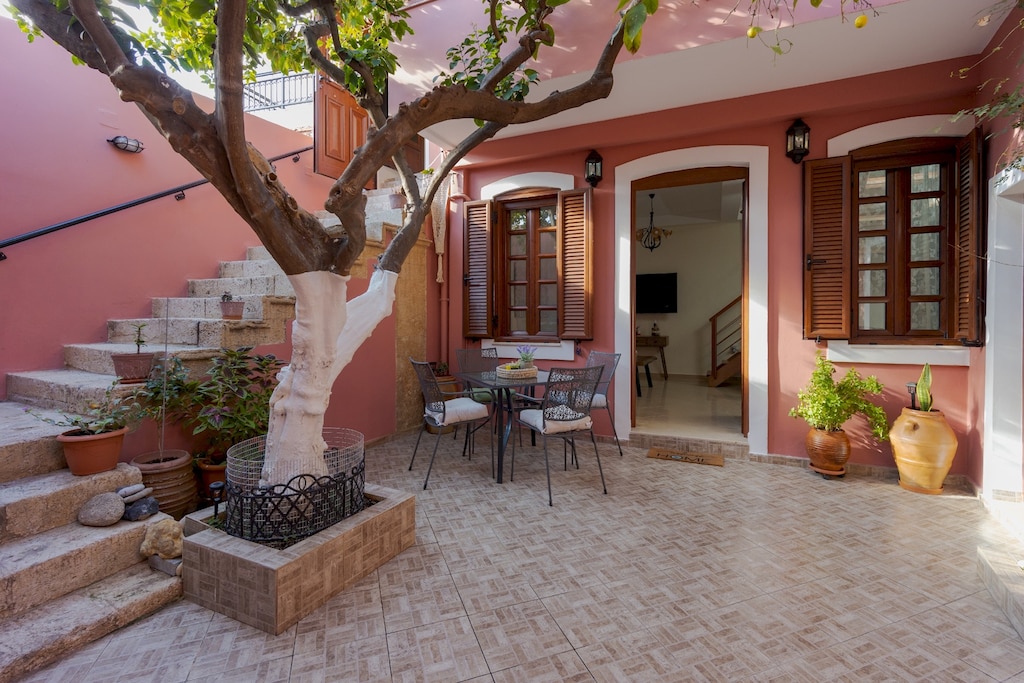
Explore 18 vacation rentals, homes, and villas in Heraklion for your next getaway or business trip. Experience the privacy of a home with premium amenities such as Air Condition Homes, Family-Friendly Homes and Best Affordable Homes, designed for a more comfortable and convenient stay. Every home is curated and professionally managed, with 24/7 local support, high-speed Wi-Fi, and premium linens included. With homes starting as low as $45 per night and featuring up to 3 bedrooms and 3 bathrooms, there's an option for every trip, from family vacations and group getaways to extended stays. However you're looking to experience your stay, Homes & Villas by Marriott has your next vacation home waiting. Marriott Bonvoy members can also earn and redeem points on every booking.
18 Vacation Rentals in Heraklion


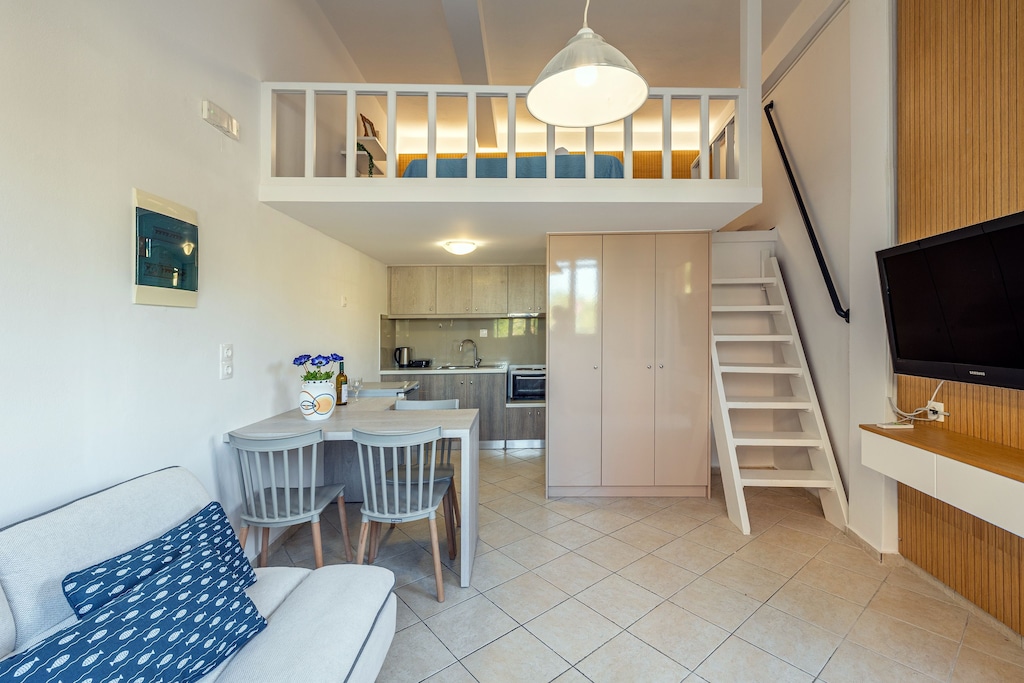

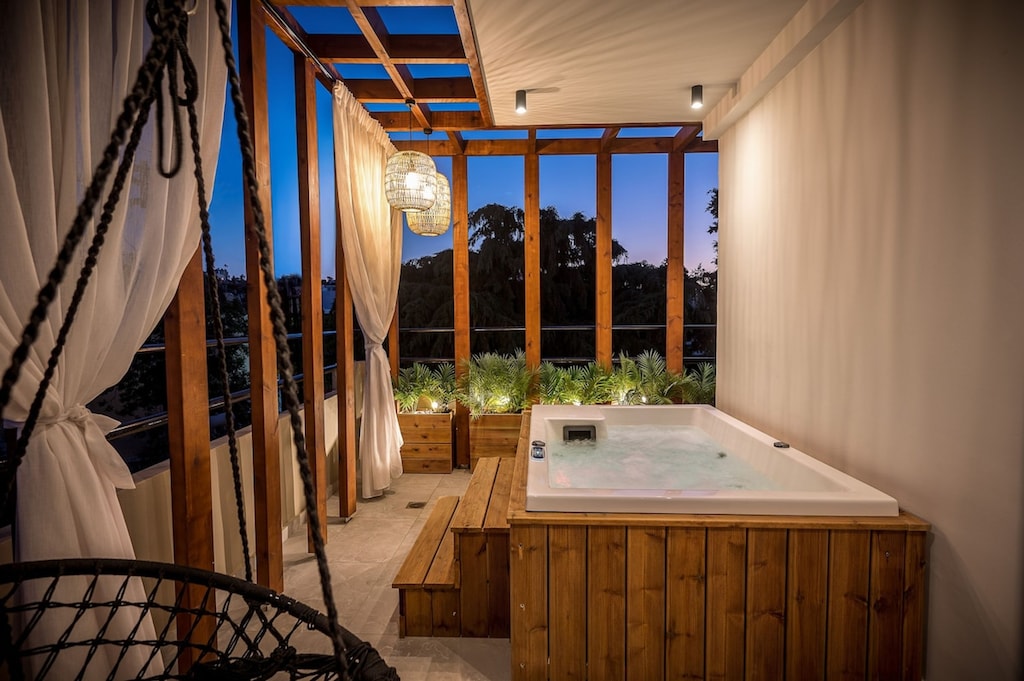

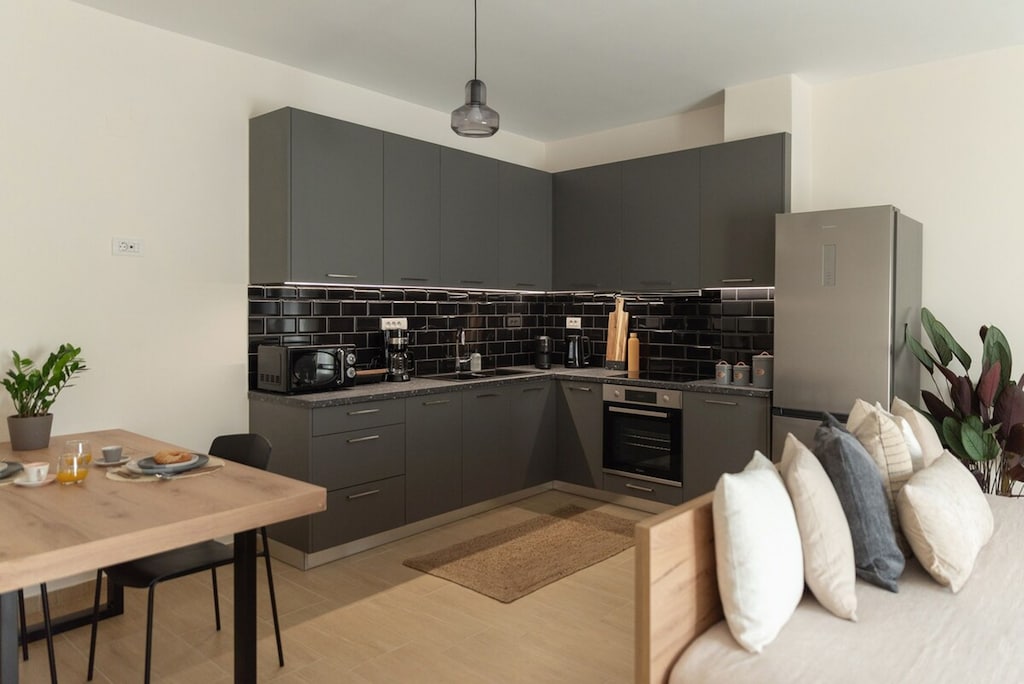


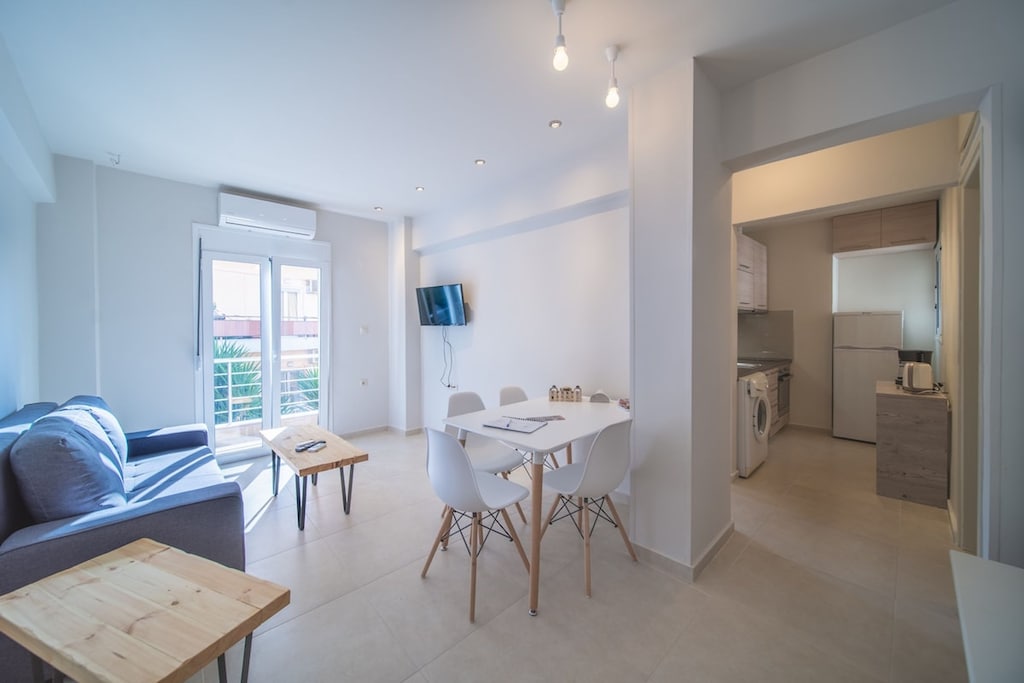


Vacation Rentals in Heraklion by Amenities & Features
Get to Know Heraklion
Heraklion OverviewHeraklion, the capital of Crete, is a destination that offers a rich blend of history, culture, and modern comforts, making it a compelling stop for any traveler exploring Greece. As the island's largest city, Heraklion is a bustling hub where the remnants of ancient civilizations coexist with a lively contemporary scene.
The city's most famous historical site is the Palace of Knossos, just a short distance from the city center. This archaeological treasure is considered Europe's oldest city, and its ruins provide a window into the sophisticated Minoan civilization. Visitors can wander through the palace's complex multi-story buildings, marvel at the vibrant frescoes, and stand in the throne room of the legendary King Minos.
Heraklion's Archaeological Museum is another must-visit, housing one of the most significant collections of Minoan artifacts in the world. The exhibits take you on a journey through Crete's storied past, from Neolithic times to the Roman era.
The city itself is a tapestry of Venetian and Ottoman influences, with imposing fortifications like the Koules Fortress guarding the old harbor. The old town's streets are lined with historical buildings, fountains, and churches, inviting leisurely exploration. The Morosini Fountain, also known as the Lion's Fountain, is a popular meeting point and a testament to the city's Venetian heritage.
For a taste of local life, the vibrant markets of Heraklion are a sensory delight. The Central Market on 1866 Street offers everything from fresh Cretan produce to local cheeses, herbs, and olive oil. It's an ideal place to sample the island's culinary offerings or to find unique souvenirs.
Heraklion is also a gateway to the rest of Crete's diverse attractions. The city's location makes it convenient for day trips to other parts of the island, whether you're seeking the pink sands of Elafonissi Beach, the imposing Samaria Gorge, or the tranquil villages that dot the Cretan countryside.
After a day of exploration, visitors can enjoy Heraklion's modern side, with its array of shops, cafes, and restaurants. The city's dining scene offers a mix of traditional tavernas and upscale eateries, where you can savor Cretan specialties like dakos, moussaka, and raki.
In essence, Heraklion is a city where ancient history is palpably alive, where the food is hearty and the people are warm. It's a place that offers a genuine Cretan experience, combining the allure of the past with the vibrancy of the present.
Heraklion, the capital of Crete, is a destination that offers a rich blend of history, culture, and modern comforts, making it a compelling stop for any traveler exploring Greece. As the island's largest city, Heraklion is a bustling hub where the remnants of ancient civilizations coexist with a lively contemporary scene. The city's most famous historical site is the Palace of Knossos, just a short distance from the city center. This archaeological treasure is considered Europe's oldest city, and its ruins provide a window into the sophisticated Minoan civilization. Visitors can wander through the palace's complex multi-story buildings, marvel at the vibrant frescoes, and stand in the throne room of the legendary King Minos. Heraklion's Archaeological Museum is another must-visit, housing one of the most significant collections of Minoan artifacts in the world. The exhibits take you on a journey through Crete's storied past, from Neolithic times to the Roman era. The city itself is a tapestry of Venetian and Ottoman influences, with imposing fortifications like the Koules Fortress guarding the old harbor. The old town's streets are lined with historical buildings, fountains, and churches, inviting leisurely exploration. The Morosini Fountain, also known as the Lion's Fountain, is a popular meeting point and a testament to the city's Venetian heritage. For a taste of local life, the vibrant markets of Heraklion are a sensory delight. The Central Market on 1866 Street offers everything from fresh Cretan produce to local cheeses, herbs, and olive oil. It's an ideal place to sample the island's culinary offerings or to find unique souvenirs. Heraklion is also a gateway to the rest of Crete's diverse attractions. The city's location makes it convenient for day trips to other parts of the island, whether you're seeking the pink sands of Elafonissi Beach, the imposing Samaria Gorge, or the tranquil villages that dot the Cretan countryside. After a day of exploration, visitors can enjoy Heraklion's modern side, with its array of shops, cafes, and restaurants. The city's dining scene offers a mix of traditional tavernas and upscale eateries, where you can savor Cretan specialties like dakos, moussaka, and raki. In essence, Heraklion is a city where ancient history is palpably alive, where the food is hearty and the people are warm. It's a place that offers a genuine Cretan experience, combining the allure of the past with the vibrancy of the present.
Weather in HeraklionHeraklion, the capital of Crete, Greece, enjoys a Mediterranean climate with mild, rainy winters and hot, dry summers. This climate makes Heraklion a year-round destination, with each season offering its own unique experience.
Winter, from December to February, is the wettest season, with occasional rain showers and average temperatures ranging from 9°C to 15°C. The cooler temperatures and precipitation are a small price to pay for the uncrowded archaeological sites and the chance to experience local life without the tourist throngs.
Spring, from March to May, is a delightful time to visit Heraklion. The weather gradually warms up, with temperatures ranging from 12°C to 24°C. The island bursts into bloom, and the countryside is lush and green, perfect for hiking and exploring the ancient ruins. Rainfall decreases significantly as the season progresses, making it an ideal time to enjoy outdoor activities.
Summer, from June to August, is the peak tourist season, with temperatures soaring to an average high of 28°C to 30°C. The heat is often tempered by the cooling 'meltemi' winds, particularly in July and August. Summer in Heraklion is characterized by long, sun-drenched days and very little rain, making it perfect for beach-goers and sun-seekers.
Autumn, from September to November, sees temperatures ranging from 20°C to 26°C. The sea remains warm enough for swimming, and the summer crowds have dissipated, making it a great time to visit for those who prefer a quieter experience. Rainfall is still relatively low in early autumn, but it increases as the season progresses.
The most popular weather conditions are prevalent in the late spring to early summer and early autumn, when the temperatures are warm but not too hot, and the chance of rain is lower. These periods offer the perfect balance for enjoying both the beaches and the historical sites of Heraklion.
For the most pleasant climate, late spring (May to early June) and early autumn (September to October) are particularly recommended. During these times, the weather is warm enough to enjoy all that Heraklion has to offer, from its Minoan palaces and Venetian fortresses to its beautiful beaches and vibrant street life, without the extreme heat or the peak season crowds.
Heraklion, the capital of Crete, Greece, enjoys a Mediterranean climate with mild, rainy winters and hot, dry summers. This climate makes Heraklion a year-round destination, with each season offering its own unique experience. Winter, from December to February, is the wettest season, with occasional rain showers and average temperatures ranging from 9°C to 15°C. The cooler temperatures and precipitation are a small price to pay for the uncrowded archaeological sites and the chance to experience local life without the tourist throngs. Spring, from March to May, is a delightful time to visit Heraklion. The weather gradually warms up, with temperatures ranging from 12°C to 24°C. The island bursts into bloom, and the countryside is lush and green, perfect for hiking and exploring the ancient ruins. Rainfall decreases significantly as the season progresses, making it an ideal time to enjoy outdoor activities. Summer, from June to August, is the peak tourist season, with temperatures soaring to an average high of 28°C to 30°C. The heat is often tempered by the cooling 'meltemi' winds, particularly in July and August. Summer in Heraklion is characterized by long, sun-drenched days and very little rain, making it perfect for beach-goers and sun-seekers. Autumn, from September to November, sees temperatures ranging from 20°C to 26°C. The sea remains warm enough for swimming, and the summer crowds have dissipated, making it a great time to visit for those who prefer a quieter experience. Rainfall is still relatively low in early autumn, but it increases as the season progresses. The most popular weather conditions are prevalent in the late spring to early summer and early autumn, when the temperatures are warm but not too hot, and the chance of rain is lower. These periods offer the perfect balance for enjoying both the beaches and the historical sites of Heraklion. For the most pleasant climate, late spring (May to early June) and early autumn (September to October) are particularly recommended. During these times, the weather is warm enough to enjoy all that Heraklion has to offer, from its Minoan palaces and Venetian fortresses to its beautiful beaches and vibrant street life, without the extreme heat or the peak season crowds.
Cultural Attractions in HeraklionHeraklion, the capital of Crete, Greece, is a cultural haven that offers a rich tapestry of arts, history, and local customs, making it an ideal destination for travelers with a passion for cultural activities. This vibrant city is a gateway to the island's storied past and a showcase of its contemporary artistic flair.
Begin your exploration at the Heraklion Archaeological Museum, one of the most significant museums in Greece, which houses the world's largest collection of Minoan artifacts. This museum provides an in-depth look at the ancient civilization that flourished on Crete thousands of years ago. The exhibits, which include the famous Phaistos Disc, frescoes, and intricate jewelry, offer a window into the island's rich history.
No visit to Heraklion would be complete without a trip to the Palace of Knossos, just a short distance from the city center. This archaeological site is considered Europe's oldest city and was once the ceremonial and political center of the Minoan civilization. The palace complex, with its elaborate architecture and vividly restored frescoes, transports visitors back to the height of Minoan culture.
For art enthusiasts, the Heraklion Municipal Art Gallery hosts a collection of works by Cretan artists, as well as temporary exhibitions that showcase both Greek and international art. The Basilica of St. Mark, which now serves as the Municipal Art Gallery, is itself a historical monument, reflecting the Venetian influence on the island.
Live music is an integral part of Heraklion's cultural scene. The city comes alive at night with the sounds of traditional Cretan music in local tavernas, where you can enjoy the lively rhythms of the lyra and laouto. For a more formal setting, the Nikos Kazantzakis Open-Air Theatre offers a range of performances, including concerts, ballets, and plays, often set against the backdrop of a starlit Cretan sky.
Heraklion's cultural calendar is dotted with festivals and events that celebrate local customs. The Heraklion Summer Arts Festival is a highlight, featuring a variety of cultural events, from music and dance to theater and visual arts. The city also celebrates the feast of Agios Titos, its patron saint, with religious processions and cultural events.
To truly immerse yourself in local customs, wander through the city's historic center, with its Venetian-era fountains, loggias, and the imposing Koules Fortress at the old harbor. The vibrant market streets, such as 1866 Street, offer a sensory feast of local products, from Cretan cheeses to aromatic herbs.
Heraklion's blend of ancient history, artistic expression, and living traditions creates a cultural experience that is both profound and exhilarating. It's a city where every corner reveals a story, and every experience enriches the soul.
Heraklion, the capital of Crete, Greece, is a cultural haven that offers a rich tapestry of arts, history, and local customs, making it an ideal destination for travelers with a passion for cultural activities. This vibrant city is a gateway to the island's storied past and a showcase of its contemporary artistic flair. Begin your exploration at the Heraklion Archaeological Museum, one of the most significant museums in Greece, which houses the world's largest collection of Minoan artifacts. This museum provides an in-depth look at the ancient civilization that flourished on Crete thousands of years ago. The exhibits, which include the famous Phaistos Disc, frescoes, and intricate jewelry, offer a window into the island's rich history. No visit to Heraklion would be complete without a trip to the Palace of Knossos, just a short distance from the city center. This archaeological site is considered Europe's oldest city and was once the ceremonial and political center of the Minoan civilization. The palace complex, with its elaborate architecture and vividly restored frescoes, transports visitors back to the height of Minoan culture. For art enthusiasts, the Heraklion Municipal Art Gallery hosts a collection of works by Cretan artists, as well as temporary exhibitions that showcase both Greek and international art. The Basilica of St. Mark, which now serves as the Municipal Art Gallery, is itself a historical monument, reflecting the Venetian influence on the island. Live music is an integral part of Heraklion's cultural scene. The city comes alive at night with the sounds of traditional Cretan music in local tavernas, where you can enjoy the lively rhythms of the lyra and laouto. For a more formal setting, the Nikos Kazantzakis Open-Air Theatre offers a range of performances, including concerts, ballets, and plays, often set against the backdrop of a starlit Cretan sky. Heraklion's cultural calendar is dotted with festivals and events that celebrate local customs. The Heraklion Summer Arts Festival is a highlight, featuring a variety of cultural events, from music and dance to theater and visual arts. The city also celebrates the feast of Agios Titos, its patron saint, with religious processions and cultural events. To truly immerse yourself in local customs, wander through the city's historic center, with its Venetian-era fountains, loggias, and the imposing Koules Fortress at the old harbor. The vibrant market streets, such as 1866 Street, offer a sensory feast of local products, from Cretan cheeses to aromatic herbs. Heraklion's blend of ancient history, artistic expression, and living traditions creates a cultural experience that is both profound and exhilarating. It's a city where every corner reveals a story, and every experience enriches the soul.
Family friendly activities in HeraklionHeraklion, the bustling capital of Crete, Greece, is a treasure trove of activities and sights that will captivate children and provide an educational and fun-filled holiday experience.
Begin your adventure at the Cretaquarium, one of the largest aquariums in Europe, where kids can come face-to-face with the vibrant marine life of the Mediterranean. The interactive touch pools and the mesmerizing tunnel with sharks swimming overhead are sure to be a hit.
For a journey into the past, the Palace of Knossos is a must-see. This ancient Minoan palace is a labyrinth of colorful frescoes and storied ruins that will spark the imagination of young adventurers. Engage a guide or pick up an audio guide to bring the myths and legends of ancient Crete to life for your children.
The Natural History Museum of Crete offers another educational outing, with exhibits on the island's flora and fauna, as well as an earthquake simulator that teaches about seismic activity in a fun and safe environment.
For a day in the sun, visit one of the many beaches near Heraklion, such as Ammoudara Beach, where the shallow waters are ideal for little swimmers. The beach also offers a variety of water sports for older children and teens.
If your kids love a good puzzle, the city's escape rooms provide a thrilling challenge. Work together as a family to solve clues and escape from themed rooms, a perfect activity for those looking for an interactive experience.
For a taste of local culture, take a stroll through the Heraklion market where children can sample traditional Cretan snacks like cheese pies and honey-drenched sweets. The vibrant atmosphere and colorful stalls are a feast for the senses.
When it's time to relax, the city's numerous parks and gardens offer a peaceful retreat. The Public Gardens of Heraklion, with its small zoo and playground, is a lovely spot for a family picnic and a chance for kids to run around and play.
Heraklion's blend of historical intrigue, natural beauty, and family-friendly activities make it an excellent choice for a holiday with children. The city's rich heritage and modern attractions ensure that there's something to keep every member of the family entertained and enchanted.
Heraklion, the bustling capital of Crete, Greece, is a treasure trove of activities and sights that will captivate children and provide an educational and fun-filled holiday experience. Begin your adventure at the Cretaquarium, one of the largest aquariums in Europe, where kids can come face-to-face with the vibrant marine life of the Mediterranean. The interactive touch pools and the mesmerizing tunnel with sharks swimming overhead are sure to be a hit. For a journey into the past, the Palace of Knossos is a must-see. This ancient Minoan palace is a labyrinth of colorful frescoes and storied ruins that will spark the imagination of young adventurers. Engage a guide or pick up an audio guide to bring the myths and legends of ancient Crete to life for your children. The Natural History Museum of Crete offers another educational outing, with exhibits on the island's flora and fauna, as well as an earthquake simulator that teaches about seismic activity in a fun and safe environment. For a day in the sun, visit one of the many beaches near Heraklion, such as Ammoudara Beach, where the shallow waters are ideal for little swimmers. The beach also offers a variety of water sports for older children and teens. If your kids love a good puzzle, the city's escape rooms provide a thrilling challenge. Work together as a family to solve clues and escape from themed rooms, a perfect activity for those looking for an interactive experience. For a taste of local culture, take a stroll through the Heraklion market where children can sample traditional Cretan snacks like cheese pies and honey-drenched sweets. The vibrant atmosphere and colorful stalls are a feast for the senses. When it's time to relax, the city's numerous parks and gardens offer a peaceful retreat. The Public Gardens of Heraklion, with its small zoo and playground, is a lovely spot for a family picnic and a chance for kids to run around and play. Heraklion's blend of historical intrigue, natural beauty, and family-friendly activities make it an excellent choice for a holiday with children. The city's rich heritage and modern attractions ensure that there's something to keep every member of the family entertained and enchanted.
Outdoor activities in HeraklionHeraklion, the capital of Crete, is a treasure trove of natural wonders and outdoor activities that cater to the nature enthusiast. The region's diverse landscapes, from rugged mountains to serene beaches, offer a plethora of experiences for those seeking to connect with the great outdoors.
One of the most iconic natural attractions near Heraklion is the Samaria Gorge. This majestic gorge, located in the White Mountains, is one of the longest in Europe and offers a challenging yet rewarding hike through its narrow passageways and lush, forested paths. The trek through Samaria Gorge is a full-day adventure, culminating in the quaint coastal village of Agia Roumeli.
For a more relaxed outdoor experience, the beaches around Heraklion are second to none. Matala Beach, with its clear blue waters and famous caves carved into the cliffs, provides a unique backdrop for swimming and sunbathing. Meanwhile, the palm-fringed beach of Preveli, at the mouth of the Kourtaliotiko Gorge, is a stunning spot where a river flows into the sea, creating a landscape that feels almost tropical.
Hiking enthusiasts will find plenty of trails in the Psiloritis mountain range, which is home to Mount Ida, the highest peak on Crete. The diverse terrain offers everything from gentle walks through olive groves to more strenuous ascents up rugged peaks. The mountainous areas are also dotted with charming villages where traditional Cretan life continues much as it has for centuries.
For those interested in aquatic adventures, the waters around Heraklion are ideal for snorkeling and diving. The underwater landscape is rich with marine life, and the clear visibility makes for excellent conditions to explore the Mediterranean's underwater world. Dive sites range from caverns and reefs to shipwrecks, catering to all levels of experience.
Cycling is another popular activity in the region, with routes that take you through vineyards, ancient ruins, and along coastal paths. The terrain varies, offering something for both leisurely riders and those seeking a more challenging experience.
Lastly, the region's natural beauty can be enjoyed from the water by kayaking or sailing along the coast, providing a different perspective of Crete's dramatic landscape. Whether you're paddling in the calm waters of a secluded bay or setting sail into the sunset, the connection to nature is palpable.
Heraklion's blend of natural wonders and outdoor activities makes it an ideal destination for those who love the outdoors and seek to immerse themselves in the beauty of the natural world.
Heraklion, the capital of Crete, is a treasure trove of natural wonders and outdoor activities that cater to the nature enthusiast. The region's diverse landscapes, from rugged mountains to serene beaches, offer a plethora of experiences for those seeking to connect with the great outdoors. One of the most iconic natural attractions near Heraklion is the Samaria Gorge. This majestic gorge, located in the White Mountains, is one of the longest in Europe and offers a challenging yet rewarding hike through its narrow passageways and lush, forested paths. The trek through Samaria Gorge is a full-day adventure, culminating in the quaint coastal village of Agia Roumeli. For a more relaxed outdoor experience, the beaches around Heraklion are second to none. Matala Beach, with its clear blue waters and famous caves carved into the cliffs, provides a unique backdrop for swimming and sunbathing. Meanwhile, the palm-fringed beach of Preveli, at the mouth of the Kourtaliotiko Gorge, is a stunning spot where a river flows into the sea, creating a landscape that feels almost tropical. Hiking enthusiasts will find plenty of trails in the Psiloritis mountain range, which is home to Mount Ida, the highest peak on Crete. The diverse terrain offers everything from gentle walks through olive groves to more strenuous ascents up rugged peaks. The mountainous areas are also dotted with charming villages where traditional Cretan life continues much as it has for centuries. For those interested in aquatic adventures, the waters around Heraklion are ideal for snorkeling and diving. The underwater landscape is rich with marine life, and the clear visibility makes for excellent conditions to explore the Mediterranean's underwater world. Dive sites range from caverns and reefs to shipwrecks, catering to all levels of experience. Cycling is another popular activity in the region, with routes that take you through vineyards, ancient ruins, and along coastal paths. The terrain varies, offering something for both leisurely riders and those seeking a more challenging experience. Lastly, the region's natural beauty can be enjoyed from the water by kayaking or sailing along the coast, providing a different perspective of Crete's dramatic landscape. Whether you're paddling in the calm waters of a secluded bay or setting sail into the sunset, the connection to nature is palpable. Heraklion's blend of natural wonders and outdoor activities makes it an ideal destination for those who love the outdoors and seek to immerse themselves in the beauty of the natural world.
Transportation in HeraklionHeraklion, the capital of Crete, Greece, is a destination rich in history and culture, offering a variety of transportation options for visitors. The primary gateway to the city is through the Heraklion International Airport, also known as Nikos Kazantzakis Airport, which is located just a few kilometers from the city center. It is the second busiest airport in Greece and provides numerous domestic and international flights.
Upon arrival, visitors can choose from several modes of transportation to reach their accommodations and explore the city. Taxis are readily available outside the airport and offer a convenient, though more costly, way to get to your destination. For those looking for a more economical option, the city's public bus system, operated by KTEL, has services that connect the airport to the city center and other parts of the island.
Heraklion is also accessible by sea, with its port being one of the largest in the Mediterranean. Ferries and cruise ships frequently dock here, connecting Heraklion with other Greek islands and mainland ports. The port is conveniently located near the city center, making it easy for passengers to transition from sea to land.
Once in Heraklion, getting around can be done on foot, especially in the city center where attractions like the Heraklion Archaeological Museum, the Morosini Fountain, and the old Venetian walls are located. The city's compact size makes it walkable, and strolling through its streets allows visitors to soak in the local atmosphere and discover hidden gems.
For longer distances or to visit other attractions such as the Palace of Knossos, which is situated about 5 kilometers southeast of the city, public buses are a reliable option. Car rentals are also available for those who prefer the flexibility to explore Crete at their own pace. The island's road network is well-developed, making it easy to visit other towns, beaches, and historical sites.
In summary, Heraklion offers a mix of transportation options suitable for all preferences. Whether you're arriving by air or sea, or looking to explore the city and beyond, Heraklion's infrastructure caters to a smooth travel experience. While the city center is quite walkable, utilizing public buses or renting a car can enhance your visit, especially if you wish to delve into the wider region of Crete.
Heraklion, the capital of Crete, Greece, is a destination rich in history and culture, offering a variety of transportation options for visitors. The primary gateway to the city is through the Heraklion International Airport, also known as Nikos Kazantzakis Airport, which is located just a few kilometers from the city center. It is the second busiest airport in Greece and provides numerous domestic and international flights. Upon arrival, visitors can choose from several modes of transportation to reach their accommodations and explore the city. Taxis are readily available outside the airport and offer a convenient, though more costly, way to get to your destination. For those looking for a more economical option, the city's public bus system, operated by KTEL, has services that connect the airport to the city center and other parts of the island. Heraklion is also accessible by sea, with its port being one of the largest in the Mediterranean. Ferries and cruise ships frequently dock here, connecting Heraklion with other Greek islands and mainland ports. The port is conveniently located near the city center, making it easy for passengers to transition from sea to land. Once in Heraklion, getting around can be done on foot, especially in the city center where attractions like the Heraklion Archaeological Museum, the Morosini Fountain, and the old Venetian walls are located. The city's compact size makes it walkable, and strolling through its streets allows visitors to soak in the local atmosphere and discover hidden gems. For longer distances or to visit other attractions such as the Palace of Knossos, which is situated about 5 kilometers southeast of the city, public buses are a reliable option. Car rentals are also available for those who prefer the flexibility to explore Crete at their own pace. The island's road network is well-developed, making it easy to visit other towns, beaches, and historical sites. In summary, Heraklion offers a mix of transportation options suitable for all preferences. Whether you're arriving by air or sea, or looking to explore the city and beyond, Heraklion's infrastructure caters to a smooth travel experience. While the city center is quite walkable, utilizing public buses or renting a car can enhance your visit, especially if you wish to delve into the wider region of Crete.
Heraklion FAQs
What is there to do in Heraklion?In Heraklion, you can explore the renowned Palace of Knossos, visit the Heraklion Archaeological Museum, stroll around the old Venetian harbor and the Koules Fortress, enjoy the vibrant markets and cafes in the city center, and relax on the beautiful beaches nearby like Amoudara. Don't miss the Historical Museum of Crete and the Natural History Museum for a deeper understanding of Crete's history and environment.
In Heraklion, you can explore the renowned Palace of Knossos, visit the Heraklion Archaeological Museum, stroll around the old Venetian harbor and the Koules Fortress, enjoy the vibrant markets and cafes in the city center, and relax on the beautiful beaches nearby like Amoudara. Don't miss the Historical Museum of Crete and the Natural History Museum for a deeper understanding of Crete's history and environment.
What is the best time of year to visit Heraklion?The best time to visit Heraklion is during the spring (April to early June) and fall (September to October) when the weather is pleasant, and the tourist crowds are smaller. The summer months (June to August) are the hottest and busiest, while the winter (November to March) is cooler with some attractions closed or having reduced hours.
The best time to visit Heraklion is during the spring (April to early June) and fall (September to October) when the weather is pleasant, and the tourist crowds are smaller. The summer months (June to August) are the hottest and busiest, while the winter (November to March) is cooler with some attractions closed or having reduced hours.
How can I get around Heraklion?Heraklion can be navigated by public buses, which connect the city to major attractions and nearby towns. Taxis are readily available, and car rentals are a popular option for those who wish to explore more of Crete at their own pace. The city center is also walkable, with many attractions close to each other.
Heraklion can be navigated by public buses, which connect the city to major attractions and nearby towns. Taxis are readily available, and car rentals are a popular option for those who wish to explore more of Crete at their own pace. The city center is also walkable, with many attractions close to each other.
What are the local food specialties in Heraklion?Local food specialties in Heraklion include dishes such as dakos (a Cretan salad with tomatoes, feta, and barley rusks), moussaka (a baked dish with eggplant, minced meat, and béchamel sauce), and various seafood dishes. Don't miss out on trying the local cheeses like graviera and mizithra, and be sure to sample some Cretan olive oil and raki, a traditional spirit.
Local food specialties in Heraklion include dishes such as dakos (a Cretan salad with tomatoes, feta, and barley rusks), moussaka (a baked dish with eggplant, minced meat, and béchamel sauce), and various seafood dishes. Don't miss out on trying the local cheeses like graviera and mizithra, and be sure to sample some Cretan olive oil and raki, a traditional spirit.
Are there any beaches near Heraklion?Yes, there are several beautiful beaches near Heraklion. Amoudara Beach is the closest large beach to the city, with facilities and water sports available. Other nearby beaches include Karteros Beach, Agia Pelagia Beach, and Lygaria Beach, all within a short drive from Heraklion.
Yes, there are several beautiful beaches near Heraklion. Amoudara Beach is the closest large beach to the city, with facilities and water sports available. Other nearby beaches include Karteros Beach, Agia Pelagia Beach, and Lygaria Beach, all within a short drive from Heraklion.
Is Heraklion a family-friendly destination?Heraklion is very family-friendly, offering a variety of activities that cater to all ages. Families can enjoy the beaches, visit theme parks like the Cretaquarium or Dinosauria Park, and explore historical sites like the Palace of Knossos with educational tours. The city also has many parks and open spaces for children to play.
Heraklion is very family-friendly, offering a variety of activities that cater to all ages. Families can enjoy the beaches, visit theme parks like the Cretaquarium or Dinosauria Park, and explore historical sites like the Palace of Knossos with educational tours. The city also has many parks and open spaces for children to play.
Do I need to speak Greek to visit Heraklion?While speaking Greek is always appreciated, it is not necessary to visit Heraklion. English is widely spoken in tourist areas, hotels, restaurants, and museums. However, learning a few basic Greek phrases can enhance your experience and is often warmly received by locals.
While speaking Greek is always appreciated, it is not necessary to visit Heraklion. English is widely spoken in tourist areas, hotels, restaurants, and museums. However, learning a few basic Greek phrases can enhance your experience and is often warmly received by locals.
More space, more privacy, more points with every home rental.
What makes Homes & Villas by Marriott Bonvoy a unique home rental experience? Unlike other home rental sites like AirBNB, when you book a vacation rental with Homes & Villas by Marriott Bonvoy you always have the whole place to yourself. Plus, as a member of Marriott Bonvoy, you can earn points towards free nights with every stay.