Normandy, France Vacation Rentals
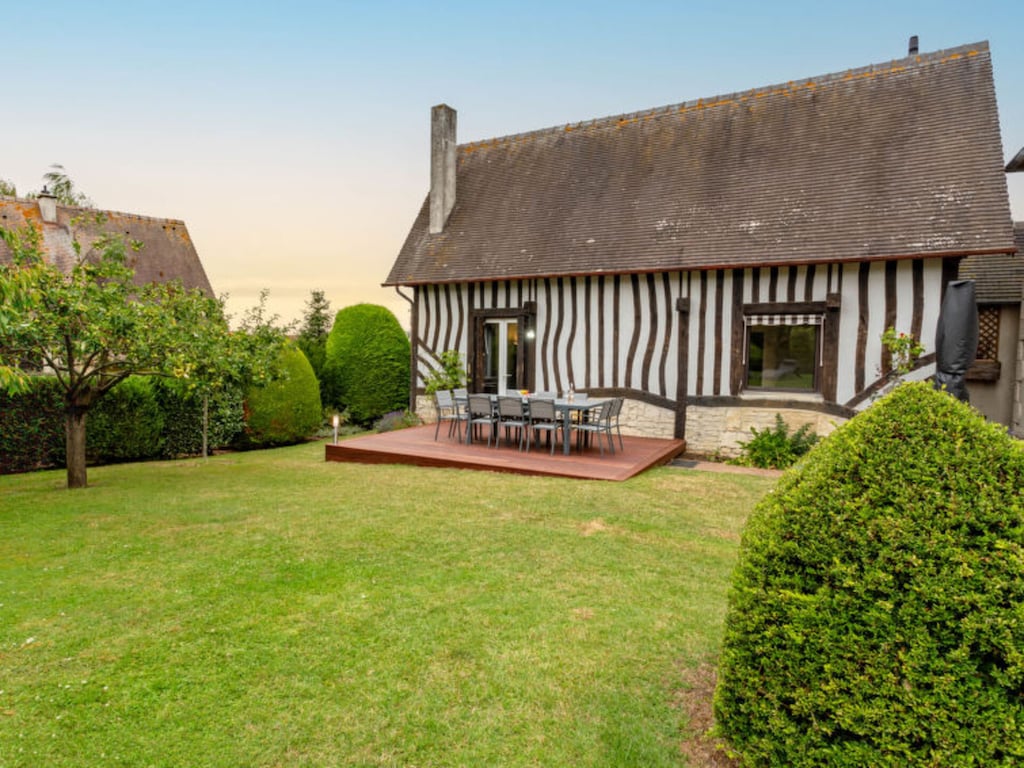
Explore 70 vacation rentals, homes, and villas in Normandy for your next getaway or business trip. Experience the privacy of a home with premium amenities such as Family-Friendly Homes, Pet-Friendly Homes and Homes with Free Parking, designed for a more comfortable and convenient stay. Every home is curated and professionally managed, with 24/7 local support, high-speed Wi-Fi, and premium linens included. With homes starting as low as $39 per night and featuring up to 14 bedrooms and 10 bathrooms, there's an option for every trip, from family vacations and group getaways to extended stays. However you're looking to experience your stay, Homes & Villas by Marriott has your next vacation home waiting. Marriott Bonvoy members can also earn and redeem points on every booking.
70 Vacation Rentals in Normandy




Vacation Rentals in Normandy by Amenities & Features
Get to Know Normandy
Normandy OverviewNormandy, France is a destination rich in history and natural splendor, making it an appealing choice for travelers. It's best known for the D-Day landings of World War II, and guests can delve into this important historical era at the many museums and memorials throughout the region, such as the Caen Memorial Museum and the American Cemetery at Omaha Beach.
The region's historical depth goes beyond World War II. The charming town of Bayeux houses the Bayeux Tapestry, a nearly 70-meter-long embroidered cloth that narrates events leading to the Norman conquest of England. Rouen, Normandy's capital city, is recognized for its breathtaking Gothic cathedral and its association with Joan of Arc.
Normandy also showcases some of France's most stunning landscapes. The chalk cliffs of Étretat have been a source of inspiration for many artists including Monet, while Mont Saint-Michel, a UNESCO World Heritage Site situated on a rocky island in Normandy's bay area, stands as one of France's most emblematic landmarks.
Culinary enthusiasts will be thrilled by Normandy's gastronomic delights. The region is famous for its seafood offerings, especially oysters and scallops. It also takes pride in its cheeses like Camembert and Livarot, along with apple-based products such as cider and Calvados brandy.
Art lovers will find Giverny fascinating where Claude Monet resided and created his renowned water lilies series. His residence along with his gardens are now accessible to tourists.
In summary, Normandy provides an array of experiences that cater to all kinds of travelers. Its rich history combined with breathtaking landscapes, delectable cuisine and artistic heritage make it a destination that truly offers something unique for everyone.
Normandy, France is a destination rich in history and natural splendor, making it an appealing choice for travelers. It's best known for the D-Day landings of World War II, and guests can delve into this important historical era at the many museums and memorials throughout the region, such as the Caen Memorial Museum and the American Cemetery at Omaha Beach. The region's historical depth goes beyond World War II. The charming town of Bayeux houses the Bayeux Tapestry, a nearly 70-meter-long embroidered cloth that narrates events leading to the Norman conquest of England. Rouen, Normandy's capital city, is recognized for its breathtaking Gothic cathedral and its association with Joan of Arc. Normandy also showcases some of France's most stunning landscapes. The chalk cliffs of Étretat have been a source of inspiration for many artists including Monet, while Mont Saint-Michel, a UNESCO World Heritage Site situated on a rocky island in Normandy's bay area, stands as one of France's most emblematic landmarks. Culinary enthusiasts will be thrilled by Normandy's gastronomic delights. The region is famous for its seafood offerings, especially oysters and scallops. It also takes pride in its cheeses like Camembert and Livarot, along with apple-based products such as cider and Calvados brandy. Art lovers will find Giverny fascinating where Claude Monet resided and created his renowned water lilies series. His residence along with his gardens are now accessible to tourists. In summary, Normandy provides an array of experiences that cater to all kinds of travelers. Its rich history combined with breathtaking landscapes, delectable cuisine and artistic heritage make it a destination that truly offers something unique for everyone.
Weather in NormandyNormandy, France is known for its temperate maritime climate, marked by mild temperatures and consistent rainfall all year round. The Atlantic Ocean's proximity influences the region's weather, resulting in a climate that is generally cooler and wetter than other parts of France.
The summer months, from June to August, are usually the warmest. However, average high temperatures are more typically found in the 18°C to 22°C range. These months also have the least rainfall, making it an excellent time for outdoor activities such as visiting the region's renowned beaches or exploring its historic sites.
The winter months from December to February are relatively mild compared to other parts of Europe. Average high temperatures range from 8°C to 10°C and lows often hover around 3°C. Rainfall is more common during this period and while snowfall is not a frequent occurrence, Normandy does experience several snow events most winters especially in January/February. Significant snowfall is less common near the coast compared to inland areas.
Spring (March-May) sees temperatures that can vary widely with some cooler days still occurring in March/April within the 8°C-12°C range. Autumn (September-November) has pleasant weather before winter sets in.
The most popular time to visit Normandy is during the summer months when sightseeing and outdoor activities are most favorable due to weather conditions. Each season offers its own unique charm - spring brings beautiful blooms in apple orchards, autumn showcases vibrant fall foliage, while winter provides a quieter yet equally enchanting experience. Regardless of when you choose to visit, Normandy's rich history and stunning landscapes can be enjoyed year-round.
Normandy, France is known for its temperate maritime climate, marked by mild temperatures and consistent rainfall all year round. The Atlantic Ocean's proximity influences the region's weather, resulting in a climate that is generally cooler and wetter than other parts of France. The summer months, from June to August, are usually the warmest. However, average high temperatures are more typically found in the 18°C to 22°C range. These months also have the least rainfall, making it an excellent time for outdoor activities such as visiting the region's renowned beaches or exploring its historic sites. The winter months from December to February are relatively mild compared to other parts of Europe. Average high temperatures range from 8°C to 10°C and lows often hover around 3°C. Rainfall is more common during this period and while snowfall is not a frequent occurrence, Normandy does experience several snow events most winters especially in January/February. Significant snowfall is less common near the coast compared to inland areas. Spring (March-May) sees temperatures that can vary widely with some cooler days still occurring in March/April within the 8°C-12°C range. Autumn (September-November) has pleasant weather before winter sets in. The most popular time to visit Normandy is during the summer months when sightseeing and outdoor activities are most favorable due to weather conditions. Each season offers its own unique charm - spring brings beautiful blooms in apple orchards, autumn showcases vibrant fall foliage, while winter provides a quieter yet equally enchanting experience. Regardless of when you choose to visit, Normandy's rich history and stunning landscapes can be enjoyed year-round.
Cultural Attractions in NormandyNormandy, France is a haven for those with a cultural inclination. The region is deeply rooted in history and offers an abundance of artistic and cultural attractions.
The Musée des Beaux-Arts de Rouen is home to an awe-inspiring collection of art ranging from the Renaissance era to modern times, featuring works by renowned artists such as Rubens, Caravaggio, and Monet. For admirers of contemporary art, Le Havre's MuMa (Musée d'Art Moderne André Malraux) holds one of the largest collections of Impressionist paintings in Europe.
The rich history of Normandy can be discovered through its many historical sites. The D-Day Landing Beaches and the Caen Memorial Museum serve as moving reminders of World War II. The Bayeux Tapestry, listed on UNESCO's Memory of the World register, provides an intriguing look into the Norman Conquest in the 11th century.
For those who enjoy live music, Normandy's dynamic music scene will not disappoint. The region organizes numerous music festivals throughout the year spanning various genres from classical to jazz to pop. Rouen city is especially known for its vibrant music scene with numerous bars and venues hosting live performances.
Normandy also provides unique glimpses into local customs and traditions. A visit to Camembert will enlighten you about cheese-making traditions or you can participate in apple harvesting for cider production in Calvados. The annual Fête de la Coquille Saint-Jacques honors Normandy's seafood heritage with tastings, cooking demonstrations and sea shanty performances.
Lastly, make sure to explore Normandy's picturesque towns like Honfleur and Giverny on foot. These towns are extremely walkable with narrow streets adorned with half-timbered houses, boutiques and cafes that encourage relaxed exploration.
In summary, Normandy presents a rich mix of arts, history and local customs, making it a perfect destination for cultural enthusiasts.
Normandy, France is a haven for those with a cultural inclination. The region is deeply rooted in history and offers an abundance of artistic and cultural attractions. The Musée des Beaux-Arts de Rouen is home to an awe-inspiring collection of art ranging from the Renaissance era to modern times, featuring works by renowned artists such as Rubens, Caravaggio, and Monet. For admirers of contemporary art, Le Havre's MuMa (Musée d'Art Moderne André Malraux) holds one of the largest collections of Impressionist paintings in Europe. The rich history of Normandy can be discovered through its many historical sites. The D-Day Landing Beaches and the Caen Memorial Museum serve as moving reminders of World War II. The Bayeux Tapestry, listed on UNESCO's Memory of the World register, provides an intriguing look into the Norman Conquest in the 11th century. For those who enjoy live music, Normandy's dynamic music scene will not disappoint. The region organizes numerous music festivals throughout the year spanning various genres from classical to jazz to pop. Rouen city is especially known for its vibrant music scene with numerous bars and venues hosting live performances. Normandy also provides unique glimpses into local customs and traditions. A visit to Camembert will enlighten you about cheese-making traditions or you can participate in apple harvesting for cider production in Calvados. The annual Fête de la Coquille Saint-Jacques honors Normandy's seafood heritage with tastings, cooking demonstrations and sea shanty performances. Lastly, make sure to explore Normandy's picturesque towns like Honfleur and Giverny on foot. These towns are extremely walkable with narrow streets adorned with half-timbered houses, boutiques and cafes that encourage relaxed exploration. In summary, Normandy presents a rich mix of arts, history and local customs, making it a perfect destination for cultural enthusiasts.
Family friendly activities in NormandyNormandy, France, is a region brimming with enriching experiences that can captivate both children and adults alike. Its rich history, natural beauty, and cultural charm present a diverse range of activities for young travelers.
Begin your family adventure at the Cité de la Mer in Cherbourg. This maritime museum offers interactive exhibits about the ocean's depths and features an aquarium housing 1,200 species of fish. Children can also explore Le Redoutable, the world's largest visitable submarine.
For a historical experience tailored to younger audiences, consider visiting Festyland in Bretteville-Sur-Odon. This theme park brings Normandy's past to life with rides and shows suitable for all ages. However, it would be wise to research specific ride height/age requirements beforehand to ensure they are appropriate for your children.
Animal enthusiasts should not miss out on the Cerza Zoo in Hermival-les-Vaux. Home to over 1,500 animals from around the world living in semi-freedom, it offers safari train rides that children will love.
Normandy is also renowned for its beautiful gardens like Les Jardins du Pays d'Auge in Cambremer or Jardin des Plantes de Coutances which are perfect for leisurely family walks.
While Bayeux houses the famous Bayeux Tapestry which may appeal to older children with its audio guide telling tales of knights and battles, it might not be as engaging for very young children due to its depiction of battle scenes.
Lastly, Normandy's coastline is worth exploring but consider avoiding upscale and crowded beaches like Deauville during peak tourist season. Instead opt for less crowded beaches along the Normandy coast that may provide more family-friendly and budget-friendly options.
In conclusion, while Normandy has numerous historical sites and museums that could fascinate older kids or history buffs within your family group; younger kids might appreciate more outdoor/nature activities. With a bit more research to tailor activities to your kids' ages and interests, Normandy could provide an enriching travel experience for your family.
Normandy, France, is a region brimming with enriching experiences that can captivate both children and adults alike. Its rich history, natural beauty, and cultural charm present a diverse range of activities for young travelers. Begin your family adventure at the Cité de la Mer in Cherbourg. This maritime museum offers interactive exhibits about the ocean's depths and features an aquarium housing 1,200 species of fish. Children can also explore Le Redoutable, the world's largest visitable submarine. For a historical experience tailored to younger audiences, consider visiting Festyland in Bretteville-Sur-Odon. This theme park brings Normandy's past to life with rides and shows suitable for all ages. However, it would be wise to research specific ride height/age requirements beforehand to ensure they are appropriate for your children. Animal enthusiasts should not miss out on the Cerza Zoo in Hermival-les-Vaux. Home to over 1,500 animals from around the world living in semi-freedom, it offers safari train rides that children will love. Normandy is also renowned for its beautiful gardens like Les Jardins du Pays d'Auge in Cambremer or Jardin des Plantes de Coutances which are perfect for leisurely family walks. While Bayeux houses the famous Bayeux Tapestry which may appeal to older children with its audio guide telling tales of knights and battles, it might not be as engaging for very young children due to its depiction of battle scenes. Lastly, Normandy's coastline is worth exploring but consider avoiding upscale and crowded beaches like Deauville during peak tourist season. Instead opt for less crowded beaches along the Normandy coast that may provide more family-friendly and budget-friendly options. In conclusion, while Normandy has numerous historical sites and museums that could fascinate older kids or history buffs within your family group; younger kids might appreciate more outdoor/nature activities. With a bit more research to tailor activities to your kids' ages and interests, Normandy could provide an enriching travel experience for your family.
Outdoor activities in NormandyNormandy, France is a haven for nature enthusiasts, boasting a variety of outdoor activities and natural wonders. The region is celebrated for its diverse landscapes, ranging from the Alabaster Coast's rugged cliffs to the verdant countryside.
The Alabaster Coast, or Côte d'Albâtre, is renowned for its striking white cliffs that extend over 130 kilometers. Visitors can marvel at the English Channel's panoramic views, discover quaint coastal towns like Étretat and Dieppe, or trek along the GR21 trail that follows the coastline.
The countryside of Normandy is equally captivating. The region's abundant forests and parks provide numerous hiking and cycling opportunities. One such location is the Forest of Lyons, one of France's largest beech forests and a habitat for various wildlife species.
For those who enjoy water activities, Normandy does not disappoint. The region's many rivers are ideal for canoeing or kayaking adventures. Alternatively, Lake Dathee near Vire offers opportunities for fishing or sailing.
Birdwatchers should make their way to Marais Vernier. This expansive marshland area houses numerous bird species and provides several walking trails from which they can be observed.
Lastly, an exploration of Mont Saint-Michel Bay on foot or horseback during low tide offers a unique experience that allows visitors to fully appreciate this natural marvel.
In summary, whether it involves hiking along sea-facing cliffs or paddling down serene rivers amidst lush greenery, Normandy offers an assortment of outdoor activities in stunning settings that allow visitors to connect deeply with nature.
Normandy, France is a haven for nature enthusiasts, boasting a variety of outdoor activities and natural wonders. The region is celebrated for its diverse landscapes, ranging from the Alabaster Coast's rugged cliffs to the verdant countryside. The Alabaster Coast, or Côte d'Albâtre, is renowned for its striking white cliffs that extend over 130 kilometers. Visitors can marvel at the English Channel's panoramic views, discover quaint coastal towns like Étretat and Dieppe, or trek along the GR21 trail that follows the coastline. The countryside of Normandy is equally captivating. The region's abundant forests and parks provide numerous hiking and cycling opportunities. One such location is the Forest of Lyons, one of France's largest beech forests and a habitat for various wildlife species. For those who enjoy water activities, Normandy does not disappoint. The region's many rivers are ideal for canoeing or kayaking adventures. Alternatively, Lake Dathee near Vire offers opportunities for fishing or sailing. Birdwatchers should make their way to Marais Vernier. This expansive marshland area houses numerous bird species and provides several walking trails from which they can be observed. Lastly, an exploration of Mont Saint-Michel Bay on foot or horseback during low tide offers a unique experience that allows visitors to fully appreciate this natural marvel. In summary, whether it involves hiking along sea-facing cliffs or paddling down serene rivers amidst lush greenery, Normandy offers an assortment of outdoor activities in stunning settings that allow visitors to connect deeply with nature.
Transportation in NormandyVisitors to Normandy, France, can choose from a range of transportation options. The most typical method of arrival is by air, with Paris Charles de Gaulle Airport being the nearest major airport. From this point, visitors can either take a train or hire a car to reach Normandy. The area also has rail connections with direct trains from Paris to key cities in Normandy such as Rouen, Caen, and Le Havre.
Once in Normandy, one can travel around by car or train. While there are train services that link the larger towns and cities in the region, it's worth noting that the network may not be as extensive as those found in other regions of France. The focus appears to be more on providing transport from Paris to the largest cities like Rouen, Caen and Le Havre rather than between smaller towns within Normandy.
For exploring smaller villages and rural areas where public transportation options may be limited, renting a car would be more suitable. Taxis are also an option in bigger towns and cities but might be scarce in rural areas.
Cycling is another popular way of getting around in Normandy due to its relatively flat terrain and picturesque landscapes.
The walkability of the region varies depending on your location within Normandy. Cities such as Rouen and Caen have compact city centers that are easy to navigate on foot. However, for visiting various sites spread across the region like the D-Day beaches or Mont Saint-Michel, some form of transportation will be necessary.
In summary, whether you're arriving by air or rail and planning to explore the region by car or train, Normandy provides a variety of options that accommodate different travel preferences.
Visitors to Normandy, France, can choose from a range of transportation options. The most typical method of arrival is by air, with Paris Charles de Gaulle Airport being the nearest major airport. From this point, visitors can either take a train or hire a car to reach Normandy. The area also has rail connections with direct trains from Paris to key cities in Normandy such as Rouen, Caen, and Le Havre. Once in Normandy, one can travel around by car or train. While there are train services that link the larger towns and cities in the region, it's worth noting that the network may not be as extensive as those found in other regions of France. The focus appears to be more on providing transport from Paris to the largest cities like Rouen, Caen and Le Havre rather than between smaller towns within Normandy. For exploring smaller villages and rural areas where public transportation options may be limited, renting a car would be more suitable. Taxis are also an option in bigger towns and cities but might be scarce in rural areas. Cycling is another popular way of getting around in Normandy due to its relatively flat terrain and picturesque landscapes. The walkability of the region varies depending on your location within Normandy. Cities such as Rouen and Caen have compact city centers that are easy to navigate on foot. However, for visiting various sites spread across the region like the D-Day beaches or Mont Saint-Michel, some form of transportation will be necessary. In summary, whether you're arriving by air or rail and planning to explore the region by car or train, Normandy provides a variety of options that accommodate different travel preferences.
Normandy FAQs
What is there to do in Normandy?Normandy offers a rich tapestry of attractions including the historic D-Day landing beaches, the iconic Mont Saint-Michel, the picturesque town of Honfleur, and the city of Rouen with its stunning cathedral. Visitors can also explore the Bayeux Tapestry, sample famous Normandy cheeses and ciders, and enjoy the region's beautiful countryside and coastal landscapes.
Normandy offers a rich tapestry of attractions including the historic D-Day landing beaches, the iconic Mont Saint-Michel, the picturesque town of Honfleur, and the city of Rouen with its stunning cathedral. Visitors can also explore the Bayeux Tapestry, sample famous Normandy cheeses and ciders, and enjoy the region's beautiful countryside and coastal landscapes.
What is the best time of year to visit Normandy?The best time to visit Normandy is from May to October when the weather is mild and pleasant. June is particularly significant due to the D-Day commemorations. However, if you prefer fewer crowds and don't mind cooler weather, the shoulder seasons of spring and fall can also be a great time to visit.
The best time to visit Normandy is from May to October when the weather is mild and pleasant. June is particularly significant due to the D-Day commemorations. However, if you prefer fewer crowds and don't mind cooler weather, the shoulder seasons of spring and fall can also be a great time to visit.
How can I visit the D-Day beaches?The D-Day beaches can be visited by joining a guided tour, which often includes expert commentary on the historical significance of the sites, or by self-driving. Key beaches include Omaha, Utah, Gold, Juno, and Sword. Museums and memorials are scattered throughout the area, providing context and honoring those who fought.
The D-Day beaches can be visited by joining a guided tour, which often includes expert commentary on the historical significance of the sites, or by self-driving. Key beaches include Omaha, Utah, Gold, Juno, and Sword. Museums and memorials are scattered throughout the area, providing context and honoring those who fought.
Can I visit Mont Saint-Michel on a day trip?Yes, Mont Saint-Michel can be visited on a day trip, especially if you are staying in nearby towns such as Caen or Bayeux. It's advisable to arrive early to avoid the crowds and to check the tide schedules as the causeway can be covered during high tide.
Yes, Mont Saint-Michel can be visited on a day trip, especially if you are staying in nearby towns such as Caen or Bayeux. It's advisable to arrive early to avoid the crowds and to check the tide schedules as the causeway can be covered during high tide.
What local foods should I try in Normandy?Normandy is famous for its culinary delights. Be sure to try Camembert, Pont-l'Évêque, and Livarot cheeses, Norman cider, Calvados (apple brandy), and dishes like moules marinières (mussels), tarte aux pommes (apple tart), and Coquilles Saint-Jacques (scallops).
Normandy is famous for its culinary delights. Be sure to try Camembert, Pont-l'Évêque, and Livarot cheeses, Norman cider, Calvados (apple brandy), and dishes like moules marinières (mussels), tarte aux pommes (apple tart), and Coquilles Saint-Jacques (scallops).
Is Normandy family-friendly?Absolutely, Normandy is very family-friendly with activities for all ages. Children can enjoy the beaches, visit theme parks like Festyland, explore castles, and learn about history in an engaging way at the many museums and historical sites.
Absolutely, Normandy is very family-friendly with activities for all ages. Children can enjoy the beaches, visit theme parks like Festyland, explore castles, and learn about history in an engaging way at the many museums and historical sites.
More space, more privacy, more points with every home rental.
What makes Homes & Villas by Marriott Bonvoy a unique home rental experience? Unlike other home rental sites like AirBNB, when you book a vacation rental with Homes & Villas by Marriott Bonvoy you always have the whole place to yourself. Plus, as a member of Marriott Bonvoy, you can earn points towards free nights with every stay.