Dordogne, France Vacation Rentals
Explore 73 vacation rentals, homes, and villas in Dordogne for your next getaway or business trip. Experience the privacy of a home with premium amenities such as Family-Friendly Homes, Homes with Pools and Pet-Friendly Homes, designed for a more comfortable and convenient stay. Every home is curated and professionally managed, with 24/7 local support, high-speed Wi-Fi, and premium linens included. With homes starting as low as $88 per night and featuring up to 10 bedrooms and 10 bathrooms, there's an option for every trip, from family vacations and group getaways to extended stays. However you're looking to experience your stay, Homes & Villas by Marriott has your next vacation home waiting. Marriott Bonvoy members can also earn and redeem points on every booking.
73 Vacation Rentals in Dordogne

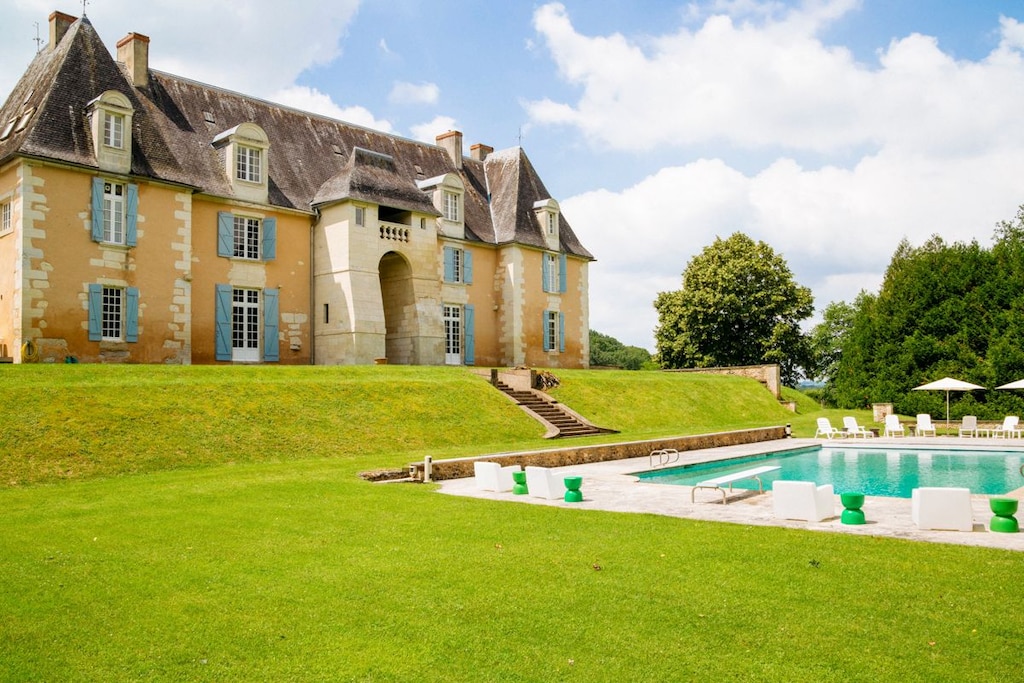


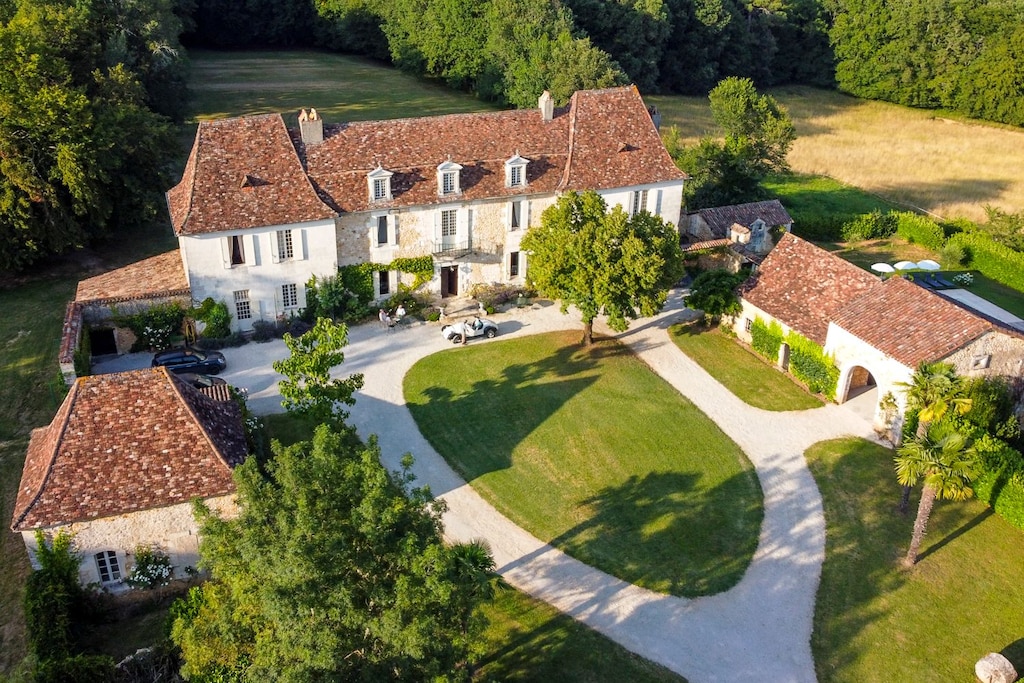


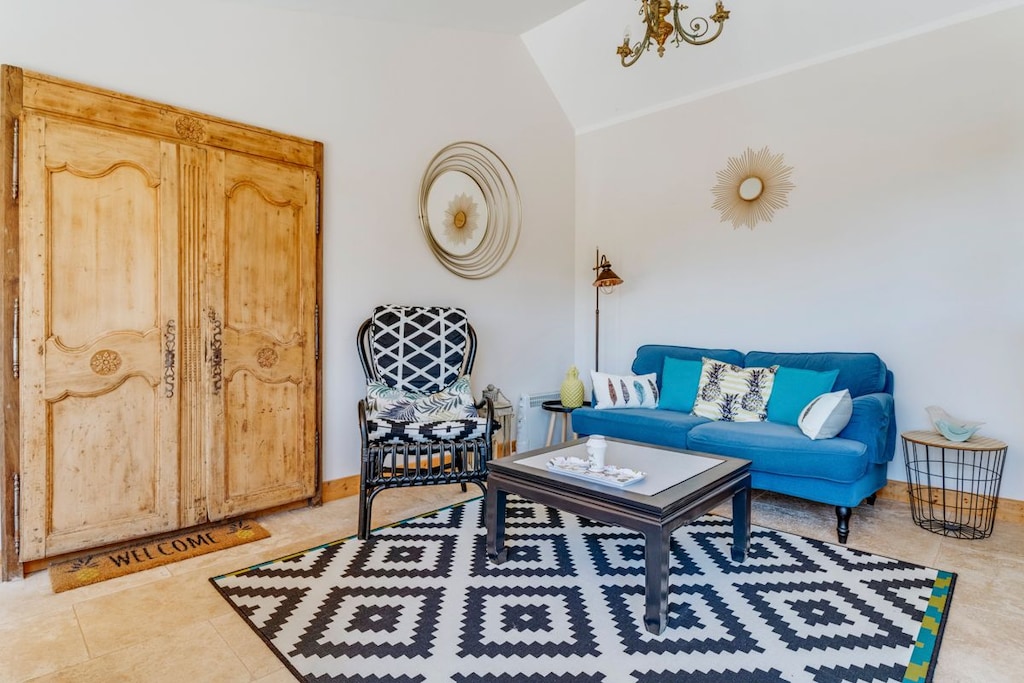


Vacation Rentals in Dordogne by Amenities & Features
Get to Know Dordogne
Dordogne OverviewDordogne, France is a captivating destination, offering a rich blend of history, culture, and natural beauty. It's known for its picturesque landscapes filled with medieval castles, prehistoric cave art replicas, and charming villages.
For history enthusiasts, the region's prehistoric sites are a must-visit. While the original Lascaux Cave is closed to the public to preserve its Paleolithic cave paintings, an exact replica called Lascaux IV was opened in 2016 for visitors to experience. Other notable sites include the National Museum of Prehistory and the prehistoric dwellings at Roque Saint-Christophe.
The region's medieval past is also well-preserved in its numerous castles and fortresses. The Château de Beynac and Château de Castelnaud are among the most impressive ones, offering stunning views over the Dordogne River.
Dordogne is also renowned for its gastronomy. The region is famous for its truffles, foie gras, and wines from Bergerac which produces both red and white wines but it's particularly known for its sweet white Monbazillac wines. Visitors can explore local markets such as those in Sarlat-la-Canéda or partake in a wine tasting tour in one of the many vineyards.
Nature lovers will appreciate Dordogne's diverse landscapes which include not only historical sites but also beautiful countryside vistas, rivers perfect for canoeing along with forests ideal for hiking such as those found in Périgord Limousin Natural Regional Park.
The region's villages are equally enchanting. Places like La Roque-Gageac and Monpazier offer narrow cobblestone streets lined with traditional stone houses along with inviting cafes and shops selling local crafts.
In essence, Dordogne offers a unique blend of historical intrigue, culinary delights, natural beauty and rural charm that caters to all types of travelers. Its rich heritage combined with its tranquil countryside and diverse landscapes make it a destination that's truly worth exploring.
Dordogne, France is a captivating destination, offering a rich blend of history, culture, and natural beauty. It's known for its picturesque landscapes filled with medieval castles, prehistoric cave art replicas, and charming villages. For history enthusiasts, the region's prehistoric sites are a must-visit. While the original Lascaux Cave is closed to the public to preserve its Paleolithic cave paintings, an exact replica called Lascaux IV was opened in 2016 for visitors to experience. Other notable sites include the National Museum of Prehistory and the prehistoric dwellings at Roque Saint-Christophe. The region's medieval past is also well-preserved in its numerous castles and fortresses. The Château de Beynac and Château de Castelnaud are among the most impressive ones, offering stunning views over the Dordogne River. Dordogne is also renowned for its gastronomy. The region is famous for its truffles, foie gras, and wines from Bergerac which produces both red and white wines but it's particularly known for its sweet white Monbazillac wines. Visitors can explore local markets such as those in Sarlat-la-Canéda or partake in a wine tasting tour in one of the many vineyards. Nature lovers will appreciate Dordogne's diverse landscapes which include not only historical sites but also beautiful countryside vistas, rivers perfect for canoeing along with forests ideal for hiking such as those found in Périgord Limousin Natural Regional Park. The region's villages are equally enchanting. Places like La Roque-Gageac and Monpazier offer narrow cobblestone streets lined with traditional stone houses along with inviting cafes and shops selling local crafts. In essence, Dordogne offers a unique blend of historical intrigue, culinary delights, natural beauty and rural charm that caters to all types of travelers. Its rich heritage combined with its tranquil countryside and diverse landscapes make it a destination that's truly worth exploring.
Weather in DordogneIn Dordogne, France, the climate is temperate and experiences four distinct seasons. The summers, which span from June to August, are warm and sunny with average high temperatures typically ranging between 24°C and 28°C (75°F to 82°F). This season is the driest of the year, making it an ideal time for outdoor activities such as hiking and canoeing.
Autumn in Dordogne lasts from September to November. During this period, temperatures cool down to a range of 11°C to 20°C (52°F to 68°F). The region is renowned for its stunning fall foliage during this time. Rainfall starts increasing as early as October but it's generally not excessive.
Winter in Dordogne runs from December through February. It is mild compared to many other parts of Europe. Average high temperatures range from 7°C to 10°C (45°F to 50°F), while lows can often drop into the range of 1°C to 5°C (34°F-41°F). Snowfall is rare but possible.
Springtime in Dordogne spans March through May and it's particularly delightful. Temperatures during this season vary between a wider range of 10°C and 22°C (50°F-72°F) and the landscape bursts into life with blooming flowers.
The most popular weather conditions occur during the summer months when the weather is at its warmest and driest. However, spring also offers pleasant temperatures along with beautiful scenery. Regardless of when you choose to visit Dordogne, you're sure to find its climate agreeable for exploring all that this charming region has on offer.
In Dordogne, France, the climate is temperate and experiences four distinct seasons. The summers, which span from June to August, are warm and sunny with average high temperatures typically ranging between 24°C and 28°C (75°F to 82°F). This season is the driest of the year, making it an ideal time for outdoor activities such as hiking and canoeing. Autumn in Dordogne lasts from September to November. During this period, temperatures cool down to a range of 11°C to 20°C (52°F to 68°F). The region is renowned for its stunning fall foliage during this time. Rainfall starts increasing as early as October but it's generally not excessive. Winter in Dordogne runs from December through February. It is mild compared to many other parts of Europe. Average high temperatures range from 7°C to 10°C (45°F to 50°F), while lows can often drop into the range of 1°C to 5°C (34°F-41°F). Snowfall is rare but possible. Springtime in Dordogne spans March through May and it's particularly delightful. Temperatures during this season vary between a wider range of 10°C and 22°C (50°F-72°F) and the landscape bursts into life with blooming flowers. The most popular weather conditions occur during the summer months when the weather is at its warmest and driest. However, spring also offers pleasant temperatures along with beautiful scenery. Regardless of when you choose to visit Dordogne, you're sure to find its climate agreeable for exploring all that this charming region has on offer.
Cultural Attractions in DordogneDordogne, France is a cultural gem that will captivate any admirer of art, history, and local traditions. This region is famous for its prehistoric cave paintings, medieval castles and villages, and culinary delights.
Start your journey with a trip to the Lascaux Cave, often referred to as the "Sistine Chapel of Prehistory". This UNESCO World Heritage site is home to some of the world's most renowned Paleolithic cave paintings. For an even more in-depth exploration of prehistory, visit the National Museum of Prehistory in Les Eyzies-de-Tayac-Sireuil.
The Dordogne region boasts over 1000 castles and chateaus. The Château de Beynac and Château de Castelnaud stand out for their breathtaking architecture and sweeping views of the Dordogne River. The medieval town of Sarlat-la-Canéda provides a beautifully preserved look into history with its cobblestone streets and Gothic and Renaissance structures.
Art lovers will enjoy a trip to Brantôme, often dubbed as the "Venice of Périgord". Here you can discover art galleries featuring local artists or visit the Benedictine Abbey with its troglodyte caves.
During summer months, Dordogne comes alive with music during numerous music festivals. The Festival du Périgord Noir highlights classical music while Jazz en Périgord celebrates jazz music.
Experience local traditions by visiting one of Dordogne's many markets where you can taste regional specialties such as truffles, foie gras, walnuts, and Bergerac wines. Participating in a cooking class or wine tasting tour could also be an enjoyable way to immerse yourself in local culture.
In summary, Dordogne provides a rich mix of art, history, music, and local traditions making it an ideal destination for those who appreciate culture.
Dordogne, France is a cultural gem that will captivate any admirer of art, history, and local traditions. This region is famous for its prehistoric cave paintings, medieval castles and villages, and culinary delights. Start your journey with a trip to the Lascaux Cave, often referred to as the "Sistine Chapel of Prehistory". This UNESCO World Heritage site is home to some of the world's most renowned Paleolithic cave paintings. For an even more in-depth exploration of prehistory, visit the National Museum of Prehistory in Les Eyzies-de-Tayac-Sireuil. The Dordogne region boasts over 1000 castles and chateaus. The Château de Beynac and Château de Castelnaud stand out for their breathtaking architecture and sweeping views of the Dordogne River. The medieval town of Sarlat-la-Canéda provides a beautifully preserved look into history with its cobblestone streets and Gothic and Renaissance structures. Art lovers will enjoy a trip to Brantôme, often dubbed as the "Venice of Périgord". Here you can discover art galleries featuring local artists or visit the Benedictine Abbey with its troglodyte caves. During summer months, Dordogne comes alive with music during numerous music festivals. The Festival du Périgord Noir highlights classical music while Jazz en Périgord celebrates jazz music. Experience local traditions by visiting one of Dordogne's many markets where you can taste regional specialties such as truffles, foie gras, walnuts, and Bergerac wines. Participating in a cooking class or wine tasting tour could also be an enjoyable way to immerse yourself in local culture. In summary, Dordogne provides a rich mix of art, history, music, and local traditions making it an ideal destination for those who appreciate culture.
Family friendly activities in DordogneDordogne, France, is a destination filled with activities that cater to families and keep children both entertained and educated. The region boasts an array of attractions from prehistoric caves and medieval castles to picturesque landscapes.
One of the must-visit sites in Dordogne is the Lascaux Cave, a UNESCO World Heritage site renowned for its Paleolithic cave paintings. These ancient depictions of animals and humans, dating back over 17,000 years, are sure to captivate children's imaginations.
Medieval history comes alive at Dordogne's numerous castles. The Château de Castelnaud is a favorite among families where children can explore the castle's towers and ramparts, delve into medieval warfare at the castle's museum, and even try archery.
For those seeking outdoor adventure, canoeing down the Dordogne River offers a unique way to appreciate the region's stunning landscapes while engaging in physical activity.
The Prehisto Parc in Les Eyzies-de-Tayac-Sireuil provides another exciting destination for kids. Here they can witness life-size reconstructions of prehistoric scenes offering insights into life during prehistoric times.
Lastly, Le Bournat is not to be missed. This living history museum allows kids to experience rural French life in 1900 through traditional crafts like pottery and bread making, vintage fairground rides, and interactions with farm animals.
In summary, Dordogne presents limitless opportunities for children to immerse themselves in history and nature while enjoying their time.
Dordogne, France, is a destination filled with activities that cater to families and keep children both entertained and educated. The region boasts an array of attractions from prehistoric caves and medieval castles to picturesque landscapes. One of the must-visit sites in Dordogne is the Lascaux Cave, a UNESCO World Heritage site renowned for its Paleolithic cave paintings. These ancient depictions of animals and humans, dating back over 17,000 years, are sure to captivate children's imaginations. Medieval history comes alive at Dordogne's numerous castles. The Château de Castelnaud is a favorite among families where children can explore the castle's towers and ramparts, delve into medieval warfare at the castle's museum, and even try archery. For those seeking outdoor adventure, canoeing down the Dordogne River offers a unique way to appreciate the region's stunning landscapes while engaging in physical activity. The Prehisto Parc in Les Eyzies-de-Tayac-Sireuil provides another exciting destination for kids. Here they can witness life-size reconstructions of prehistoric scenes offering insights into life during prehistoric times. Lastly, Le Bournat is not to be missed. This living history museum allows kids to experience rural French life in 1900 through traditional crafts like pottery and bread making, vintage fairground rides, and interactions with farm animals. In summary, Dordogne presents limitless opportunities for children to immerse themselves in history and nature while enjoying their time.
Outdoor activities in DordogneDordogne, France, is a haven for those who love nature and outdoor activities. The region boasts a diverse landscape of rugged terrain, verdant forests, and scenic rivers.
The Dordogne River is one of the region's main attractions. Visitors can partake in canoeing or kayaking down the river, immersing themselves in the breathtaking surroundings and possibly catching sight of some local wildlife. Walking trails along the riverbank are also available for those who prefer to explore on foot.
Hiking enthusiasts will find plenty to enjoy in the Perigord Noir area with its numerous trails that meander through dense forests and past historical sites. The region also hosts several caves that visitors can explore, including the renowned Lascaux cave which houses prehistoric paintings.
The Jardins de Marqueyssac are an essential visit for anyone who appreciates natural beauty. These meticulously maintained gardens provide stunning views over the Dordogne Valley and are ideal for a leisurely stroll.
The Parc Naturel Régional Périgord Limousin offers opportunities for wildlife viewing and bird watching with its diverse array of species. The park also features walking trails and picnic areas.
Lastly, exploring some of Dordogne's quaint villages is a must-do activity during your visit. While many of these villages are situated amidst beautiful natural landscapes, not all are located in such settings but still offer opportunities for hiking and other outdoor activities.
Dordogne, France, is a haven for those who love nature and outdoor activities. The region boasts a diverse landscape of rugged terrain, verdant forests, and scenic rivers. The Dordogne River is one of the region's main attractions. Visitors can partake in canoeing or kayaking down the river, immersing themselves in the breathtaking surroundings and possibly catching sight of some local wildlife. Walking trails along the riverbank are also available for those who prefer to explore on foot. Hiking enthusiasts will find plenty to enjoy in the Perigord Noir area with its numerous trails that meander through dense forests and past historical sites. The region also hosts several caves that visitors can explore, including the renowned Lascaux cave which houses prehistoric paintings. The Jardins de Marqueyssac are an essential visit for anyone who appreciates natural beauty. These meticulously maintained gardens provide stunning views over the Dordogne Valley and are ideal for a leisurely stroll. The Parc Naturel Régional Périgord Limousin offers opportunities for wildlife viewing and bird watching with its diverse array of species. The park also features walking trails and picnic areas. Lastly, exploring some of Dordogne's quaint villages is a must-do activity during your visit. While many of these villages are situated amidst beautiful natural landscapes, not all are located in such settings but still offer opportunities for hiking and other outdoor activities.
Transportation in DordogneVisitors to Dordogne, France, generally reach their destination by air or train. Bergerac Dordogne Périgord Airport is the nearest airport and provides flights from a number of European cities. Bordeaux-Mérignac Airport is another option, though it's a larger international airport located approximately two hours away by car. For those who favor rail travel, the SNCF runs trains to this region from various locations in France.
Upon arrival in Dordogne, navigating the area can be somewhat tricky due to its rural characteristics. The most typical and convenient method of exploration is car rental since public transportation options are scarce and attractions are widely dispersed. Local bus services do exist but they aren't as regular or comprehensive as those found in larger cities.
Cycling enthusiasts will find Dordogne appealing as there are many bike rental companies offering bicycles suitable for all ages and skill levels. The region boasts an extensive array of cycling routes that guide you through its stunning landscapes.
Walkability largely hinges on your specific location within Dordogne. Many of the smaller towns and villages are quite walkable with attractions, eateries, and stores closely grouped together. However, due to the rural nature of the region and the distance between towns, some mode of transportation will be necessary to fully experience all that Dordogne has to offer.
To sum up, although navigating around Dordogne may necessitate more planning compared to city destinations due to its rural environment and limited public transport options, it presents a unique chance for exploration at your own pace either by car or bicycle.
Visitors to Dordogne, France, generally reach their destination by air or train. Bergerac Dordogne Périgord Airport is the nearest airport and provides flights from a number of European cities. Bordeaux-Mérignac Airport is another option, though it's a larger international airport located approximately two hours away by car. For those who favor rail travel, the SNCF runs trains to this region from various locations in France. Upon arrival in Dordogne, navigating the area can be somewhat tricky due to its rural characteristics. The most typical and convenient method of exploration is car rental since public transportation options are scarce and attractions are widely dispersed. Local bus services do exist but they aren't as regular or comprehensive as those found in larger cities. Cycling enthusiasts will find Dordogne appealing as there are many bike rental companies offering bicycles suitable for all ages and skill levels. The region boasts an extensive array of cycling routes that guide you through its stunning landscapes. Walkability largely hinges on your specific location within Dordogne. Many of the smaller towns and villages are quite walkable with attractions, eateries, and stores closely grouped together. However, due to the rural nature of the region and the distance between towns, some mode of transportation will be necessary to fully experience all that Dordogne has to offer. To sum up, although navigating around Dordogne may necessitate more planning compared to city destinations due to its rural environment and limited public transport options, it presents a unique chance for exploration at your own pace either by car or bicycle.
Dordogne FAQs
What is there to do in the Dordogne region of France?The Dordogne region, known for its stunning landscapes and rich history, offers a variety of activities. Visitors can explore the prehistoric Lascaux caves, visit medieval castles like Château de Beynac, enjoy the picturesque villages of Sarlat and Rocamadour, canoe or kayak along the Dordogne River, savor the local cuisine featuring truffles and foie gras, and wander through beautiful gardens such as the Jardins de Marqueyssac.
The Dordogne region, known for its stunning landscapes and rich history, offers a variety of activities. Visitors can explore the prehistoric Lascaux caves, visit medieval castles like Château de Beynac, enjoy the picturesque villages of Sarlat and Rocamadour, canoe or kayak along the Dordogne River, savor the local cuisine featuring truffles and foie gras, and wander through beautiful gardens such as the Jardins de Marqueyssac.
When is the best time to visit the Dordogne?The best time to visit the Dordogne is from May to October when the weather is warm and pleasant. July and August are the peak tourist months, so if you prefer fewer crowds, consider visiting in May, June, September, or October.
The best time to visit the Dordogne is from May to October when the weather is warm and pleasant. July and August are the peak tourist months, so if you prefer fewer crowds, consider visiting in May, June, September, or October.
How do I get around the Dordogne region?The most convenient way to explore the Dordogne is by car, as public transportation is limited. Renting a car gives you the flexibility to visit remote villages and attractions at your own pace. There are also organized tours and bike rentals available for those who prefer not to drive.
The most convenient way to explore the Dordogne is by car, as public transportation is limited. Renting a car gives you the flexibility to visit remote villages and attractions at your own pace. There are also organized tours and bike rentals available for those who prefer not to drive.
What are some must-try foods in the Dordogne?The Dordogne is famous for its gastronomy. Be sure to try the region's specialties such as foie gras, truffles, walnuts, duck confit, and the local goat cheeses. Don't miss the chance to visit a local market to sample and purchase fresh regional products.
The Dordogne is famous for its gastronomy. Be sure to try the region's specialties such as foie gras, truffles, walnuts, duck confit, and the local goat cheeses. Don't miss the chance to visit a local market to sample and purchase fresh regional products.
Are there any UNESCO World Heritage sites in the Dordogne?Yes, the Dordogne has several UNESCO World Heritage sites, including the prehistoric cave paintings at Lascaux in the Vézère Valley, which are part of the 'Prehistoric Sites and Decorated Caves of the Vézère Valley' listing.
Yes, the Dordogne has several UNESCO World Heritage sites, including the prehistoric cave paintings at Lascaux in the Vézère Valley, which are part of the 'Prehistoric Sites and Decorated Caves of the Vézère Valley' listing.
Can I participate in any outdoor activities in the Dordogne?Absolutely! The Dordogne offers a wide range of outdoor activities such as hiking, horseback riding, hot-air ballooning, golfing, and especially canoeing or kayaking along the Dordogne River, which provides a unique perspective of the region's castles and cliffs.
Absolutely! The Dordogne offers a wide range of outdoor activities such as hiking, horseback riding, hot-air ballooning, golfing, and especially canoeing or kayaking along the Dordogne River, which provides a unique perspective of the region's castles and cliffs.
What are some family-friendly activities in the Dordogne?Families will enjoy visiting the replica of the Lascaux caves, exploring the many castles like Castelnaud-la-Chapelle, which has a museum of medieval warfare, and spending time at the Aquarium du Périgord Noir. Adventure parks, such as the Parc Le Bournat, offer a glimpse into 19th-century life alongside fun rides and attractions.
Families will enjoy visiting the replica of the Lascaux caves, exploring the many castles like Castelnaud-la-Chapelle, which has a museum of medieval warfare, and spending time at the Aquarium du Périgord Noir. Adventure parks, such as the Parc Le Bournat, offer a glimpse into 19th-century life alongside fun rides and attractions.
More space, more privacy, more points with every home rental.
What makes Homes & Villas by Marriott Bonvoy a unique home rental experience? Unlike other home rental sites like AirBNB, when you book a vacation rental with Homes & Villas by Marriott Bonvoy you always have the whole place to yourself. Plus, as a member of Marriott Bonvoy, you can earn points towards free nights with every stay.