Armenia Vacation Rentals
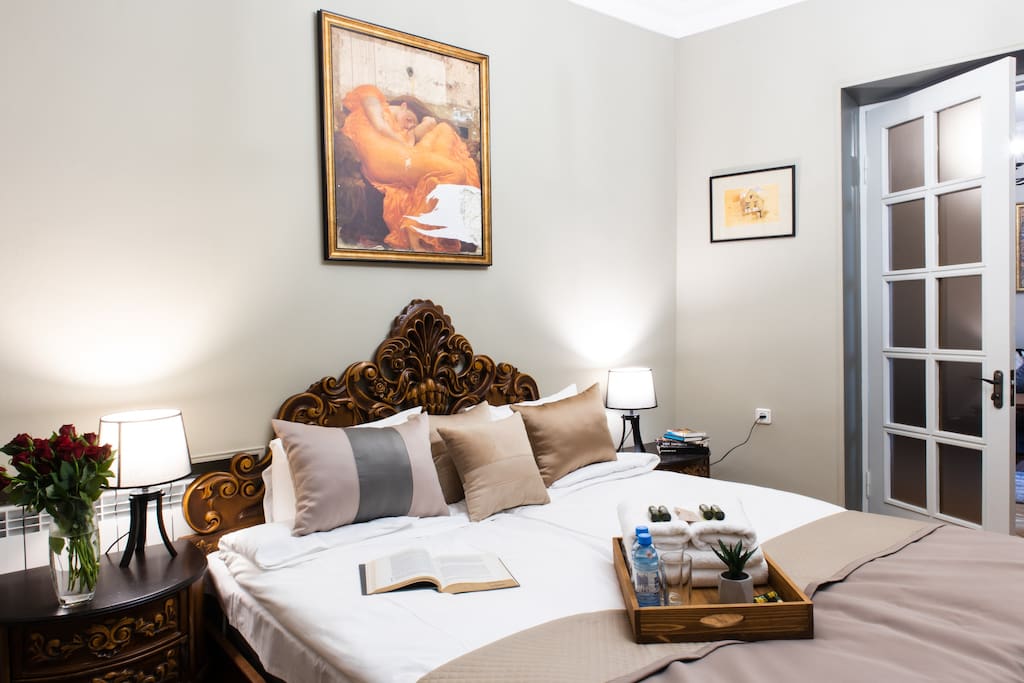
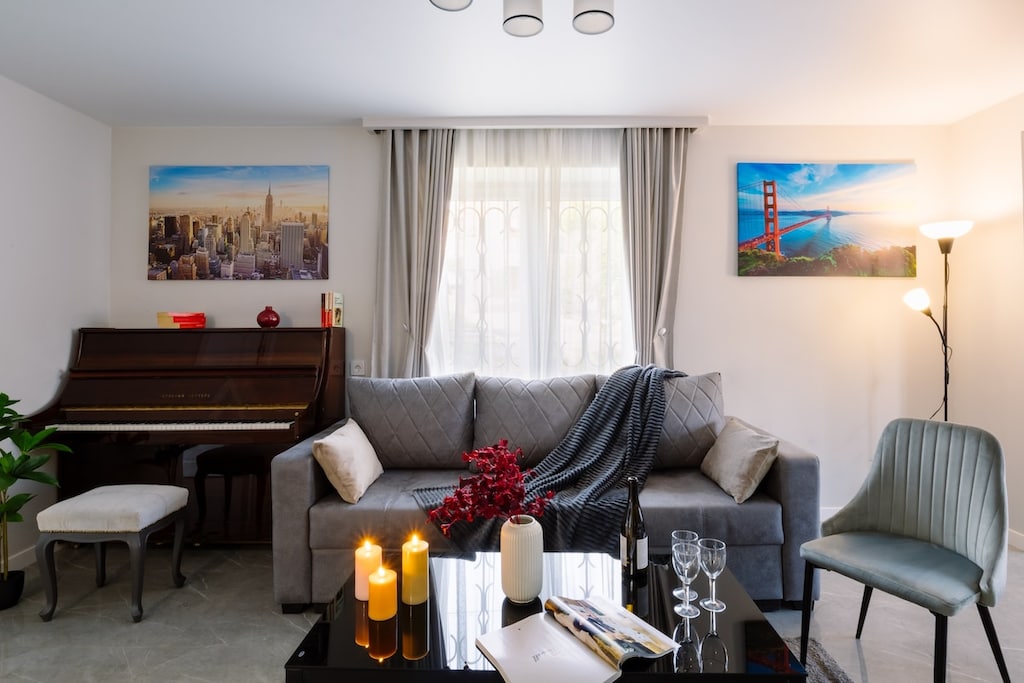
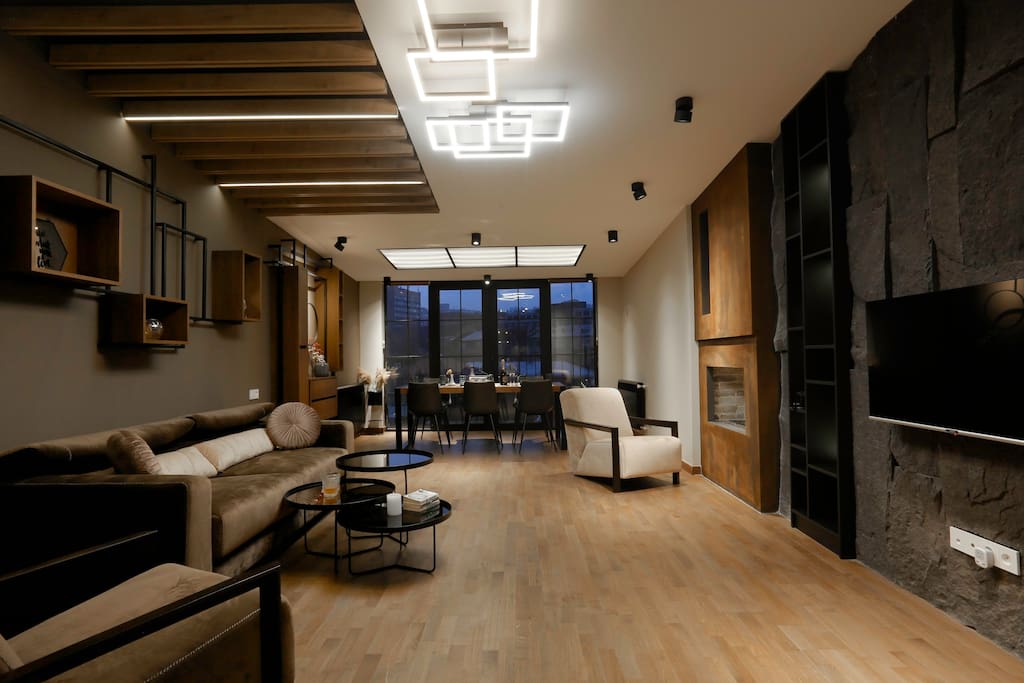
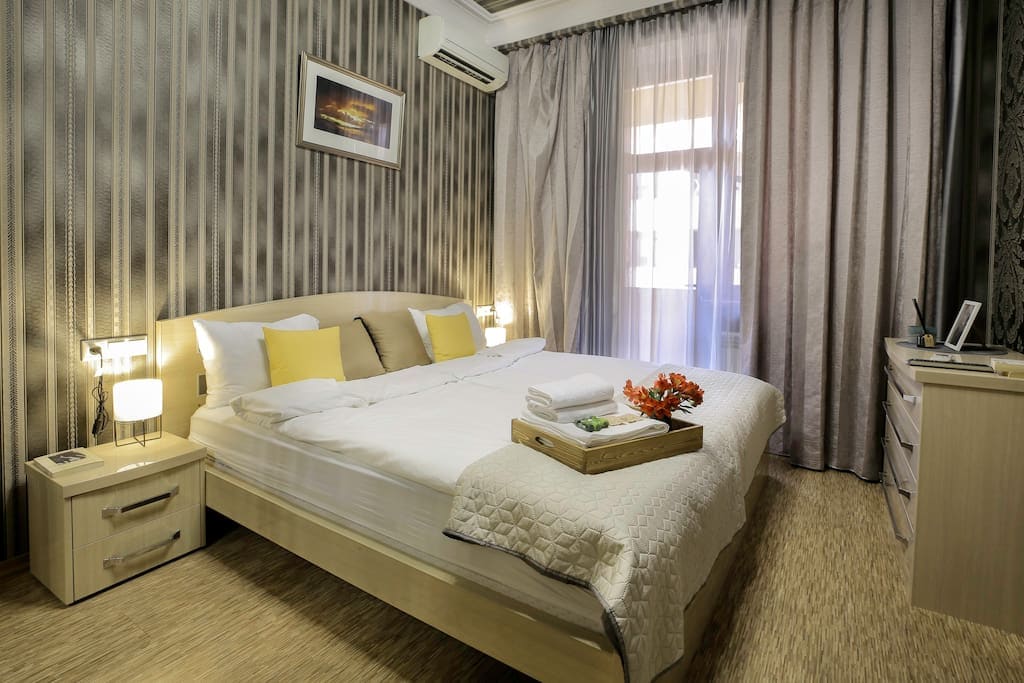
Explore 61 vacation rentals, homes, and villas in Armenia for your next getaway or business trip. From relaxing escapes to city stays, discover a wide range of curated homes from $53 offering more space, comfort, and privacy than a traditional hotel, with premium amenities like private pools, full kitchens, spacious outdoor areas, and multi-bedroom layouts. Every home is professionally managed with 24/7 local support, premium linens, and high-speed Wi-Fi. Plus, Marriott Bonvoy members can earn and redeem points on every stay.
61 Vacation Rentals in Armenia
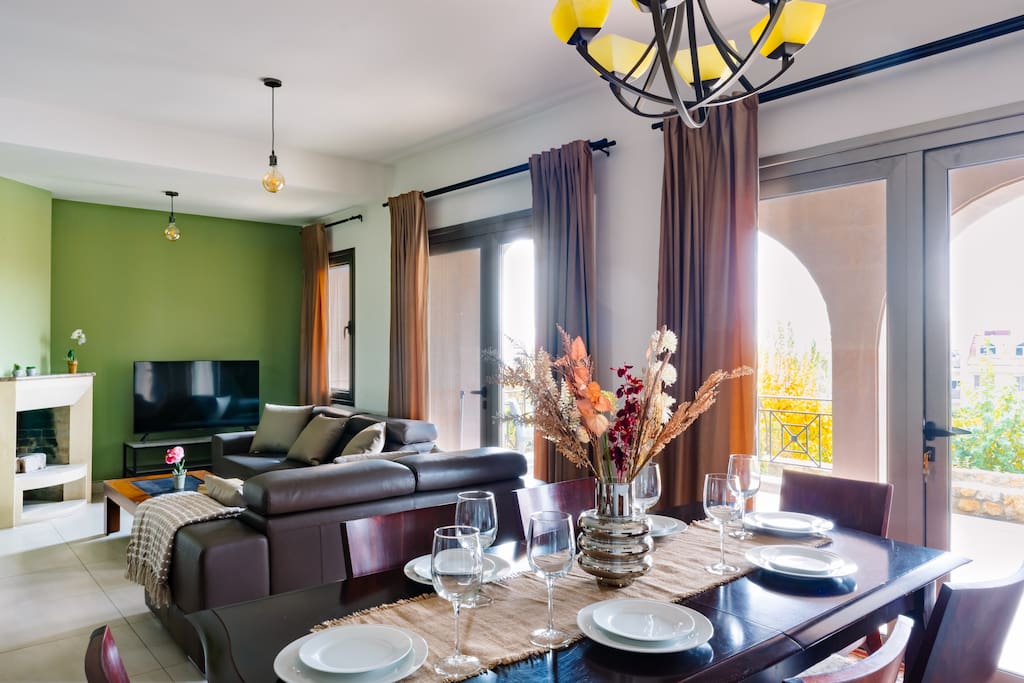


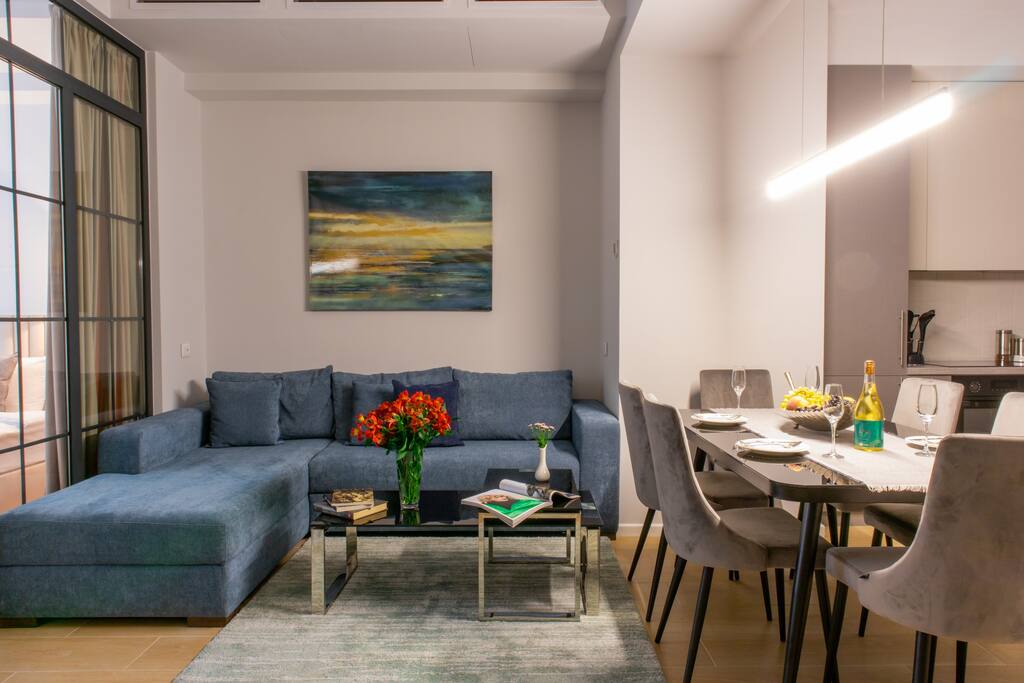
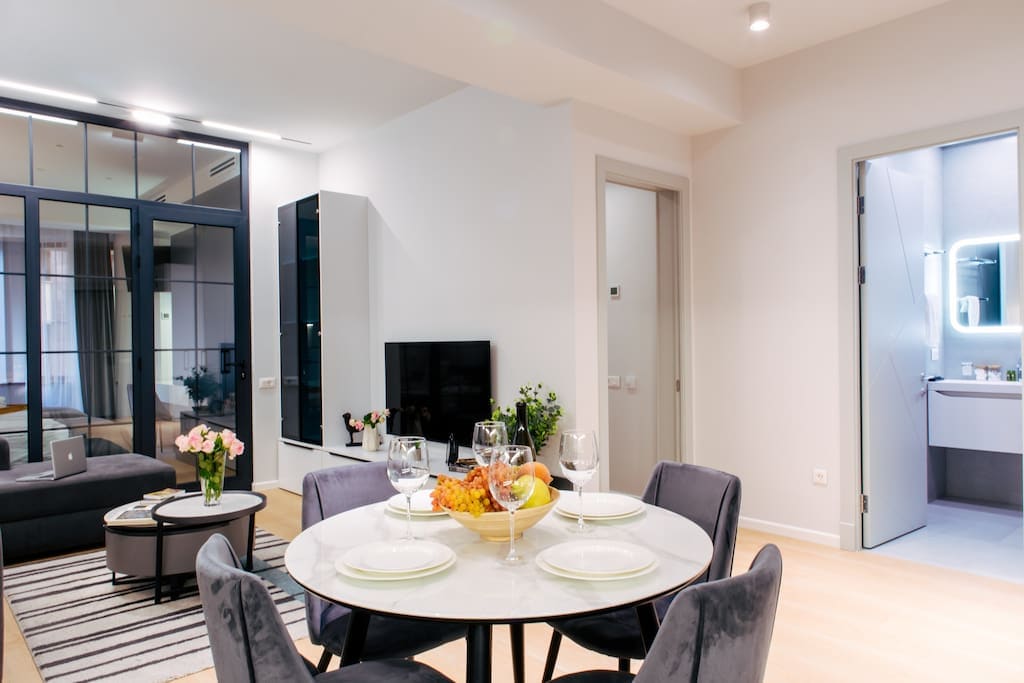

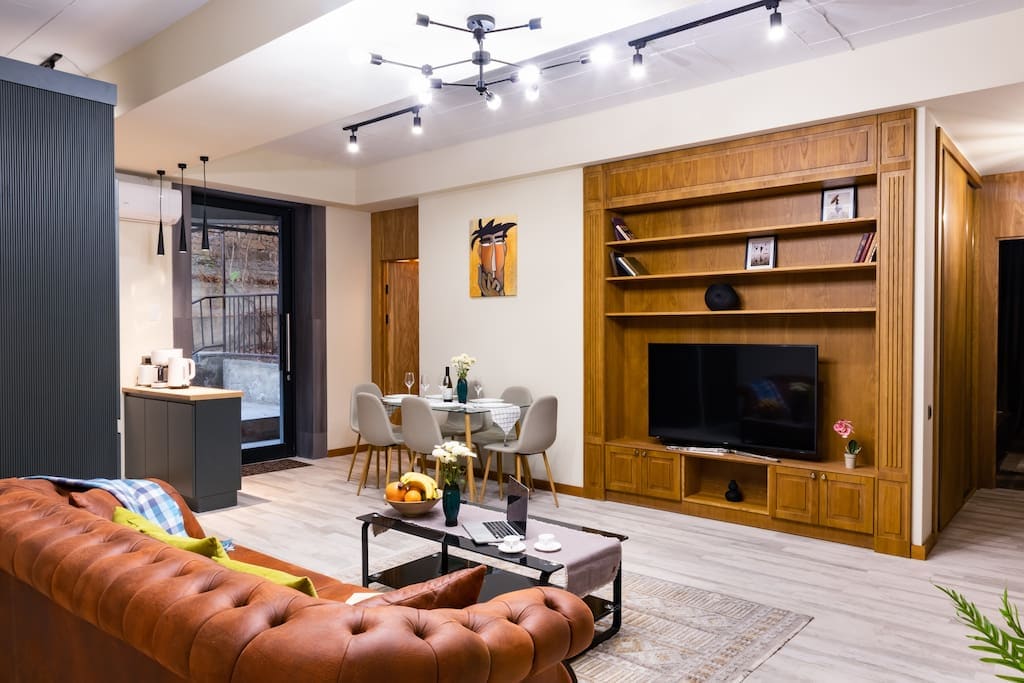





Vacation Rentals in Armenia by Amenities & Features
Get to Know Armenia
Armenia OverviewArmenia, a landlocked country with a history that stretches back millennia, is a destination that offers an enchanting mix of ancient culture, dramatic landscapes, and warm hospitality. As one of the world's oldest civilizations, Armenia's rich heritage is evident in its myriad of historical sites, monasteries, and churches, many of which are set against the backdrop of the country's rugged natural beauty.
Travelers to Armenia are often drawn to its religious history, most notably the Etchmiadzin Cathedral, considered the oldest cathedral in the world and the spiritual center of the Armenian Apostolic Church. The country's religious architecture reaches its zenith at the UNESCO World Heritage-listed monasteries of Geghard and Haghpat, where intricate stone carvings and serene settings inspire awe.
The capital city, Yerevan, is a vibrant hub with a burgeoning arts scene, cosmopolitan cafes, and a rich tapestry of Soviet-era and contemporary architecture. The city's heart is Republic Square, where musical fountains offer a nightly spectacle. The Cascade, a massive stairway with fountains and sculptures, provides panoramic views of the city and the majestic Mount Ararat in the distance.
Armenia's natural wonders are equally compelling. Lake Sevan, one of the largest high-altitude lakes in the world, is a popular spot for swimming, sailing, and enjoying fresh fish by the shore. The dramatic cliffs and valleys of the Azat River Gorge, home to the Geghard Monastery, offer opportunities for hiking and exploration.
For those interested in the country's past, the Armenian Genocide Memorial and Museum in Yerevan is a poignant place to learn about the tragic events of the early 20th century. Meanwhile, the ancient observatory of Zorats Karer, often referred to as the Armenian Stonehenge, provides a mysterious glimpse into the region's prehistoric culture.
Armenian cuisine, with its flavorsome grilled meats, fresh vegetables, and an abundance of herbs, is a delight for foodies. The country is also one of the oldest wine-producing regions in the world, and a visit to a local winery to sample Armenian wine is a must.
In essence, Armenia is a country where ancient traditions and modernity converge amidst stunning landscapes and a rich cultural legacy. It's a destination that offers a profound journey through history, spirituality, and natural beauty, appealing to travelers seeking depth and authenticity in their adventures.
Armenia, a landlocked country with a history that stretches back millennia, is a destination that offers an enchanting mix of ancient culture, dramatic landscapes, and warm hospitality. As one of the world's oldest civilizations, Armenia's rich heritage is evident in its myriad of historical sites, monasteries, and churches, many of which are set against the backdrop of the country's rugged natural beauty. Travelers to Armenia are often drawn to its religious history, most notably the Etchmiadzin Cathedral, considered the oldest cathedral in the world and the spiritual center of the Armenian Apostolic Church. The country's religious architecture reaches its zenith at the UNESCO World Heritage-listed monasteries of Geghard and Haghpat, where intricate stone carvings and serene settings inspire awe. The capital city, Yerevan, is a vibrant hub with a burgeoning arts scene, cosmopolitan cafes, and a rich tapestry of Soviet-era and contemporary architecture. The city's heart is Republic Square, where musical fountains offer a nightly spectacle. The Cascade, a massive stairway with fountains and sculptures, provides panoramic views of the city and the majestic Mount Ararat in the distance. Armenia's natural wonders are equally compelling. Lake Sevan, one of the largest high-altitude lakes in the world, is a popular spot for swimming, sailing, and enjoying fresh fish by the shore. The dramatic cliffs and valleys of the Azat River Gorge, home to the Geghard Monastery, offer opportunities for hiking and exploration. For those interested in the country's past, the Armenian Genocide Memorial and Museum in Yerevan is a poignant place to learn about the tragic events of the early 20th century. Meanwhile, the ancient observatory of Zorats Karer, often referred to as the Armenian Stonehenge, provides a mysterious glimpse into the region's prehistoric culture. Armenian cuisine, with its flavorsome grilled meats, fresh vegetables, and an abundance of herbs, is a delight for foodies. The country is also one of the oldest wine-producing regions in the world, and a visit to a local winery to sample Armenian wine is a must. In essence, Armenia is a country where ancient traditions and modernity converge amidst stunning landscapes and a rich cultural legacy. It's a destination that offers a profound journey through history, spirituality, and natural beauty, appealing to travelers seeking depth and authenticity in their adventures.
Weather in ArmeniaArmenia, a landlocked country with a highland continental climate, experiences distinct seasons with variations in temperature, humidity, and precipitation throughout the year. The weather can differ significantly depending on the region and altitude, as Armenia is a mountainous country.
Winter, from December to February, is cold, especially in the highlands and mountainous areas where temperatures can drop well below freezing, and snowfall is common. In the capital, Yerevan, temperatures range from -7°C to 1°C on average. This season is ideal for those interested in winter sports, particularly in the ski resort town of Tsaghkadzor.
Spring, from March to May, brings a gradual warming with temperatures in Yerevan ranging from 5°C to 20°C. This season is characterized by moderate precipitation and is a beautiful time to visit as the countryside blooms with flowers and greenery. The weather is generally pleasant, with lower humidity levels, making it a popular time for cultural and historical exploration.
Summer, from June to August, is hot and dry, with temperatures in Yerevan often soaring above 30°C. The low humidity during this period makes the heat more bearable, and evenings can be cooler, especially in the higher altitudes. This is the peak season for tourists, with long, sunny days perfect for enjoying Armenia's outdoor cafes, festivals, and the stunning landscapes of places like Lake Sevan.
Autumn, from September to November, sees a decrease in temperatures, ranging from 10°C to 25°C in Yerevan. This season is particularly pleasant, with the heat of summer subsiding and the humidity remaining low. The countryside is awash with the golden hues of fall foliage, and the harvest season brings an abundance of fresh fruits and vegetables to local markets.
The most popular weather conditions are prevalent in late spring and early autumn when the temperatures are moderate, and the scenery is at its most picturesque. These periods offer the best balance for sightseeing, outdoor activities, and experiencing the rich cultural heritage of Armenia without the extremes of the summer heat or winter cold. For those seeking comfortable weather and fewer tourists, May and September are often considered the ideal months to visit.
Armenia, a landlocked country with a highland continental climate, experiences distinct seasons with variations in temperature, humidity, and precipitation throughout the year. The weather can differ significantly depending on the region and altitude, as Armenia is a mountainous country. Winter, from December to February, is cold, especially in the highlands and mountainous areas where temperatures can drop well below freezing, and snowfall is common. In the capital, Yerevan, temperatures range from -7°C to 1°C on average. This season is ideal for those interested in winter sports, particularly in the ski resort town of Tsaghkadzor. Spring, from March to May, brings a gradual warming with temperatures in Yerevan ranging from 5°C to 20°C. This season is characterized by moderate precipitation and is a beautiful time to visit as the countryside blooms with flowers and greenery. The weather is generally pleasant, with lower humidity levels, making it a popular time for cultural and historical exploration. Summer, from June to August, is hot and dry, with temperatures in Yerevan often soaring above 30°C. The low humidity during this period makes the heat more bearable, and evenings can be cooler, especially in the higher altitudes. This is the peak season for tourists, with long, sunny days perfect for enjoying Armenia's outdoor cafes, festivals, and the stunning landscapes of places like Lake Sevan. Autumn, from September to November, sees a decrease in temperatures, ranging from 10°C to 25°C in Yerevan. This season is particularly pleasant, with the heat of summer subsiding and the humidity remaining low. The countryside is awash with the golden hues of fall foliage, and the harvest season brings an abundance of fresh fruits and vegetables to local markets. The most popular weather conditions are prevalent in late spring and early autumn when the temperatures are moderate, and the scenery is at its most picturesque. These periods offer the best balance for sightseeing, outdoor activities, and experiencing the rich cultural heritage of Armenia without the extremes of the summer heat or winter cold. For those seeking comfortable weather and fewer tourists, May and September are often considered the ideal months to visit.
Cultural Attractions in ArmeniaArmenia, a landlocked country with a history that stretches back millennia, is a cultural haven for those who revel in the arts, history, and local customs. Its capital, Yerevan, often referred to as the "Pink City" due to the color of its stone architecture, is a vibrant urban center where ancient traditions meet modern creativity.
Begin your cultural exploration at the heart of Yerevan, the Republic Square, where you can witness the grandeur of Armenian architecture and enjoy the musical water fountains in the evenings. The History Museum of Armenia, located here, offers a profound insight into the country's rich past, with artifacts dating back to the Bronze Age.
Art enthusiasts will find solace in the National Gallery of Armenia, which boasts an extensive collection of Armenian art, as well as pieces from Europe and Russia. For contemporary art, the Cafesjian Center for the Arts, situated within the Cascade complex, showcases modern sculptures and artworks, both in its interior halls and in the surrounding gardens.
The Matenadaran, a repository of ancient manuscripts, is a unique institution that not only preserves texts dating back centuries but also serves as a research center for the study of the Armenian language and literature. Here, you can marvel at beautifully illuminated manuscripts and delve into the depths of Armenian scholarly tradition.
Live music is an integral part of Armenian culture, and the Yerevan Opera Theatre is the pinnacle of this tradition. Enjoy world-class opera and ballet performances in this architectural masterpiece. For a more local musical experience, visit the clubs and bars of Yerevan, where you can listen to live performances of traditional Armenian music, jazz, and contemporary genres.
Armenia's cultural richness extends beyond Yerevan. The medieval monasteries of Geghard and Khor Virap, set against the stunning backdrop of the Armenian landscape, are not only architectural marvels but also offer a serene glimpse into the spiritual history of the country.
Local customs are best experienced during festivals such as Vardavar, when the entire country partakes in water-throwing festivities, or the Areni Wine Festival, which celebrates the country's ancient winemaking traditions. The Gutan Folk Song and Dance Festival showcases the vibrant folk culture of Armenia, with performances that bring to life the country's musical and dance heritage.
In Armenia, every visit is an opportunity to immerse oneself in a culture that has been shaped by centuries of history, art, and tradition. It's a destination that invites you to engage with its past, celebrate its present, and discover the enduring spirit of its people.
Armenia, a landlocked country with a history that stretches back millennia, is a cultural haven for those who revel in the arts, history, and local customs. Its capital, Yerevan, often referred to as the "Pink City" due to the color of its stone architecture, is a vibrant urban center where ancient traditions meet modern creativity. Begin your cultural exploration at the heart of Yerevan, the Republic Square, where you can witness the grandeur of Armenian architecture and enjoy the musical water fountains in the evenings. The History Museum of Armenia, located here, offers a profound insight into the country's rich past, with artifacts dating back to the Bronze Age. Art enthusiasts will find solace in the National Gallery of Armenia, which boasts an extensive collection of Armenian art, as well as pieces from Europe and Russia. For contemporary art, the Cafesjian Center for the Arts, situated within the Cascade complex, showcases modern sculptures and artworks, both in its interior halls and in the surrounding gardens. The Matenadaran, a repository of ancient manuscripts, is a unique institution that not only preserves texts dating back centuries but also serves as a research center for the study of the Armenian language and literature. Here, you can marvel at beautifully illuminated manuscripts and delve into the depths of Armenian scholarly tradition. Live music is an integral part of Armenian culture, and the Yerevan Opera Theatre is the pinnacle of this tradition. Enjoy world-class opera and ballet performances in this architectural masterpiece. For a more local musical experience, visit the clubs and bars of Yerevan, where you can listen to live performances of traditional Armenian music, jazz, and contemporary genres. Armenia's cultural richness extends beyond Yerevan. The medieval monasteries of Geghard and Khor Virap, set against the stunning backdrop of the Armenian landscape, are not only architectural marvels but also offer a serene glimpse into the spiritual history of the country. Local customs are best experienced during festivals such as Vardavar, when the entire country partakes in water-throwing festivities, or the Areni Wine Festival, which celebrates the country's ancient winemaking traditions. The Gutan Folk Song and Dance Festival showcases the vibrant folk culture of Armenia, with performances that bring to life the country's musical and dance heritage. In Armenia, every visit is an opportunity to immerse oneself in a culture that has been shaped by centuries of history, art, and tradition. It's a destination that invites you to engage with its past, celebrate its present, and discover the enduring spirit of its people.
Family friendly activities in ArmeniaArmenia, with its rich history and stunning landscapes, offers a variety of experiences that will captivate children and provide educational fun for the whole family.
Begin your adventure at the Yerevan Zoo, where kids can see a range of animals and learn about wildlife conservation. The zoo is home to over 200 species and provides a pleasant environment for a family day out.
For a hands-on educational experience, visit the Tumo Center for Creative Technologies in Yerevan. This innovative hub offers workshops and activities in technology, animation, and design that can inspire children and teenagers alike.
Take a trip back in time at the Erebuni Fortress, an ancient Urartian fortified city in Yerevan. The on-site museum showcases artifacts and offers interactive displays that bring the history of the region to life, making it an engaging experience for young history buffs.
For outdoor enthusiasts, the Tsaghkadzor Ropeway provides a scenic ride up the slopes of Mount Teghenis. In winter, the area becomes a ski resort, while in summer, it's perfect for hiking and enjoying the fresh mountain air. The ropeway ride itself is an adventure that kids are sure to enjoy.
Lake Sevan, one of the largest freshwater high-altitude lakes in the world, is a must-visit. Families can enjoy swimming, boating, and picnicking along its shores. The lake also has several playgrounds and recreational areas where children can play and explore.
The Garni Gorge, with its symphony of stones, offers a unique natural wonder that will intrigue children. The gorge features well-preserved basalt columns, created by volcanic eruptions long ago, which resemble a giant organ.
For a taste of local culture, the Vernissage flea market in Yerevan is a colorful and vibrant place where kids can see traditional Armenian crafts, from intricate carpets to handmade toys.
Lastly, the Puppet Theatre in Yerevan puts on enchanting shows that will delight younger children. The artistry and storytelling are a wonderful introduction to the performing arts in a setting that's both accessible and entertaining.
Armenia's blend of cultural heritage, natural beauty, and modern attractions makes it an excellent destination for families traveling with children. There's something to spark the imagination and curiosity of every young traveler.
Armenia, with its rich history and stunning landscapes, offers a variety of experiences that will captivate children and provide educational fun for the whole family. Begin your adventure at the Yerevan Zoo, where kids can see a range of animals and learn about wildlife conservation. The zoo is home to over 200 species and provides a pleasant environment for a family day out. For a hands-on educational experience, visit the Tumo Center for Creative Technologies in Yerevan. This innovative hub offers workshops and activities in technology, animation, and design that can inspire children and teenagers alike. Take a trip back in time at the Erebuni Fortress, an ancient Urartian fortified city in Yerevan. The on-site museum showcases artifacts and offers interactive displays that bring the history of the region to life, making it an engaging experience for young history buffs. For outdoor enthusiasts, the Tsaghkadzor Ropeway provides a scenic ride up the slopes of Mount Teghenis. In winter, the area becomes a ski resort, while in summer, it's perfect for hiking and enjoying the fresh mountain air. The ropeway ride itself is an adventure that kids are sure to enjoy. Lake Sevan, one of the largest freshwater high-altitude lakes in the world, is a must-visit. Families can enjoy swimming, boating, and picnicking along its shores. The lake also has several playgrounds and recreational areas where children can play and explore. The Garni Gorge, with its symphony of stones, offers a unique natural wonder that will intrigue children. The gorge features well-preserved basalt columns, created by volcanic eruptions long ago, which resemble a giant organ. For a taste of local culture, the Vernissage flea market in Yerevan is a colorful and vibrant place where kids can see traditional Armenian crafts, from intricate carpets to handmade toys. Lastly, the Puppet Theatre in Yerevan puts on enchanting shows that will delight younger children. The artistry and storytelling are a wonderful introduction to the performing arts in a setting that's both accessible and entertaining. Armenia's blend of cultural heritage, natural beauty, and modern attractions makes it an excellent destination for families traveling with children. There's something to spark the imagination and curiosity of every young traveler.
Outdoor activities in ArmeniaArmenia, a landlocked country with a rich history and stunning landscapes, is a paradise for outdoor enthusiasts and nature lovers. The country's dramatic terrain, from high mountain peaks to deep gorges, offers a variety of natural wonders and activities that cater to all levels of adventure seekers.
One of Armenia's most iconic natural wonders is Mount Ararat, the national symbol of the country, which dominates the skyline with its snow-capped peak. Although the mountain is now located in Turkey, the best views of Ararat are from the Armenian side, particularly from Khor Virap Monastery. While you can't climb Ararat from Armenia, the country offers plenty of other hiking opportunities.
For a true Armenian hiking experience, the Transcaucasian Trail is a developing long-distance trail that will eventually traverse the Lesser Caucasus, providing an immersive experience into the country's diverse landscapes and cultural heritage. Sections of the trail are already open for hikers to explore the lush forests, alpine meadows, and remote villages.
Lake Sevan, one of the largest high-altitude freshwater lakes in the world, is another natural wonder of Armenia. It's a popular spot for swimming, windsurfing, sailing, and sunbathing on its beaches during the summer months. The surrounding Sevan National Park also offers hiking trails and the chance to see medieval monasteries, such as the Sevanavank Monastery, perched on a peninsula with panoramic views of the lake.
The Dilijan National Park, often referred to as the "Switzerland of Armenia," is a forested haven with mineral water springs, rich biodiversity, and a network of trails for hiking and mountain biking. The park is also home to cultural sites, including the Haghartsin and Goshavank monasteries.
For those interested in rock climbing and spelunking, the cliffs and caves of the Syunik region offer thrilling adventures. The Vorotan Canyon, with its sheer rock faces and deep gorges, is particularly popular among climbers.
Lastly, the Debed Canyon in the Lori region is a treasure trove of natural beauty and ancient monasteries. Hiking along the canyon's trails, visitors can explore the UNESCO-listed monasteries of Haghpat and Sanahin, which stand as testaments to Armenia's rich cultural history amidst the backdrop of rugged landscapes.
Armenia's natural wonders are complemented by its four distinct seasons, each offering unique opportunities for outdoor activities, from skiing in the winter at Tsaghkadzor to paragliding over the valleys in the summer. With its combination of natural beauty and cultural richness, Armenia is a destination that promises to connect travelers with nature in profound and memorable ways.
Armenia, a landlocked country with a rich history and stunning landscapes, is a paradise for outdoor enthusiasts and nature lovers. The country's dramatic terrain, from high mountain peaks to deep gorges, offers a variety of natural wonders and activities that cater to all levels of adventure seekers. One of Armenia's most iconic natural wonders is Mount Ararat, the national symbol of the country, which dominates the skyline with its snow-capped peak. Although the mountain is now located in Turkey, the best views of Ararat are from the Armenian side, particularly from Khor Virap Monastery. While you can't climb Ararat from Armenia, the country offers plenty of other hiking opportunities. For a true Armenian hiking experience, the Transcaucasian Trail is a developing long-distance trail that will eventually traverse the Lesser Caucasus, providing an immersive experience into the country's diverse landscapes and cultural heritage. Sections of the trail are already open for hikers to explore the lush forests, alpine meadows, and remote villages. Lake Sevan, one of the largest high-altitude freshwater lakes in the world, is another natural wonder of Armenia. It's a popular spot for swimming, windsurfing, sailing, and sunbathing on its beaches during the summer months. The surrounding Sevan National Park also offers hiking trails and the chance to see medieval monasteries, such as the Sevanavank Monastery, perched on a peninsula with panoramic views of the lake. The Dilijan National Park, often referred to as the "Switzerland of Armenia," is a forested haven with mineral water springs, rich biodiversity, and a network of trails for hiking and mountain biking. The park is also home to cultural sites, including the Haghartsin and Goshavank monasteries. For those interested in rock climbing and spelunking, the cliffs and caves of the Syunik region offer thrilling adventures. The Vorotan Canyon, with its sheer rock faces and deep gorges, is particularly popular among climbers. Lastly, the Debed Canyon in the Lori region is a treasure trove of natural beauty and ancient monasteries. Hiking along the canyon's trails, visitors can explore the UNESCO-listed monasteries of Haghpat and Sanahin, which stand as testaments to Armenia's rich cultural history amidst the backdrop of rugged landscapes. Armenia's natural wonders are complemented by its four distinct seasons, each offering unique opportunities for outdoor activities, from skiing in the winter at Tsaghkadzor to paragliding over the valleys in the summer. With its combination of natural beauty and cultural richness, Armenia is a destination that promises to connect travelers with nature in profound and memorable ways.
Transportation in ArmeniaArmenia, a land of ancient history and natural beauty, offers a variety of transportation options for travelers seeking to explore its rich cultural heritage and stunning landscapes. Most international visitors arrive via Zvartnots International Airport, located near the capital city of Yerevan. From there, taxis and shuttle services are available to transport you to the city center or other destinations within Armenia.
For those who prefer overland travel, Armenia is accessible by international bus services from neighboring countries such as Georgia and Iran. Additionally, the country has a railway system, albeit limited, that connects Yerevan with Gyumri, Armenia's second-largest city, and with Tbilisi in Georgia.
Once in Armenia, the most common way to travel around is by car. Car rentals are available, and many visitors opt for hiring a car with a driver, which can be an affordable and convenient way to explore the country's diverse regions. For those on a budget, the network of minibuses, known locally as marshrutkas, provides an extensive and inexpensive way to travel between cities and towns, though they can be less comfortable and have less predictable schedules.
In Yerevan, the capital city, there is a metro system that is useful for getting around the central areas. Buses and trolleybuses also operate within the city, offering a cheap way to navigate, but they can be crowded and may be challenging for those not familiar with the routes.
Armenia's cities, particularly Yerevan, are quite walkable, with many of the main attractions, cafes, and restaurants within easy walking distance in the city center. Walking is also a great way to experience the local culture and architecture up close. However, for visiting sites outside of the city, such as the monasteries of Geghard and Khor Virap or the natural beauty of Lake Sevan, transportation will be necessary.
For those looking to explore the countryside, hiking is a popular option, with Armenia offering numerous trails that showcase its dramatic mountain scenery and historical sites. Guided tours are also available and can provide insightful context to the country's rich history and traditions.
In conclusion, Armenia provides a range of transportation options suitable for different travel styles and budgets. Whether you're navigating the urban landscape of Yerevan or venturing into the rugged beauty of the Armenian countryside, you'll find a way to reach your destination and immerse yourself in this captivating country.
Armenia, a land of ancient history and natural beauty, offers a variety of transportation options for travelers seeking to explore its rich cultural heritage and stunning landscapes. Most international visitors arrive via Zvartnots International Airport, located near the capital city of Yerevan. From there, taxis and shuttle services are available to transport you to the city center or other destinations within Armenia. For those who prefer overland travel, Armenia is accessible by international bus services from neighboring countries such as Georgia and Iran. Additionally, the country has a railway system, albeit limited, that connects Yerevan with Gyumri, Armenia's second-largest city, and with Tbilisi in Georgia. Once in Armenia, the most common way to travel around is by car. Car rentals are available, and many visitors opt for hiring a car with a driver, which can be an affordable and convenient way to explore the country's diverse regions. For those on a budget, the network of minibuses, known locally as marshrutkas, provides an extensive and inexpensive way to travel between cities and towns, though they can be less comfortable and have less predictable schedules. In Yerevan, the capital city, there is a metro system that is useful for getting around the central areas. Buses and trolleybuses also operate within the city, offering a cheap way to navigate, but they can be crowded and may be challenging for those not familiar with the routes. Armenia's cities, particularly Yerevan, are quite walkable, with many of the main attractions, cafes, and restaurants within easy walking distance in the city center. Walking is also a great way to experience the local culture and architecture up close. However, for visiting sites outside of the city, such as the monasteries of Geghard and Khor Virap or the natural beauty of Lake Sevan, transportation will be necessary. For those looking to explore the countryside, hiking is a popular option, with Armenia offering numerous trails that showcase its dramatic mountain scenery and historical sites. Guided tours are also available and can provide insightful context to the country's rich history and traditions. In conclusion, Armenia provides a range of transportation options suitable for different travel styles and budgets. Whether you're navigating the urban landscape of Yerevan or venturing into the rugged beauty of the Armenian countryside, you'll find a way to reach your destination and immerse yourself in this captivating country.
Armenia FAQs
What is there to do in Armenia?Armenia offers a rich tapestry of experiences for travelers. You can explore ancient monasteries like Geghard and Khor Virap, visit the historic capital of Yerevan, enjoy the stunning natural beauty of Lake Sevan, hike in the Caucasus Mountains, and savor the country's delicious cuisine and famous brandy. Don't miss the chance to see the Armenian Genocide memorial and museum for a deep dive into the country's poignant history.
Armenia offers a rich tapestry of experiences for travelers. You can explore ancient monasteries like Geghard and Khor Virap, visit the historic capital of Yerevan, enjoy the stunning natural beauty of Lake Sevan, hike in the Caucasus Mountains, and savor the country's delicious cuisine and famous brandy. Don't miss the chance to see the Armenian Genocide memorial and museum for a deep dive into the country's poignant history.
When is the best time to visit Armenia?The best time to visit Armenia is during the spring (April to June) and autumn (September to November) when the weather is pleasant, and the natural scenery is at its most beautiful. Summers can be quite hot, especially in the cities, while winters are cold with the potential for heavy snowfall, especially in mountainous regions.
The best time to visit Armenia is during the spring (April to June) and autumn (September to November) when the weather is pleasant, and the natural scenery is at its most beautiful. Summers can be quite hot, especially in the cities, while winters are cold with the potential for heavy snowfall, especially in mountainous regions.
Do I need a visa to travel to Armenia?Visa requirements for Armenia vary depending on your nationality. Many countries benefit from visa-free entry for stays of up to 180 days, while others can easily obtain a visa on arrival or an e-visa online. It's essential to check the latest visa requirements for your specific country before planning your trip.
Visa requirements for Armenia vary depending on your nationality. Many countries benefit from visa-free entry for stays of up to 180 days, while others can easily obtain a visa on arrival or an e-visa online. It's essential to check the latest visa requirements for your specific country before planning your trip.
What is the currency in Armenia, and where can I exchange money?The currency of Armenia is the Armenian Dram (AMD). You can exchange money at banks, currency exchange offices, or use ATMs, which are widely available in cities and towns. Credit cards are accepted in many hotels, restaurants, and shops, but it's advisable to carry some cash, especially when traveling to more rural areas.
The currency of Armenia is the Armenian Dram (AMD). You can exchange money at banks, currency exchange offices, or use ATMs, which are widely available in cities and towns. Credit cards are accepted in many hotels, restaurants, and shops, but it's advisable to carry some cash, especially when traveling to more rural areas.
What are the traditional foods I should try in Armenia?Armenian cuisine is rich and varied. Be sure to try dishes like Dolma (stuffed grape leaves), Lavash (a traditional flatbread), Khorovats (Armenian barbecue), Harissa (a thick porridge made with wheat and meat), and Ghapama (a stuffed pumpkin dish). For dessert, sample Gata, a sweet pastry, and don't forget to try Armenian coffee.
Armenian cuisine is rich and varied. Be sure to try dishes like Dolma (stuffed grape leaves), Lavash (a traditional flatbread), Khorovats (Armenian barbecue), Harissa (a thick porridge made with wheat and meat), and Ghapama (a stuffed pumpkin dish). For dessert, sample Gata, a sweet pastry, and don't forget to try Armenian coffee.
Is it safe to travel to Armenia?Armenia is generally considered safe for travelers. The crime rate is relatively low, and locals are known for their hospitality. However, it's always wise to exercise standard precautions, such as safeguarding your belongings and being aware of your surroundings. Be mindful of the ongoing tensions in the Nagorno-Karabakh region and check travel advisories before visiting areas close to the borders.
Armenia is generally considered safe for travelers. The crime rate is relatively low, and locals are known for their hospitality. However, it's always wise to exercise standard precautions, such as safeguarding your belongings and being aware of your surroundings. Be mindful of the ongoing tensions in the Nagorno-Karabakh region and check travel advisories before visiting areas close to the borders.
What language is spoken in Armenia, and will I manage with English?The official language of Armenia is Armenian. Russian is also widely spoken and understood. English is increasingly common, especially among the younger population and in tourist areas, but it's not as prevalent as in some other countries. Learning a few basic phrases in Armenian or Russian can be helpful for navigating more remote areas.
The official language of Armenia is Armenian. Russian is also widely spoken and understood. English is increasingly common, especially among the younger population and in tourist areas, but it's not as prevalent as in some other countries. Learning a few basic phrases in Armenian or Russian can be helpful for navigating more remote areas.
More space, more privacy, more points with every home rental.
What makes Homes & Villas by Marriott Bonvoy a unique home rental experience? Unlike other home rental sites like AirBNB, when you book a vacation rental with Homes & Villas by Marriott Bonvoy you always have the whole place to yourself. Plus, as a member of Marriott Bonvoy, you can earn points towards free nights with every stay.